
Creating a serene Japanese garden is an art form that requires careful consideration of every detail, from selecting the right plants to designing a harmonious layout. But where do you start when it comes to choosing plants for your Japanese garden? With so many beautiful and unique options available, it’s easy to get overwhelmed by the possibilities. In this comprehensive guide, we’ll walk you through the process of selecting Japanese garden plants that thrive in your climate while also minimizing their environmental impact. We’ll cover everything from low-maintenance groundcovers like sweet woodruff to stunning water features and ornamental grasses. By the end of this article, you’ll have all the knowledge you need to create a breathtakingly beautiful and sustainable Japanese garden that brings peace and tranquility to your outdoor space.
Choosing the Right Plants for Your Japanese Garden
When selecting plants for your Japanese garden, it’s essential to choose species that thrive in the region’s climate and complement its natural beauty. This section will guide you through the process of making informed choices.
Understanding the Principles of Japanese Gardening
In Japanese gardening, beauty is not about grandeur but about subtlety. The emphasis on natural beauty means that gardens are designed to blend seamlessly into their surroundings, rather than standing out as separate entities. This approach requires a deep understanding of the existing landscape and a commitment to working with nature, rather than trying to control it.
To achieve this harmony, Japanese garden designers often incorporate principles such as asymmetry, imperfection, and change. A perfectly symmetrical garden, for example, can feel static and uninviting, whereas an irregular shape that seems to grow organically from the landscape can be much more engaging. Similarly, a garden that is too neat and tidy can feel sterile, while one that incorporates elements of decay or neglect – such as moss-covered stones or driftwood – can add depth and character.
The goal of Japanese gardening is not just to create a beautiful space but also to cultivate a sense of balance and harmony within oneself. This is reflected in the concept of “shakkei,” which refers to the way that a garden’s design and layout are influenced by its surroundings. By incorporating these principles into your own Japanese garden, you can create a peaceful oasis that not only reflects the beauty of nature but also nourishes your spirit.
Selecting Plants Native to Japan
When selecting plants for your Japanese garden, it’s essential to incorporate species native to Japan. These plants have evolved alongside the country’s unique climate and soil conditions, making them perfectly suited for a traditional Japanese garden design.
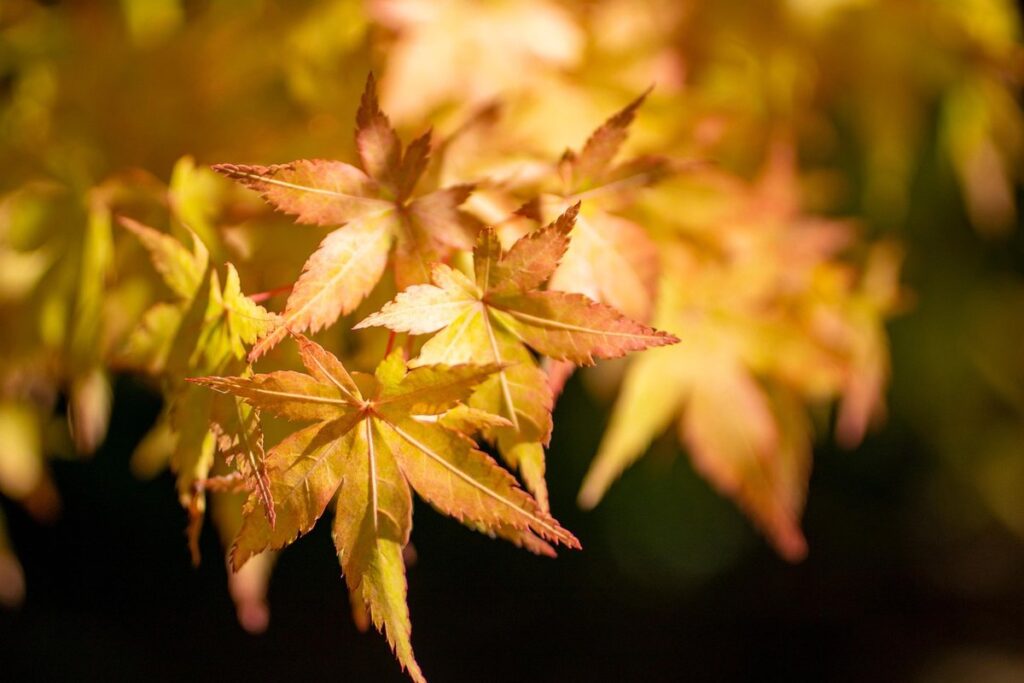
Some of the most popular and iconic native Japanese plants include maples (Acer spp.), particularly the stunning ‘Bloodgood’ maple (Acer platanoides ‘Bloodgood’) with its deep red foliage. Another favorite is the ornamental cherry tree (Sakura), Prunus serrulata, which blooms beautifully in spring with delicate pink flowers.
Rhododendrons (Rhododendron spp.) are also a staple in Japanese gardens, boasting vibrant flowers that thrive in acidic soils and partial shade. Other notable mentions include Hydrangea quercifolia ‘Variegata’, with its unique white, oak-leaf-shaped blooms, and the beautiful flowering shrub, Viburnum opulus ‘Roseum’.
When choosing native plants for your garden, consider factors such as climate zones, soil types, and mature plant sizes to ensure a harmonious coexistence between nature and design.
Incorporating Non-Native Plants into Your Design
When incorporating non-native plants into your Japanese garden design, it’s essential to strike a balance between aesthetics and cultural integrity. While native plants are often the first choice for a traditional Japanese garden, there are many beautiful and versatile options beyond those found in Japan.
Consider adding azaleas or camellias to provide vibrant blooms in shades of pink, white, and purple. These flowering shrubs can thrive in a variety of lighting conditions and add a pop of color to your design. Hydrangeas, with their large, showy flowers, can also make a stunning addition. When using non-native plants, it’s crucial to choose varieties that complement the native species and don’t overwhelm them.
When selecting non-native plants, research their growth habits, light requirements, and climate tolerance to ensure they’ll thrive in your specific environment. Also, consider how their mature size will impact your garden’s overall layout. By carefully incorporating these new additions, you can create a harmonious and visually appealing Japanese-style garden that honors traditional design principles while showcasing unique beauty.
Some popular non-native plant options include Japanese anemone, Chinese astilbe, and Korean fothergilla, each with its own distinct characteristics and benefits.
Plant Selection Based on Climate and Region
When creating a Japanese garden, it’s essential to choose plants that thrive in your specific climate and region. This will ensure your garden is both beautiful and low-maintenance for years to come.
Adapting to Different Climate Zones
When adapting Japanese gardening principles to different climate zones, it’s essential to consider the unique challenges each region presents. In hot and humid climates like Florida, for instance, plants need more frequent watering to prevent scorching and drought stress. On the other hand, cold and dry climates like Colorado require plants with robust winter hardiness and minimal water requirements.
To select suitable Japanese garden plants for your region, start by considering the USDA Hardiness Zone of your area. This will give you a general idea of what plants can thrive in your climate. For example, if you live in Florida (Hardiness Zone 10), choose plants like the Fatsia japonica or the Camellia sasanqua, which are adapted to high temperatures and humidity.
When selecting plants for colder climates like Colorado (Hardiness Zone 5b), opt for robust species like the Japanese Maple (Acer palmatum) or the Satsuki Azalea (Rhododendron satsuki). These plants can tolerate cold temperatures and drought, ensuring they’ll thrive in your region. By understanding the specific needs of your climate zone, you can create a beautiful and resilient Japanese garden that brings serenity to any outdoor space.
Regional Plant Options for Specific Climates
When it comes to creating a stunning Japanese garden, choosing the right plants for your specific climate is crucial. While many of us might imagine lush greenery and vibrant blooms, the reality is that different regions come with unique challenges. For arid desert climates, succulents like Sedum or Yucca are perfect additions, providing drought-tolerance and visually striking foliage.
In temperate areas, flowering trees like Japanese Maples (Acer palmatum) or Cherry Blossoms (Prunus serrulata) add a pop of color and fragrance. For more humid climates, tropical plants like Bamboo (Bambusa spp.) or Japanese Garden Grasses (Miscanthus sinensis) thrive in the shade.
In coastal areas with salty sea air, it’s essential to choose salt-tolerant species such as Sea Lavender (Lavandula stoechas), Beach Verbena (Verbena x hybrida), or even succulents like Echeveria. For those living in extreme cold climates, select plants that can withstand frost and snow, like Japanese Boxwood (Buxus microphylla) or Korean Dogwood (Cornus kousa). By choosing the right regional plant options for your climate, you’ll be well on your way to creating a breathtaking and resilient Japanese garden.
Designing a Japanese Garden: Layout and Features
To create a serene oasis, you’ll want to carefully consider your garden’s layout, choosing features that balance tranquility with visual interest. Let’s explore key elements of a well-designed Japanese garden.
Understanding the Importance of Balance and Harmony
In Japanese garden design, balance and harmony are essential elements that create a serene and peaceful atmosphere. When designing a Japanese garden, it’s crucial to consider the visual flow, color schemes, and texture combinations to achieve this delicate balance.
Visual flow refers to the way you guide the viewer’s eye through the garden. In traditional Japanese gardens, this is often achieved by using winding paths, water features, or strategically placed plants. For example, a small stream might lead the eye to a focal point like a serene pond or a majestic tree.
When it comes to color schemes, Japanese gardens often feature muted tones such as shades of green, beige, and blue. These earthy hues create a sense of calmness and serenity. However, adding pops of brighter colors through flowers, lanterns, or other decorative elements can add visual interest and balance out the space.
To achieve harmony in your Japanese garden, combine different textures like smooth rocks, rough wood, and soft foliage to create depth and contrast. Remember, balance is not just about symmetry; it’s also about creating a sense of balance between opposing elements, such as natural and man-made features.
Incorporating Water Features and Other Key Elements
When designing a Japanese garden, incorporating water features and other key elements can greatly enhance its ambiance. A koi pond, for instance, is a staple feature of many traditional Japanese gardens. These tranquil bodies of water not only provide a soothing background sound but also create a sense of balance and harmony in the landscape.
A small stream or babbling brook can also be an attractive addition to your garden. The gentle gurgling of water over rocks or around bends can be calming and mesmerizing, drawing you in for closer inspection. As with koi ponds, these water features offer opportunities for incorporating plants that thrive in moist environments, such as Japanese irises or water lilies.
Other key elements worth considering include teahouses or walkways made from natural materials like wood or stone. A small bridge or stepping stones can also be a beautiful way to lead visitors through the garden while creating visual interest and breaking up the space. When selecting plants for these areas, prioritize species that thrive in shade or partial shade, such as ferns or hostas.
Maintenance Tips for Your Japanese Garden
To keep your Japanese garden thriving, it’s essential to establish a regular maintenance routine that includes tasks such as pruning and watering. This helps ensure your plants stay healthy and vibrant.
Seasonal Tasks and Pruning Strategies
In a Japanese garden, seasonal maintenance is crucial to keep the plants thriving and healthy. As the seasons change, different tasks need to be performed to ensure that the garden remains beautiful and vibrant.
In spring, one of the most important tasks is pruning. Prune deciduous trees and shrubs in late winter or early spring, before new growth begins. This will help control their size, promote healthy growth, and encourage blooming. For example, prune the Yoshino cherry tree (Prunus x yoshinoensis) after it has finished blooming to maintain its shape and encourage more flowers.
In summer, focus on weeding and mulching to prevent weeds from competing with your plants for water and nutrients. Also, water plants regularly, but avoid overwatering, which can lead to root rot and other problems.
Autumn is a great time to divide and replant perennials like hostas (Hostus spp.) and astilbe (Astilbe spp.), which tend to become too large for their containers. This will also help them recover from summer stress and prepare for the next growing season.
In winter, protect your plants from extreme cold temperatures and frost damage by applying a layer of mulch or straw around the base of the plants. This will help retain moisture and regulate soil temperature.
Mulching and Watering Techniques for Optimal Health
When it comes to maintaining the health of your Japanese garden plants, two essential techniques come into play: mulching and watering. Mulching is a simple yet effective way to conserve water, suppress weeds, and regulate soil temperature.
For Japanese gardens, choose organic mulch materials like wood chips, bark, or straw, which are easy on the eyes and won’t compete with plant growth for nutrients. Spread 2-3 inches of mulch around plants, keeping it a few inches away from trunks to prevent moisture accumulation.
Watering techniques also play a crucial role in Japanese garden maintenance. Water plants deeply but infrequently to encourage deep root growth, which helps them withstand drought and temperature fluctuations. A good rule of thumb is to water only when the top 1-2 inches of soil feels dry to the touch. To minimize waste, collect rainwater or use a drip irrigation system to deliver targeted moisture directly to roots.
By combining these mulching and watering techniques, you’ll create an environment that promotes healthy plant growth while minimizing your environmental footprint.
Troubleshooting Common Issues in Your Japanese Garden
Even the most serene and beautiful Japanese gardens can be plagued by problems, which is why we’ll cover common issues to watch out for and how to fix them. From pests to plant diseases, let’s tackle these challenges together!
Identifying and Addressing Pests and Diseases
When it comes to maintaining a thriving Japanese garden, one of the most common challenges you’ll face is dealing with pests and diseases. These unwanted visitors can quickly spread and cause irreparable damage to your plants if left unchecked. To prevent this from happening, it’s essential to be able to identify common pests and diseases that target Japanese garden plants.
Some of the most common pests affecting Japanese garden plants include aphids, scale insects, whiteflies, and spider mites. These tiny creatures feed on sap, leaving behind a sticky residue that can attract other pests and create an ideal environment for disease to spread. To prevent infestations, use neem oil or insecticidal soap as a natural deterrent. For example, mix 2 tablespoons of neem oil with 1 quart of water and spray it on affected plants to repel aphids.
Common diseases affecting Japanese garden plants include root rot, leaf spot, and powdery mildew. These fungal infections thrive in humid environments, so ensure good air circulation around your plants by pruning nearby foliage or using a fan to circulate the air. If you notice any of these symptoms, treat the affected area with a fungicide specifically labeled for Japanese garden plants.
Common Design Mistakes to Avoid
When designing your own Japanese garden, it’s easy to fall into common pitfalls that can detract from the serenity and beauty of this traditional landscape style. Over-planning is one such mistake. Many people try to recreate an exact replica of a famous Japanese garden, but end up losing sight of what truly makes these spaces special – their unique, natural charm.
Another critical oversight is neglecting natural light exposure. In Japan, the changing seasons and subtle interplay between light and shadow are integral components of the garden’s aesthetic appeal. When designing your own Japanese garden, it’s essential to consider how sunlight will filter through the trees and flowers throughout the day.
To avoid these mistakes, focus on creating a space that feels organic and intuitive, rather than overly contrived or formal. Consider incorporating natural materials like stone, wood, and bamboo, which not only blend seamlessly into their surroundings but also add depth and texture to the garden. By prioritizing flexibility and adaptability, you’ll be well on your way to crafting a Japanese garden that truly reflects the beauty of nature itself.
Conclusion: Tips for Creating a Stunning Japanese Garden
Now that you’ve learned about the essential plants and design elements of a Japanese garden, it’s time to put your knowledge into practice. To create a stunning Japanese garden, remember that simplicity is key. Avoid over-accessorizing with too many plants or ornaments, which can detract from the natural beauty of the space. Instead, focus on incorporating a few statement pieces, such as a beautifully shaped bonsai tree or a delicate water feature.
When selecting plants for your garden, choose varieties that are suitable for your local climate and soil type. Consider using native plants to create a sense of authenticity. Finally, don’t be afraid to get creative and add personal touches that reflect your own style and interests. By following these tips, you can create a serene and breathtakingly beautiful Japanese garden that will bring peace and tranquility to your life for years to come.
Frequently Asked Questions
How do I ensure my Japanese garden is sustainable for the long term?
When creating a Japanese garden, it’s essential to consider sustainability not just in plant selection but also in maintenance practices. To achieve this, focus on using locally sourced materials, reducing water consumption through efficient irrigation systems, and choosing plants that require minimal pruning or fertilization.
What are some common mistakes people make when designing their first Japanese garden?
A common mistake beginners make is prioritizing aesthetics over functionality. Remember to balance visual appeal with the need for practical maintenance. Also, be mindful of your garden’s microclimate and ensure that you’re using plants suitable for your specific region’s climate.
Can I incorporate non-native plants into my Japanese garden design without sacrificing its authenticity?
While native plants are recommended in traditional Japanese gardening, there is no hard and fast rule against incorporating non-native species. However, it’s essential to choose plants that complement the existing landscape and don’t disrupt its natural balance. Research thoroughly before making any selections.
How often should I water my plants during different seasons?
Watering habits vary depending on the season. In spring and fall, reduce watering frequency as plant growth slows down. During hot summer months, increase watering to maintain soil moisture levels. In winter, minimize watering as most plants are dormant. Monitor your garden’s specific needs based on weather conditions.
What role do water features play in a traditional Japanese garden, and how can I incorporate them without breaking the bank?
Water features like koi ponds or small fountains add serenity to Japanese gardens but require careful consideration. If budget is a concern, consider DIY projects such as a small pond using a repurposed container or incorporating a natural water source, like a stream. Ensure that your design balances visual appeal with practical considerations.