
As we continue to learn more about our nocturnal friends, creating a bat-friendly garden has become an increasingly popular way to contribute to their survival. These fascinating creatures play a vital role in local ecosystems, pollinating plants and controlling insect populations by feeding on mosquitoes and moths. However, many bat species are facing threats such as habitat loss and climate change, making it essential for us to provide them with the right conditions to thrive.
If you’re eager to do your part in supporting these amazing creatures, this article is for you! We’ll explore the essential tips and tricks for designing a habitat that attracts bats. From identifying the most bat-friendly plants to creating the perfect roosting sites, we’ll cover everything you need to know to create a haven for these winged wonders. By implementing some simple yet effective changes in your garden, you can make a real difference in the lives of local bat populations and contribute to a healthier ecosystem.
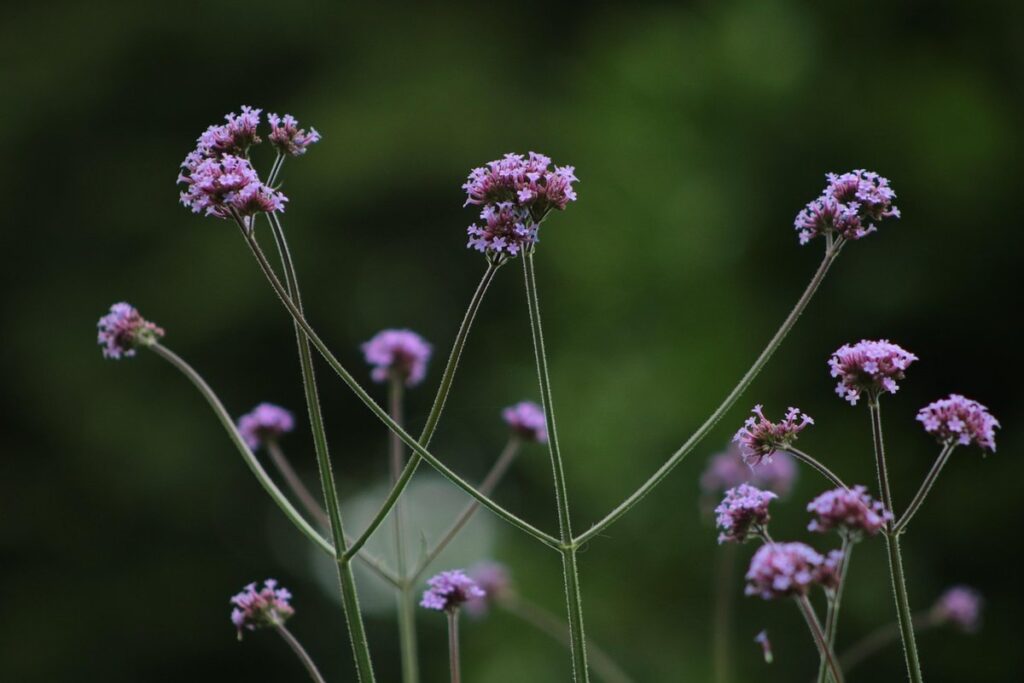
Attracting Bats to Your Garden
To attract bats to your garden, you’ll want to focus on creating a welcoming habitat that meets their specific needs and preferences for food, shelter, and water. This includes selecting the right plants and features.
Understanding the Importance of Bat Conservation
Bats are fascinating creatures that play a crucial role in maintaining ecosystem health. As important pollinators and seed dispersers, they contribute significantly to the reproduction of plants and trees, which in turn support entire food chains. In fact, it’s estimated that bats account for up to 1/5 of all insectivorous mammals on Earth.
One of the most significant contributions bats make is their role in controlling pest populations. A single little brown bat can consume up to 1,000 mosquitoes and moths in an hour, making them a natural form of pest control. By attracting bats to your garden, you’ll not only enjoy the aesthetic benefits but also reap the rewards of reduced pesticide use.
Conserving bat populations is essential for maintaining ecosystem balance. Habitat destruction, climate change, and white-nose syndrome are just a few threats that imperil these vital creatures. By creating a bat-friendly garden, you’re taking steps to support local ecosystems and preserve biodiversity. So, take the time to consider the needs of bats when designing your garden – it’s a simple yet impactful way to contribute to their conservation.
Identifying Bat-Attracting Plants
When it comes to creating a bat-friendly garden, one of the most crucial aspects is identifying plants that attract these magnificent creatures. By incorporating nectar-rich flowers, fruit-bearing trees, and fragrant herbs into your garden design, you’ll be providing bats with the necessary resources for survival.
Some excellent examples of nectar-rich flowers include trumpet-shaped blooms like honeysuckle and fuchsia, as well as tubular flowers like salvias and penstemons. These flowers are rich in energy and provide a crucial source of food for bats during their summer months. For fruit-bearing trees, consider planting species like figs, pomegranates, or loquats – these will not only attract bats but also other wildlife to your garden.
Herbs like mint, lemon balm, and oregano are also excellent choices, as they emit strong scents that guide bats to the plants. When selecting plants, remember to choose species that thrive in your local climate and soil type. By incorporating these bat-attracting plants into your garden design, you’ll be well on your way to creating a haven for these incredible creatures.
Designing a Bat-Friendly Garden
When designing a bat-friendly garden, consider incorporating native vegetation and avoiding pesticides to create a welcoming habitat for these nocturnal creatures. This will attract them to your yard in droves!
Creating a Bat Habitat
When creating a bat-friendly habitat, it’s essential to consider three key elements: shelter, food sources, and water availability. Bats need protection from harsh weather conditions, predators, and extreme temperatures, which is where providing suitable roosting sites comes into play. Install bat boxes or purchase existing ones that mimic the natural cavities of trees, ensuring they’re placed in a quiet, shaded area.
To attract bats to your garden, incorporate plants that offer nectar-rich flowers and pollen as a food source. Some excellent choices include lavender, mint, and honeysuckle. Consider also incorporating fruits like bananas, figs, or mangoes, which will provide an additional feeding opportunity for bats during the summer months. When it comes to water availability, install a shallow dish or birdbath with fresh, moving water.
Keep in mind that clean water is a priority; avoid stagnant pools of water as they can become breeding grounds for mosquitoes and other insects that may attract predators.
Incorporating Roosting Sites
When it comes to creating a bat-friendly garden, incorporating roosting sites is an essential aspect. Bats rely on these sites as their primary shelter and resting places, where they can escape the harsh outdoor conditions. There are various types of roosting sites that you can create or maintain in your garden.
Trees with large trunks and branches provide excellent roosting sites for bats. You can plant bat-friendly tree species like oak, beech, or willow in your garden to attract these flying mammals. Simply ensure that the trees have a minimum trunk diameter of 10-15 cm to accommodate the bats’ roosting needs.
Rocks and cliffs also serve as suitable roosting sites for some bat species. If you live in an area with rocky outcrops, consider incorporating them into your garden design. For those without natural rock formations, you can create a small artificial rock face using rocks or stone walls to mimic the bats’ preferred habitat.
In addition to these natural features, buildings and structures can also be incorporated as roosting sites. Consider installing bat boxes or nesting cups on walls or tree trunks in your garden. Make sure these are placed at least 3-5 meters off the ground and face east to southeast for optimal sunlight exposure.
Water Features for Bat Conservation
Creating a water feature in your garden is one of the most impactful ways to attract bats, and we’ll explore the best options for different spaces and budgets. From ponds to birdbaths, every detail matters.
Installing a Pond or Pool
Installing a pond or pool is a great way to provide bats with a vital water source and mud wallow, essential for their survival. Bats rely heavily on water sources, especially during hot summer months when insects are scarce. A pond or pool can be designed to cater specifically to the needs of local bat species.
When installing a pond or pool, consider including features that mimic natural habitats. For example, include rocks or logs for perching and roosting areas, as well as shallow waters with submerged plants for mud wallows. Bats will also appreciate having access to both still and running water, so incorporating a small waterfall or stream is beneficial.
A 2019 study by the Bat Conservation Trust found that ponds with shallow edges and surrounding vegetation were preferred by local bat species. When creating your pond or pool, remember to maintain a shallow area with gentle slopes for easy access. This will allow bats to safely land and take off without exerting themselves too much.
Maintaining Clean Water Sources
When it comes to creating a bat-friendly garden, maintaining clean water sources is crucial for the health and well-being of our nocturnal friends. Just like us, bats need access to fresh, clean water to drink and stay hydrated, especially during hot summer months.
However, water features can quickly become breeding grounds for pollutants and bacteria if not properly maintained. Mosquitoes, in particular, thrive in standing water and are known to transmit diseases that can harm bats. To prevent this, ensure your birdbaths, ponds, or fountains are regularly cleaned and changed with fresh water. Consider using mosquito-repellent granules or essential oils like lemongrass or citronella to keep these unwanted visitors at bay.
It’s also essential to choose plants around your water feature that don’t create excessive algae growth, which can cloud the water and make it difficult for bats to navigate. Some great options include cattails, irises, and water lilies, which help keep the water clean while providing shelter and food sources for local wildlife.
Regularly inspecting your water features for signs of pollution or bacterial growth will also ensure they remain bat-friendly. Look out for cloudy or greenish water, unpleasant odors, or the presence of mosquitoes and other pests.
Nourishing Your Bats with Food
To create a thriving bat habitat, it’s essential that you provide your nocturnal visitors with an abundance of their favorite foods, including insects and fruits. Let’s explore how to make your garden a feast for bats.
Planting Fruit Trees and Shrubs
When it comes to planting fruit trees and shrubs that attract bats, you’ll want to focus on species that are rich in nectar and pollen. Berry bushes, such as blueberry, raspberry, and blackberry, are excellent choices for a bat-friendly garden. These plants produce copious amounts of nectar and berries, making them a magnet for bats during the summer months.
Another option is citrus trees, which thrive in warm weather and produce fragrant flowers that emit a powerful scent, attracting pollinators like moths and beetles that are an important food source for bats. Figs are also a great choice, as they’re native to tropical regions where bats play a crucial role in dispersing seeds.
When selecting fruit trees and shrubs, consider planting multiple species together to create a diverse and thriving ecosystem. This will not only provide a constant food source for bats but also support other pollinators and wildlife. Make sure to choose plants that are suitable for your climate and soil type, and don’t forget to leave some areas of the garden unmanicured to allow for natural foraging behavior.
Offering Supplemental Feeding Options
Bats may struggle to find food during times of scarcity or drought. In such cases, providing supplemental feeding options can be a lifesaver for these nocturnal creatures. Consider offering a mix of nectar-rich flowers and fruit trees to supplement their diet.
Install bat-friendly water features like birdbaths or small ponds with fresh water. Ensure the water is shallow and has an edge for easy access. Change the water frequently to prevent mosquito breeding, which can attract bats but also pose health risks.
Supplemental feeding can be achieved through bat feeders specifically designed for this purpose. Hang these near your garden’s roosting sites or along flight paths. Fill them with a mix of fruits like bananas, berries, and dates, as well as insects like mealworms or crickets. Avoid using sugar-water feeders, as they can harm bats.
Remember to check local regulations regarding supplemental feeding in your area before setting up any feeders.
Minimizing Hazards in Your Bat Garden
To ensure a safe haven for our winged friends, let’s tackle some common hazards to avoid in your bat garden, starting with rocky and uneven surfaces.
Reducing Chemical Use
When it comes to creating a bat-friendly garden, minimizing chemical use is crucial for protecting the health and safety of these magnificent creatures. Bat colonies can be particularly susceptible to pesticides and insecticides, which not only harm them directly but also contaminate food sources.
Avoid using broad-spectrum insecticides that kill off beneficial insects alongside pests. Instead, opt for targeted methods like introducing natural predators or encouraging beneficial insects through companion planting. This approach will keep your garden ecosystem balanced while reducing chemical usage.
Some examples of chemicals to avoid include neonicotinoids and pyrethroids, which have been linked to bat fatalities in the past. To further minimize chemical use:
* Choose plants that require less water and fertilizers, thus reducing the need for pesticides.
* Consider using organic or integrated pest management (IPM) strategies in your garden.
* Encourage beneficial insects like ladybugs and lacewings by planting host plants and providing shelter.
* Regularly inspect your garden to detect potential problems early on. This proactive approach will reduce reliance on chemicals.
By taking a thoughtful, chemical-conscious approach to gardening, you’ll be helping create a safer haven for bats in the process.
Removing Obstacles and Barriers
When creating a bat-friendly garden, it’s essential to be aware of potential obstacles and barriers that can harm these incredible creatures. Netting, often used to protect plants from birds and other pests, can be particularly hazardous for bats. If not installed correctly, netting can entangle and trap bats, causing injury or even death.
To prevent this, ensure that any netting you use is at least 3 meters away from trees, shrubs, and other structures where bats roost. You should also choose a mesh size of no smaller than 10 cm to reduce the risk of entanglement. Consider using alternative methods like row covers or fine-mesh screens instead.
Windows can also pose a significant threat to bats, particularly if they are not properly maintained. Keep your windows clean and free from debris, as bats may attempt to fly through them in search of insects or roosting sites. Consider installing window guards or stops to prevent bats from entering your home accidentally.
Regularly inspect your garden for any potential hazards and take steps to mitigate them. By doing so, you’ll be well on your way to creating a safe haven for these fascinating creatures.
Monitoring and Enjoying Your Bat-Friendly Garden
Now that you’ve created a haven for bats, let’s talk about how to monitor their activity and truly enjoy your bat-friendly garden. This is where things get exciting!
Tracking Bat Activity
To fully appreciate and enjoy the benefits of having bats in your garden, it’s essential to monitor their activity. By doing so, you can identify areas where they’re most active, track their behavior, and adjust your garden’s design accordingly.
You can start by setting up camera traps around the perimeter of your garden or near bat-friendly features like water sources or roosting sites. This will help you capture visual evidence of bat activity, allowing you to observe their feeding patterns, social interactions, and even learn about specific species visiting your garden.
Observation techniques also play a significant role in tracking bat activity. Pay attention to signs like droppings (guano) and insectivorous remains, which can indicate the presence of bats. Note the time of day and season when you spot these signs, as this may help identify peak bat activity periods.
Keep a record of your observations and camera trap footage to create a comprehensive picture of bat behavior in your garden. By doing so, you’ll be able to make informed decisions about how to enhance your garden’s bat-friendliness and enjoy the experience of coexisting with these fascinating creatures.
Appreciating the Benefits of a Healthy Ecosystem
Creating a bat-friendly garden is not just about providing a haven for these amazing creatures; it’s also about appreciating the benefits of a healthy ecosystem. When you create a thriving environment that supports local bat populations, you’re contributing to the overall health and resilience of your community.
One of the most significant rewards of having bats in your garden is their role in controlling pest populations. A single little brown bat can eat up to 1,000 mosquitoes per hour, making them a valuable asset for any gardener. By attracting bats to your garden, you’re reducing the need for pesticides and maintaining a balanced ecosystem.
Another benefit of a healthy ecosystem is the improvement of soil quality. Bat guano (poop) is rich in nutrients and can be used as a natural fertilizer, improving soil structure and fertility. This reduces the need for synthetic fertilizers and promotes a more sustainable gardening practice.
As you enjoy your bat-friendly garden, remember that it’s not just about the bats; it’s about being part of a larger ecosystem that supports biodiversity and ecosystem services. By creating a haven for these amazing creatures, you’re contributing to a healthier, more resilient environment – and that’s something to truly appreciate.
Frequently Asked Questions
What if I have a small garden or limited space to create a bat-friendly habitat?
Yes, you can still make a difference even with a small garden! Consider incorporating bat-attracting plants into your existing garden design, and prioritize features like water sources and roosting sites. Even a tiny pond or shallow dish of water can be beneficial for bats.
How do I know which plants are suitable for my local climate and will attract bats?
To ensure you’re planting species that thrive in your region and attract bats, consult with a local nursery or gardening expert. They can help you choose plants adapted to your specific climate and soil type. Some popular bat-friendly plants include native flowers, trees, and shrubs that provide nectar-rich blooms.
Can I use artificial roosting sites instead of natural ones?
No, while artificial roosting sites may seem convenient, bats generally prefer natural cavities or tree hollows for roosting. Artificial structures can be too exposed or lack the insulation and protection needed for bats to feel secure during their rest periods.
What if I notice pests like mosquitoes or moths in my garden, will bats control them naturally?
Bats are beneficial for controlling insect populations, but they may not eliminate all pests immediately. It’s essential to create a balanced ecosystem by incorporating diverse plants and features that support the local food chain. This can help minimize pest numbers and ensure bats can thrive.
How do I know if my bat-friendly garden is effective in supporting local bat populations?
Regularly monitor your garden for signs of bat activity, such as droppings or evidence of roosting. Also, consider installing a bat box or camera to observe their behavior. Keep records of any bat sightings and note changes in insect populations – these indicators can help you assess the success of your bat-friendly habitat.