
Are you looking to create a haven for local wildlife in your own backyard? A garden wildlife pond is an excellent way to attract birds, bees, and other animals while also enjoying a beautiful and serene feature in your outdoor space. But did you know that choosing the right native plants can make all the difference in creating a thriving ecosystem? By incorporating native pond plants into your design, you’ll not only provide a welcoming habitat for local wildlife but also ensure the long-term health and maintenance of your pond.
In this article, we’ll show you how to design a wildlife-friendly pond from scratch, including selecting the perfect native plants to attract a variety of species. Whether you’re a seasoned gardener or just starting out, we’ll guide you through the process of creating a balanced ecosystem that will bring joy and wonder to your garden for years to come.
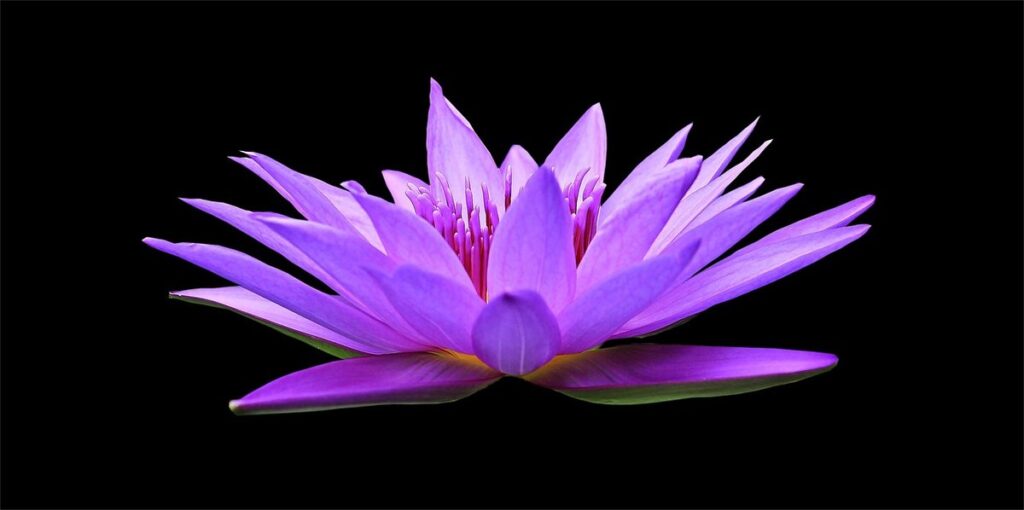
Benefits of a Wildlife Pond in Your Garden
A wildlife pond can bring immense joy and benefits to your garden, providing a haven for local wildlife and adding beauty and tranquility to your outdoor space. Let’s explore the advantages of creating such a haven in your own yard.
Attracting Local Wildlife
Attracting local wildlife to your garden is one of the most rewarding aspects of creating a wildlife pond. By providing a source of water, you’re essentially inviting birds, bees, and other animals to visit and stay in your garden. This can be particularly beneficial for those living in urban areas, where green spaces are often scarce.
When it comes to attracting local wildlife, it’s essential to think about the types of plants you choose for your pond. For example, planting native water lilies or cattails will provide a haven for birds and insects alike. These plants not only offer shelter but also serve as a food source, making them an attractive feature for local wildlife.
In addition to plants, consider adding features such as rocks, logs, or even a small island to your pond. These will create hiding places for animals to rest and breed, further enhancing the biodiversity of your garden.
Reducing Biodiversity Loss
A wildlife pond in your garden can be a haven for native species, providing them with a vital source of food, shelter, and breeding grounds. By creating a habitat that mimics the natural environment, you’re giving these creatures a fighting chance to thrive in an increasingly fragmented world.
Did you know that up to 70% of the UK’s wildlife populations are declining due to habitat loss and fragmentation? By installing a wildlife pond, you can help combat this trend by providing a haven for native species such as frogs, newts, dragonflies, and birds. A well-designed pond with native plants will attract pollinators like bees and butterflies, which are essential for plant reproduction.
When choosing plants for your pond, opt for native species that have evolved alongside the local wildlife. These plants will provide food, shelter, and breeding grounds for native species, supporting a balanced ecosystem. Some excellent options include water lilies, irises, and cattails. Not only do these plants attract beneficial insects, but they also help to filter the water, maintaining its quality and clarity.
By incorporating a wildlife pond into your garden design, you’ll be contributing to the preservation of local biodiversity. This simple yet effective solution can make a significant difference in the long run, providing a haven for native species to thrive in an increasingly human-dominated world.
Choosing the Right Pond Plants
When it comes to creating a thriving wildlife pond, choosing the right plants is crucial for providing shelter and sustenance for the creatures that call your garden home. In this section, we’ll guide you through selecting the perfect pond plants.
Native Pond Plants: What to Look For
When it comes to creating a thriving wildlife pond, choosing native plants is essential for supporting local biodiversity. Native pond plants are those that have evolved alongside the native species of animals in your region, providing them with food, shelter, and breeding grounds.
When selecting native pond plants, consider their water depth requirements. Some plants, such as cattails and water lilies, prefer shallower waters and can thrive in depths of just a few inches. Others, like reeds and irises, require deeper waters and may need up to 3-4 feet of water to grow well.
Look for plants with adaptable growth habits that will fit your pond’s specific conditions. For example, if you have a small pond with limited space, choose compact varieties like dwarf cattails or miniature water lilies. Consider the plants’ flowering times as well – some native pond plants are more attractive to pollinators and wildlife during certain periods of the year.
By incorporating native pond plants into your wildlife pond design, you’ll create a haven for local species that will visit your garden throughout the seasons.
Non-Native Invasive Species to Avoid
When introducing plants to your wildlife pond, it’s essential to be mindful of non-native invasive species that can cause harm to your ecosystem. These plants may seem appealing due to their vibrant colors or rapid growth, but they can quickly take over and displace native species.
Some common examples of non-native invasive species to avoid in a wildlife pond include water hyacinth (Eichhornia crassipes), floating pennywort (Hydrocotyle ranunculoides), and parrot’s feather (Myriophyllum aquaticum). These plants can outcompete native vegetation, alter water chemistry, and even clog pumps and filters.
In fact, a study by the Royal Horticultural Society found that non-native invasive species are responsible for up to 80% of all plant invasions in British ponds. Introducing these plants into your wildlife pond can lead to costly maintenance issues, not to mention the harm they cause to local ecosystems.
To avoid this problem, opt for native aquatic plants that have co-evolved with your region’s wildlife. Research local nurseries or suppliers that specialize in native pond plants and choose species that are well-suited to your pond’s conditions. This will create a balanced and sustainable ecosystem that benefits both you and the local wildlife.
Planting Considerations for Different Pond Depths
When designing a pond, it’s essential to consider the unique needs of plants that thrive in various water depths. In this section, we’ll explore the specific planting requirements for ponds ranging from shallow margins to deeper areas.
Shallow Ponds (Less than 1.5m Deep)
When creating a wildlife pond with a shallow depth of less than 1.5m, it’s essential to choose plants that thrive in these conditions and provide shelter for fish and other aquatic animals. Water lilies are an excellent choice for shallow ponds, as they have shallow roots and can tolerate fluctuating water levels. Look for species like ‘Rosea’ or ‘Alba’, which are well-suited for smaller ponds and produce beautiful blooms.
Cattails (Typha latifolia) are another great option for shallow ponds, providing valuable shelter for aquatic animals and helping to stabilize the pond’s ecosystem. They can tolerate a range of water conditions and can be easily trimmed back to maintain shape and promote new growth. To create a balanced environment, consider planting cattails on one side of the pond and water lilies on the other.
When selecting plants for your shallow pond, remember to choose species that are native to your area to ensure they thrive in your specific climate. Planting suitable aquatic vegetation will help maintain a healthy ecosystem and provide a haven for wildlife to flourish in your garden.
Medium-Depth Ponds (1.5-3m Deep)
For medium-depth ponds, typically ranging from 1.5 to 3 meters deep, you’ll want to choose plants that thrive in these conditions and provide a habitat for various wildlife species. Native species are excellent options as they have adapted to the local climate and require minimal maintenance.
Pickerelweed (Pontederia cordata) is an ideal choice for medium-depth ponds. Its heart-shaped leaves and blue-violet flowers attract pollinators, while its submerged stems offer shelter for fish and invertebrates. Blue flag iris (Iris versicolor) also does well in these conditions, with its beautiful purple flowers and sword-shaped leaves providing a haven for wildlife.
Flowering rushes (Juncus effusus) are another great option for medium-depth ponds, offering a range of habitats from shallow to deep water. These plants support aquatic insects, amphibians, and small fish, creating a diverse ecosystem within your pond. When selecting plants for your medium-depth pond, consider incorporating a mix of submerged, emergent, and floating species to create a thriving environment that supports the local wildlife.
Maintenance Tips for a Healthy Wildlife Pond Ecosystem
To keep your wildlife pond thriving, it’s essential to perform regular maintenance tasks that promote a healthy ecosystem and prevent issues from arising. This includes monitoring water quality and controlling algae growth.
Regular Water Testing
Maintaining optimal water conditions is crucial for a thriving wildlife pond ecosystem. Regular water testing allows you to monitor and adjust pH levels, ensure sufficient oxygenation, and balance nutrient levels. This ensures that plants, fish, and other aquatic life can flourish.
To conduct regular water tests, start by collecting a sample from the middle of your pond at least 6 inches below the surface. Use an aquarium test kit or consult with a local pet store for recommendations on testing kits suitable for ponds.
Look out for pH levels between 6.5 and 8.5. If levels are too high (above 9), this can cause fish to become stressed, while low levels (below 6) can lead to algae blooms. Aim for an average nitrate level of less than 10 ppm, as excessive nitrates can promote unwanted algae growth.
Testing kits also help determine water hardness and alkalinity levels. Make necessary adjustments by adding conditioners or replacing a portion of the pond water with dechlorinated tap water.
Plant Management Strategies
Controlling algae growth is crucial for maintaining a healthy wildlife pond ecosystem. Excessive algae can choke out other aquatic plants and harm wildlife that depend on the pond. To prevent this, you should introduce aquatic plants that thrive in different conditions, such as those with deep roots or those able to absorb nutrients quickly. Some examples of these plants include water lilies, cattails, and hornwort.
In addition to managing algae growth, pruning your plants regularly is essential for maintaining their health and promoting biodiversity. Pruning encourages new growth and prevents overcrowding, which can lead to reduced plant productivity and increased susceptibility to disease. To prune effectively, remove dead or damaged leaves and stems, cutting back overgrown areas by about one-third. This will help promote air circulation around the plants and prevent stagnation of water.
Regular pruning also helps facilitate plant succession, a process where new species emerge as old ones die off naturally. By allowing plants to complete their life cycles, you encourage a diverse and resilient ecosystem.
Additional Tips for a Thriving Wildlife Pond
To take your wildlife pond to the next level, consider these expert tips on water quality management and maintenance routines that will keep your ecosystem thriving.
Providing Hiding Places for Small Animals
When designing your wildlife pond, it’s essential to consider the needs of the small animals that will call it home. Frogs, newts, and fish all require shelter from predators and extreme weather conditions. Incorporating rocks, logs, or other hiding places into your pond design can make a significant difference in providing them with a safe haven.
You don’t need to create elaborate structures; simple features like overhanging branches, sunken logs, or large stones can serve as perfect hiding spots. Consider adding some aquatic plants that will provide sheltered areas for small animals to hide and seek refuge.
Some examples of beneficial hiding places include:
• A partially submerged log that allows newts to emerge at night
• A rocky outcropping that provides a safe haven for fish from predators
• A cluster of water lilies or other emergent plants that create a sheltered area for small animals
Remember, the key is to provide variety in your pond design. By incorporating different types of hiding places, you’ll be creating a thriving environment that supports a diverse range of wildlife.
Creating a Diverse Pond Edge
When creating a wildlife pond, one of the most crucial aspects is designing a diverse pond edge that caters to various habitats and supports an array of local wildlife. This can be achieved by incorporating native plants with different growth habits and textures.
Start by selecting a mix of tall and short native grasses, such as reeds and sedges, which will provide shelter for birds and small animals. Add some emergent plants like water lilies and cattails to the pond’s edge, offering insects a place to lay their eggs and hatching sites for fish. Consider including shrubs with berries or flowers, like lavender or dogwood, to attract pollinators and provide sustenance for birds.
Make sure to plant in layers, alternating between groundcovers, shrubs, and trees to create a habitat-rich environment. This layered approach will not only enhance the pond’s biodiversity but also ensure that water quality remains healthy by preventing excessive algae growth. For instance, native plants like cattails and pickerelweed help to absorb excess nutrients and stabilize soil around the pond.
By incorporating diverse plant species with unique characteristics, you’ll create a thriving ecosystem within your wildlife pond that supports an array of local wildlife habitats.
Frequently Asked Questions
How can I ensure my pond is safe for wildlife, especially for young animals that may accidentally fall in?
Make sure to include features like a shallow area with a gentle slope or a designated “beach” where animals can safely exit the water. You can also consider adding plants like cattails or rushes that provide shelter and help to filter the water.
What are some common mistakes people make when choosing native pond plants, and how can I avoid them?
Be aware of over-reliance on a single plant species, which can lead to an imbalance in the ecosystem. Instead, choose a variety of native plants that will attract different types of wildlife and provide a diverse food source.
How do I know if my pond is large enough for the type and number of plants I want to include?
Consider factors like water depth, surface area, and sunlight exposure when selecting plants for your pond. A general rule of thumb is to choose plants that are suitable for the pond’s depth and size, taking into account the mature size of the plants.
Can I use pre-made pond kits or should I design my pond from scratch?
While pre-made kits can be convenient, designing a custom pond will allow you to create a more tailored ecosystem that meets your specific needs and wildlife goals. Consider consulting with a professional if you’re unsure about how to proceed.
How often should I test the water in my pond for pH and other parameters, especially during seasonal changes?
Regular water testing is crucial to maintaining a healthy ecosystem. Test the water at least once a month during warmer months, and more frequently during times of significant change (e.g., after heavy rainfall or before winter). This will help you identify any potential issues early on and make necessary adjustments.