
Hydrangea hedges are a game-changer for gardeners of all skill levels. Not only do they add a touch of elegance to any landscape, but they’re also surprisingly low-maintenance and adaptable to various climates. If you’re looking to create a stunning hedge that requires minimal upkeep, look no further than hydrangeas. In this article, we’ll delve into the benefits and beauty of hydrangea hedges, covering everything from planting and pruning techniques to care tips for optimal growth. Whether you’re a seasoned gardener or just starting out, this guide will walk you through the process of creating a thriving hydrangea hedge that adds value and charm to your outdoor space. With their gorgeous blooms and lush foliage, it’s no wonder hydrangea hedges are gaining popularity worldwide – let’s explore why they’re an excellent choice for any garden or yard.
Understanding Hydrangea Hedges: Benefits and Characteristics
Hydrangea hedges are a popular choice for gardeners, offering unique benefits and characteristics that set them apart from other hedge options. Let’s dive into what makes them so special.
What are Hydrangea Hedges?
Hydrangea hedges have become increasingly popular among homeowners and landscapers due to their unique characteristics and benefits. Essentially, a hydrangea hedge is a living fence made from individual hydrangea plants grown together to create a dense screen or barrier. These hedges are perfect for property owners who want to add some elegance and sophistication to their outdoor spaces without sacrificing functionality.
One of the main reasons why hydrangea hedges are gaining traction is that they provide an attractive alternative to traditional fencing materials like wood, metal, or vinyl. Not only do they offer a beautiful bloom display during peak season, but they also thrive in various lighting conditions and soil types, making them adaptable to different environments. Additionally, hydrangea hedges can help reduce noise pollution and create a sense of seclusion, making them ideal for homes with neighboring properties. With proper care and maintenance, these stunning hedges can add value and curb appeal to your property for years to come.
Advantages of Hydrangea Hedges
Hydrangea hedges are not only visually stunning but also offer numerous benefits that make them an attractive option for homeowners and gardeners. One of the significant advantages of using hydrangea hedges is their low maintenance requirement. These plants are adaptable to various climates, making them perfect for regions with hot summers or cold winters.
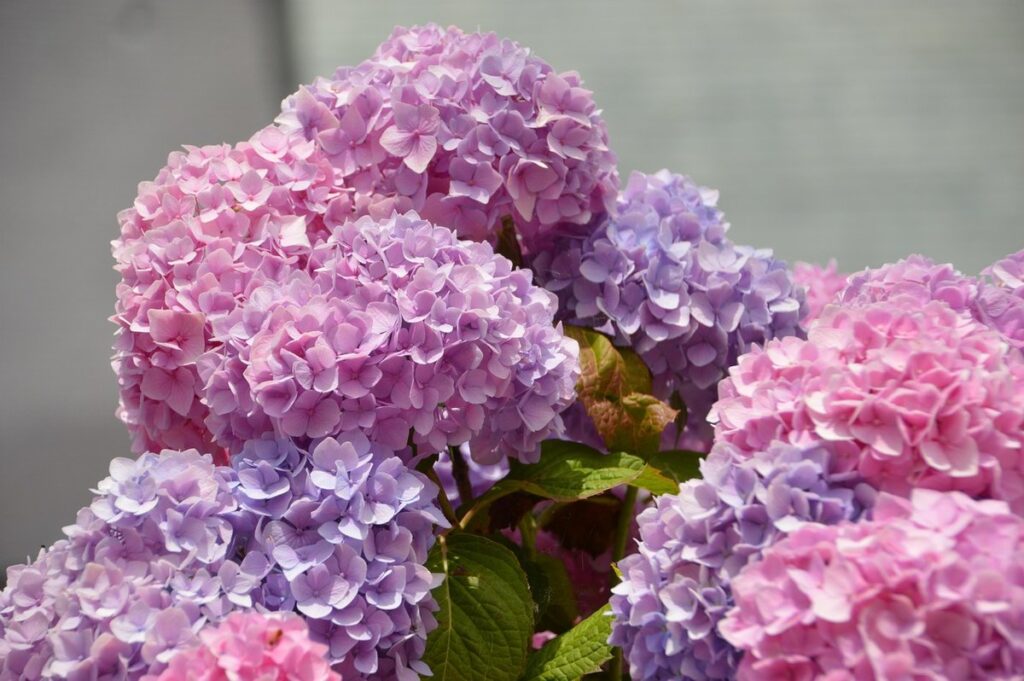
In addition to their low maintenance needs, hydrangeas produce attractive blooms in shades of pink, blue, or white, adding a pop of color to your garden. The beautiful flowers also attract pollinators like bees and butterflies, creating a vibrant ecosystem. With proper care, hydrangea hedges can thrive for years, providing a lush screen that’s perfect for separating spaces within your property.
To get the most out of your hydrangea hedge, be sure to plant it in well-draining soil and provide regular watering. You should also prune the plants annually to maintain their shape and promote new growth. With these simple tips, you can enjoy the many benefits of a stunning hydrangea hedge that adds beauty and charm to your outdoor space.
Different Types of Hydrangeas Suitable for Hedges
When it comes to creating a stunning hydrangea hedge, choosing the right variety is crucial. While many types of hydrangeas can be used for hedging purposes, some stand out as better suited than others. Let’s explore three popular varieties that are perfect for hedges: Bigleaf, Panicle, and Oakleaf.
Bigleaf hydrangeas (Hydrangea macrophylla) are a favorite among gardeners due to their large, showy flowers and ability to thrive in partial shade. They can grow quite tall, making them an excellent choice for taller hedges. However, they do require more maintenance than other varieties, as their leaves tend to drop in autumn.
Panicle hydrangeas (Hydrangea paniculata) are a great option for those who want a low-maintenance hedge that still provides stunning flowers. They bloom in late summer and can grow up to 10 feet tall. Their panicle-shaped blooms add a unique touch to any landscape.
Oakleaf hydrangeas (Hydrangea quercifolia) offer a more subtle beauty with their oak-like leaves and white or pink flowers. They prefer well-drained soil and full sun, making them an excellent choice for sunny spots in your garden.
Planning Your Hydrangea Hedge: Choosing the Right Location and Size
When choosing a location for your hydrangea hedge, it’s essential to consider factors like sunlight, soil type, and space constraints to ensure its success. Proper planning will make all the difference in achieving a lush and vibrant hedge.
Selecting a Location for Your Hydrangea Hedge
When selecting a location for your hydrangea hedge, there are several factors to consider. First and foremost, think about sunlight. Hydrangeas generally require partial shade to full sun, depending on the variety. If you’re planning to create a blue-flowering hydrangea hedge, it’s best to choose a spot that receives morning sun and afternoon shade. This will help prevent the flowers from fading too quickly.
Next, consider the soil type in your chosen location. Hydrangeas prefer well-draining soil rich in organic matter, but they can also tolerate clay soils as long as they’re not waterlogged. Make sure to test the pH level of your soil, as hydrangeas typically thrive in slightly acidic conditions (pH 6.0-7.0). If you have alkaline soil, you may need to add sulfur or other acidifying agents to create a more hospitable environment.
In addition to sunlight and soil, think about space constraints. Hydrangea hedges can grow quite large – up to 10 feet tall and wide in ideal conditions! Be sure to leave enough room for the hedge to mature without encroaching on surrounding features like walkways or garden beds.
Determining the Optimal Size for Your Hydrangea Hedge
When it comes to determining the optimal size for your hydrangea hedge, there are several factors to consider. First and foremost, think about the available space where you plan to plant your hedge. Measure the length and width of the area, taking into account any obstacles or features that may impact your design. Consider a minimum of 3-5 feet between each plant for proper growth and air circulation.
Next, think about the level of density you desire for your hedge. Do you want a lush, full screen, or a more sparse, informal look? This will help you determine how many plants you need to achieve the desired effect. A good rule of thumb is to start with a smaller number of plants and add more as needed, rather than overplanting and risking overcrowding.
Keep in mind that hydrangeas can grow quite large, so be sure to choose a variety that suits your space and needs. For example, ‘Blume’ or ‘Tardiva’ varieties are great for hedges, growing up to 6-8 feet tall and wide. With careful planning and consideration of these factors, you’ll be well on your way to creating a stunning hydrangea hedge that meets your unique needs and enhances your outdoor space.
Planting and Caring for Your Hydrangea Hedge: Tips and Tricks
To create a lush and thriving hydrangea hedge, it’s essential to choose the right planting location and care routine. We’ll cover the key tips for successful growth in this next section.
Preparing the Soil for Your Hydrangea Hedge
When planting a hydrangea hedge, preparing the soil is a crucial step that can make all the difference in its growth and success. Hydrangeas are adaptable to various soil types, but they thrive best in slightly acidic to neutral soil with a pH between 6.0 and 7.0.
To check your soil’s pH level, you can purchase a DIY soil testing kit or consult a local nursery for guidance. If your soil is too alkaline (above 7.0), add elemental sulfur to lower the pH. Conversely, if it’s too acidic (below 6.0), mix in some dolomitic limestone.
In terms of fertilization, hydrangeas require regular feeding throughout the growing season. You can use a balanced fertilizer (10-10-10 NPK) and follow the instructions on the label. Alternatively, opt for an organic option like compost or well-rotted manure to promote healthy growth without overloading your hedge with synthetic nutrients.
Mulching is also essential to retain moisture, suppress weeds, and regulate soil temperature. Spread a 2-inch layer of organic mulch around the base of your hydrangea hedge, keeping it at least 6 inches away from the stems to prevent waterlogged soil.
Watering and Fertilizing Your Hydrangea Hedge
Watering and fertilizing your hydrangea hedge is crucial to ensure it remains healthy and continues to thrive. Hydrangeas prefer well-drained soil and consistent moisture levels, but overwatering can lead to root rot and other issues. To avoid this, check the soil daily by inserting a finger into the soil up to the first knuckle. If the soil feels dry, it’s time to water.
Aim for about 1 inch of water per week, either from rain or irrigation. Fertilize your hydrangea hedge during the growing season (spring and summer) with a balanced fertilizer that contains nitrogen, phosphorus, and potassium. Apply the fertilizer according to the package instructions, usually once a month.
You can also add a layer of compost around the base of the plants to provide nutrients and improve soil structure. However, avoid overfertilizing, as this can cause more harm than good. For example, too much nitrogen can promote excessive foliage growth at the expense of flower production. Monitor your hydrangea hedge’s response to fertilization and adjust your technique accordingly.
Pruning and Maintaining Your Hydrangea Hedge: Techniques and Best Practices
To keep your hydrangea hedge looking its best, it’s essential to prune and maintain it regularly, which we’ll cover in detail below. This includes techniques for deadheading and shaping your hedge.
Basic Pruning Techniques for Hydrangeas
When it comes to pruning and maintaining your hydrangea hedge, mastering basic techniques is essential for achieving that stunning, lush look you’re going for. The goal of pruning is not only to shape and trim your hydrangea but also to encourage healthy growth and promote blooming.
To start, gather the right tools: pruning shears or loppers for smaller branches and a saw for thicker ones. Remove any dead, diseased, or damaged stems, making clean cuts just above a bud or node. This will help prevent disease from spreading and encourage new growth. Next, thin out overcrowded areas by cutting back stems to about one-third of their length. This allows more sunlight to reach the remaining branches, promoting blooming.
Another crucial aspect is tip-pruning – trimming the tips of stems to maintain shape and promote bushy growth. Simply snip off the top two to three inches of each stem using pruning shears or loppers. Prune in late winter or early spring before new growth begins, as this allows time for your hydrangea hedge to recover and regrow in the growing season.
Regular maintenance is key – prune every 2-3 years to maintain shape and promote blooming.
Timing and Frequency of Pruning for Hydrangeas
When it comes to pruning your hydrangea hedge, timing and frequency are crucial for promoting healthy growth and maintaining its appearance. The best time to prune your hydrangea hedge depends on the type of hydrangea you have. Bigleaf hydrangeas (Hydrangea macrophylla) should be pruned in late winter or early spring, while panicle hydrangeas (Hydrangea paniculata) and smooth hydrangeas (Hydrangea arborescens) can be pruned in late winter to early spring as well.
As for frequency, it’s recommended to prune your hydrangea hedge at least once a year. During the growing season, you may need to make additional cuts to maintain its shape and promote healthy growth. Here are some tips to keep in mind: Prune no more than one-third of the plant at any given time to avoid shocking the roots. Remove dead or diseased branches completely to prevent the spread of disease. Cut back stems to about one-quarter of their original length to encourage new growth.
Common Issues with Hydrangea Hedges: Troubleshooting Tips and Solutions
As you’re working on your stunning hydrangea hedge, don’t let common problems get in the way. We’ll tackle the most frequent issues that may arise so you can troubleshoot with ease.
Dealing with Disease, Pests, and Nutrient Deficiencies
Hydrangea hedges can be prone to various issues that affect their appearance and overall health. When identifying common problems, it’s essential to look out for signs of disease, pests, and nutrient deficiencies.
Disease is a significant concern for hydrangeas, with root rot being a common issue caused by overwatering or poor drainage. Fungal diseases like powdery mildew and leaf spot can also affect the plant’s leaves and flowers. To prevent these issues, ensure your hedge receives well-ventilated air circulation and maintain consistent moisture levels.
Pests like aphids, whiteflies, and spider mites can weaken hydrangea hedges by sucking sap from the stems. Regularly inspect your plants for signs of infestation, such as yellowing leaves or sticky honeydew droplets on the stems. Use insecticidal soap or neem oil to control pest populations.
Nutrient deficiencies can also affect hydrangea growth and blooms. Fertilize your hedge regularly with a balanced, water-soluble fertilizer during the growing season (spring-fall). This will help replenish essential nutrients like nitrogen, phosphorus, and potassium that promote healthy growth and flowering.
Addressing Common Problems like Leaf Scorch and Wilting
One of the most frustrating problems you might encounter with your hydrangea hedge is leaf scorch and wilting. These issues can be caused by a variety of factors, including extreme temperatures, drought, or overwatering.
Leaf scorch appears as brown or yellow leaves that have been scorched or burnt, often starting from the tips of the branches. To prevent this, ensure your hydrangea hedge is receiving at least 1 inch of water per week, either through rainfall or irrigation. Be cautious not to overwater, however, as this can lead to root rot and further exacerbate the problem.
To address wilting, check the soil moisture by inserting a finger into the top layer of soil. If it feels dry, give your hydrangea hedge a thorough watering. Avoid getting water directly on the leaves to prevent fungal diseases from taking hold.
Some common signs that indicate your hydrangea hedge is experiencing drought stress include curled or wilted leaves and yellowing foliage. If you notice any of these symptoms, inspect the roots to ensure they’re not rotting due to overwatering.
Design Ideas and Styling Options for Hydrangea Hedges
When it comes to designing your hydrangea hedge, you’ll want to consider how to showcase these gorgeous flowers in a way that complements their natural beauty. Let’s dive into some stylish ideas for creating a stunning look.
Creating a Focal Point with Your Hydrangea Hedge
When designing your hydrangea hedge, creating a focal point is essential to draw attention and create visual interest. One effective way to achieve this is by combining your hydrangea hedge with other plants or features that complement its beauty. For instance, you can pair it with a statement piece like a large ornamental tree or a dramatic water feature.
Consider incorporating a mix of flowering shrubs and perennials in different textures and colors around the perimeter of your hydrangea hedge to create a visually appealing contrast. This will not only add depth but also create a dynamic display of colors throughout the seasons.
When combining plants, think about their growth habits, bloom times, and maintenance requirements to ensure they work harmoniously together. For example, you can plant tall flowers like sunflowers or cosmos behind your hydrangea hedge to create a dramatic backdrop. Alternatively, use groundcovers like succulents or creeping thyme around the base of your hydrangea hedge to soften its edges.
Remember, combining plants and features is an art that requires balance and restraint. Be intentional about creating a cohesive look by selecting plants with similar growth habits and bloom times, and consider incorporating hardscaping elements like stone pathways or garden benches to create visual interest.
Using Hydrangea Hedges in Landscape Design
When it comes to creating a stunning hydrangea hedge, incorporating this beautiful shrub into your landscape design is a great way to add texture, color, and depth. Hydrangea hedges can be used as a standalone feature or integrated with other plants to create a stunning display.
To get the most out of your hydrangea hedge, consider using them in conjunction with other flowering shrubs like rhododendrons or azaleas for a vibrant display of colors throughout the growing season. Alternatively, pair hydrangeas with boxwood or topiary for a more structured and elegant look. For added drama, plant hydrangeas near water features, like ponds or fountains, to create a soothing and peaceful ambiance.
When using hydrangea hedges in your landscape design, remember that they can grow quite large, so be sure to give them enough space to spread out. A general rule of thumb is to plant 3-5 feet apart for larger varieties, while compact types can be planted as close as 2-3 feet apart.
Keep in mind that hydrangea hedges are relatively low-maintenance compared to other options. They prefer well-draining soil and partial shade, but can thrive in a variety of conditions with proper care. By incorporating hydrangeas into your landscape design, you’ll not only create a stunning hedge, but also a haven for local wildlife and a beautiful display of color throughout the growing season.
Conclusion: Enjoying the Beauty and Benefits of Your Hydrangea Hedge
Creating a stunning hydrangea hedge is a rewarding experience that brings beauty and benefits to your outdoor space. Once your hedge is established, you’ll be eager to enjoy its vibrant blooms and lush foliage. Take time to appreciate the unique characteristics of your hydrangea hedge – notice how the flowers change color with the seasons and how the leaves provide year-round interest.
To get the most out of your hydrangea hedge, make sure to regularly prune it to maintain its shape and promote healthy growth. Also, consider adding companion plants that complement the beauty of your hydrangeas, such as ferns or hostas. By doing so, you’ll create a stunning focal point in your garden that attracts wildlife and enhances the overall aesthetic appeal of your outdoor space.
As you enjoy your thriving hydrangea hedge, remember to appreciate its numerous benefits – from providing shade and shelter for local wildlife to adding value to your property.
Frequently Asked Questions
Can I use a mix of different hydrangea species for my hedge?
Yes, using a combination of different hydrangea species can add variety to your hedge’s blooms and foliage. However, make sure the species you choose are suitable for your climate and have similar growing requirements to ensure they thrive together.
How often should I water my hydrangea hedge during hot summer months?
Hydrangeas prefer consistent moisture, especially when young or newly planted. During hot summer months, aim to provide about 1-2 inches of water per week through rainfall or irrigation. Monitor soil moisture by inserting a finger into the soil up to the first knuckle; if it feels dry, it’s time to water.
What are some common pests that target hydrangea hedges?
Scale insects and spider mites can be problematic for hydrangeas. Regularly inspect your plants for signs of infestation like white eggs or fine webbing on leaves. Use neem oil or insecticidal soap as a preventative measure, and apply according to product instructions.
Can I grow a hydrangea hedge in a shaded area?
Yes, hydrangeas can tolerate partial shade, especially the Bigleaf variety. However, for optimal blooming, provide at least 4-6 hours of direct sunlight per day. Choose a location with morning sun to prevent scorching and ensure proper growth.
How do I handle dead or damaged branches on my hydrangea hedge?
Remove dead or damaged branches immediately to promote healthy growth and maintain the appearance of your hedge. Cut back affected areas using clean pruning tools, making cuts at a 45-degree angle just above a bud or node to encourage new growth.