
Starting your own garden bed can be an incredibly rewarding experience, providing you with fresh produce, beautiful flowers, and a sense of pride in your outdoor space. However, getting started can seem daunting, especially if you’re new to gardening. Where should you place your garden bed? How do you prepare the soil for optimal growth? And what types of plants are best suited for beginners?
In this comprehensive guide, we’ll walk you through the essential steps to start a thriving garden bed. We’ll cover location selection, ensuring that your bed receives the right amount of sunlight and water. Then, we’ll dive into soil preparation, sharing expert tips on how to create a nutrient-rich environment for your plants to flourish. Finally, we’ll discuss plant acquisition, helping you choose the perfect varieties for your climate and skill level. By following our step-by-step guide, you’ll be well on your way to growing your own garden bed in no time.
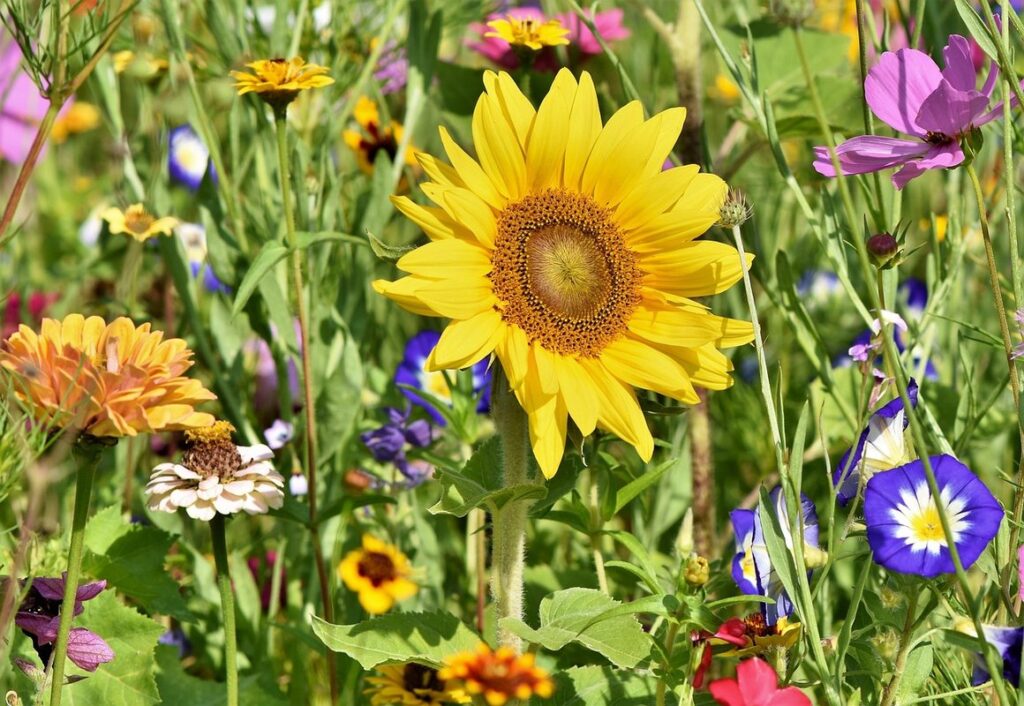
Choosing the Perfect Location
When it comes to creating a thriving garden bed, selecting the right location is crucial. You’ll want to choose a spot that receives the perfect balance of sunlight and shade.
Understanding Sunlight Requirements
When it comes to starting a garden bed, one of the most critical factors to consider is sunlight. Different types of plants have varying sunlight requirements, and choosing a location that provides optimal sunlight can make all the difference between a thriving garden and a struggling one.
To determine the right amount of sunlight for your plants, start by researching their specific needs. For example, vegetables like tomatoes and peppers require at least 6 hours of direct sunlight per day, while herbs like basil and mint can thrive in partial shade (4-5 hours of indirect sunlight). On the other hand, some flowers like roses and dahlias need full sun to produce plenty of blooms.
To choose a location that provides optimal sunlight, look for areas that receive direct sunlight for most of the day. Consider the direction your garden bed will face: south-facing gardens tend to get more sunlight than north-facing ones. Also, take into account any surrounding structures or trees that may block sunlight during certain times of day. By selecting a location with the right amount of sunlight, you’ll be well on your way to creating a vibrant and productive garden bed.
Assessing Soil Conditions
When it comes to choosing the perfect location for your garden bed, assessing soil conditions is an essential step that often gets overlooked. But don’t worry, we’ve got you covered! Testing your soil pH levels and identifying nutrient deficiencies will ensure a healthy start for your garden.
To test your soil pH levels, you can purchase a DIY soil testing kit or send a sample to a lab for analysis. Most gardens prefer a slightly acidic to neutral soil pH between 6.0-7.0. If your soil is too alkaline (high pH), it may lead to nutrient deficiencies and poor plant growth. On the other hand, if it’s too acidic (low pH), some plants might struggle to thrive.
Drainage is another critical aspect of garden bed selection. Good drainage helps prevent waterlogged soil, which can be detrimental to roots and lead to root rot. To assess drainage, simply dig a small hole in your chosen location and fill it with water. If the water drains quickly (less than 10 minutes), you’re good to go! However, if it takes longer, consider a different spot or adjust your garden bed design to accommodate better drainage.
Preparing the Site
Before you can start planting, it’s essential to prepare your site by clearing away debris and removing any existing vegetation. This simple step will give your new garden bed a clean slate.
Removing Debris and Weeds
Removing debris and weeds is one of the most critical steps when preparing a garden bed from scratch. A cluttered area can hinder growth, make maintenance more challenging, and even attract pests and diseases. To clear away debris and weeds, start by physically removing any obvious objects such as rocks, branches, or old fencing.
For weeds, consider using a combination of methods: hand-pulling, digging up their roots, or applying mulch to suppress further growth. Be thorough when removing weeds, especially the invasive types like bindweed or couch grass, as they can regrow quickly from small fragments left behind.
If you have a large area to cover or persistent weed problems, chemical treatments might be necessary. However, use these as a last resort and follow all safety guidelines carefully. Always wear protective gear, including gloves and eyewear, when using herbicides. This will minimize exposure to chemicals and prevent harm to yourself or others in the vicinity.
After clearing away debris and weeds, inspect your site for any remaining obstacles and take care of them before proceeding with further preparations.
Measuring and Marking Out the Bed
When measuring and marking out the desired garden bed size, it’s essential to consider both space constraints and plant requirements. Start by walking the area where you plan to create your garden bed, taking note of any obstacles such as trees, gardens, or buildings that may impact the bed’s dimensions.
Consider the mature size of the plants you’ll be growing and leave enough space for them to spread out comfortably. For example, a tomato plant typically grows 2-3 feet wide and tall, so allow at least 3 feet between each plant in all directions. Take into account any companion planting requirements, such as basil and tomatoes which benefit from being grown together.
To mark out the bed, use a hose or rope to create a clear boundary. Measure out the desired dimensions, using a tape measure or string line to ensure accuracy. Consider using a garden bed edging kit or mulch to define the boundaries of your new bed and prevent weed encroachment. By taking these factors into account, you can create a well-planned and functional garden bed that meets the needs of both plants and people.
Designing Your Garden Bed
Now that you’ve chosen a spot for your garden bed, it’s time to think about its design and layout. Consider factors such as sunlight, drainage, and accessibility when planning.
Selecting a Layout Pattern
When it comes to designing your garden bed, selecting the right layout pattern is crucial. This decision will not only impact the aesthetic appeal of your outdoor space but also influence the efficiency and productivity of your gardening efforts. Let’s explore three popular layout patterns: linear, square, and circular designs.
Linear layouts are ideal for long, narrow spaces or when working with a limited amount of land. They’re easy to maintain and allow for maximum sunlight penetration, making them perfect for growing vegetables or herbs that require direct sunlight. For example, consider a linear bed with raised planters along the edges for a decorative touch.
Square layouts offer versatility and make it simple to incorporate different sections within your garden bed. You can separate areas for vegetables, flowers, and herbs, ensuring each section receives the right amount of sunlight. This layout is also beneficial when working with a small space or trying out a variety of plants.
Circular designs are perfect for adding visual interest to your garden bed. They promote efficient use of space, allowing you to plant more densely than linear layouts. Moreover, circular beds encourage good air circulation and can be easily adapted to suit different plant types and sizes. For instance, you could create a central focal point with a large shrub or tree and surround it with smaller plants.
It’s essential to consider your garden bed’s specific needs and constraints when choosing a layout pattern. Evaluate the amount of sunlight your space receives, soil type, and accessibility before selecting a design that suits your lifestyle and gardening goals.
Incorporating Companion Planting
Companion planting is an age-old technique that can significantly enhance your garden’s productivity and diversity. By pairing plants with complementary growth habits, pest-repellent properties, or nutrient-dwelling capabilities, you can create a thriving ecosystem within your garden bed.
To choose compatible plants, research the specific needs of each species, such as light requirements, watering schedules, and space constraints. For example, marigolds repel nematodes that target tomatoes, while basil improves flavor and repels pests for nearby vegetables. Consider grouping tall plants like sunflowers with shorter companions to optimize space.
When implementing companion planting in your garden bed design, start by dividing the area into distinct sections based on plant families or growth habits. This allows you to create a diverse yet harmonious landscape. Next, strategically place taller plants towards the north or west to avoid shading smaller companions. Finally, add mulch and compost to maintain soil health and foster beneficial microorganisms.
By thoughtfully selecting and arranging companion plants, you can unlock new potential in your garden bed design and witness a dramatic increase in yields and biodiversity.
Soil Preparation and Conditioning
Before we start planting, it’s essential to prepare your soil for optimal growth. This involves removing debris, loosening compacted earth, and adjusting pH levels as needed.
Understanding Soil Types and Composition
When starting a garden bed from scratch, understanding the soil types and composition is crucial for optimal plant growth. Soil is made up of various minerals, organic matter, and living organisms that interact with each other to support plant life.
There are three primary soil types: clay, silt, and sand. Clay soils have high water-holding capacity but can be prone to waterlogging. Plants grown in clay soils may experience root rot if the soil is too wet for an extended period. On the other hand, sandy soils drain quickly but often require more frequent watering.
Silty soils, on the other hand, have a balanced mix of sand and clay particles, making them ideal for most gardens. They retain moisture well but allow excess water to drain freely, reducing the risk of root rot. Understanding your soil type will help you make informed decisions about how to prepare and condition it for optimal plant growth.
Keep in mind that most soils are a combination of these three types, with varying proportions of each particle size. Identifying your specific soil mix is essential to create an environment conducive to healthy plant growth.
Adding Organic Matter and Fertilizers
When it comes to creating a thriving garden bed, one of the most crucial steps is adding organic matter and fertilizers to your soil. This process, also known as “soil conditioning,” helps break down compacted dirt, improve drainage, and provide essential nutrients for plant growth.
Compost, made from decomposed vegetable scraps, yard waste, and other natural materials, is an excellent addition to any garden bed. Not only does it add valuable nutrients like nitrogen, phosphorus, and potassium, but it also attracts beneficial microorganisms that help break down toxins and diseases. A 2-inch layer of compost can make a significant difference in your soil’s fertility and structure.
Other natural additives you might consider include well-rotted manure, peat moss, or worm castings. Manure, in particular, is rich in nitrogen and phosphorus, making it an ideal fertilizer for vegetables and fruits. When adding any new material to your garden bed, be sure to mix it thoroughly with the existing soil to avoid creating a layer of “dry spot” where plants may struggle to grow.
Some popular homemade compost recipes include:
* Mixing 2/3 “brown” materials (dried leaves, straw) with 1/3 “green” materials (food scraps, grass clippings)
* Creating a worm bin using red wiggler worms and vegetable scraps
* Adding a cup of full-fat yogurt or milk to speed up the decomposition process
By incorporating these organic matter and fertilizers into your garden bed, you’ll be creating a fertile foundation for your plants to thrive.
Plant Selection and Acquisition
When it comes to creating a thriving garden, choosing the right plants is crucial. In this section, we’ll walk you through the key considerations for selecting and acquiring the perfect plants for your new bed.
Choosing Drought-Tolerant and Native Plants
When selecting plants for your garden bed, it’s essential to choose drought-tolerant and native species. These plants have adapted to the local climate and soil conditions over time, making them more resilient and easier to maintain.
Native plants, in particular, are designed to thrive in your specific region without relying on excessive water or fertilizers. They’ve co-evolved with the native insects, birds, and microorganisms that support a balanced ecosystem. For example, a study by the National Wildlife Federation found that planting native species can reduce water consumption by up to 50% compared to non-native plants.
Drought-tolerant plants, on the other hand, have evolved to survive in areas with limited water availability. They often develop deep root systems to access water deeper in the soil and store it for later use. Examples of drought-tolerant plants include succulents like aloe vera and agave, as well as shrubs like lavender and rosemary.
When selecting these types of plants, consider factors such as sunlight exposure, soil type, and moisture levels. For instance, if you live in an area with full sun and dry soil, choose drought-tolerant plants that can handle these conditions.
Understanding Seed vs. Nursery Stock
When it comes to starting a garden bed, one of the most important decisions you’ll make is whether to start from seeds or purchase nursery stock. Both options have their pros and cons, which we’ll break down below.
Starting from seeds can be cost-effective and offers a wide range of varieties to choose from. You can buy seeds in bulk and sow them directly into your garden bed, giving you complete control over the growing process. However, seedlings may take longer to mature, and there’s always a risk that they won’t germinate or grow as expected.
On the other hand, nursery stock is often more expensive, but it provides instant gratification – you can plant it directly into your garden bed and start enjoying the benefits of gardening sooner rather than later. Nursery-grown plants are also less likely to fail, as they’ve been carefully cultivated in a controlled environment.
To decide which method is best for your specific needs, consider your level of experience, available time, and desired outcome. If you’re short on time or new to gardening, nursery stock might be the way to go. However, if you enjoy experimenting with different varieties and are willing to put in the effort, starting from seeds can be a rewarding experience.
Planting and Maintenance
Now that you’ve prepared your garden bed, it’s time to start planting! This next step is crucial for setting up a thriving and low-maintenance space.
Tips for Efficient Plant Spacing
When planting your garden bed, it’s essential to consider optimal plant spacing techniques to ensure maximum growth potential and prevent overcrowding. Overcrowded plants can lead to reduced air circulation, increased disease susceptibility, and decreased yields.
A general rule of thumb is to leave about 12-18 inches between taller plants, such as tomatoes or sunflowers, to allow for adequate air circulation and sunlight penetration. For smaller plants like lettuce or herbs, you can space them 6-8 inches apart. Keep in mind that these are just rough estimates, and the ideal spacing will depend on the specific plant variety.
To give you a better idea, consider grouping your plants into categories based on their mature size. For example, place compact varieties of vegetables like bush beans or cherry tomatoes towards the front or edges of the bed, where they won’t compete with larger plants for space. As a general guideline, aim to leave about 2-3 square feet of open space between larger plants to allow for easy access and maintenance.
By following these guidelines, you can create a harmonious and thriving garden bed that showcases your handiwork.
Watering Strategies and Irrigation Systems
When it comes to watering your garden bed, using efficient irrigation methods is crucial for conserving water and reducing waste. One of the most effective ways to do this is by using drip irrigation systems. These systems deliver water directly to the roots of plants, minimizing evaporation and runoff.
Drip irrigation systems can be set up using a variety of tools, including emitters, tubing, and timers. By placing emitters near the base of each plant, you can ensure that each one receives exactly the right amount of water. This not only saves water but also reduces the risk of overwatering, which can lead to root rot and other problems.
Another option is using soaker hoses, which release water slowly along their length as they’re moved through the soil. These are particularly effective for larger areas or lawns, and can be set up with timers to make watering a breeze.
To set up an efficient irrigation system, start by mapping out your garden bed to determine where each plant will go. Then, plan your irrigation route accordingly, taking care to place emitters or soaker hoses in the right spots for optimal water delivery.
Frequently Asked Questions
What if I’m new to gardening and don’t know where to start with soil preparation?
Start by testing your soil type and pH level using a DIY kit or sending a sample to a lab for analysis. Based on the results, choose organic matter like compost or well-rotted manure to add nutrients and improve structure.
How can I adapt my garden bed design to accommodate different plant growth habits?
Consider the mature size of each plant variety and leave enough space between them for air circulation and easy maintenance. For example, tall plants like sunflowers should be placed towards the north or west to avoid shading smaller companions.
What are some common mistakes beginners make when preparing their garden beds for planting?
Don’t overlook removing debris and weeds completely, as they can compete with your new plants for water and nutrients. Also, avoid over-tilling, which can damage soil structure and disrupt beneficial microorganisms.
Can I use a pre-made garden bed kit or do I need to start from scratch?
You can use a pre-made kit if you want a quick solution, but keep in mind that it may not be tailored to your specific climate and plant choices. Consider investing in a more customizable option for better results.
How often should I water my newly planted garden bed during hot summer months?
Water deeply once or twice a week, depending on weather conditions, to encourage deep root growth and drought tolerance. Avoid frequent shallow watering, which can lead to weak roots and increased susceptibility to disease.