
Creating a stunning flower garden that thrives in your local climate is easier than you think. With a little planning, design expertise, and regular maintenance, you can turn any outdoor space into a breathtaking haven of color and beauty. Whether you’re a seasoned gardener or just starting out, learning how to select the right flowers, plants, and decorations is key to achieving that perfect display.
In this article, we’ll guide you through the process of planning, designing, and maintaining a thriving flower garden tailored to your local climate. From choosing blooms that will bloom in sync with each other, to selecting plants that thrive in your specific conditions, we’ve got expert tips to help you create a show-stopping display that brings joy and beauty to your outdoor space all year round. Get ready to transform your garden into a stunning oasis!
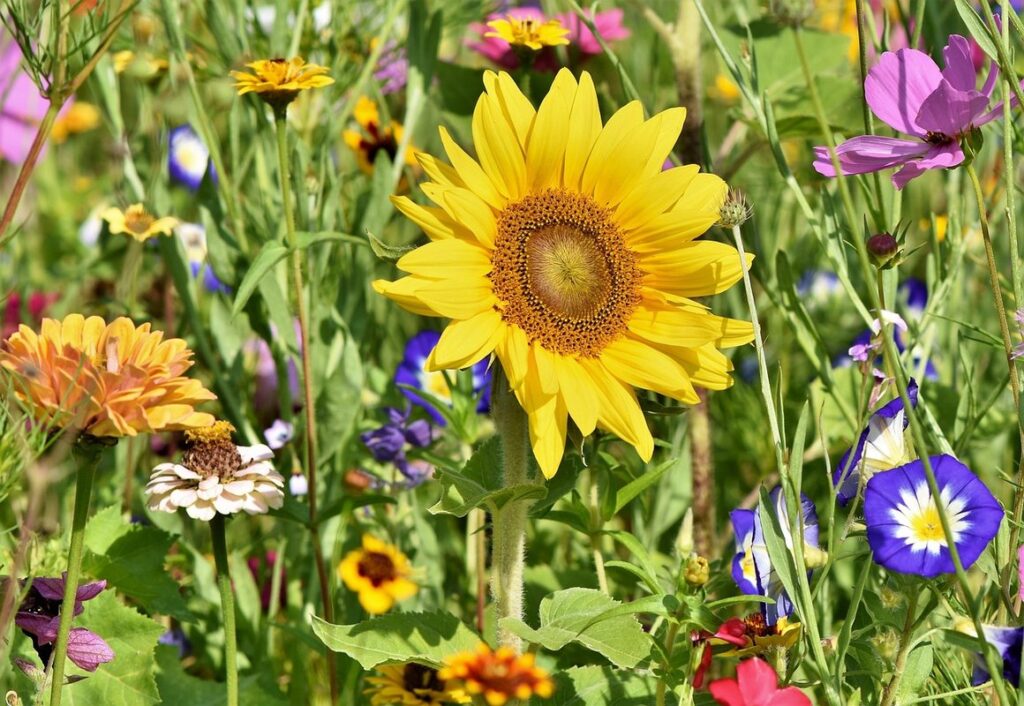
Planning Your Dream Garden
Before you start digging, take some time to think about what you want your garden to look and feel like – its style, size, and layout are crucial considerations. Let’s break down the planning process step by step.
Choosing the Perfect Location
When choosing the perfect location for your flower garden, consider three essential factors: sunlight, soil quality, and accessibility. Start by observing the area where you plan to plant your flowers. Note the amount of direct sunlight it receives throughout the day. Most flowers require at least six hours of direct sunlight to bloom beautifully.
Next, test the soil quality by digging a small hole and filling it with water. Check how quickly the water drains; if it takes too long to drain, consider installing French drains or raised beds to improve drainage. Also, check the pH level of your soil using a testing kit available at most gardening stores. Most flowers prefer slightly acidic to neutral soil (pH 6-7).
Consider the accessibility of your flower garden as well. Ensure that you can easily reach and maintain it without having to walk too far or through dense foliage. Also, keep in mind any power lines or other obstacles that could impact your ability to enjoy your garden.
When assessing potential locations, prioritize sunlight, soil quality, and accessibility to create a thriving and low-maintenance flower garden.
Considering Climate and Weather Conditions
When planning your dream garden, it’s essential to consider the local climate and weather conditions. This will help you choose flowers that thrive in your area and can withstand common weather extremes.
First, research the average temperature range and precipitation levels for your region. This information will help you select flowers that are adapted to these conditions. For example, if you live in a hot and dry desert climate, opt for drought-tolerant flowers like succulents or cacti. In contrast, areas with mild winters and cool summers can accommodate a wide variety of flowers.
Consider the four seasons and how they impact your garden. Cool-season crops like pansies and violas do well in spring and fall, while warm-season crops like sunflowers and zinnias thrive in summer. Be sure to choose flowers that bloom at different times to ensure a constant display of color throughout the year.
When selecting flowers, also think about their wind tolerance, frost sensitivity, and susceptibility to pests or diseases common in your area. By choosing flowers that are well-suited to your local climate and weather conditions, you’ll save time and resources on maintenance and enjoy a stunning and resilient garden all season long.
Budgeting and Prioritizing Your Garden
Creating a budget for your garden can be as simple as assigning a realistic dollar amount to each aspect of your design. Start by identifying essential features like the type and quantity of flowers, plants, and materials needed for construction, such as soil, mulch, and irrigation systems. Make a list of these items and research their costs to get an accurate estimate.
Next, prioritize the most important elements of your garden based on your needs and preferences. Ask yourself: What will I use my garden for? Will it be for relaxation, entertainment, or production? Where will I place the garden, and what type of climate and soil conditions can I expect?
Consider allocating 50% to 60% of your budget for plants, flowers, and materials. Another 20% should go towards installation costs like labor, tools, and equipment. Finally, allocate 10% to 15% for ongoing maintenance expenses such as fertilizers, pest control, and pruning services. By setting a realistic budget and prioritizing essential features, you can bring your stunning flower garden vision to life without breaking the bank.
To give you an idea of how much you might need, consider this example: A small 10×10 foot bed with a mix of annuals and perennials could cost anywhere from $500 to $1,000.
Designing Your Flower Garden
When designing your flower garden, consider the style and theme you want to achieve, as well as the space constraints and sunlight patterns of your yard. This will guide your layout decisions and plant selections.
Selecting a Color Scheme and Theme
Choosing a color scheme and theme for your flower garden is an exciting part of the design process. It’s essential to select a palette that complements your surroundings while reflecting your personal style. Start by observing the colors present in your garden, such as the hues of nearby buildings, foliage, and flowers. Consider the natural lighting conditions and how they will affect the appearance of your blooms.
For a cohesive look, limit your color scheme to 3-5 main colors. You can choose adjacent colors on the color wheel for a harmonious palette or select contrasting colors to create visual interest. For example, pairing blue and orange creates a bold, eye-catching combination. Consider the style of your home and garden to ensure the theme aligns with it.
Consider adding texture and pattern to add depth to your design. Incorporate different shapes, sizes, and growth habits of plants to create visual variety. Some popular theme styles include cottage gardens, Japanese-inspired designs, or modern minimalist schemes. Ultimately, select a color scheme that reflects your personality and makes you happy, as it will be a reflection of your garden’s unique character.
Incorporating Different Plant Types and Textures
When designing your flower garden, it’s essential to incorporate different plant types and textures to create visual interest and depth. Start by considering the three main categories of plants: annuals, perennials, and shrubs.
Annuals are perfect for adding a pop of color and texture to your garden, but they only bloom for a season before dying off. Perennials, on the other hand, come back year after year and often provide structure and foliage throughout the growing season. Shrubs offer a more substantial framework for your garden, providing shape and structure.
In terms of textures, combine smooth plants like succulents or grasses with ruffled or variegated ones like roses or hostas. This contrast will create visual tension and make your garden more engaging. Consider layering different textures to achieve a sense of depth: plant tall shrubs in the back, medium-sized perennials in the middle, and shorter annuals or succulents in the front.
To incorporate these elements effectively, start by selecting plants that complement each other in terms of texture, growth habit, and bloom time. Group similar plants together to create a cohesive look, but also be sure to mix them up to avoid monotony. By combining different plant types and textures, you’ll create a stunning flower garden that’s full of life and interest.
Adding Water Features and Decorations
Incorporating water features and decorative elements can take your flower garden to the next level. Not only do they add visual appeal, but they also create a soothing ambiance that invites relaxation and contemplation.
When it comes to water features, ponds are a popular choice for their calming effect and ability to attract wildlife such as birds and butterflies. Consider adding a small pond with a fountain or waterfall feature to create a sense of serenity. Alternatively, you could opt for a shallow stream or a meandering brook that winds its way through the garden.
Decorative elements can also be used to enhance the beauty and functionality of your flower garden. Statues, benches, and trellises are all great options to consider. For example, a beautiful statue of a garden fairy or a pair of swans can add a touch of whimsy, while a bench provides a cozy spot for reading or relaxation. Trellises, on the other hand, offer support for climbing plants like roses or clematis.
When selecting decorative elements, remember to choose items that complement your garden’s style and theme. Consider the color palette, texture, and overall aesthetic you want to achieve before making your final selection.
Plant Selection and Acquisition
When it comes to creating a stunning flower garden, choosing the right plants is crucial. In this section, we’ll explore the best flowers to select for your garden’s climate and conditions.
Understanding Flower Types and Characteristics
When it comes to creating a stunning flower garden, understanding the different types of flowers and their characteristics is crucial. Let’s start by exploring some popular categories.
Tropical flowers are known for their vibrant colors and exotic blooms. These plants thrive in warm climates and require well-draining soil. Examples include hibiscus, bird of paradise, and heliconia. They add a tropical flair to any garden, but be aware that they can grow quite large, so provide plenty of space.
Wildflowers, on the other hand, are perfect for creating a natural, effortless look. They’re easy to care for and come in a variety of colors. Consider planting native wildflowers or those suitable for your region’s climate. These flowers attract pollinators and add a whimsical touch to your garden.
Roses are classic choices that offer a timeless elegance. With over 150 species, there’s a rose for every taste and preference. They require regular maintenance, including pruning and fertilizing. However, the reward is well worth the effort – stunning blooms all season long.
When selecting flowers for your garden, remember to consider factors like climate, soil type, and sunlight requirements. This will help ensure that your chosen plants thrive and add beauty to your space.
Selecting Flowers That Thrive in Your Climate
Choosing flowers that thrive in your local climate is crucial for creating a stunning and low-maintenance flower garden. To do this, you’ll need to consider the temperature fluctuations, rainfall patterns, and pest/disease commonalities specific to your region.
Start by researching the hardiness zone of your area, which indicates the average annual extreme minimum temperature. This will help you narrow down your flower selection to those that can tolerate temperatures within a certain range. For example, if you live in USDA Hardiness Zone 5, look for flowers that thrive in zones 4-6.
Consider the typical weather patterns in your region as well. If you experience intense sunlight or heavy rainfall, choose flowers that are tolerant of these conditions. For instance, if you’re in a hot and dry climate, succulents like agave or yucca will be more suitable than delicate blooms like peonies or hydrangeas.
By selecting flowers that can withstand common pests and diseases in your area, you’ll reduce the need for pesticides and other chemicals. Research which insects or diseases are prevalent in your region and choose flowers with natural resistance to these issues. This will also save you time and money in the long run.
Acquiring Healthy Plants from Reputable Sources
When it comes to creating a stunning flower garden, selecting healthy plants is crucial for its success. However, not all nurseries and retailers are created equal. To ensure you’re getting the best quality plants for your garden, it’s essential to know where to buy them.
Firstly, consider visiting local nurseries or plant shops in your area. These establishments typically source their plants from reputable growers and often have knowledgeable staff who can offer expert advice on plant care. You’ll also get to see the plants in person before purchasing, which is a big advantage over buying online.
Online retailers can be a convenient option, but make sure to research the company thoroughly and read reviews from other customers. Look for nurseries that are members of industry associations like the National Nursery & Greenhouse Association (NNGA), as this indicates they adhere to high standards of quality and sustainability.
When purchasing plants at local plant sales or auctions, inspect them carefully before buying. Check for signs of pests, diseases, and nutrient deficiencies. Ask the seller about the plant’s origin, growing conditions, and any specific care requirements.
In addition, consider shopping during off-peak seasons when nurseries may offer discounts on leftover stock. This can be a great way to acquire healthy plants at a lower cost while also reducing waste.
Garden Maintenance and Care
Regular garden maintenance is essential for keeping your flower garden looking its best, from pruning dead flowers to watering efficiently. We’ll walk you through these crucial care tips next.
Watering and Irrigation Strategies
When it comes to watering and irrigation strategies for your flower garden, there are several effective techniques to keep in mind. Drip irrigation systems, for example, deliver water directly to the roots of plants, reducing evaporation and runoff. This method is particularly useful for plants with deep root systems or those that prefer well-drained soil.
Another option is soaker hoses, which slowly release water along their length, providing a gentle soaking for your flowers. These hoses are often more efficient than sprinkler systems, as they deliver water directly to the soil where it’s needed most.
To prevent overwatering and underwatering, pay attention to the specific watering needs of each plant species in your garden. Water thoroughly when the top 2-3 inches of soil feels dry to the touch, but avoid getting leaves wet to minimize disease risk. Mulching around plants can also help retain moisture in the soil while reducing water loss through evaporation.
By implementing these effective watering techniques and monitoring your plants’ needs, you’ll be well on your way to creating a thriving and beautiful flower garden.
Fertilizing and Pruning for Optimal Growth
When it comes to creating a stunning flower garden, fertilizing and pruning are essential steps that cannot be overlooked. These practices not only promote healthy plant growth but also encourage blooming flowers and lush foliage.
To begin with, fertilizers play a crucial role in providing the necessary nutrients for your plants’ growth. There are two primary types of fertilizers: organic and synthetic. Organic fertilizers, such as compost or manure, release their nutrients slowly over time, promoting long-term plant health. Synthetic fertilizers, on the other hand, provide quick results but can harm the environment if not used responsibly.
As for pruning techniques, they serve several purposes – removing dead branches, shaping plants, and promoting new growth. Prune your flowers in the right season to encourage blooming. For example, prune spring-flowering bulbs after they finish blooming in summer, while late-summer bloomers should be pruned in early spring.
In terms of practical advice, start by using a balanced fertilizer during planting to give your plants an initial boost. Consider compost tea as an alternative, which allows you to use less synthetic fertilizers and promote soil health. Prune no more than one-third of the plant’s growth each time to avoid shocking it. Timing is also crucial: prune after blooming for perennials, or when the stems become leggy for annuals.
Dealing with Pests and Diseases
As you tend to your stunning flower garden, it’s essential to be aware of common pests and diseases that can damage your beautiful blooms. Aphids, whiteflies, and spider mites are notorious for sucking the sap from plants, causing curled or distorted leaves. To prevent these pesky insects, introduce beneficial insects like ladybugs, lacewings, or parasitic wasps into your garden.
To control aphid populations naturally, use neem oil or horticultural soap as a spray on affected areas. For fungal diseases such as powdery mildew or root rot, maintain good air circulation around plants and water carefully to avoid over-saturating soil. Remove any infected leaves or stems immediately to prevent the disease from spreading.
Some common flower garden diseases include black spot (roses), leaf curl (stone fruits), and petal blight (peonies). To treat these conditions, apply a fungicide based on sulfur, copper, or bicarbonate, following the product’s instructions carefully. For example, spraying a mixture of 1 tablespoon baking soda per gallon of water on affected areas can help control fungal growth.
Final Touches: Tips for a Stunning Display
Now that you’ve planted and nurtured your beautiful flowers, it’s time to add some finishing touches to create a truly breathtaking display. Let’s discuss the final details to bring your garden to life.
Adding Mulch and Compost for Soil Health
Using mulch and compost is an essential step in creating a stunning flower garden. Not only do they add visual appeal to your garden beds, but they also play a crucial role in maintaining soil health. By incorporating these two natural materials into your gardening routine, you can improve the structure and fertility of your soil, resulting in healthier plants and a more vibrant display.
Mulch helps retain moisture in the soil, reducing the need for frequent watering and minimizing soil erosion. It also suppresses weeds that compete with your flowers for nutrients, allowing them to thrive. Organic mulches like wood chips or bark can be replenished annually, providing ongoing benefits. Compost, on the other hand, enriches the soil by adding beneficial microbes and nutrients. By mixing it into the top 6-8 inches of soil, you can improve drainage and aeration, creating an ideal environment for roots to grow.
To get started, aim to add at least 2-3 inches of mulch around your plants, keeping it a few inches away from their stems. You can also mix in compost at a ratio of 1:10 with existing soil, working it into the top layers before planting new flowers. Regularly replenishing and maintaining these natural materials will have a profound impact on your flower garden’s overall health and appearance.
Incorporating Seasonal Plants and Decorations
As you near the completion of your stunning flower garden, it’s time to add the final touches that will make it truly unforgettable. One way to achieve this is by incorporating seasonal plants and decorations that will create a visually appealing display throughout the year.
Start by selecting plants that thrive in different seasons. For example, bulbs like tulips and daffodils bloom beautifully in the spring, while perennials like coneflowers and black-eyed Susans provide vibrant colors during the summer months. Consider adding some fall-blooming plants like chrysanthemums or asters to add a pop of color in the autumn.
To complement your seasonal plants, incorporate decorations that reflect the changing seasons. Twinkling lights can create a magical ambiance in the evening, while garden ornaments like sundials or birdbaths can add a touch of whimsy. Don’t be afraid to experiment and combine different textures and colors to create a unique look. For instance, pair delicate glass ornaments with natural stone accents for a beautiful contrast.
Remember, it’s all about balance – don’t overdo it with too many decorations, as this can detract from the beauty of your plants. A few well-placed accessories can make all the difference in creating a stunning display that will be enjoyed throughout the year.
Frequently Asked Questions
What are some essential tools I need to get started with designing my flower garden?
You’ll want to have a few basic gardening tools on hand, including a trowel or small shovel for planting, pruning shears for trimming back overgrown plants, and a measuring tape for ensuring accurate spacing between flowers. Don’t forget a good pair of gloves to protect your hands from thorns and prickly stems.
How do I know which type of mulch is best for my flower garden?
The type of mulch you choose will depend on your specific climate and the types of plants you’re growing. For example, if you live in an area with high heat or dry soil, organic mulches like wood chips or bark can help retain moisture and regulate temperature. In cooler climates, inorganic options like gravel or decorative stone may be a better choice.
Can I mix different flower varieties in the same bed, or should they be kept separate?
Mixing and matching different flower varieties can add visual interest to your garden, but be mindful of their growth habits and bloom times to avoid overcrowding. Consider grouping plants with similar needs and growth patterns together, such as sun-lovers alongside shade-tolerant varieties.
How often should I water my newly planted flowers during hot summer months?
Newly planted flowers will require more frequent watering during their first growing season, especially in hot climates. Aim to provide about 1-2 inches of water per week, either from rainfall or irrigation. Water deeply but infrequently to encourage deep root growth and make your plants more drought-resistant.
What’s the best way to deal with pests and diseases that affect my flower garden?
Prevention is key when it comes to dealing with pests and diseases in your garden. Use physical barriers like fine mesh or row covers to keep insects at bay, and practice good sanitation techniques by removing weeds and debris. For more serious issues, consider using organic pest control methods like neem oil or diatomaceous earth to minimize harm to beneficial insects.