
Creating a wildlife-friendly backyard garden is not only beneficial for local ecosystems, but also enhances your outdoor space in ways you never thought possible. As you gaze out at your yard, imagine it teeming with life – birds flitting between flowers, bees buzzing from bloom to bloom, and butterflies dancing through the air. This vision isn’t just a fantasy; it’s a reality waiting to happen. With our comprehensive guide to wildlife-friendly gardening, you’ll learn how to attract pollinators, provide food, shelter, and habitat for various species, and create a thriving haven in your own backyard. From selecting native plants to designing a wildlife-friendly landscape, we’ll cover everything you need to know to transform your outdoor space into a haven for local wildlife.
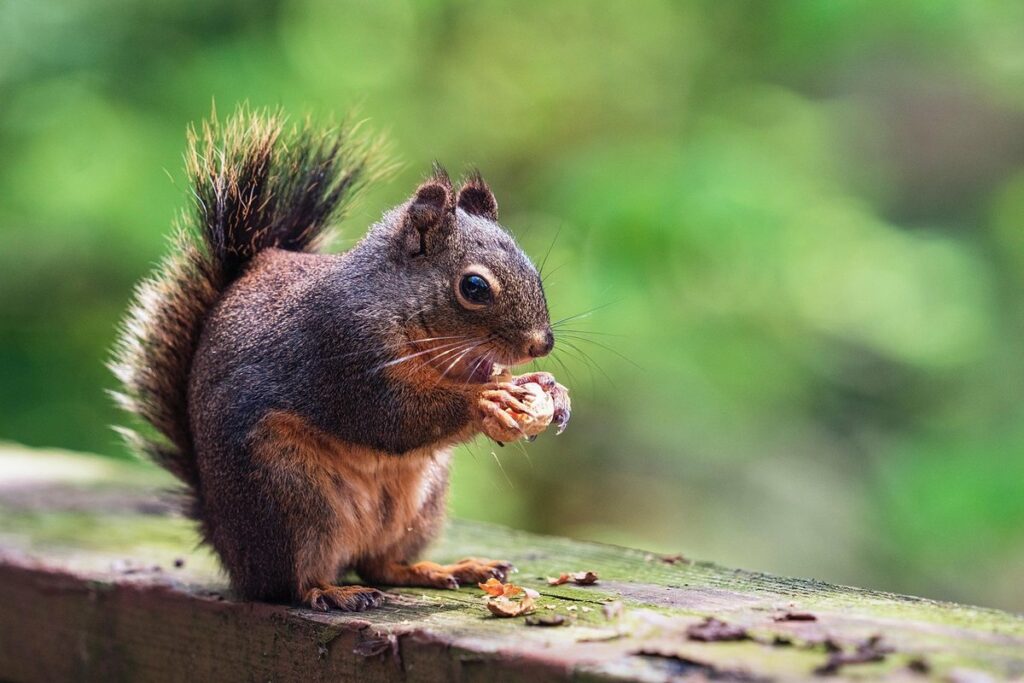
Creating a Haven for Local Wildlife
As you work towards creating a wildlife-friendly oasis, let’s focus on designing areas that will attract and sustain local wildlife year-round. This includes thoughtful placement of features like water sources and shelter.
Attracting Pollinators and Beneficial Insects
Attracting pollinators and beneficial insects to your garden is crucial for its health and biodiversity. These tiny creatures play a vital role in maintaining ecosystem balance by transferring pollen between plants, facilitating seed production, and controlling pest populations.
To attract pollinators like bees, butterflies, and hummingbirds, incorporate a variety of plants that provide nectar, pollen, or host sites into your garden design. Focus on native species, as they tend to be more attractive to local pollinator populations than non-native alternatives. Some effective options include lavender, coneflower, and black-eyed Susan.
Beneficial insects like ladybugs and lacewings are also essential for maintaining a balanced ecosystem. These natural predators feed on pests that might otherwise damage your plants, reducing the need for chemical pesticides. To entice beneficial insects to your garden, create a diverse landscape with a mix of herbaceous perennials, shrubs, and trees.
Some specific tips include:
* Plant a variety of flowers in a range from spring to fall to provide a constant source of nectar.
* Incorporate native grasses or wildflowers that serve as host sites for beneficial insects.
* Avoid using pesticides, which can harm pollinators and beneficial insects. Instead, adopt integrated pest management techniques that rely on natural methods to control pests.
By incorporating these strategies into your garden design, you’ll not only create a haven for local wildlife but also contribute to the overall health of your ecosystem.
Choosing Native Plants for Your Region
When choosing plants for your wildlife-friendly backyard garden, selecting native species is crucial. Native plants have co-evolved with local wildlife over thousands of years, providing the perfect food, shelter, and habitat for specific animal species.
To select the right native plants for your region, research the types of plants that are indigenous to your area. You can consult with local nurseries, gardening clubs, or online resources such as the US Department of Agriculture’s Plant Database or the Lady Bird Johnson Wildflower Center’s Native Plant Database. These resources will provide you with a list of native plant species suitable for your region.
When selecting plants, consider the specific needs of local wildlife species, such as birds, bees, butterflies, and small mammals. For example, if you want to attract hummingbirds, choose plants like trumpet vine, bee balm, or coral bells that are rich in nectar and pollen. Similarly, if you want to provide shelter for rabbits, consider planting native shrubs like cedar or juniper.
Remember, even with native plants, it’s essential to plant a variety of species to attract a range of wildlife. Aim for a diverse mix of plants that provide food, water, and shelter throughout the year. By selecting the right native plants, you’ll create a haven for local wildlife in your backyard garden.
Designing a Wildlife-Friendly Garden Layout
When designing a wildlife-friendly garden layout, it’s essential to create habitats that cater to the specific needs of various species, from birds and bees to butterflies and beneficial insects. This section will guide you through creating such spaces.
Incorporating Water Features and Ponds
When it comes to designing a wildlife-friendly garden layout, incorporating water features is crucial for attracting and supporting local wildlife. Water sources are essential for birds, bees, butterflies, and other creatures that visit your garden.
Ponds, in particular, offer numerous benefits for wildlife. They provide a constant source of fresh water, which is vital for drinking, bathing, and breeding. A well-designed pond can also become a haven for aquatic life such as frogs, toads, and fish. To create a thriving pond ecosystem, remember to include plants that attract pollinators and other beneficial insects.
When designing your pond, consider the size and shape of the area available. Choose a location with good sunlight and accessibility for maintenance. Ensure you include a shallow area for small creatures to enter and exit the water easily. Regularly maintain your pond by cleaning it, controlling algae growth, and introducing beneficial bacteria to balance the ecosystem.
Some practical tips for incorporating ponds into your wildlife-friendly garden include using natural materials like stone or wood to create a habitat that blends seamlessly with its surroundings. Avoid using harsh chemicals or over-maintenance practices that might harm local wildlife.
Maximizing Space with Vertical Gardening
When it comes to designing a wildlife-friendly garden layout, making the most of your space is crucial. One way to do this is by incorporating vertical gardening techniques that not only maximize space but also provide habitats for local wildlife.
Consider using trellises or arbors to support climbing plants like clematis, honeysuckle, and ivy, which will attract pollinators and birds alike. These structures can be placed near a sunny wall or fence to create a warm microclimate that’s perfect for plant growth. Wall-mounted planters are another great option, allowing you to grow herbs, succulents, or flowers in small spaces.
When selecting plants for vertical gardening, choose species that provide nectar-rich blooms, berries, or seeds, which will attract bees, butterflies, and birds. Consider incorporating native plants, as they’ll require less maintenance and be more appealing to local wildlife. By using vertical gardening techniques, you can create a lush oasis in even the smallest of spaces, providing a haven for wildlife and enhancing your garden’s biodiversity.
Providing Food and Shelter for Wildlife
As you strive to create a wildlife-friendly haven, let’s focus on providing essential resources: food and shelter that will attract diverse species to your backyard garden. This includes tips on installing birdhouses and feeding stations safely.
Incorporating Birdhouses and Nesting Boxes
Providing food and shelter for wildlife is crucial to creating a thriving ecosystem in your backyard garden. One effective way to do this is by incorporating birdhouses and nesting boxes specifically designed for various species. Before building, research the types of birds that frequent your area and choose designs tailored to their needs.
For example, bluebirds prefer shallow nesting boxes with entrance holes about 1.5 inches in diameter, while robins require larger boxes with 2.5-3 inch openings. Consider installing a few different styles to cater to various species. When selecting materials, opt for untreated wood or recycled plastic to ensure the structures are safe and durable.
Some essential features to include in your birdhouses and nesting boxes are:
• A roof or overhang to protect from weather elements
• Perches or ledges near the entrance holes for birds to land on while entering
• A removable roof or back panel for easy cleaning and maintenance
When installing, position birdhouses and nesting boxes 3-10 feet off the ground, facing east to southeast to provide warmth with morning sun. Avoid placing them near predator-attracting features like pet food dishes or water sources. By providing these essential structures, you’ll be creating a welcoming haven for local wildlife in your backyard garden.
Creating a Butterfly-Friendly Garden with Host Plants
Creating a butterfly-friendly garden with host plants is an excellent way to attract these beautiful creatures and provide them with the necessary resources for survival. Different butterfly species have specific preferences when it comes to food sources, so selecting the right host plants is crucial.
For example, the Monarch butterfly requires milkweed (Asclepias spp.) as its primary host plant, while the Swallowtail butterfly favors plants in the carrot family (Apiaceae), such as fennel and dill. To cater to multiple species, consider incorporating a variety of plants into your garden. This not only provides food sources but also creates a diverse landscape that attracts different types of butterflies.
When choosing host plants, ensure they are suitable for your region’s climate and provide adequate shelter from harsh weather conditions. Incorporate native plants or those with similar growth habits to create a sense of security for the butterflies. For instance, planting a group of lavender shrubs can provide protection from wind and rain while also offering nectar-rich flowers.
Some other tips to keep in mind include:
* Plant host-specific species at different stages of maturity to accommodate various butterfly life cycles
* Incorporate native plants that have evolved alongside local butterfly populations
* Avoid using pesticides, which can harm or even kill butterflies
Maintaining Your Wildlife-Friendly Garden
Now that you’ve created a beautiful haven for wildlife, it’s essential to maintain your garden’s natural balance and ensure its continued appeal to local creatures. Regular upkeep is key!
Seasonal Maintenance Tasks for a Thriving Ecosystem
As a wildlife-friendly garden owner, it’s essential to stay on top of seasonal maintenance tasks to ensure your garden remains healthy and welcoming for local wildlife. By incorporating these tasks into your routine, you’ll create a thriving ecosystem that attracts birds, bees, butterflies, and other beneficial creatures.
Spring Maintenance (March to May)
* Prune shrubs and trees in late winter or early spring to promote new growth and prevent disease.
* Weed regularly to control invasive species and prevent competition for water and nutrients.
* Fertilize plants with a balanced, organic fertilizer to encourage healthy growth and flowering.
Summer Maintenance (June to August)
* Mulch around plants to retain moisture and suppress weeds.
* Deadhead flowers to promote continued blooming and attract pollinators.
* Monitor for pests and diseases, taking action promptly to prevent damage.
By performing these seasonal maintenance tasks, you’ll create a garden that’s not only beautiful but also beneficial for local wildlife. Remember to tailor your approach to the specific needs of your plants and climate. Happy gardening!
Managing Pests and Diseases without Harmful Chemicals
When it comes to maintaining a wildlife-friendly garden, using chemical pesticides and fertilizers can have devastating consequences on both plants and animals. That’s why it’s essential to adopt organic pest control methods and natural disease management techniques that prioritize the health of all living creatures.
Start by building a diverse ecosystem in your garden, which will naturally attract beneficial insects like ladybugs and lacewings that prey on common pests. Encourage these beneficial insects by planting a variety of flowers that provide nectar and shelter, such as marigolds, calendulas, and dill. You can also introduce natural predators like birds, frogs, or toads that feed on pest populations.
For organic pest control methods, try using neem oil, which is derived from the seeds of the neem tree and has natural insecticidal properties. Mix it with water according to the label instructions and spray it directly on affected plants. You can also use diatomaceous earth, a non-toxic powder made from fossilized algae that dehydrates pests.
For disease management, practice good garden hygiene by removing weeds, pruning infected plants, and improving air circulation. Use natural fungicides like baking soda or garlic solution to prevent fungal diseases. By adopting these organic methods, you’ll not only protect your wildlife-friendly garden but also create a haven for biodiversity.
Monitoring and Enjoying Your Wildlife-Friendly Garden
As you’ve set up your wildlife-friendly garden, it’s time to sit back and enjoy the fruits of your labor – literally! Here’s how to make the most of your new backyard ecosystem.
Identifying and Tracking Local Species
Identifying and tracking local species is an essential part of creating a thriving wildlife-friendly garden. To start, familiarize yourself with field guides specific to your region. These guides will help you identify plants, animals, and insects that are native to your area and likely to visit your garden.
When using field guides, pay attention to the descriptions of animal behavior, habitats, and diet. This information will help you recognize signs of local species in your garden, such as bird nests or squirrel trails. Keep a notebook or use a wildlife tracking app to record observations and note any patterns or changes in visitor activity over time.
Observe animal behavior closely – note the times of day when different species are active, what food sources they prefer, and how they interact with each other and their surroundings. This knowledge will enable you to tailor your garden design and maintenance to meet the needs of local wildlife, creating a haven that supports biodiversity and attracts an array of species throughout the year.
For example, if you notice that birds are attracted to a particular type of seed or berry bush, consider incorporating more plants with similar characteristics into your garden. By observing and tracking local species, you’ll be able to create a more welcoming environment for wildlife in your backyard garden.
Creating a Peaceful Outdoor Space for Relaxation and Connection
Creating a peaceful outdoor space that encourages relaxation and connection with nature is essential for fully appreciating your wildlife-friendly garden. To achieve this, start by incorporating seating areas where you can sit back and enjoy the sights and sounds of nature. Consider installing a bench or a hammock under a shaded area to provide relief from the sun.
Another crucial element is creating a sense of observation by incorporating wildlife viewing platforms or bird-watching stations. These structures allow you to get up close and personal with the wildlife visiting your garden, fostering a deeper connection with nature. Add some comfortable cushions and pillows to make these areas even more inviting.
You can also incorporate natural elements like a pond or a water feature to create a soothing atmosphere. The gentle sound of running water is known to reduce stress levels, making it an ideal addition to your peaceful outdoor space. By incorporating these elements, you’ll be able to fully unwind and connect with the beauty of nature in your wildlife-friendly garden.
Frequently Asked Questions
How do I choose the right native plants for my specific region?
Native plants are essential for attracting local wildlife, but selecting the right ones can be overwhelming. To ensure you’re choosing plants that thrive in your area, consult with local nurseries, gardening clubs, or your county extension office. They can provide expert advice on which species will perform well in your climate and soil conditions.
Can I use pesticides in my wildlife-friendly garden?
No, using pesticides in a wildlife-friendly garden is counterintuitive. These chemicals harm the very creatures you’re trying to attract, including pollinators and beneficial insects. Instead, adopt integrated pest management techniques that focus on natural methods for controlling pests, such as introducing beneficial nematodes or hand-picking aphids.
How do I maintain my wildlife-friendly garden during extreme weather conditions?
Extreme weather events like droughts, floods, or heatwaves can impact your garden’s health and biodiversity. To mitigate these effects, ensure your plants are adapted to local climate fluctuations, implement water-saving measures (like rainwater harvesting), and provide supplemental shade for sensitive species.
Can I combine a wildlife-friendly garden with other design styles?
Yes, you can integrate a wildlife-friendly garden into any design style or theme. Whether modern, rustic, or traditional, choose plants that complement your aesthetic while still providing habitat and sustenance for local wildlife.
How do I know which birds will be attracted to my birdhouse?
Identify the types of birds native to your area by consulting with local birding clubs or using online resources like eBird. Select birdhouses designed for species specific to your region, taking into account their nesting habits, preferred nesting sites, and size requirements.