
Growing lettuce in a greenhouse can be a fantastic way to produce fresh, crisp greens year-round. But did you know that timing is everything when it comes to maximizing your yields and minimizing losses? A well-planned timeline for your lettuce crop is crucial to ensure optimal growth, flavor, and texture. From climate control and variety selection to pest and disease prevention, every factor plays a vital role in the success of your greenhouse-grown lettuce. In this article, we’ll break down the essential elements of planning and optimizing your lettuce growing timeline, including expert tips on crop cycle management and how to choose the perfect varieties for your greenhouse conditions. By following our advice, you’ll be able to plan a thriving and productive lettuce crop that brings you a high return on investment.
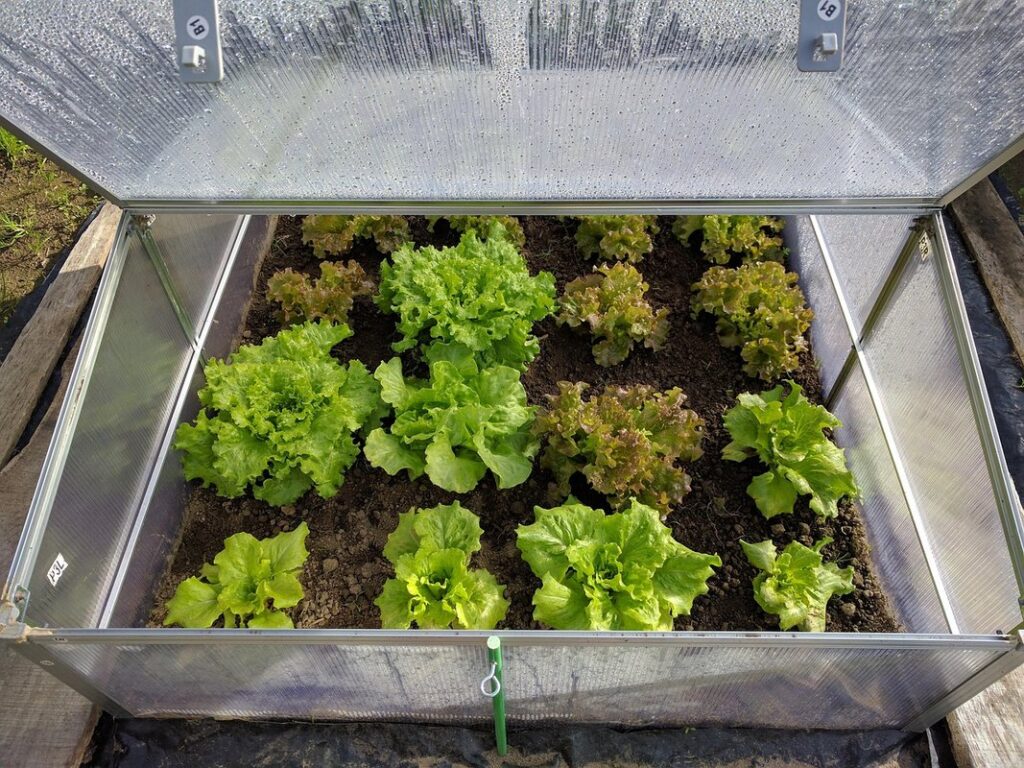
Understanding the Basics of Greenhouse Lettuce Production
To grow high-quality lettuce in a greenhouse, you need to understand the basics of production, including factors like temperature, humidity, and light requirements. This foundational knowledge is essential for a successful growing timeline.
Climate Control for Optimal Growth
Climate control is the backbone of successful greenhouse lettuce production. To create an optimal environment for growth, it’s essential to understand the delicate balance between temperature, humidity, and light exposure. Lettuce plants thrive within a narrow temperature range: 65°F to 75°F (18°C to 24°C) during the day and no lower than 55°F (13°C) at night. Consistent temperatures help regulate plant growth, prevent bolting, and minimize disease susceptibility.
Maintaining optimal humidity levels is equally crucial. Lettuce plants prefer a humid environment, typically between 40% to 60% relative humidity. However, be cautious not to overwater, as this can lead to fungal diseases. Monitor greenhouse humidity levels closely and adjust irrigation schedules accordingly.
Light exposure also plays a critical role in lettuce growth. Greenhouses often experience varying light intensities throughout the day due to cloud cover or shading. Provide supplemental lighting, such as LED grow lights, if necessary, to ensure adequate photosynthesis during periods of low natural light. By carefully managing temperature, humidity, and light, you’ll create an optimal climate for your greenhouse lettuce crop to flourish.
Soil Preparation and Nutrient Management
When it comes to creating a successful lettuce growing timeline in a greenhouse, soil preparation and nutrient management play a critical role. Lettuce is a crop that thrives in well-draining, fertile soils with a balanced pH level.
To prepare the soil for lettuce production, start by testing its pH level and adjusting it as necessary. Most lettuce varieties prefer a slightly acidic to neutral soil pH between 6.0 and 7.0. If your greenhouse soil has a higher pH, add elemental sulfur or aluminum sulfate to lower it. Conversely, if the pH is too low, add limestone to raise it.
Fertilization is also crucial for healthy lettuce growth. Use a balanced fertilizer with an N-P-K ratio of 10-10-10, and apply it at a rate of 1-2 pounds per 100 square feet. You can also consider using compost tea or fish emulsion as alternative fertilizers. In terms of irrigation techniques, aim to provide your lettuce plants with about 20-25 gallons of water per day. Monitor the soil moisture regularly and adjust your watering schedule accordingly to prevent overwatering. By implementing these best practices for soil preparation and nutrient management, you’ll be well on your way to creating a successful lettuce growing timeline in your greenhouse.
Planning Your Lettuce Growing Timeline
To grow lettuce successfully in a greenhouse, it’s essential to plan your growing schedule carefully. This section will walk you through creating a tailored timeline for optimal harvests.
Determining the Right Variety for Your Greenhouse
Choosing the right lettuce variety for your greenhouse is crucial to ensure a successful harvest. Since you’ll be growing lettuce indoors, consider the unique conditions within your greenhouse. Factors such as temperature, humidity, and light intensity will impact growth rates and yields.
To determine the best variety for your climate, research lettuce types suitable for year-round production in greenhouses. For example, loose-leaf varieties like ‘Red Leaf’ or ‘Green Leaf’ are ideal for greenhouses with temperatures between 60°F to 70°F (15°C to 21°C). These varieties mature quickly, within 40 to 50 days, and can thrive in a wide range of lighting conditions.
If you have a warm greenhouse, look into heading lettuce varieties like ‘Buttercrunch’ or ‘Green Tower’. These types require warmer temperatures, above 70°F (21°C), and take about 60 to 70 days to mature. Consider the specific needs of each variety to ensure optimal growth within your greenhouse environment.
Keep in mind that some lettuce varieties are more resistant to pests and diseases than others. Research and choose varieties with built-in resistance or consider using organic pest control methods to maintain a healthy crop.
Calculating Crop Cycle Duration
Calculating crop cycle duration is crucial when planning your lettuce growing timeline in a greenhouse. Several factors influence the length of each growth stage, from germination to harvest. Understanding these variables will enable you to accurately predict and manage your crops’ development.
The growth stages include germination, seedling establishment, heading formation, and bolting (when the plant produces seeds). The duration of each phase can be influenced by environmental conditions such as temperature, light exposure, watering schedules, and CO2 levels. For instance, cooler temperatures between 60-70°F (15-21°C) typically slow down growth rates compared to warmer temperatures.
Desired yield also impacts crop cycle duration. If you aim for a high-yielding harvest, plants may be grown more densely, leading to slightly shorter cycle times due to increased competition and stress from neighboring leaves. Conversely, optimizing growing conditions for optimal flavor and quality can extend the cycle by 1-2 weeks.
To accurately estimate your lettuce crop cycle, consider factors such as lettuce variety, expected yield, environmental conditions, and desired outcome. Consult data on specific lettuce varieties’ growth rates under different greenhouse settings to ensure precise planning.
Key Milestones in Lettuce Growth
As you plan and manage your greenhouse, understanding key milestones is crucial for optimizing lettuce growth. Here are the critical points to watch out for during each stage of development.
Germination (Days 1-5)
The germination phase is one of the most critical periods for lettuce growth. It’s during these first five days that seeds begin to sprout and develop their root system. To ensure optimal conditions for germination, it’s essential to provide a suitable environment for the seeds.
Temperature plays a crucial role in seed germination. Most lettuce varieties require temperatures between 60°F to 70°F (15°C to 21°C) for successful germination. Avoid placing the seeds near heating or cooling vents, as temperature fluctuations can be detrimental to the seeds’ development.
Maintain high humidity during this period by covering the growing trays with a clear plastic lid or a cloche. This will help prevent moisture loss and ensure that the seeds have adequate water for sprouting.
Check the seedlings daily for signs of germination. You should start to see visible growth within 3-5 days after sowing. Remove any dead or weak seedlings at this stage to promote healthy competition among the remaining plants.
Seedling Establishment (Days 6-14)
Between days 6-14, your lettuce seedlings will need careful attention to establish a strong foundation for future growth. One of the most critical tasks during this period is providing adequate light. Make sure your seedlings are receiving the right amount of supplemental lighting to promote healthy leaf development.
Watering should be done with precision, aiming for the soil to stay consistently moist but not waterlogged. A good rule of thumb is to check the moisture level daily and adjust as needed. Avoid overwatering, which can lead to root rot and other problems.
Another essential practice during this phase is controlling temperature fluctuations. Keep your greenhouse between 60-70°F (15-21°C) for optimal growth. Sudden changes in temperature can shock the seedlings and hinder development.
Additionally, ensure good air circulation within the greenhouse by opening vents or using fans to prevent fungal diseases from taking hold. By attending to these needs, you’ll be providing your lettuce seedlings with a solid foundation for future growth and productivity.
Managing Pests and Diseases
To ensure a thriving lettuce crop, it’s essential to monitor for pests and diseases that can quickly spread in a greenhouse environment, causing significant damage. Regular checks are key to early intervention and treatment.
Common Greenhouse Pests Affecting Lettuce
Lettuce grown in greenhouses is susceptible to various pests that can significantly impact its growth and quality. Among these common pests are aphids, whiteflies, and spider mites. These tiny insects feed on the sap of lettuce leaves, causing curled or distorted leaves and reduced plant growth.
To identify these pests, look for sticky honeydew droplets on the leaves, eggs attached to the underside of leaves, or actual insects flying around the plants. Regular monitoring is crucial to catch infestations early on. For aphid control, introduce natural predators like ladybugs or lacewings into the greenhouse. For more severe infestations, use insecticidal soap or neem oil as a treatment.
For whiteflies and spider mites, use yellow traps or sticky cards placed near affected plants to monitor their populations. Regularly rinse leaves with water to remove eggs and larvae. Integrated pest management (IPM) strategies emphasize preventing infestations through good hygiene practices, such as removing weeds that may harbor pests, using physical barriers to prevent entry points, and maintaining optimal greenhouse temperatures and humidity levels.
Incorporate these methods into your lettuce growing timeline by scheduling regular inspections every week and taking swift action when necessary. This proactive approach will help minimize pest damage and ensure a bountiful harvest of healthy, crisp lettuce leaves.
Disease Prevention and Treatment
To minimize the risk of disease outbreaks and ensure the health of your lettuce crop, it’s essential to implement preventive measures from the beginning. Regularly inspect your greenhouse for potential sources of moisture, such as condensation on walls or floors, which can encourage fungal growth.
Maintain proper air circulation by adjusting ventilation systems and using fans to circulate air between crops. Remove any debris or infested plants immediately to prevent the spread of pests and diseases.
Monitor temperature fluctuations closely, aiming to maintain a consistent range between 60°F to 70°F (15°C to 21°C), as sudden changes can compromise your lettuce’s immune system. Fertilize with balanced nutrient solutions at regular intervals, avoiding over-fertilization that can lead to weakened plant defenses.
Implement crop rotation strategies by growing different types of crops in the same area to avoid depleting nutrients and promoting soil-borne pathogens. Treat affected plants promptly with fungicides or bactericides specifically designed for greenhouse use, following label instructions carefully.
Optimizing Harvest Yields
To maximize your greenhouse lettuce harvest, let’s explore ways to optimize yields by controlling factors like temperature, watering, and nutrient supply. This will help you achieve consistent results.
Monitoring Growth Progress and Adjusting as Needed
As you track your lettuce plants’ progress throughout their growth cycle, it’s essential to regularly monitor and adjust growing conditions to ensure optimal yields. This means keeping a close eye on factors like temperature, humidity, light exposure, and nutrient levels.
Start by setting up a regular monitoring schedule, checking on your plants every 1-2 weeks to assess their growth stage. Look for signs of stress, such as yellowing leaves or slow growth rates, which may indicate the need for adjustments in temperature, watering, or fertilization. Make note of any changes you make and track the effects over time.
Some key metrics to monitor include:
• Temperature fluctuations (optimal range 60-75°F/15-24°C)
• Humidity levels (maintain between 40-70%)
• Light exposure (ensure consistent, balanced spectrum)
Keep a detailed record of these parameters and your observations. This will help you identify patterns and make data-driven decisions about adjustments. By closely monitoring growth progress and adapting to changing conditions, you’ll be better equipped to support your lettuce crop’s full potential, maximizing yields and ensuring a successful harvest in your greenhouse.
Post-Harvest Handling and Storage
Proper post-harvest handling and storage are crucial to maintaining the quality of your greenhouse-grown lettuce. When harvesting lettuce, it’s essential to handle the leaves with care to avoid bruising or damaging them. This can lead to spoilage and a shorter shelf life.
To minimize damage, gently remove the leaves from the plant, taking care not to tear or rip them. Harvest in the cooler part of the day to reduce moisture loss and prevent dehydration.
After harvesting, store the lettuce in a cool, dry place with good air circulation. The ideal temperature for storing lettuce is between 32°F and 40°F (0°C and 4°C). Avoid exposing it to direct sunlight or heat sources.
For longer-term storage, consider using airtight containers or bags that maintain humidity levels. Store the containers in a cool area, away from direct sunlight. Regularly inspect your stored lettuce for signs of spoilage, such as wilting or sliminess. Remove any affected leaves promptly to prevent further contamination and ensure the remaining lettuce remains fresh.
By following these guidelines, you can extend the shelf life of your harvested lettuce and keep it fresh for a longer period.
Conclusion and Future Considerations
Now that you’ve learned how to create a successful lettuce growing timeline, let’s take a step back and consider what comes next for your greenhouse-growing endeavors.
Recap of Key Takeaways
As we come to the end of this journey into creating a successful lettuce growing timeline in a greenhouse, let’s take a moment to recap the key takeaways from our discussion. We’ve covered the essential considerations for creating an effective growing schedule that optimizes yields and minimizes risks.
Firstly, understanding the specific needs of your lettuce crop is crucial. This includes knowing its optimal temperature range (typically between 60-70°F), humidity requirements, and light exposure needs. By tailoring your timeline to these factors, you can create an environment that promotes healthy growth.
We also discussed the importance of planning ahead and considering the unique challenges posed by a greenhouse setting. This included factors such as maintaining consistent temperatures, managing irrigation systems, and preventing pests and diseases. A well-designed growing schedule will account for these considerations and provide contingency plans for any unexpected setbacks.
In addition to understanding your crop’s needs and planning for environmental factors, we emphasized the importance of monitoring and adjusting your timeline regularly. This involves tracking temperature fluctuations, monitoring growth rates, and making adjustments as necessary to ensure optimal yields.
To put these principles into practice, consider implementing a “calendar-based” approach to scheduling. This involves mapping out specific tasks and events on a calendar, such as planting dates, pruning schedules, and harvest times. By doing so, you’ll be able to visualize your growing timeline and make informed decisions about when to take action.
By following these key takeaways and tailoring them to your specific greenhouse environment, you’ll be well on your way to creating a successful lettuce growing timeline that yields optimal results.
Frequently Asked Questions
Can I use the same greenhouse timeline for all types of lettuce?
Different varieties of lettuce have unique growth rates and requirements. To maximize yields, you should tailor your growing timeline to the specific needs of each variety. For example, loose-leaf lettuce tends to mature faster than romaine or buttercrunch. Research the ideal climate control settings, soil preparation, and crop cycle duration for each type of lettuce you plan to grow.
How often should I monitor temperature fluctuations in my greenhouse?
Temperature variations can significantly impact lettuce growth. It’s essential to keep a close eye on your greenhouse’s climate control system, particularly during extreme weather conditions or when introducing new plants. Monitor temperature fluctuations at least twice daily, and make adjustments as needed to maintain the optimal 65°F to 75°F (18°C to 24°C) range for lettuce growth.
What if I notice pests affecting my lettuce crop before harvest?
Early detection is crucial in preventing pest damage. If you spot any signs of common greenhouse pests like aphids or whiteflies, take immediate action by adjusting your climate control settings to prevent infestations from spreading. Implement integrated pest management strategies that combine physical barriers, biological controls, and cultural practices to minimize losses.
Can I reuse the same soil for multiple lettuce crops?
To maintain optimal growth and flavor, it’s recommended to use fresh potting mix for each crop cycle. Reusing soil can lead to nutrient depletion and increased risk of diseases. Consider implementing a crop rotation plan to reduce soil-borne pathogens and ensure consistent yields.
How do I adjust my growing timeline during seasonal transitions or extreme weather events?
Seasonal changes and weather extremes can impact greenhouse conditions, affecting lettuce growth. Be prepared to adapt your growing timeline by closely monitoring climate forecasts and adjusting temperature settings, irrigation schedules, and pest management strategies as needed to mitigate potential losses and maintain optimal yields.