
As the holidays approach, our outdoor spaces can become a bit dull and lackluster. But why not transform your yard into a fragrant and festive wonderland with a stunning holiday mix herb garden? Not only will it add a pop of color and aroma to your curb appeal, but you’ll also have an endless supply of fresh herbs to use in delicious recipes throughout the season. Choosing the right combination of herbs is key, so let’s dive into the best varieties for a holiday mix, how to plant and care for them, and some creative ways to use them in cooking and decorating. In this comprehensive guide, we’ll take you through every step of creating your own magical holiday herb garden, from planning to harvesting and enjoying the fruits of your labor.
Choosing the Right Herbs for Your Holiday Mix
When selecting herbs for your holiday mix garden, it’s essential to choose a variety that complements each other in terms of flavor and texture. Consider classic combinations like rosemary and thyme or experiment with unique pairings.
Selecting Seasonal and Fragrant Herbs
When selecting herbs for your holiday mix garden, it’s essential to choose varieties that are in season during the holiday period. Not only will this ensure a steady supply of fresh herbs, but it also supports local farmers and reduces carbon footprint. Consider incorporating seasonal herbs like sage, rosemary, and thyme into your mix.
Fragrant herbs add an extra layer of festivity to your garden and can be used in a variety of holiday recipes. Rosemary, with its piney aroma, is perfect for stuffing and roasted meats, while thyme’s earthy scent pairs well with soups and stews. Oregano, another fragrant favorite, complements the flavors of Mediterranean dishes like spanakopita.
To maximize the fragrance of your herbs, consider using a combination of different varieties in your mix. For example, pair rosemary with sweet marjoram for a unique and aromatic blend. When choosing fragrant herbs, remember to also consider their growth habits and requirements to ensure they thrive in your garden conditions. By selecting seasonal and fragrant herbs, you’ll not only create a beautiful holiday display but also have an abundance of fresh flavors at your fingertips.
Considering Color and Texture Variations
Incorporating a variety of colors and textures into your holiday mix herb garden can elevate its visual appeal and create a unique charm. When choosing herbs for your mix, consider selecting a range of plants with different foliage colors to add depth and interest.
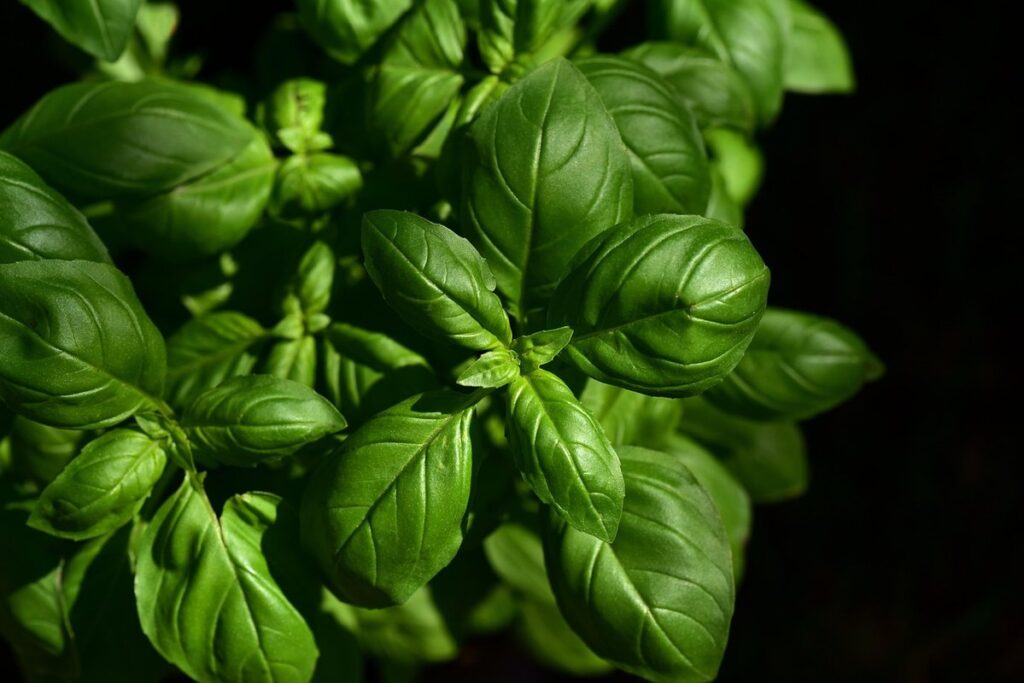
For example, you could pair bright green herbs like parsley and basil with deeper green ones like rosemary and thyme. Adding some purple or pink hues with lavender or violas will not only provide contrast but also create a festive atmosphere. Consider the textures as well – combine smooth-leaved herbs like mint and oregano with ones that have more rugged leaves, such as sage and chamomile.
To achieve this visual variety, choose 3-5 herb varieties for your mix and select one or two with larger leaves to provide contrast to smaller-leaved herbs. Plant them in a staggered pattern, rather than a uniform layout, to create a visually appealing and dynamic display. This will add a pop of color and texture to your garden that will be sure to impress visitors during the holiday season.
Planning Your Holiday Mix Herb Garden Layout
To create a visually appealing and harmonious layout, you’ll want to consider the mature sizes of your herbs and how they can be grouped together effectively. Think vertically!
Designing a Functional and Aesthetic Space
When designing a functional and aesthetic space for your holiday mix herb garden, it’s essential to consider several factors that ensure optimal growth and accessibility. First, assess the sunlight pattern in your chosen location. Most herbs require at least 4-6 hours of direct sunlight daily, so position them accordingly.
Next, think about watering efficiency. A drip irrigation system or a large container with built-in water reservoirs can save time and reduce waste. For example, basil and mint prefer consistently moist soil, while rosemary and thyme thrive in drier conditions. Plan your layout to accommodate these varying needs.
Also, prioritize accessibility by grouping herbs according to their growth habits and usage. Place frequently used herbs like parsley and cilantro near the cooking area, while allowing for easy passage between rows. Finally, leave enough space (about 12-18 inches) between plants for air circulation and future pruning.
To maximize your holiday mix herb garden’s potential, consider a layout that balances aesthetics with functionality. This will not only make maintenance easier but also ensure the health and productivity of your plants.
Incorporating Decorative Elements and Accessories
Incorporating decorative elements and accessories is an excellent way to add visual interest and personality to your holiday mix herb garden. Consider using planters that complement the colors and style of your home’s exterior, such as terra cotta or wooden planters. Trellises can be used to support climbing herbs like rosemary or thyme, while also adding a decorative element to your garden.
Garden ornaments like solar-powered lights, sculptures, or birdbaths can also add a festive touch to your holiday mix herb garden. Just remember to choose items that fit the style and theme of your garden, as well as any local regulations regarding outdoor decorations. For example, you could hang paper lanterns in autumnal colors or place a small sundial in a quiet corner.
When selecting decorative elements, think about how they will complement the plants and overall aesthetic of your garden. Balance is key – avoid over-accessorizing, which can detract from the beauty of your herbs. With a little creativity, you can create a visually appealing holiday mix herb garden that’s perfect for snipping fresh herbs all year round!
Preparing Your Soil and Containers for the Holiday Season
Before you start planting your holiday mix herb garden, it’s essential to prepare your soil and containers to ensure optimal growth and health of your herbs. This involves selecting the right container and getting the soil just right for a lush harvest.
Soil Preparation for Optimal Herb Growth
When preparing your soil for an optimal herb garden, it’s essential to consider three key factors: pH levels, nutrient content, and drainage. A balanced pH level between 6.0 and 7.0 is ideal for most herbs, as this range allows them to absorb nutrients efficiently. However, some herbs like rosemary and thyme prefer slightly acidic soil, while others like basil and mint prefer a more alkaline environment.
To check your soil’s pH level, you can purchase a DIY testing kit or send a sample to a lab for analysis. Based on the results, you may need to adjust the pH by adding lime to raise it or sulfur to lower it. In terms of nutrient content, herbs require a mix of macronutrients (nitrogen, phosphorus, and potassium) and micronutrients (iron, zinc, and magnesium). A general-purpose potting soil can be a good starting point, but you may need to supplement with additional fertilizers or compost.
Proper drainage is also crucial for herb growth. Make sure your containers have sufficient holes in the bottom for excess water to escape, and avoid overwatering, which can lead to root rot and other problems. By addressing these factors, you’ll create a healthy environment for your holiday mix herbs to thrive.
Choosing the Right Containers for Your Herbs
When it comes to choosing the right containers for your holiday mix herb garden, you have several options to consider. Terra cotta pots are a popular choice due to their rustic charm and ability to breathe, which helps prevent waterlogged soil. However, they can dry out quickly, requiring more frequent watering.
On the other hand, plastic planters offer better moisture retention but may lack drainage holes, leading to root rot if not properly managed. Self-watering planters are a great compromise, allowing for consistent moisture levels while minimizing the risk of overwatering.
Consider your herb’s specific needs when selecting containers. For example, herbs like mint and lemongrass prefer moist soil, making self-watering planters an excellent choice. Meanwhile, herbs like rosemary and thyme can tolerate drier conditions, making terra cotta pots a viable option. When choosing containers, also think about the overall aesthetic you want to achieve in your garden.
Ultimately, it’s essential to balance your herb’s needs with the container’s capabilities to ensure a thriving holiday mix herb garden.
Planting and Caring for Your Holiday Mix Herb Garden
Now that you have your holiday mix herb garden planted, let’s dive into the next crucial steps: planting and caring for these delicate herbs to ensure they thrive throughout the season. With proper care, your harvest will be bountiful and delicious.
Planting Techniques for Healthy Herb Growth
When planting your holiday mix herb garden, it’s essential to get it right from the start. Proper spacing, depth, and watering are crucial for healthy herb growth. To begin, choose a location with plenty of sunlight, ideally 4-6 hours of direct sunlight per day.
For optimal growth, space your herbs according to their mature size:
* Basil: 12-18 inches apart
* Rosemary: 18-24 inches apart
* Thyme: 6-9 inches apart
* Parsley: 8-12 inches apart
Plant the herb seeds or seedlings at a depth that’s 1/4 inch to 1/2 inch deeper than the potting mix. This allows for proper soil settlement and helps prevent washing away of fine roots during watering.
Watering requirements vary by herb, but most prefer well-draining soil and moderate moisture levels. Water when the top 1-2 inches of soil feels dry to the touch. Avoid overwatering, which can lead to root rot and other issues. By following these planting techniques, you’ll be on your way to a thriving holiday mix herb garden.
Tips for Maintaining a Healthy and Thriving Herb Garden
To keep your holiday mix herb garden thriving throughout the year, regular care tasks are essential. Pruning is one of the most crucial steps to maintain your herb garden’s shape and promote healthy growth. Pinch off flower buds to direct the plant’s energy towards leaf production. Use a sharp pair of scissors or pruning shears to snip off any leggy stems, making sure not to damage the surrounding leaves.
Fertilizing is another vital task that should be done regularly. A balanced fertilizer with equal amounts of nitrogen, phosphorus, and potassium will provide your herbs with the necessary nutrients for optimal growth. You can also use compost or worm castings as an alternative fertilizer option. For pest control, keep a close eye on any signs of infestation such as white powdery patches (fungal infections), aphids, or spider mites.
To prevent pests from taking over your garden, introduce beneficial insects like ladybugs or lacewings to their natural habitats. Regularly inspect your plants and immediately remove any infected leaves or stems to prevent the problem from spreading further.
Harvesting and Using Your Holiday Mix Herbs
Now that you’ve grown your holiday mix herb garden, let’s talk about harvesting and using these fragrant herbs to add flavor and festivity to your favorite dishes.
Timing and Techniques for Maximum Flavor and Aroma
When it comes to harvesting and using your holiday mix herbs, timing is everything. Harvesting at the right moment can make all the difference in terms of flavor and aroma. Generally, it’s best to harvest herbs in the morning, after the dew has evaporated but before the heat of the day sets in.
This allows you to capture the optimal amount of essential oils, which are responsible for that herbaceous scent and flavor. For example, basil is typically at its peak flavor when harvested just before noon, while rosemary can be picked at any time of day without losing much potency.
To store your freshly harvested herbs, tie them in small bunches and hang them upside down in a warm, dry place. You can also trim the leaves from the stems, then pack them tightly into an airtight container or plastic bag and store in the fridge. This will help preserve their flavor and aroma for up to two weeks.
It’s also worth noting that some herbs, like parsley and cilantro, are best used fresh, as they lose their potency quickly when dried or frozen.
Incorporating Your Homegrown Herbs into Holiday Recipes
As you’re enjoying the fruits of your labor from your holiday mix herb garden, it’s time to get creative with incorporating these fresh flavors into your holiday recipes. The possibilities are endless, and we’re excited to share some ideas to inspire you.
Consider using your homegrown herbs as a garnish for festive dishes like roasted turkey or prime rib. A sprig of fragrant rosemary adds a rustic touch, while a sprig of bright green thyme provides a pop of color. You can also use them in marinades and sauces to add depth of flavor to your holiday cooking.
For a unique twist on traditional stuffing, try infusing it with the sweetness of herbs like sage or parsley. Simply chop the herbs finely and mix them into the bread mixture before baking. The aroma that fills your kitchen will be a sure conversation starter!
Some other creative ways to use your homegrown herbs include making herb-infused oils and vinegars, using them in soups and stews, or even adding them to your holiday cocktails for an extra layer of flavor. Experiment with different combinations to find the perfect pairing for your favorite recipes.
Troubleshooting Common Issues in Your Holiday Mix Herb Garden
Even the most enthusiastic gardeners can run into problems, so let’s tackle common issues that might arise in your holiday mix herb garden. From pests to poor growth, we’ll troubleshoot the tricky parts together.
Identifying and Resolving Problems with Soil, Water, and Pests
Identifying and resolving problems with soil, water, and pests is crucial to maintaining a thriving holiday mix herb garden. Overwatering can lead to root rot and nutrient deficiencies, while underwatering causes wilting and decreased yields. To prevent these issues, check the moisture levels by sticking your finger into the soil up to the knuckle. If it feels dry, it’s time for watering.
Underwatering is equally detrimental, so ensure you water your plants regularly, especially during hot spells. A general rule of thumb is to provide about 1-2 inches of water per week through rainfall or irrigation.
Pest infestations are another common problem, particularly with aphids, whiteflies, and spider mites. To control these pests, inspect your plants regularly for signs of damage, such as curled leaves or sticky substance on the stems. Use neem oil or insecticidal soap to repel them. For severe infestations, consider introducing beneficial insects like ladybugs or lacewings that prey on the pests.
Keep in mind that prevention is always better than treatment. Healthy plants with good air circulation and adequate nutrients are less susceptible to pest issues.
Adapting to Changing Weather Conditions and Seasonal Challenges
As you tend to your holiday mix herb garden, it’s essential to be prepared for changing weather conditions and seasonal challenges. One of the most significant factors affecting your herbs is temperature fluctuations. During the winter months, many herb varieties will go dormant or die back, but some hardy varieties like rosemary, thyme, and sage can tolerate light frosts.
To adapt your garden to cold temperatures, consider bringing potted herbs indoors or moving them to a protected area with good ventilation. You can also mulch around the plants to insulate the soil and prevent frost damage. In the summer, be mindful of scorching heatwaves that can cause herbs like mint and basil to bolt or become discolored.
Monitor weather forecasts to prepare for extreme weather conditions. Bring in sensitive varieties on hot days or provide shade using umbrellas or trellises. Regularly inspect your plants for signs of stress, such as yellowing leaves or wilting stems, and take prompt action to address any issues that arise.
Conclusion: Enjoying Your Holiday Mix Herb Garden All Year Round
Now that you’ve planted and nurtured your holiday mix herb garden, it’s time to enjoy the fruits of your labor. With a little creativity, you can use your herbs in a variety of dishes throughout the year. Consider making pesto with your basil and parsley in the summer, or using rosemary and thyme to add flavor to roasted meats during the winter months. You can also dry or freeze your herbs to preserve them for future use.
To get the most out of your holiday mix herb garden, be sure to harvest regularly and prune back any leggy stems. This will encourage new growth and prevent the plants from flowering prematurely. With a bit of maintenance, you’ll be enjoying fresh, flavorful herbs all year round.
Frequently Asked Questions
Can I use a pre-made herb mix or create my own unique combination?
While you can purchase pre-made herb mixes, creating your own unique combination allows for greater customization to your specific needs and preferences. Consider the flavors and aromas you want to incorporate into your holiday decor and recipes when selecting herbs for your garden.
How do I ensure my holiday mix herb garden is pest- and disease-free?
To minimize the risk of pests and diseases, make sure to inspect your plants regularly and address any issues promptly. Use organic pest control methods whenever possible, and practice good hygiene by cleaning your hands and tools before handling your herbs. Additionally, rotate your containers seasonally to avoid overwintering pests.
What’s the best way to store my harvested herbs for maximum flavor and aroma?
To preserve the flavor and aroma of your harvested herbs, make sure to dry or freeze them promptly after harvesting. Air-drying is a simple method that can be done by tying the stems together in small bunches and hanging them upside down in a warm, dry location. For longer-term storage, consider freezing individual leaves or branches in airtight containers.
How often should I water my holiday mix herb garden during the winter months?
Winter watering requirements depend on the specific herbs you’re growing and the local climate. As a general rule of thumb, reduce watering to once every 1-2 weeks during the winter months when most herbs are dormant or growing more slowly. Be sure to check the soil moisture by inserting your finger into the soil up to the first knuckle.
Can I incorporate edible flowers into my holiday mix herb garden?
Yes! Many fragrant and flavorful herbs like rosemary, thyme, and oregano can also be used as a garnish or incorporated into salads. Consider adding edible flowers like violas, pansies, or nasturtiums to your mix for an extra pop of color and whimsy. Just make sure to choose varieties that are safe for consumption and follow proper harvesting and handling techniques.