
The joy of gardening can quickly turn into frustration when deer wander into your yard, munching on your prized flowers. If you’re tired of seeing your beautiful blooms ravaged by these unwelcome visitors, it’s time to learn how to create a deer-proof flower garden. A well-designed and maintained garden can not only withstand the occasional deer encounter but also thrive despite them. In this comprehensive guide, we’ll walk you through the process of selecting plants that deer tend to avoid, choosing effective fencing options, and utilizing repellents to keep these pesky critters at bay. By following our expert advice on plant selection, fencing, and repellents, you can create a stunning flower garden that remains intact even when surrounded by deer. Let’s get started on designing your very own deer-proof haven!
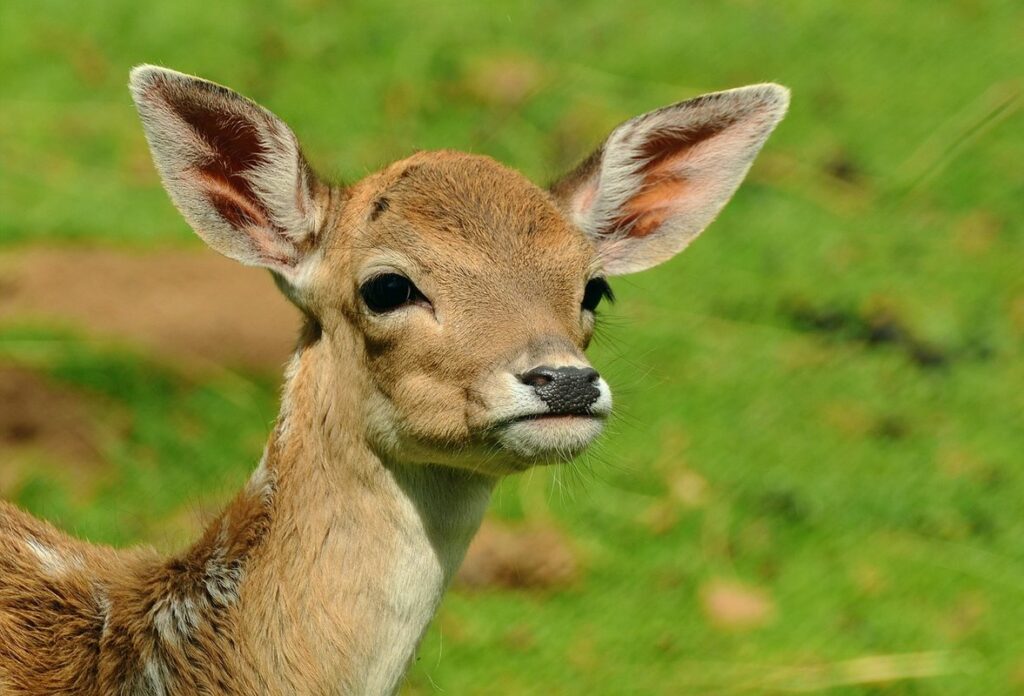
Understanding Deer Behavior and Habitat
To keep those pesky deer out of your garden, it’s essential to understand their behavior and habitat preferences, so you can tailor your defense strategy accordingly.
The Role of Food in Deer Migration
When it comes to attracting deer to our gardens, food is often the primary motivator. These majestic creatures are drawn to areas with abundant vegetation, and unfortunately for us gardeners, this includes many of our favorite flowers. Deer tend to gravitate towards plants that are high in nutrients and low in fiber, making them easy to digest.
In particular, deer have a weakness for flowering plants like tulips, daffodils, and daylilies, as well as shrubs like rhododendrons and azaleas. These plants offer not only sustenance but also shelter from harsh weather conditions and predators. By understanding which plants are most attractive to deer, we can take steps to protect our gardens.
Some practical advice includes planting deer-resistant flowers and shrubs, such as lavender, rosemary, and boxwood, alongside your more vulnerable plants. This will help deter the deer from feeding on your prized blooms. Additionally, consider using physical barriers like fencing or mesh to block access to sensitive areas of your garden.
Understanding Deer Habitat and Patterns
Understanding deer behavior and habitat is crucial to creating an effective deer-proof flower garden. Deer navigate their surroundings using a combination of visual cues, such as the shape and size of plants, and olfactory signals, like scents emitted by certain flowers or vegetation.
Factors that influence deer behavior include food availability, predator presence, and terrain complexity. For example, if your garden is located near a water source or offers an easy escape route, it may be more appealing to deer. Similarly, gardens with a diverse array of plants that provide both food and shelter will attract deer more readily than those with sparse vegetation.
When assessing the potential attractiveness of your garden to deer, consider the following:
* Avoid planting deer favorites like hostas, daylilies, and azaleas.
* Incorporate plants with strong scents or spiny leaves that deter grazing.
* Leave some areas of your garden unmanicured, providing cover for deer to escape predators.
Identifying High-Risk Areas for Deer Damage
When it comes to identifying high-risk areas for deer damage in your flower garden, understanding their behavior and habitat preferences is crucial. Deer tend to congregate around water sources, such as ponds, birdbaths, or even pet water dishes, making these areas prime targets for feeding and drinking. Look out for any standing water or moist soil, as these attractants can draw deer into your garden.
Additionally, deer often frequent areas with dense vegetation, including shrubs, trees, and perennials. Tall grasses and weeds also provide cover and shelter, making them appealing to deer during mating season or when seeking refuge from harsh weather. Areas near woodland edges or transition zones between open fields and forests are particularly vulnerable to deer damage.
To mitigate this risk, consider relocating water sources or hiding them from view using camouflage or fencing. Prune back dense vegetation, especially in high-risk areas, to reduce the deer’s shelter and feeding opportunities. Regularly inspect your garden for signs of deer activity, such as tracks, droppings, or chewed plants, and take prompt action to deter them before damage occurs.
Selecting Deer-Resistant Plants
When choosing deer-resistant plants for your garden, it’s essential to select varieties that are truly unappealing to deer, as some plants may still attract these pests. Let’s explore the best options together.
Choosing the Right Flower Varieties
When choosing flowers for your deer-resistant garden, it’s essential to select varieties that are less appealing to these hungry animals. Deer tend to avoid plants with strong scents or unpalatable tastes, so opt for blooms that fit this description.
Consider incorporating flowers like lavender, rosemary, and coneflower into your garden. These species have robust fragrances that deer often find overwhelming. For example, the pungent scent of lavender can deter deer from feeding on nearby plants. Similarly, coneflowers’ bitter taste makes them an unappealing snack for deer.
Other options include daffodils, which contain a toxic compound called lycorine that’s unpalatable to deer, and hyacinth bulbs, which are known to be distasteful to these animals. When selecting flower varieties, also consider their growth habits and sizes to ensure they fit your garden layout.
Ultimately, combining different plants with strong scents or unpalatable tastes will create a more effective deer-deterrent garden.
Incorporating Native Plants into Your Garden
Native plants have evolved alongside local wildlife, including deer, and as such, they’ve developed co-evolutionary relationships that make them less appealing to deer. This means that incorporating native plants into your garden can be a great way to deter deer damage.
When choosing native plants, consider the specific region you live in and select species that are well-suited to your local climate and soil conditions. For example, if you’re gardening in the eastern United States, look for plants like black-eyed susans, coneflowers, and bee balm – these are all natural choices for a deer-resistant garden.
Native plants also tend to require less maintenance than non-native varieties, which is another bonus for busy gardeners. They’re often more disease- and pest-resistant, too, thanks to their co-evolved relationships with local microorganisms. To make the most of native plants in your garden, plant them in groups rather than as isolated specimens – this will help to create a more cohesive, deer-deterrent landscape.
Some popular native options for a deer-resistant garden include:
• Purple coneflower (Echinacea purpurea)
• Butterfly milkweed (Asclepias tuberosa)
• Ironweed (Vernonia spp.)
These plants are not only beautiful but also provide valuable food and shelter for local wildlife – including birds, bees, and butterflies.
Creating a Diverse and Resilient Plant Palette
When it comes to creating a deer-resistant garden, one of the most effective strategies is to cultivate a diverse and resilient plant palette. This means combining multiple species with different characteristics to create a robust and unappealing landscape for deer.
For example, pairing plants with bitter or toxic foliage, such as lavender or yarrow, with those that are rich in fragrance or have an unpleasant taste, like rosemary or sage, can be an effective deterrent. Adding some ornamental grasses or shrubs that offer structural interest but are unpalatable to deer, like Russian sage or burning bush, can further enhance the garden’s resilience.
Consider the following tips when selecting plants for your diverse and resilient plant palette:
* Choose a mix of annuals and perennials to ensure year-round interest and a constantly changing landscape.
* Incorporate plants with different growth habits, such as groundcovers, climbers, and shrubs, to create layers of depth and texture.
* Select species that are native to your region or have similar growing conditions to minimize maintenance and maximize success.
Designing and Building a Deer-Proof Garden
Now that we’ve discussed deer-resistant plants, let’s focus on designing and building a garden that will keep those pesky critters out for good. This section covers the essential steps to create a deer-proof flower garden.
Fencing Options for Deer Control
When it comes to designing and building a deer-proof garden, one of the most critical components is fencing. Not only does it need to be effective at keeping deer out, but also durable enough to withstand various weather conditions and potentially harsh treatment by these curious animals.
For maximum effectiveness, consider using sturdy materials such as wood (pressure-treated or naturally rot-resistant options), metal, or high-density plastic. Vinyl-coated wire is another popular choice due to its affordability and ease of installation.
When selecting a fencing material, size and installation requirements are also crucial considerations. For small gardens, a 3-foot-high fence may be sufficient, while larger spaces might require higher fencing (typically 6 feet or more) to prevent jumping. Installation must also take into account the type of soil and terrain – uneven ground can make it difficult for deer to navigate and jump over fences.
Remember that some materials are better suited to specific environments – metal fencing is ideal for areas with high levels of moisture, while wooden options work well in dry climates. When planning your fence design, factor in both durability and aesthetic appeal to create a beautiful and functional barrier against these unwanted garden visitors.
Using Repellents and Deterrents Effectively
When it comes to designing and building a deer-proof garden, using repellents and deterrents can be an effective way to discourage deer from entering your flower garden. Commercial repellents are available in various forms, including sprays, granules, and powders, and they often contain active ingredients like predator urine, hot peppers, or capsaicin. However, it’s essential to choose a repellent that contains the right combination of ingredients for your specific deer problem.
If you’re looking for more environmentally friendly alternatives, consider making your own homemade repellents using common household items. For example, you can mix equal parts water and hot sauce in a spray bottle and apply it directly to plants or around the perimeter of your garden. Another option is to use human hair, garlic, or soap bars as deterrents.
Remember that repellents are most effective when used consistently and in combination with other deer-deterrent strategies. Always follow label instructions and take necessary precautions to avoid skin irritation or other adverse reactions.
Integrating Physical Barriers with Plant Selection
When designing and building a deer-proof garden, it’s essential to consider both physical barriers and plant selection. However, these two components should not be treated as separate entities but rather integrated into a multi-layered defense system.
Start by understanding the specific needs of your garden and the types of deer you’re dealing with. Deer have different preferences for certain plants, so selecting species that are known to repel them can make a significant difference. For example, deer tend to avoid plants with strong scents or tastes, such as lavender, rosemary, and daffodils.
At the same time, incorporating physical barriers like fencing, netting, or trellises can help deter deer from entering your garden. Consider using a combination of these methods to create a robust defense system. For instance, you could surround your most prized plants with a fence, while leaving some areas more accessible to deer to encourage them to visit other parts of the garden.
Remember that no single method is foolproof, so combining physical barriers with deer-resistant plant selection will provide a more effective solution for protecting your garden.
Maintenance and Upkeep
Now that you’ve set up a deer-proof flower garden, it’s essential to maintain its beauty and effectiveness over time. This section will cover simple yet crucial tasks for keeping your garden thriving.
Regularly Monitoring Your Garden for Damage
Regular monitoring of your garden is crucial to detect potential damage caused by deer and take prompt action. As soon as you notice any signs of damage, such as nibbled leaves or stems, act quickly to prevent further harm.
Start by checking your garden regularly, ideally every 2-3 days during peak deer seasons (spring and fall). Inspect each plant thoroughly, looking for signs of chewing, browsing, or other forms of damage. Keep an eye out for droppings, which can indicate a larger deer population nearby.
If you notice any damage, assess the severity and take corrective action immediately. This may involve fencing off affected areas, using repellents, or replacing damaged plants with deer-resistant alternatives. For example, if you catch a deer nibbling on your prized rose bush, consider moving it to an area inaccessible to deer or installing physical barriers like netting or row covers.
Timely intervention can save your plants and prevent further damage, ensuring the continued health and beauty of your deer-proof flower garden.
Adjusting Strategies Based on Seasonal Changes
As you tend to your deer-proof flower garden, it’s essential to recognize that seasonal changes can significantly impact the behavior of these curious creatures. During different times of the year, deer may exhibit varying levels of interest in your garden, necessitating adjustments to your strategies.
For instance, during spring and summer months when plants are lush and tender, deer may be more frequent visitors to your garden, seeking out succulent shoots and leaves. In this case, you may need to reinforce your fencing or consider adding additional barriers to protect vulnerable areas. Conversely, in the fall and winter when plant growth slows down, deer may lose interest in your garden, but they may still seek shelter in your yard.
To effectively adjust your strategies based on seasonal changes, keep a close eye on local weather patterns and plant growth. Monitor your garden regularly for signs of deer activity, such as nibbled plants or tracks leading to specific areas. By being responsive to these changes, you can maintain an effective deer-proofing system that protects your beautiful flower garden all year round.
Ongoing Plant Care and Renewal
Maintaining a healthy and deer-deterrent flower garden requires ongoing care and renewal. As plants mature and lose their potency, it’s essential to replace them with new ones that will continue to repel deer. To achieve this, we recommend rotating your plants every 2-3 years. This process involves removing the old plants, adding fresh soil, and planting new species that are known to be unappealing to deer.
When selecting new plants, choose those with strong scents or bitter tastes that deer tend to avoid, such as lavender, rosemary, or daffodils. Consider also incorporating plants with thorns or prickly leaves like holly or yucca. To ensure continued effectiveness, focus on replacing a percentage of your garden each season rather than trying to replace everything at once.
To maximize the lifespan of your plants, follow best practices such as regular watering, pruning, and fertilization. Keep an eye out for signs of stress or disease in your plants, addressing any issues promptly to prevent deer from targeting weak specimens. By implementing these strategies, you’ll be able to maintain a thriving and deer-deterrent flower garden all year round.
Frequently Asked Questions
What if I have a small garden or limited space to create a deer-proof haven?
If you have limited space, focus on selecting high-value plants that are resistant to deer damage. Consider grouping these plants together and using physical barriers like fencing to protect them. You can also use repellents specifically designed for smaller gardens.
How do I know which types of fencing are most effective for my garden size and type?
When choosing a fence, consider the size and shape of your garden, as well as any local building regulations or zoning restrictions. For larger gardens, consider using wooden or metal fences that can be 8 feet tall to effectively deter deer. Smaller gardens may benefit from more decorative fencing options.
Can I use natural repellents in combination with other methods for maximum effectiveness?
Yes! Natural repellents like hot pepper sprays and predator urine granules can be used in conjunction with physical barriers and plant selection to create a multi-layered defense system. Be sure to choose a variety of repellents that address different senses (smell, taste, sight) for optimal results.
How do I adjust my deer-proof strategy as the seasons change?
Seasonal changes require adjustments to your deer-proofing strategy. For example, during spring and fall, deer may be more active due to mating season or food scarcity. Be prepared to increase repellent applications or reinforce fencing barriers during these periods.