
If you’re an avid gardener or wildlife enthusiast, you’ve likely encountered the challenges of creating a beautiful outdoor space that coexists with deer. These majestic creatures can be both a delight and a nuisance, munching on prized plants and flowers. A well-designed deer garden, however, can balance your love for nature with the need to protect your property. By incorporating wildlife-friendly features and choosing deer-resistant plants, you can create a stunning oasis that both attracts and deters these incredible animals. In this article, we’ll explore how to design and maintain a beautiful deer garden while minimizing conflicts with these amazing creatures. We’ll cover essential tips on selecting the right plants, creating a safe and welcoming space for wildlife, and more.
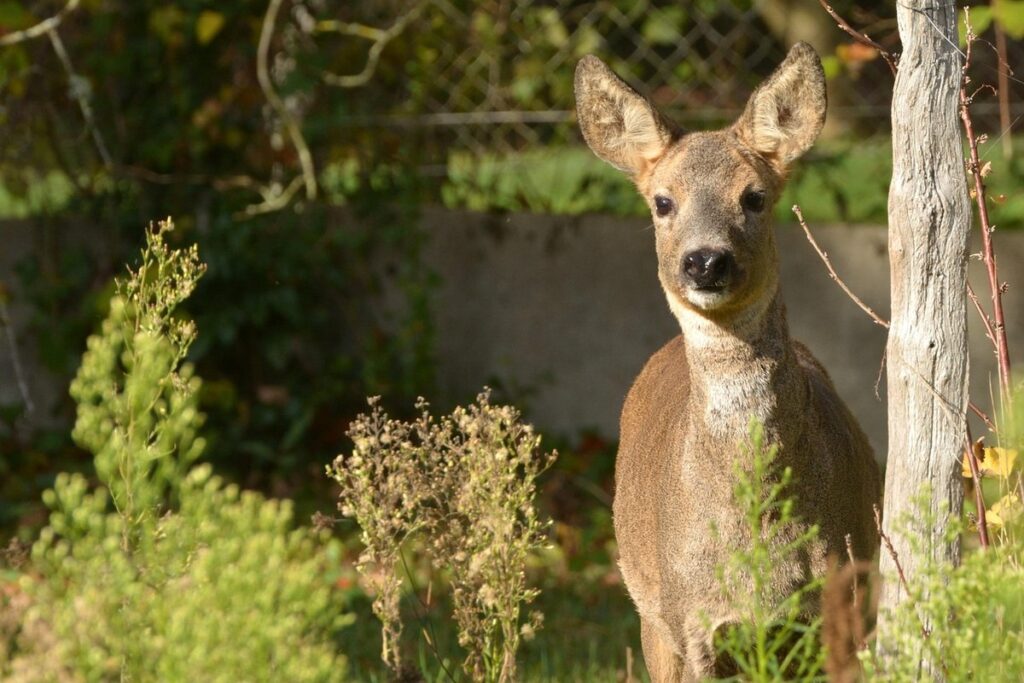
Understanding Deer Behavior and Habitat
To successfully create a deer garden, it’s essential to understand how deer behave and what habitats they prefer. This knowledge will help you design a space that attracts these beautiful creatures.
Recognizing Deer Sign and Patterns
As you embark on creating a deer garden, it’s essential to understand the behavior and habits of these incredible creatures. Recognizing deer sign and patterns is crucial for designing an environment that will attract and engage them. Let’s start by identifying their footprints – deer tracks are typically oval-shaped with four toes, with the two middle toes being slightly larger than the outside ones.
Deer scat is another vital indicator of their presence; it’s usually dark brown or black in color and contains plant material. Look for areas where vegetation has been nibbled or stripped, as this indicates a high concentration of deer activity. Be aware that deer are most active during twilight hours, typically between 4:30 am to 9:30 am and again from 3:30 pm to 7:30 pm.
During migration periods, deer tend to follow established routes, often along edges of forests or meadows. By understanding their feeding times and patterns, you can strategically place food sources and sheltered areas in your garden to maximize their use. For instance, consider planting deer-friendly plants near water sources or along pathways that lead directly to sheltered spots.
Assessing Your Yard’s Deer-Resistance Potential
When assessing your yard’s deer-resistance potential, it’s essential to evaluate three critical factors: food sources, water availability, and shelter. Deer are attracted to areas with an abundance of edible plants, fruits, and vegetables, so take stock of what you have growing in your garden. Are there berry bushes or fruit trees that provide a constant source of nutrition? Consider the types of plants deer prefer, such as clover, alfalfa, and soybeans.
Water availability is another crucial factor to consider. Deer need access to clean drinking water, especially during hot summer months. If you have a pond or birdbath in your yard, it may be a magnet for deer. On the other hand, if you don’t have a reliable source of water, deer are less likely to visit.
Shelter is also vital for deer, who need protection from harsh weather conditions and predators. Look for areas with dense foliage, such as shrubs or trees with broad canopies. Consider creating a deer-friendly habitat by planting native vegetation that provides shelter and food for these majestic creatures.
Common Plants That Attract Deer
If you’re looking to create a deer garden, it’s essential to understand which plants attract these beautiful creatures. Deer are drawn to lush vegetation, especially during the spring and fall seasons when food is scarce. Certain flowers, shrubs, and trees are more likely to attract deer than others.
Some common plants that attract deer include:
* Perennials like coneflowers, black-eyed susans, and bee balm
* Fruits and berries such as apple, cherry, and oak
* Leafy greens like clover and alfalfa
To maintain these plants without making your yard a deer magnet, consider the following tips. Deer are more likely to visit areas with dense vegetation and abundant food sources. To deter them from over-visiting, keep your garden well-maintained by pruning back excessive growth and removing any fallen fruit or berries. You can also use physical barriers like fencing to contain the deer’s access to specific plants.
Remember, the key is to create a balanced ecosystem that provides for both you and the deer. By choosing deer-attracting plants in moderation and maintaining your garden thoughtfully, you can enjoy the beauty of these creatures while protecting your landscape.
Designing a Deer-Resistant Yard
When designing a deer-resistant yard, it’s essential to choose plants that are less appealing to these browsing wildlife while still providing beauty and functionality for your outdoor space. We’ll explore some effective strategies for making this work.
Plant Selection for a Deer Garden
When it comes to creating a deer garden, selecting the right plant species is crucial. Deer can be finicky eaters, but there are certain plants that they tend to avoid altogether. To create a deer-resistant yard, consider incorporating ornamental grasses into your design. These low-maintenance plants come in a variety of textures and colors, and most deer don’t find them palatable.
Some popular options include Pampas Grass, Blue Oat Grass, and Little Bluestem. Deer tend to dislike the bitter taste of succulents as well, so incorporating these water-storing plants into your garden can also be effective. Some examples include Agave, Yucca, and Echeveria.
Native plants are another excellent choice for a deer garden. Many native species have co-evolved with local wildlife and are less likely to attract deer. For example, you might consider incorporating native perennials like Black-eyed Susan or Butterfly Weed into your design. These plants not only provide food for pollinators but also help to create a balanced ecosystem that’s less appealing to deer.
Remember, even deer-resistant plants won’t completely eliminate the risk of deer damage. However, by choosing plants that are unpalatable to deer, you can reduce their interest in your garden and create a more sustainable landscape.
Hardscaping and Fencing Options
When it comes to creating a deer-resistant yard, hardscaping and fencing are crucial components of the design. A sturdy barrier can effectively keep these pesky critters out of your garden. Let’s explore some popular materials for building a deer fence.
Wood is a classic choice for fencing, but it may not be the most effective option against determined deer. White cedar and redwood are naturally rot-resistant, making them suitable choices. However, they require regular maintenance to ensure their durability. Consider using wood with a sturdy frame and hardware cloth to prevent gnawing damage.
Metal fences offer an excellent alternative, especially when paired with electrification. A 5-foot-tall metal fence is often sufficient for deterring deer. Some popular options include aluminum, steel, and wrought iron. Keep in mind that metal fencing can be expensive, but it’s a worthwhile investment if you’re concerned about deer damage.
Plastic fencing is another option to consider. It’s lightweight, easy to install, and relatively affordable. Look for durable, flexible plastic materials that can withstand wind and weather conditions. One benefit of plastic fencing is its ability to blend seamlessly into your landscape design.
Ultimately, the choice between hardscaping materials depends on your budget, available space, and personal preferences. Consider combining different materials to create a layered defense against deer intrusion.
Integrating Water Features and Debris Management
When designing a deer-resistant yard, it’s essential to consider integrating water features that won’t attract these majestic creatures. While ponds and fountains can be beautiful additions to your garden, they can also become a magnet for deer looking for a drink or a place to cool off.
To discourage deer from visiting your pond or fountain, you’ll want to choose plants that are resistant to deer grazing and have a shallow area where water is only 1-2 inches deep. This will prevent deer from being able to swim in the water feature. You can also consider installing a motion-activated sprinkler or other noise-making device to scare deer away when they approach.
In addition to designing water features that discourage deer, managing debris and keeping your yard clean is crucial. Deer are attracted to areas with food sources, so make sure to remove any fallen fruit or berries from plants. Regularly cleaning up leaves, branches, and other debris will also help keep your yard looking tidy and less appealing to deer. By combining these strategies, you’ll be well on your way to creating a deer-resistant garden that’s both beautiful and sustainable.
Implementing Deer Deterrents
Now that we’ve discussed how to attract deer, let’s dive into effective ways to keep them from munching on your garden plants. We’ll cover various deterrent methods and products to help protect your flowers and veggies.
Using Repellents and Scare Devices
When it comes to creating an effective deer garden, using repellents and scare devices is often a crucial step. These methods can be used individually or in combination with other deterrents to protect your plants from hungry deer.
Sprays and granules are two common types of repellents that work well against deer. These products typically contain unpleasant-tasting substances like hot peppers or capsaicin, which deter deer from approaching the area. Popular brands like Liquid Fence and Repellent Granules can be applied directly to plants or surrounding areas. However, their effectiveness may vary depending on factors like weather conditions and deer population density.
Ultrasonic devices are another option for deterring deer. These high-frequency sounds are undetectable to humans but unpleasant for deer, causing them to leave the area quickly. Some popular models include Deer Scram and Sonic Repellent Pro. While these devices can be effective, it’s essential to note that they may require frequent battery replacements or reprogramming.
While repellents and scare devices can be an excellent addition to your deer garden, their effectiveness is not guaranteed in all situations. It’s essential to rotate methods regularly to maintain the deterrent effect and prevent deer from getting accustomed to a particular scent or sound.
Motion-Activated Cameras and Other Monitoring Tools
When it comes to effectively deterring deer from your garden, it’s crucial to understand their behavior and movement patterns. This is where motion-activated cameras and other monitoring tools come into play. These devices can help you detect deer presence, identify the timing of their visits, and adjust your deterrent strategies accordingly.
You can install motion-activated cameras around the perimeter of your garden or in specific areas where deer tend to congregate. Some models even allow you to view live footage remotely through smartphone apps. By monitoring deer activity, you’ll be able to pinpoint which plants are most attractive to them and where they’re entering your garden from.
Other monitoring tools, such as trail cameras or wildlife cameras, can also help you track deer movement patterns and adjust your deterrents accordingly. For example, if the cameras reveal that deer are primarily visiting during dawn and dusk hours, you may want to increase repellent application frequency during these times.
Long-Term Maintenance and Upkeep
Now that you’ve created your deer garden, it’s essential to establish a regular routine for maintaining its beauty and keeping those deer coming back. This involves tasks like pruning, watering, and fertilizing.
Seasonal Tasks for a Deer Garden
As the seasons change, it’s essential to perform seasonal tasks that ensure your deer-resistant yard remains healthy and attractive. In the spring, prune plants that have outgrown their space or are showing signs of disease or pest infestation. This not only maintains the aesthetic appeal but also promotes healthy growth.
Summer brings an abundance of debris from fallen leaves, branches, and plant material. Regularly clean up these messes to prevent them from accumulating and attracting unwanted attention from deer. Reapply repellents as needed, especially after rain or when new plants are introduced.
In fall, take advantage of the cooler temperatures to trim back perennials and shrubs that have reached their peak growth. This encourages new growth in the spring and helps maintain a balanced ecosystem. After the first frost, remove any dead plant material and debris to prevent harboring pests and diseases over winter.
Regular maintenance like these seasonal tasks will keep your deer-resistant yard thriving all year round. By staying on top of pruning, cleaning up debris, and reapplying repellents, you’ll be able to enjoy your beautiful deer garden for years to come.
Adapting to Changing Deer Patterns and Populations
As you establish and maintain your deer garden, it’s essential to remain adaptable in response to changing deer patterns and populations. Deer behavior can shift over time due to various factors, such as seasonal changes, habitat loss, or new development in the area. You may notice that deer are avoiding certain areas of your garden or feeding on specific plants more frequently.
To adapt your deterrent strategies, observe local deer behavior closely. Pay attention to which plants they tend to graze on and which ones they leave untouched. This information will help you adjust plant selection for future seasons, replacing deer-preferred species with more resistant options. You can also experiment with repelling methods that deter deer from feeding on certain plants altogether.
For instance, if you notice deer consistently avoiding a particular section of your garden, consider adding native flowers or shrubs that repel them, such as lavender or rosemary. Conversely, if deer are targeting specific plants, try using repellents containing hot peppers or garlic to discourage them.
Conclusion
As you’ve now learned the ins and outs of creating a deer garden, it’s time to put your newfound knowledge into action. Remember, building a deer-friendly space is not just about attracting these beautiful creatures; it’s also about creating a harmonious ecosystem that benefits both them and your surroundings. Don’t be afraid to experiment with different plant species, shrubs, and trees to see what works best for you. For example, consider adding native plants like coneflowers or black-eyed Susans, which are not only deer magnets but also pollinator-friendly. By following the tips outlined in this guide and being patient, you’ll be well on your way to creating a thriving deer garden that brings joy and wonder to your outdoor space.
Frequently Asked Questions
What if I’m unsure how to identify deer sign in my yard?
Start by observing your yard carefully, taking note of any signs of deer presence, such as hoof prints, scat, or eaten plants. If you’re still unsure, consult with a local wildlife expert or search for online resources that provide detailed images and descriptions of deer sign.
Can I use repellents or scare devices alone to deter deer from my garden?
While repellents and scare devices can be effective in the short-term, they may not provide long-term solutions. Deer can become habituated to these methods, rendering them less effective over time. Instead, consider combining repellents with other deterrents, such as fencing or plant selection.
How do I adapt a deer garden to changing deer patterns and populations?
To adapt your deer garden to shifting deer patterns and populations, regularly monitor your yard for signs of deer activity and adjust your strategies accordingly. This may involve adjusting plant selections, modifying fencing designs, or implementing new deterrents.
What are some common mistakes to avoid when designing a deer-resistant yard?
Avoid selecting plants that are highly attractive to deer but not effective in deterring them. Also, be cautious with over-fencing, which can inadvertently create an ‘escape route’ for deer, rather than truly deterring them.