
Are you looking to add some beauty and charm to your garden? Look no further than the stunning crabapple tree flower! These gorgeous blossoms are not only a delight to behold, but they’re also a crucial part of attracting pollinators like bees and butterflies. In this article, we’ll delve into the characteristics and growth habits of crabapple trees, providing you with expert tips on how to maximize their flowering potential.
We’ll cover everything from choosing the right tree variety for your climate to optimizing soil conditions and pruning techniques that promote healthy growth and vibrant blooms. By the end of this guide, you’ll be equipped with the knowledge to create a thriving garden haven that’s teeming with life and color. So let’s get started on our journey to cultivating the perfect crabapple tree!
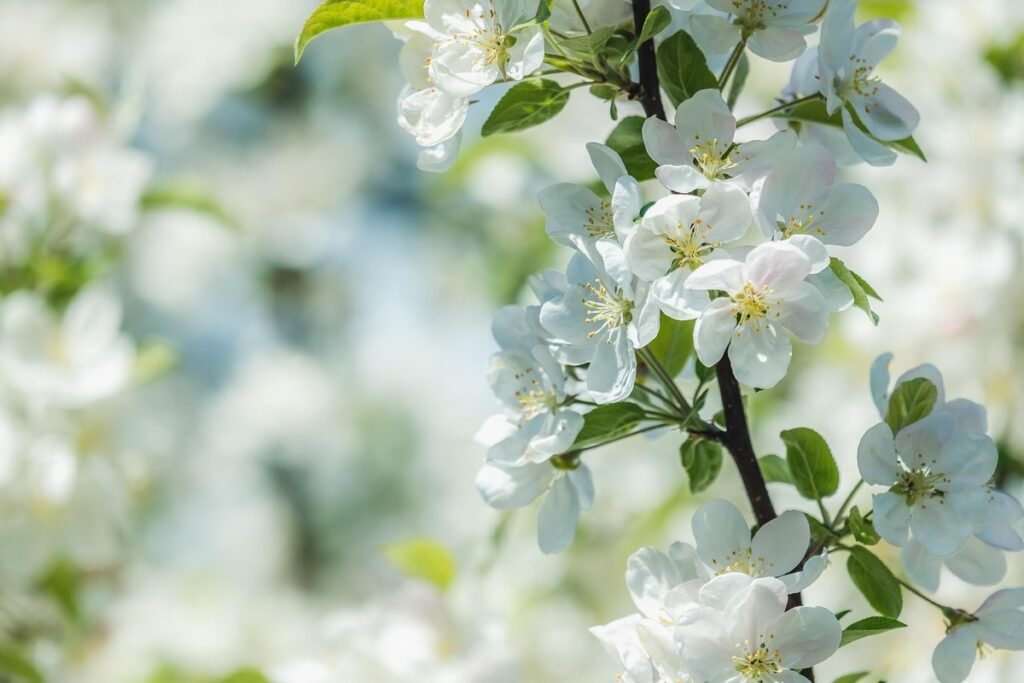
What is a Crabapple Tree?
Let’s start with the basics: crabapple trees are actually a type of deciduous tree that produces stunning flowers, and they’re closely related to apples themselves.
Characteristics and Types of Crabapple Trees
Crabapple trees come in a wide range of varieties, each with its unique characteristics and growth habits. For instance, some popular types include the ‘Red Jewel’, which boasts bright red flowers, and the ‘Dwarf Red Sky’, known for its compact size and vibrant pink blooms. These variations are not only visually stunning but also offer different benefits, such as disease resistance or low-maintenance requirements.
When it comes to growth habits, crabapple trees can be deciduous or semi-deciduous, with some varieties growing up to 20 feet tall while others remain relatively small, around 6-8 feet. This diversity makes them suitable for a variety of landscapes and gardening styles. Their adaptable nature also means they can thrive in different soil types and conditions.
Notable characteristics include the production of showy flowers that attract pollinators and birds, as well as the fact that many crabapple trees are resistant to certain diseases and pests. These traits make them an excellent choice for gardeners seeking low-maintenance options with high aesthetic appeal.
History and Origin of Crabapple Trees
Crabapple trees have been delighting gardeners and naturalists for centuries with their stunning flowers. But where did these beautiful trees come from? The history of crabapple trees is a rich one, spanning thousands of years and traversing the globe.
Originating in Asia, specifically China and Mongolia, crabapple trees were first cultivated over 3,000 years ago. These early varieties were prized for their edible fruit, which was used not only as a food source but also to make jams, preserves, and even wine. As trade routes expanded, crabapple trees were introduced to Europe by the Romans and quickly became a popular ornamental tree.
Over time, gardeners and botanists selectively bred various species of crabapples, resulting in the diverse range of shapes, sizes, and colors we see today. Modern cultivars often prioritize flower production over fruit quality, making them perfect for gardens where visual appeal is key. Whether you’re a seasoned horticulturist or just starting to explore the world of trees, understanding the history of crabapple trees can help you appreciate their unique characteristics and beauty. By learning from centuries of cultivation and selection, we can harness this knowledge to create stunning displays of flowers in our own gardens.
Growing Conditions for Crabapple Tree Flowers
To encourage blooming, crabapple trees need full sun and well-drained soil with a slightly acidic pH, ideally between 6.0 and 7.0. This provides optimal growing conditions for beautiful flowers.
Soil Requirements for Crabapple Trees
When it comes to growing healthy and vibrant crabapple trees with stunning flowers, soil conditions play a crucial role. The ideal soil type for crabapple trees is well-draining and fertile, with a pH level between 6.0 and 7.0. This slightly acidic to neutral range allows the tree’s roots to absorb essential nutrients easily.
In terms of nutrient requirements, crabapple trees benefit from a balanced diet of nitrogen, phosphorus, and potassium (NPK). A soil test can help determine the specific nutrient levels in your soil, but as a general rule, fertilize your crabapple tree with a 10-10-10 NPK formula in early spring. Mulch around the base of the tree to retain moisture and suppress weeds.
Some key factors to consider when selecting a planting site for your crabapple tree include drainage, sunlight, and soil depth. Avoid low-lying areas where water may collect, and ensure the tree receives at least six hours of direct sunlight per day. A soil depth of 18-24 inches is ideal for crabapple tree roots to develop properly.
Climate and Sunlight Needs for Crabapple Trees
When it comes to growing crabapple trees for their stunning flowers, understanding the climate and sunlight needs is crucial. Different climates and sunlight conditions can significantly impact the flowering and overall health of these beautiful trees.
In temperate climates with moderate temperatures, crabapple trees typically thrive. They require full sun to partial shade, depending on the specific variety. A location that receives at least six hours of direct sunlight per day is ideal for optimal flowering. However, it’s essential to note that intense heat can cause some varieties to drop their flowers prematurely.
In regions with hot summers, crabapple trees may benefit from afternoon shade to prevent scorching. Conversely, in areas with cool summers, they can tolerate more sun. When planting crabapple trees in cooler climates, ensure they receive sufficient sunlight during the growing season to promote healthy growth and abundant flowering.
Additionally, be mindful of frost sensitivity when selecting a location for your crabapple tree. Young trees may be more susceptible to damage from late frosts, which can occur as late as May in some regions.
Care and Maintenance for Optimizing Flowering
To ensure those stunning crabapple blooms come back year after year, regular care and maintenance is crucial to promote healthy flowering. This includes tasks like pruning and fertilizing.
Pruning Techniques for Promoting Healthy Growth
When it comes to promoting healthy growth and maximizing flower production on your crabapple tree, pruning is an essential aspect of care and maintenance. Regular pruning not only helps control the size and shape of the tree but also encourages a strong, balanced structure that supports optimal flowering.
To prune effectively, timing is crucial. The best time to prune a crabapple tree is during its dormant season, typically in late winter or early spring before new growth begins. This allows you to make clean cuts without encouraging the tree to produce new growth too soon.
When it comes to pruning frequency, annual pruning is recommended for young trees to promote healthy growth and shape development. For established trees, prune every 2-3 years to maintain overall health and flowering performance. Aim to remove no more than one-third of the branches in a single year to avoid stressing the tree.
Consider removing any dead, diseased, or damaged branches during pruning sessions, as these can harbor diseases and attract pests that harm the tree’s overall health.
Watering and Fertilization Practices
Proper watering and fertilization are essential for promoting healthy growth and vibrant flowering in crabapple trees. When it comes to watering, remember that these trees prefer well-drained soil and can be susceptible to root rot if the soil is too moist. Aim to provide about 1 inch of water per week, either through rainfall or irrigation. To check for adequate moisture, insert your finger into the soil up to the knuckle; if it feels dry, it’s time to water.
As for fertilization, crabapple trees benefit from a balanced fertilizer applied in early spring and again after bloom. Look for a fertilizer that contains nitrogen (N), phosphorus (P), and potassium (K) in a ratio of 10-10-10. You can also consider using a fruit tree fertilizer, which is specifically formulated to promote healthy growth and fruit production. Apply the fertilizer according to the manufacturer’s instructions, taking care not to over-fertilize, which can damage the tree’s roots and harm its overall health.
When fertilizing, be sure to follow these guidelines:
Understanding Crabapple Tree Flowering Habits
If you’re new to crabapple trees, understanding their unique flowering habits can be a bit puzzling at first. Let’s break down what makes these blossoms so special and predictable.
Blooming Periods and Duration of Crabapple Flowers
Crabapple tree flowers are known for their stunning beauty and vibrant colors, but did you know that they also have a unique blooming period? The typical blooming periods of crabapple trees vary depending on the climate, region, and specific tree variety. However, most crabapple trees tend to bloom in late spring, typically between April and May in the Northern Hemisphere.
The duration of crabapple flowers can range from a few weeks to several months. Some varieties, like ‘Snowdrift’ and ‘Spring Snow’, have a relatively short blooming period of about 2-3 weeks, while others, such as ‘Red Jewel’ and ‘Chestnut’, bloom for around 4-6 weeks. It’s essential to note that the blooming frequency can also vary from year to year due to factors like weather conditions and temperature fluctuations.
To maximize your enjoyment of crabapple flowers, consider planting multiple varieties with different blooming periods in your garden. This way, you’ll have a continuous display of colorful blooms throughout the spring season.
Factors Affecting Crabapple Tree Flower Production
Crabapple trees are renowned for their stunning flowers, which not only add to their beauty but also attract pollinators and other beneficial wildlife. However, various factors can impact flower production on these trees. Weather conditions play a significant role in this regard.
Prolonged periods of drought or excessive rain can severely impact flowering. For instance, a study conducted by the US Department of Agriculture found that crabapple trees in areas with reduced water availability produced fewer flowers compared to those receiving optimal rainfall. Similarly, extreme temperatures, either too high or too low, can also reduce flower production.
Pests like aphids and codling moths can further impact flowering by consuming sap and damaging leaves. Diseases such as powdery mildew and fire blight can also severely affect crabapple tree health and lead to reduced flowering.
Nutrient deficiencies, particularly in nitrogen, phosphorus, or potassium, can also influence flower production. A well-balanced fertilizer application can help address these issues, ensuring optimal flowering conditions for your crabapple trees.
Attracting Pollinators with Crabapple Trees
Crabapple trees are a haven for pollinators, providing nectar-rich flowers that attract bees, butterflies, and other beneficial insects to your garden. Plant them strategically to create a thriving ecosystem.
Importance of Pollinator Support in Gardening
Pollinators like bees, butterflies, and hummingbirds play a vital role in plant reproduction, and gardening without their support is like trying to grow flowers without the right nutrients. Without pollination, plants can’t reproduce, and this lack of pollinators affects not only crabapple trees but also numerous other plants that rely on them for seed set.
Crabapple trees are particularly important as a food source for pollinators. Their blossoms produce an abundance of nectar and pollen, which is essential for the survival of many bees and butterflies during the early spring when other flowers may not be in bloom yet. In fact, research suggests that crabapple trees can support up to 200 species of insects.
To attract pollinators like these to your garden, consider planting a diverse range of flowers, including native wildflowers, which provide natural sources of nectar and pollen for bees and butterflies. Planting multiple varieties of plants in succession will ensure that there is always something in bloom for pollinators throughout the growing season.
Methods to Encourage Beneficial Insects and Bees
Creating a pollinator-friendly environment around your crabapple tree is essential to attract beneficial insects and bees. To do this, consider planting companion flowers that are rich in nectar and pollen, such as coneflowers, black-eyed Susans, and lavender. These flowers will not only provide a source of food for pollinators but also add color and vibrancy to your garden.
When selecting companion flowers, choose varieties that bloom at different times to ensure a constant supply of nectar and pollen throughout the growing season. For example, coneflowers bloom in mid-summer, while black-eyed Susans bloom in late spring and early summer.
Another crucial step is reducing pesticide use in your garden. Many pesticides are toxic to beneficial insects and can harm or kill pollinators. Instead, adopt integrated pest management (IPM) techniques that use a combination of physical barriers, cultural controls, and biological controls to manage pests.
By creating a welcoming environment for pollinators and using IPM techniques, you’ll attract a diverse range of beneficial insects and bees to your crabapple tree, ensuring its flowers receive the pollination they need to thrive.
Using Crabapple Trees in Landscaping
When it comes to incorporating crabapples into your yard, there are several creative ways to showcase their stunning flowers, from elegant hedges to vibrant borders. Let’s explore these options.
Incorporating Crabapple Trees into Garden Designs
When incorporating crabapple trees into garden designs, it’s essential to consider their unique characteristics and the style of your landscape. For a rustic or cottage-style garden, pair crabapple trees with perennials like coneflower and black-eyed Susan for a whimsical touch. Alternatively, in a more formal setting, complement crabapple trees with boxwood hedges and ornamental grasses for a sophisticated look.
To create a visually appealing focal point, plant multiple crabapple trees together or alongside other flowering shrubs. This not only adds to their stunning floral display but also provides a sense of drama and texture. In smaller spaces, consider using dwarf or semi-dwarf varieties that still pack a punch with their vibrant flowers.
When selecting the perfect location for your crabapple tree, keep in mind its mature size and growth habits. Ensure it’s planted in well-draining soil and receives adequate sunlight to maximize its blooming potential. By thoughtfully integrating crabapple trees into your garden design, you’ll not only create a stunning floral display but also provide a haven for wildlife and add value to your property.
Potential Uses of Crabapple Tree Products (Fruit, Wood, etc.)
Crabapple trees are not only breathtakingly beautiful with their stunning flowers, but they also offer a multitude of uses for various products. From culinary delights to woodwork and more, the possibilities are endless.
One of the most obvious uses of crabapple tree products is for making jams and jellies. The fruit is rich in pectin, a natural gelling agent, making it an ideal choice for homemade preserves. In fact, some varieties like the ‘Dolgo’ crabapple are specifically bred for their high pectin content. To make the most of this feature, simply cook down the crabapples with some sugar and water to create a delicious spread perfect for topping toast or using as a filling for cakes.
The wood from mature crabapple trees is also highly valued for its durability and resistance to rot. It’s often used for crafting beautiful furniture pieces, like Adirondack chairs or cutting boards. If you’re interested in trying your hand at woodworking with crabapple wood, start by selecting straight-grained branches and sanding the surface to a high polish.
Crabapple trees also offer other uses beyond jams and woodwork. The leaves can be used in herbal remedies for their antibacterial properties, while the bark contains tannins that make it suitable for use as a natural dye. With so many possibilities, incorporating crabapple tree products into your life is easier than you think!
Frequently Asked Questions
Can I grow a crabapple tree in containers or must it be planted directly in the ground?
Yes, you can grow a crabapple tree in containers! However, keep in mind that they prefer well-draining soil and full sun to produce optimal blooms. Use a container with at least 14-16 inches deep to accommodate the tree’s root system.
What if I have limited space or a small garden – which crabapple tree varieties are best suited for compact spaces?
Consider dwarf or semi-dwarf varieties like ‘Dwarf Red Sky’ or ‘Red Jewel’. These trees are naturally more compact, requiring less maintenance and space while still producing vibrant blooms. Just ensure you provide them with enough sunlight (at least 6 hours) and regular watering.
How often should I water my crabapple tree during the blooming period to prevent flower drop?
Maintain consistent moisture levels during the blooming period by watering your crabapple tree every 7-10 days, depending on weather conditions. However, avoid overwatering as this can lead to disease issues and damage roots.
Can I plant multiple crabapple trees together for a more dramatic display of flowers or is it better to space them apart?
Yes, you can definitely plant multiple crabapple trees together! In fact, planting several varieties with different bloom times will create a dynamic and extended blooming period. Just ensure you provide enough space (around 15-20 feet) between each tree for proper air circulation.
How do I know if my crabapple tree is getting enough sunlight? Are there any specific signs to look out for?
Look for signs of leaf scorch or lackluster blooms, which can indicate insufficient sunlight. Crabapple trees generally require at least 6 hours of direct sunlight per day. Consider pruning surrounding foliage or structures to allow more sunlight to reach the tree if necessary.