
Are you ready to delve into the fascinating world of corpse flowers? These rare and unusual plants have captured the imagination of botanists and enthusiasts alike, but cultivating them from seeds is no easy feat. As a key player in pollination and seed production, corpse flowers rely on careful attention to germination conditions to thrive.
In this article, we’ll explore the challenges of growing corpse flowers from seeds and provide valuable insights into best practices for successful cultivation. We’ll delve into seed production methods, discuss ideal germination conditions, and highlight conservation efforts to protect these remarkable plants. Whether you’re a seasoned horticulturist or just starting your botanical journey, this article aims to equip you with the knowledge needed to successfully cultivate corpse flowers from seeds and contribute to their preservation.
The Corpse Flower: An Introduction
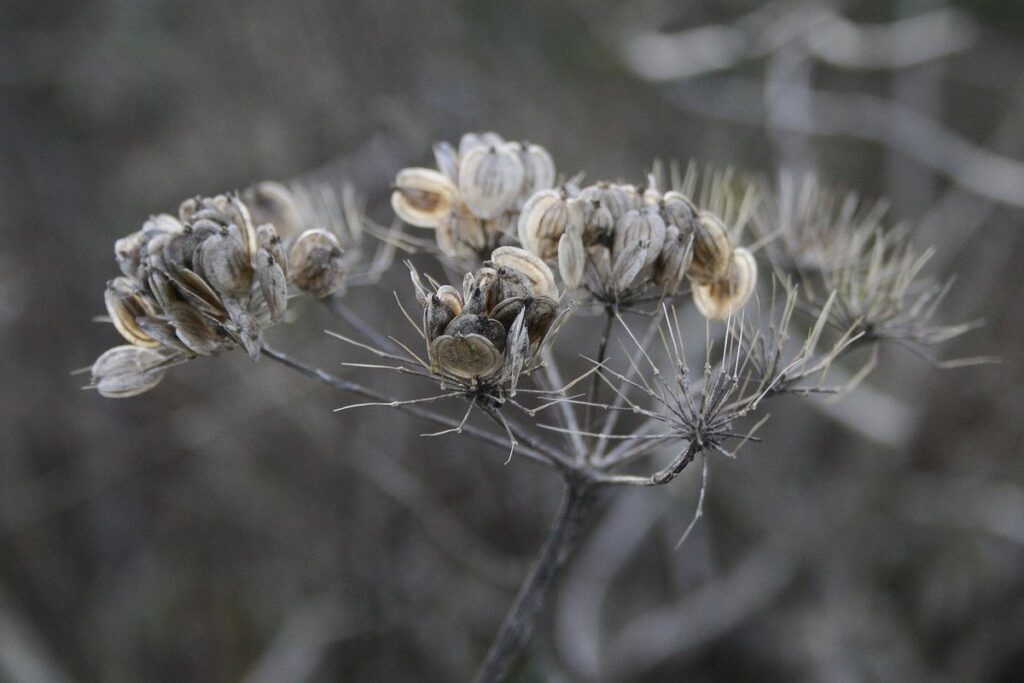
The corpse flower is a rare and elusive plant, but did you know that its seeds are even more fascinating than its blooms? Let’s take a closer look at these mysterious seeds.
What is a Corpse Flower?
The corpse flower, also known as Amorphophallus titanum, is one of the rarest and most fascinating plants in the world. Native to the rainforests of Sumatra, Indonesia, this unusual bloom has gained international attention for its unique characteristics and extremely short blooming period.
Growing up to 10 feet tall, the corpse flower has a distinctive appearance with its large, greenish-yellow spadix (a fleshy spike) surrounded by a crown-like structure. Its name is derived from the strong odor it emits when in bloom, which attracts carrion-feeding insects. This phenomenon is crucial for pollination, as the scent mimics the smell of rotting flesh.
Despite its daunting appearance and smell, the corpse flower plays a vital role in its ecosystem. It’s a rare sight to behold, with blooms occurring only once every 7-10 years in the wild. Botanical gardens and conservatories have successfully cultivated this species, offering enthusiasts a chance to witness the bloom up close. The rarity of corpse flowers makes their seeds highly prized among collectors and researchers, highlighting the importance of conservation efforts for these extraordinary plants.
Unique Characteristics of the Corpse Flower
The corpse flower is an extraordinary plant that boasts several unique characteristics, setting it apart from other tropical blooms. One of its most striking features is its enormous size – the plant can grow up to 10 feet tall and 6 feet wide, making it a behemoth among flowering plants.
But size isn’t everything; the corpse flower also packs a powerful punch with its infamous scent. When in bloom, the plant releases an intense odor that’s often compared to rotting flesh or gasoline – not exactly the most pleasant aroma! This potent smell is a result of the plant’s defense mechanism to attract pollinators, such as carrion beetles and flies.
The corpse flower also has a notoriously rare blooming cycle, which can take anywhere from 7-20 years to occur. During this time, the plant will typically grow in size, developing large leaves and stems before finally producing its distinctive bloom. Unfortunately, this means that the plant’s blooms are often short-lived and highly anticipated events – making them all the more special and rare.
It’s worth noting that the corpse flower’s unique characteristics make it a fascinating subject for study, particularly among botanists and horticulturists.
The Importance of Seed Production
So, what makes seed production so crucial for these rare and precious corpse flowers? We’ll delve into why careful cultivation is essential to ensure their survival.
Why Are Corpse Flower Seeds Rare?
Corpse flower seeds are notoriously difficult to come by due to several factors that contribute to their scarcity. For one, these plants have an extremely low seed production rate compared to other tropical flowers. While some corpse flower specimens can produce a single seed pod per year, each pod typically contains only 5-10 seeds, making the overall yield remarkably small.
To make matters worse, corpse flower seeds require very specific growing conditions to germinate and thrive. They need to be planted in well-draining soil with high humidity levels, often within a few weeks of being harvested. This narrow window for planting adds an extra layer of complexity to their cultivation. Moreover, the corpse flower’s natural habitat is limited to certain regions of Southeast Asia, making it even more challenging to obtain seeds from these rare plants. This unique combination of factors has led to the high value and exclusivity surrounding corpse flower seeds.
Challenges in Growing Corpse Flowers
Growing corpse flowers from seeds is a daunting task, even for experienced botanists and horticulturists. One of the primary challenges they face is maintaining precise temperature control. The ideal temperature range for germination is between 75°F to 85°F (24°C to 30°C), but the plant requires an alternating day-night temperature fluctuation of around 10-15°F (6-8°C). Any deviation from this narrow window can lead to poor seedling development or even failure.
Humidity management is another critical aspect, as corpse flowers thrive in environments with extremely high humidity levels – up to 90% relative humidity. However, maintaining such conditions is practically impossible without creating condensation, which can be detrimental to the seeds. Botanists have reported using greenhouse covering materials and humidifiers to achieve the desired environment.
Another significant challenge is providing sufficient light for seedling growth without exposing them to direct sunlight. Corpse flowers require a balanced spectrum of light with intense blue and red frequencies, which is challenging to replicate in artificial lighting systems.
The Process of Seed Germination
As we delve into the fascinating world of corpse flower seeds, let’s explore how they undergo a crucial process called germination. This stage is where life begins, and we’ll break it down step by step.
Preparing the Seeds for Germination
Preparing corpse flower seeds for germination requires attention to detail and patience. First, you’ll need to clean the seeds to remove any debris or impurities that may be clinging to them. This can be done by gently rinsing the seeds with distilled water, making sure not to scratch their delicate surface.
Next, stratification is necessary to mimic the natural conditions of the corpse flower’s native habitat in Sumatra. This involves placing the cleaned seeds in a container filled with a mix of peat moss and perlite, and then storing them in a refrigerator at a consistent temperature between 35-45°F (2-7°C) for several months. This process can take anywhere from 3 to 6 months, depending on the specific seed lot.
During this time, the seeds will undergo a period of dormancy, allowing their embryos to mature and develop. Once stratification is complete, you can move the seeds to a warm location with indirect light, where they’ll be ready for soaking. Soak the seeds in distilled water for 24-48 hours before planting them in a well-draining potting mix. This will help to rehydrate the seedlings and encourage healthy root growth.
Conditions Necessary for Successful Germination
For corpse flower seeds to germinate successfully, they require specific conditions that are often challenging to replicate. Temperature plays a crucial role, with most species preferring warmer temperatures between 75°F and 90°F (24°C to 32°C) during the day. Conversely, nighttime temperatures should be slightly cooler, around 65°F to 70°F (18°C to 21°C). Light exposure is also critical; corpse flower seeds generally require low to moderate light conditions, with some species tolerating higher levels of illumination.
Proper water quality is equally essential for germination. The seeds need to absorb a specific amount of moisture without being waterlogged or subjected to extreme fluctuations in humidity. You can replicate this condition by using distilled water and maintaining a consistent level of moisture in the growing medium. Be cautious not to overwater, as corpse flower seeds are susceptible to rot and fungal diseases.
To increase your chances of successful germination, it’s recommended to use a seed starting mix specifically designed for tropical plants like the corpse flower.
Corpse Flower Seedling Care
Now that you’ve got your corpse flower seeds sprouting, let’s dive into the specifics of seedling care to ensure they grow strong and healthy under your care. Proper care is crucial for these delicate plants.
Initial Care and Handling
When you finally see those tiny white roots emerging from your corpse flower seeds, it’s time to transition them into a pot and provide the right care for optimal growth. Handling is crucial during this initial stage, as seedlings are fragile and prone to damage. To minimize risk of injury, gently remove the seeds from their starting medium using a fork or a chopstick, taking care not to touch the delicate roots.
Watering should be done with caution as well – corpse flower seedlings don’t require much moisture initially. Water lightly but thoroughly, allowing the soil to dry slightly between waterings. Avoid overwatering, which can lead to root rot and poor growth. Fertilization is also essential during this period; start with a balanced, water-soluble fertilizer (20-20-20) at half the recommended strength.
As you handle your seedlings, keep in mind that direct sunlight can be harsh on their delicate leaves. Provide filtered or indirect light for several weeks to prevent scorching and promote healthy growth. Monitor temperature fluctuations closely; corpse flower seedlings prefer daytime temperatures around 75°F (24°C) and nighttime temperatures slightly lower.
Pruning and Training Techniques
Pruning and training young corpse flowers is an art that requires patience, dedication, and knowledge of the plant’s specific needs. As a corpse flower seedling grows, it will develop its unique shape and form, but with proper pruning and training techniques, you can guide it towards a stronger, healthier, and more vibrant adult plant.
When to prune depends on the plant’s stage of development. For young seedlings, focus on removing weak or spindly growth to encourage bushy development. Cut off any stems that are leggy or damaged, making clean cuts just above a node (where a leaf meets the stem). This will direct energy towards developing a robust root system and promote healthy foliage.
As your corpse flower grows taller, you’ll need to train its upright stem to maintain stability and prevent toppling over. Use bamboo stakes or other supports to gently guide the plant’s growth, ensuring it remains upright and balanced. With regular pruning and training, your young corpse flower will develop into a stunning specimen with a strong, sturdy structure and an explosion of blooms in the years to come.
Conservation Efforts and Breeding Programs
Efforts are underway to preserve the corpse flower, including conservation programs that focus on protecting its native habitats and breeding initiatives aimed at boosting populations.
Protecting the Corpse Flower Species
The conservation of the Amorphophallus titanum species is a complex and ongoing effort. Habitat preservation is crucial to protecting these rare flowers. Their native habitat in Sumatra’s rainforests is being threatened by deforestation, making it essential for organizations like the Royal Botanic Gardens, Kew, to establish protected areas for the corpse flower.
Researchers are also working tirelessly to understand the corpse flower’s unique needs and behavior. For instance, studies have shown that these plants thrive in areas with high humidity and warm temperatures. This knowledge informs conservation efforts, allowing experts to recreate similar conditions in controlled environments.
To support conservation initiatives, you can make a difference by spreading awareness about the plight of the corpse flower. You can also consider donating to reputable organizations dedicated to protecting this species. Every effort counts, from seed propagation programs to habitat restoration projects. By working together, we can ensure the survival of these incredible plants for future generations to marvel at.
Breeding Programs for Rare Plants
Breeding programs for rare plants like the corpse flower are essential for preserving these species and making their seeds available to a wider audience. One of the main challenges in breeding rare plants is maintaining genetic diversity within a population. This can be achieved through a process called ‘poly-cross’ breeding, where multiple individual plants are crossed with each other to increase genetic variation.
The Singapore Botanic Gardens’ Corpse Flower Conservation Program is an excellent example of successful breeding efforts. They have developed a reliable system for germinating corpse flower seeds and have produced over 200 seedlings since the program’s inception. The program’s success can be attributed to careful seed selection, precise germination conditions, and ongoing monitoring of plant health.
If you’re interested in starting your own rare plant breeding program, consider partnering with local botanical gardens or conservation organizations. They often provide expertise, resources, and access to rare seeds. With dedication and the right support, you too can contribute to the preservation of these extraordinary plants.
Cultivating Corpse Flowers from Seeds: Best Practices
Cultivating corpse flowers from seeds can be a delicate and complex process, requiring careful attention to detail and specific conditions. We’ll walk you through the best practices for successful germination and growth.
Expert Advice for Home Growers
As a home grower, cultivating corpse flowers from seeds can be a rewarding and unique experience. However, it requires careful attention to detail and a deep understanding of the plant’s specific needs. According to Dr. Peter Hirsch, a renowned expert on Amorphophallus species, “Starting with high-quality seeds is crucial for successful germination.” To increase your chances of success, look for seeds from reputable suppliers that have been properly stored and handled.
When sowing the seeds, make sure to follow a consistent temperature regime, typically between 75°F to 85°F (24°C to 29°C), to simulate the natural conditions found in the tropical regions where corpse flowers thrive. Keep the soil consistently moist but not waterlogged, as this can lead to root rot and other issues.
It’s also essential to provide your seedlings with bright, indirect light, which will help them develop strong roots and stems. As they grow, gradually increase the amount of direct sunlight they receive to prevent scorching.
Future Research Directions
As we delve into the world of corpse flower cultivation from seeds, it’s essential to consider the future research directions that will shape our understanding and preservation efforts. With the increasing interest in these rare and fascinating plants, researchers are exploring innovative methods for optimizing seed production and conservation.
One promising area of research is the development of controlled environments for corpse flower cultivation. By replicating the specific conditions required by these plants, scientists hope to increase yields and reduce the financial burden associated with maintaining large-scale greenhouses. For example, a recent study used LED lighting and precision climate control to successfully cultivate corpse flowers in a smaller space.
Researchers are also examining the potential of corpse flowers as a model organism for studying plant development and evolution. By analyzing the unique characteristics of these plants, scientists may uncover new insights into the mechanisms governing seed germination and growth. This knowledge could have far-reaching implications for agriculture and conservation efforts, making it an exciting area to watch in the coming years.
In addition, conservation efforts are focusing on preserving corpse flower populations in their natural habitats. By working with local communities and governments, researchers aim to protect these rare plants from extinction while also promoting sustainable coexistence between humans and nature. As we continue to explore the biology and ecology of corpse flowers, it’s crucial that we prioritize responsible research practices and collaborate with stakeholders to ensure the long-term survival of these incredible plants.
Frequently Asked Questions
Can I grow corpse flower seeds indoors, or do they require a controlled greenhouse environment?
Yes, you can grow corpse flower seeds indoors with the right conditions. A warm and humid environment, similar to its native rainforest habitat, is essential for successful germination. A temperature range of 75-85°F (24-29°C) and high humidity levels above 50% will mimic the natural conditions needed for optimal growth.
How long does it take for corpse flower seeds to germinate?
The germination period can vary greatly depending on factors like seed quality, storage conditions, and environmental stimuli. Generally, corpse flower seeds can take anywhere from 3-12 months to germinate, with some reports indicating longer periods. Maintaining optimal germination conditions is crucial during this time.
What are the risks of overwatering or underwatering corpse flower seedlings?
Overwatering is a significant risk for young corpse flower seedlings, leading to root rot and potentially killing the plant. Underwatering can cause stress and stunted growth. Monitor soil moisture levels closely and adjust your watering schedule accordingly to avoid these issues.
Are there any specific tools or equipment I need to prepare for germinating corpse flower seeds?
A clean, well-ventilated workspace with a heat mat or warm surface (around 75-85°F/24-29°C) is necessary for optimal germination. You’ll also require sterile growing medium, seed trays, and a fine-tipped tweezers for handling the delicate seeds.
Can I propagate corpse flower seeds through division or cuttings?
Corpse flowers are propagated mainly through seed, but division can be attempted with mature plants in controlled environments. Cuttings are not typically used as they have a low success rate due to the plant’s sensitive nature and specific growth requirements.