
Are you tired of wasting valuable space in your garden or backyard? Do you dream of growing lush, healthy plants without sacrificing style? Corner raised beds are an excellent solution for small gardens, and with the right design ideas, they can become a beautiful focal point in your outdoor space. Not only do corner raised beds provide the perfect conditions for optimal plant growth, but they also boost curb appeal, making your home stand out from the crowd.
In this article, we’ll explore inspiring corner raised bed designs that will take your gardening skills to the next level. From DIY projects and expert tips on materials and assembly to maintenance advice, we’ve got you covered. Whether you’re a seasoned gardener or just starting out, our guide to corner raised bed ideas will help you create a stunning and functional space that yields impressive results.
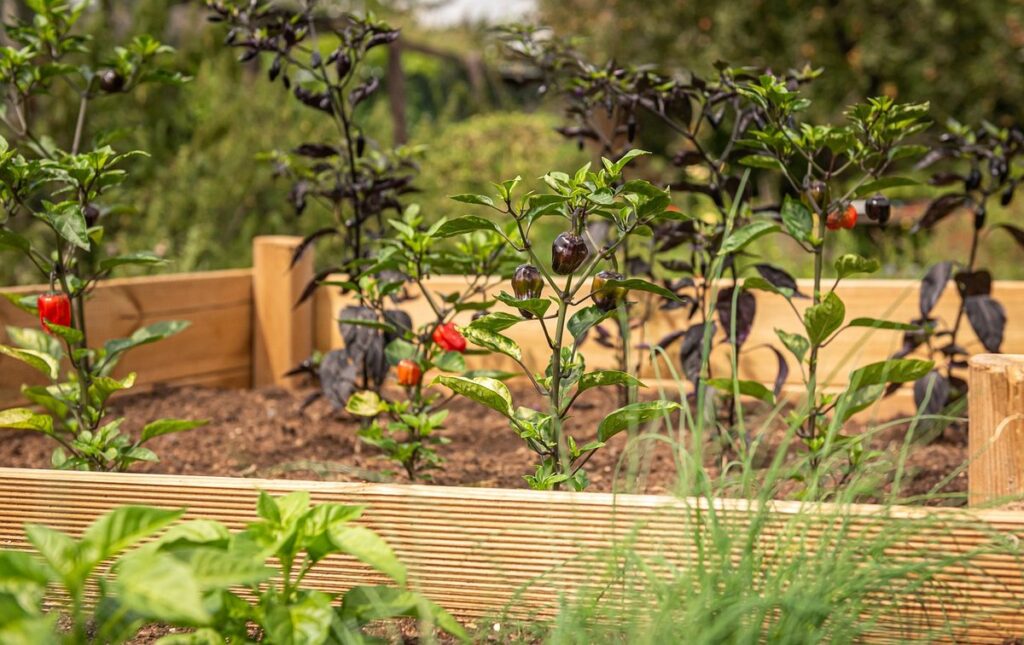
Benefits of Corner Raised Beds
Corner raised beds offer a unique set of advantages, from maximizing small spaces to improving accessibility and soil quality. Let’s explore these benefits up close.
Maximizing Space in Small Gardens
When working with small gardens, every inch counts. That’s where corner raised beds come in – a game-changer for maximizing space and growing capacity. By utilizing the often-wasted corners of your garden, you can increase yield per square foot and improve soil quality.
To put this into perspective, consider the average corner of a standard 4×8 foot bed. Typically, it would go unused or host a single, struggling plant. But with a corner raised bed, you can transform that space into a thriving hub for multiple plants, all receiving optimal growing conditions. According to research by the National Gardening Association, gardeners who use raised beds experience an average 30% increase in crop yields.
To implement this strategy effectively, focus on narrow, deep plantings rather than wide, shallow ones. This allows for more efficient space usage and reduces soil erosion. Additionally, consider using trellises or vertical supports to make the most of your corner’s vertical potential. By doing so, you can grow a remarkable variety of crops in even the smallest of gardens, turning every inch into a productive powerhouse.
Enhancing Curb Appeal with Visually Appealing Designs
A well-designed corner raised bed can be a stunning addition to any outdoor space, elevating the curb appeal of a property and making it more attractive to potential buyers. When it comes to creating visually appealing designs, consider the layout and arrangement of plants, as well as the overall aesthetic you want to achieve.
For example, you could create a focal point by placing a statement piece, such as a large planter or a decorative trellis, at one end of the bed. This will draw the eye and create visual interest. Alternatively, you could plant a mix of flowering perennials and shrubs that provide color and texture throughout the seasons.
To take your design to the next level, think about incorporating vertical elements, such as a trellis or an arbor, to add depth and dimension. This will not only enhance the visual appeal but also create a sense of space and flow. By considering these simple yet effective design tips, you can transform your corner raised bed into a breathtaking focal point that showcases your property’s unique charm.
Choosing the Right Materials
When it comes to building a corner raised bed, selecting the right materials is crucial for its durability and functionality. Let’s explore your options for frame, soil, and any additional features you might want to include.
Sustainable Options: Wood, Bamboo, and Composite Materials
When it comes to building corner raised beds, choosing eco-friendly materials is crucial for minimizing their environmental impact. Three popular sustainable options are wood, bamboo, and composite materials. Each has its own set of benefits and drawbacks.
Wood is a classic choice for raised bed construction due to its natural durability and aesthetic appeal. However, pressure-treated woods may contain chemicals that can leach into the soil. Opt for sustainably sourced cedar or cypress instead.
Bamboo is another eco-friendly alternative with impressive strength-to-weight ratios. Its lightweight nature makes it easier to transport and assemble. But bamboo’s lifespan in outdoor conditions can be limited, typically lasting 5-10 years before requiring replacement.
Composite materials offer a more durable solution by blending wood fibers with recycled plastic. They’re resistant to rot, decay, and insect damage. However, their high upfront cost may deter some DIY enthusiasts. Consider the long-term benefits of reduced maintenance and extended lifespan when weighing the costs.
Budget-Friendly Alternatives: Plastic, Metal, and Recycled Materials
When building your corner raised bed, you don’t have to break the bank on expensive materials. There are plenty of budget-friendly alternatives that can provide durability and sustainability.
Consider using recycled plastic lumber (RPL) as a cost-effective option. RPL is made from 100% post-consumer waste, such as plastic bottles and containers. It’s resistant to rot, insects, and warping, making it a great choice for outdoor projects like raised beds. However, keep in mind that RPL can be prone to scratches and fading.
Another affordable option is metal framing. Metal frames are easy to assemble and can provide excellent support for your plants. You can use galvanized steel or aluminum, both of which are rust-resistant and durable. Just make sure to choose a frame with a smooth finish to prevent plant damage.
For a more eco-friendly approach, look into using reclaimed wood or sustainably-sourced lumber. These materials may require some extra effort to source, but they’ll add character to your raised bed while minimizing waste.
Design Inspiration and Ideas
Now that you have a great idea for your corner raised bed, let’s explore some inspiring designs to elevate it from ordinary to extraordinary. We’ll dive into creative DIY projects to spark your imagination!
Corner Raised Bed Plans for Small Spaces
If you’re limited to a small garden space, corner raised beds can be an excellent way to maximize your available area while still growing your favorite fruits and vegetables. One of the biggest challenges when working with compact gardens is making the most of tight corners. Fortunately, we’ve developed some fantastic DIY plans specifically designed for narrow corners and triangular spaces.
When designing a corner raised bed plan for small spaces, consider the following tips:
* Choose a rectangular or square shape to make the most of your space.
* Opt for narrow dimensions (around 2-3 feet wide) to fit snugly into tight corners.
* Consider using a tiered design to create multiple growing levels and increase yield.
* Select compact or dwarf varieties that require less room to grow.
We recommend trying out our free corner raised bed plans, which are tailored for small spaces. These plans include simple instructions and require minimal materials – perfect for beginners! With these DIY corner raised beds, you’ll be able to grow a surprising amount of produce in even the smallest of gardens.
Creative Uses of Ledges and Shelves
When it comes to maximizing the potential of your corner raised bed, don’t forget about the often-overlooked space above and beside the growing area. By incorporating shelves, ledges, or trellises into your design, you can add an extra layer of functionality and visual interest.
For instance, a simple wooden ledge can provide a perfect perch for potted herbs or succulents, while also adding a decorative touch to the corner bed. You could also install a narrow shelf that runs along the length of the bed, ideal for storing seeds, fertilizers, or gardening tools within easy reach. Alternatively, consider installing a trellis on either side of the bed, allowing you to train vining plants like peas, beans, or cucumbers to grow upwards and make the most of the available space.
Some creative ways to use ledges and shelves in corner raised beds include:
* Storing garden gloves, watering cans, and other essential tools within easy reach
* Displaying potted plants or succulents for a decorative touch
* Supporting climbing plants like peas or beans with trellises or obelisks
* Creating a layered look by stacking planters or pots on narrow shelves
Tips for Building Corner Raised Beds
Building corner raised beds can be a fun and rewarding DIY project, but it requires some planning and execution to ensure success. Here are our top tips for building corner raised beds that will flourish.
Preparing the Site: Soil Testing and Bed Preparation
Before you start building your corner raised bed, it’s essential to prepare the site properly. This involves soil testing and making any necessary adjustments to create a fertile foundation for your plants.
To begin with, test your soil type and pH level using a DIY kit or by sending a sample to a lab for analysis. Understanding your soil composition will help you determine if it needs amendment. If your soil is heavy clay or sandy, mix in organic matter like compost or well-rotted manure to improve its structure.
Next, clear the area of any debris and level the ground. For corner raised beds, ensure the edges are flush with each other for a clean finish. Mark out the bed’s dimensions using stakes and twine, leaving space for pathways between beds.
Consider adding a 2-3 inch layer of compost or mulch to improve soil fertility and suppress weeds. This will also help retain moisture and regulate soil temperature. Proper site preparation sets the stage for healthy plant growth and a thriving garden.
Assembling the Frame: A Step-by-Step Guide
Assembling the frame of your corner raised bed is a crucial step that requires attention to detail and precision. Before you start, ensure you have all the necessary materials and tools within reach. Begin by measuring the length and width of your bed, taking into account the space where it will be placed and any obstructions.
Next, cut the wood according to your measurements using a miter saw or a circular saw. For a standard corner raised bed, you’ll need two side pieces, two end pieces, and four corner supports. Use a tape measure to double-check your cuts and make adjustments as needed.
To assemble the frame, start by attaching the side pieces to each other using screws or nails. Make sure they are flush and secure. Then, attach the end pieces to the sides, ensuring they are evenly spaced and securely fastened. Finally, add the corner supports to provide additional stability and support.
Throughout this process, keep your tools organized and within reach to avoid unnecessary delays or mistakes. It’s also a good idea to have a friend assist you in holding the pieces together while you attach them.
Maintenance and Upkeep
To keep your corner raised bed looking its best, it’s essential to establish a regular maintenance routine that includes tasks like watering, pruning, and fertilizing. This ensures your garden stays healthy and thriving all season long.
Soil Care and Fertilization Strategies
When it comes to maintaining healthy soil in your corner raised bed, it’s essential to adopt good practices that promote fertility and structure. One of the most critical aspects is fertilization. Aim for a balanced diet by using a mix of organic matter such as compost or well-rotted manure. For optimal results, apply 2-3 inches of compost at the beginning of each growing season, followed by regular top-ups throughout the year.
Companion planting is another valuable technique to keep in mind. This involves pairing plants that complement and benefit from each other’s growth habits. For example, basil repels pests that target tomatoes, while marigold improves soil health and deters nematodes. By incorporating these companion planting techniques into your design, you’ll create a thriving ecosystem within your corner raised bed.
To maintain healthy soil structure, avoid over-tilling, which can damage roots and disrupt the soil’s natural ecosystem. Instead, focus on gently loosening the top 6-8 inches of soil every few months using a fork or spade.
Seasonal Preparation: Winterizing and Spring Cleaning
As you enjoy the fruits of your labor from your corner raised bed, don’t forget that it’s essential to prepare it for seasonal changes. Winterizing and spring cleaning are crucial steps to ensure your bed remains healthy and productive throughout the year.
To winterize your corner raised bed, start by clearing out any remaining vegetation. Remove all dead plants, debris, and soil from the bed. This will prevent pests and diseases from overwintering in the soil. Next, add a layer of mulch or straw to insulate the soil and protect it from freezing temperatures.
In the spring, it’s time for cleaning and rejuvenation. Begin by loosening the soil with a fork to break up any compacted areas. Remove any remaining mulch or debris, and inspect your bed for any signs of damage or wear. Replace any damaged boards or hardware, and re-fertilize your soil as needed.
Regular seasonal preparation will not only keep your corner raised bed healthy but also extend its lifespan.
Conclusion
As you finish crafting your dream corner raised bed, take a moment to review the key takeaways and lessons learned from these inspiring designs and DIY projects. This final summary wraps up our exploration of creative corner garden possibilities.
Recap of Key Takeaways
As you’ve seen throughout this article, building a corner raised bed can be an exciting and rewarding DIY project. However, it’s essential to remember that careful planning and attention to detail are crucial for creating a beautiful and functional garden feature.
To recap the key takeaways from our discussion on corner raised bed ideas, let’s revisit some of the most critical considerations. Firstly, ensure you choose the right location for your corner raised bed, taking into account factors such as sunlight, drainage, and accessibility.
When it comes to design, consider the style and aesthetic you want to achieve in your garden. Do you prefer a modern, sleek look or a more rustic, natural vibe? Think about the materials you’ll use and how they’ll complement the surrounding environment.
In terms of construction, don’t underestimate the importance of measuring accurately and using quality materials. A well-built corner raised bed will not only last longer but also provide optimal growing conditions for your plants.
Remember to plan for irrigation, drainage, and support systems, as these can make a significant difference in the health and productivity of your garden.
As you begin your DIY project, keep in mind that patience and flexibility are essential. Be prepared to adapt your design or construction plans as needed, and don’t be afraid to seek advice from more experienced gardeners or online resources.
By following these key takeaways and incorporating them into your corner raised bed project, you’ll be well on your way to creating a stunning and functional garden feature that will bring joy and beauty to your outdoor space for years to come.
Frequently Asked Questions
Can I use corner raised beds for growing tall plants like tomatoes or sunflowers?
Yes, corner raised beds are perfect for supporting tall plants due to their compact design and easy accessibility. You can install trellises or stakes near the corners to provide additional support for climbing plants.
How do I ensure my corner raised bed is level and stable during construction?
Use a spirit level and check the frame regularly during assembly to ensure it’s plumb and level. You can also use adjustable feet or shims to make adjustments as needed.
What if I have limited mobility? Can I still build and maintain a corner raised bed?
Yes, many aspects of building and maintaining a corner raised bed are accessible, even for those with limited mobility. Consider using pre-made frames or modular designs that require minimal assembly. Additionally, consider investing in ergonomic tools and gardening aids to make maintenance easier.
How can I reuse or repurpose materials from an old garden bed when building my corner raised bed?
Get creative! Reuse wood planks, rebar, or other materials you have on hand to reduce waste and save money. Just ensure the materials are safe for use in a garden bed. You can also consider upcycling old pallets or containers into planters or decorative elements.
What’s the best way to protect my corner raised bed from extreme weather conditions like heavy snowfall or intense sunlight?
Use durable, weather-resistant materials for your frame and consider adding a layer of protection, such as a trellis or shade cloth, to shield plants from excessive sun or wind. Regular maintenance, including cleaning and inspecting the bed, will also help prevent damage from harsh weather conditions.