
Coppicing and pollarding are two age-old forestry techniques that have been used for centuries to promote sustainable tree management. But what exactly do these practices involve, and how can they benefit our ecosystems? In a world where deforestation and habitat loss are increasingly pressing concerns, understanding the principles of coppicing and pollarding is more important than ever.
These two techniques may seem similar at first glance, but they serve distinct purposes and offer unique benefits for tree health and ecosystem services. By learning about the key similarities and differences between coppicing and pollarding, you’ll gain a deeper appreciation for the importance of sustainable forestry practices. In this article, we’ll delve into the world of these essential techniques, exploring how they can be used to promote biodiversity, improve soil quality, and support local wildlife – all while ensuring that our forests remain healthy and thriving for generations to come.
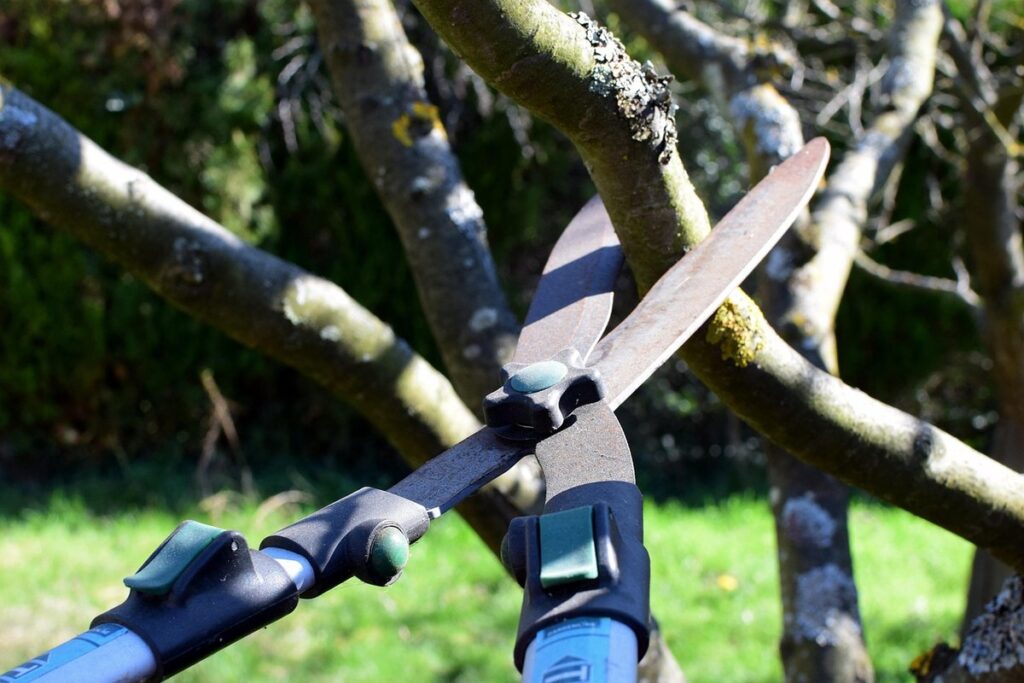
What are Coppicing and Pollarding?
Let’s start by defining these two techniques: coppicing involves cutting back trees to encourage new growth, while pollarding encourages branching through regular pruning.
Understanding the Basics of Coppicing
Coppicing is an ancient forestry practice that involves cutting back tree stems to promote new growth. At its core, coppicing is a technique where branches are cut off at the base of the stem, just above a bud eye, allowing the stump to sprout new shoots. This process encourages a cycle of regrowth, with multiple stems emerging from the same root system.
The benefits of coppicing are numerous. For one, it allows for a continuous supply of wood products, such as firewood and timber, without having to replant or wait years for growth. Coppiced trees can be harvested within just a few years, making them an attractive option for small-scale woodland management. Additionally, coppicing promotes biodiversity by creating a mosaic of different aged stems, providing habitat for wildlife and supporting ecosystem services.
To get started with coppicing, identify tree species that are suitable for the practice – often hardwoods like oak, hazel, or willow work well. Cut branches to about 6-8 inches above a bud eye, making sure to leave some shoots intact to allow for future growth. Monitor and maintain the area, removing any weak or damaged stems to promote healthy regrowth.
The History of Coppicing and Its Cultural Significance
Coppicing has been an integral part of human culture for thousands of years, with evidence suggesting its use dates back to ancient civilizations in Europe, Asia, and Africa. In traditional societies, coppicing was a vital forestry technique used not only for sustainable wood production but also for maintaining ecosystem health. Many cultures revered coppiced trees as sacred, associating them with spiritual significance.
In medieval Europe, coppicing played a significant role in the management of woodland resources. Monasteries and estates employed skilled foresters to manage coppice woods, using the technique to produce fuelwood, timber, and charcoal. This sustainable approach allowed for repeated harvests without depleting the forest’s biodiversity. Similarly, indigenous communities in Africa and Asia used coppicing to maintain their forests’ ecological balance.
Today, many woodland owners continue to adopt this traditional practice as a way to promote biodiversity and reduce the environmental impact of forestry operations. If you’re interested in trying your hand at coppicing, research local species that are well-suited for the technique, such as willow or hazel. Consider attending workshops or seeking guidance from experienced practitioners to learn more about this ancient yet modern practice.
Principles and Techniques of Coppicing
To successfully coppice, you need to understand the fundamental principles that govern this traditional woodland management technique. Let’s break down the essential techniques involved in coppicing a tree.
Choosing the Right Tree Species for Coppicing
When it comes to choosing the right tree species for coppicing, not all trees are created equal. While some species can thrive under this type of management, others may struggle or even fail altogether. To ensure successful coppicing, you’ll want to select species that exhibit characteristics such as rapid growth rate, medium to high wood density, and adaptability to different environments.
Trees like willow (Salix spp.), alder (Alnus spp.), and hazel (Corylus avellana) are excellent choices for coppicing due to their fast growth rates and ability to regenerate quickly from stumps. These species can produce multiple harvests per year, making them ideal for woodland management or timber production.
On the other hand, trees like oak (Quercus spp.) and beech (Fagus sylvatica) are less suitable for coppicing due to their slower growth rates and tendency to form single-stemmed trees. However, some species can be adapted for coppicing with proper training and management, such as using a combination of pruning and coppicing techniques.
When selecting tree species for coppicing, consider factors like climate, soil type, and available sunlight to ensure the chosen species will thrive in your specific environment. By choosing the right tree species for coppicing, you can create a sustainable and productive woodland ecosystem that meets your needs while minimizing environmental impact.
Coppice Stands: Planning and Establishment
Establishing a successful coppice stand requires careful planning and execution. To begin, it’s essential to select a suitable site that receives sufficient light and has well-draining soil. Look for areas with rich organic matter, as this will benefit the health of your trees.
Once you’ve identified a potential site, prepare the soil by removing any debris or weeds. Coppicing works best with tree species that have a strong regenerative ability, such as hazel, willow, and alder. Plant seedlings or saplings in the spring or autumn, spaced approximately 1-2 meters apart to allow for air circulation.
After planting, maintain the stand by controlling competition from weeds and other vegetation. This can be achieved through regular mulching or mowing. Additionally, prune your coppiced trees annually to encourage new growth and promote a healthy, even structure. With proper care and attention, your coppice stand will thrive, providing sustainable timber and habitat for local wildlife for years to come.
Keep in mind that some tree species may require additional support during their establishment phase, such as staking or protection from pests and diseases. Be sure to research the specific needs of your chosen species to ensure optimal growth and development.
Principles and Techniques of Pollarding
Now that you’ve learned the basics of pollarding, let’s dive into the essential principles and techniques to master this ancient pruning practice. Effective pollarding requires a deep understanding of these key concepts.
Understanding the Differences Between Coppicing and Pollarding
While coppicing and pollarding share similarities, they are distinct techniques used to manage and maintain woody plants. One key difference between the two is that pollarding involves cutting individual branches to maintain a desired shape or structure. This approach is often used for ornamental trees, like willows and lindens, where a formal, structured look is desired.
For example, consider a London plane tree (Platanus x acerifolia) being pollarded regularly to maintain its shape and promote new growth. In contrast, coppicing involves cutting the entire stem or stump of a plant to encourage new shoots to grow from the base. This technique is commonly used for plants like hazelnut (Corylus avellana), which can be harvested for their edible nuts.
Pollarding requires more frequent maintenance than coppicing, as individual branches must be cut regularly to maintain the desired shape. However, this approach allows for greater control over the plant’s form and structure, making it a popular choice for urban landscapes. By understanding these key differences, you can choose the best technique for your specific needs and ensure the long-term health and productivity of your woody plants.
The Benefits of Pollarding for Urban Trees
Urban trees can greatly benefit from pollarding, and it’s an essential technique for maintaining healthy and visually appealing urban forests. One of the primary advantages of pollarding is improved tree health. By regularly removing select branches, you reduce the risk of branch failure, which is a significant concern in urban areas where space is limited. This selective pruning also allows for better air circulation around the tree, reducing the likelihood of disease and pest issues.
Pollarding also enhances the aesthetic appeal of urban trees, making them more visually interesting and unique. The process creates a variety of shapes, sizes, and textures, which can be especially beneficial in smaller spaces where a single large tree may dominate. Furthermore, pollarded trees tend to produce more flowers and fruit, adding to their natural beauty.
In addition to these benefits, pollarding is also an eco-friendly way to maintain urban trees, as it reduces the need for herbicides and other chemicals often used in traditional pruning methods.
Comparison Between Coppicing and Pollarding
Now that we’ve covered the basics of coppicing, let’s dive into a key aspect of both techniques: how they compare to each other in terms of maintenance and results.
Key Similarities and Differences Between Coppicing and Pollarding
While coppicing and pollarding share some similarities, they also have distinct differences. Both methods involve pruning trees to promote new growth, but the key difference lies in the timing and technique of pruning. Coppicing involves regular cutting back of stems to ground level, allowing multiple shoots to grow from the same stump. This method is often used for species like willow and hazel.
Pollarding, on the other hand, involves selective removal of branches, usually at the end of each growing season. The aim is to maintain a tree’s shape while encouraging new growth from existing stems. Pollarding is commonly used for trees like oak and plane.
One similarity between the two methods is that they both require regular maintenance to achieve their desired outcomes. However, coppicing tends to be more labor-intensive due to the need for frequent cutting back. In contrast, pollarding requires less maintenance as it focuses on shaping existing branches rather than promoting new growth. By understanding these key similarities and differences, you can choose the best method for your specific tree care needs.
Choosing the Right Technique: Factors to Consider
When it comes to choosing between coppicing and pollarding for your tree management needs, several key factors come into play. The first consideration is the type of tree you’re working with. Different species respond better to one technique than the other. For example, willow and hazel trees are often well-suited for coppicing due to their ability to produce new growth from base cuts, whereas slower-growing species like oak may be more suitable for pollarding.
Another crucial factor is site conditions. Coppicing typically requires a more open space to accommodate the dense regrowth that results from repeated harvesting, while pollarding can be used on smaller sites with more restricted growing areas. It’s also essential to consider your management objectives. If you’re looking to harvest timber regularly, coppicing may be the better choice as it allows for frequent regeneration and harvesting cycles.
Consideration of environmental factors such as climate and soil type is also vital in deciding between these two techniques. The specific conditions on your site can greatly impact how well a particular species responds to either method.
Coppicing and Pollarding for Sustainable Forestry
Coppicing and pollarding are valuable techniques that can help you cultivate a sustainable forest while minimizing waste and maximizing biodiversity. Let’s dive into how these methods work in practice.
The Role of Coppicing and Pollarding in Sustainable Forestry
Coppicing and pollarding are essential tools for sustainable forestry practices. These traditional techniques have been used for centuries to maintain forest health, promote biodiversity, and provide ecosystem services. By cutting certain trees or sections of trees at specific times, foresters can create a stable and resilient forest ecosystem that benefits both people and the environment.
Coppicing involves cutting stems near ground level, allowing new shoots to grow from the roots. This technique encourages multiple stems to grow from a single root system, creating a diverse and dynamic forest structure. Pollarding, on the other hand, involves cutting branches or sections of trees to promote re-growth and maintain a desired shape.
Both coppicing and pollarding contribute significantly to forest health by reducing disease and pest pressure, promoting nutrient cycling, and maintaining soil quality. They also support biodiversity by providing habitat for wildlife and creating complex forest structures that support a wide range of plant and animal species.
Integrating Coppicing and Pollarding into Modern Forestry Practices
Integrating coppicing and pollarding into modern forestry practices is an innovative approach to sustainable forest management. By incorporating these techniques, foresters can promote biodiversity, reduce labor costs, and increase timber yields while minimizing the environmental impact of harvesting.
One key benefit of coppicing and pollarding is that they allow for repeated harvests from the same stem without damaging the tree’s structure. This not only reduces waste but also enables foresters to produce multiple harvests over a shorter period. For instance, some European countries have successfully implemented coppice-with-standards systems, where mature trees are selectively harvested while young regrowth is allowed to flourish.
To integrate coppicing and pollarding into modern forestry practices, consider the following steps:
* Identify suitable tree species that thrive under coppicing or pollarding regimes
* Assess your forest’s ecological conditions and select areas with optimal growth potential
* Implement a silvicultural plan that balances harvest intervals and regrowth rates
* Monitor and adapt your management strategy to respond to changes in climate, pests, and diseases
By embracing these ancient forestry techniques, modern foresters can create more resilient, diverse, and productive forests while ensuring the long-term sustainability of their ecosystems.
Frequently Asked Questions
Can I apply coppicing or pollarding techniques to any tree species, or are there certain trees that respond better?
Some tree species respond exceptionally well to coppicing and pollarding, such as willows, hazels, and oaks. However, others may not tolerate these techniques as well. It’s essential to choose the right tree species for your specific needs and climate. Researching the tree’s growth habits and responses to pruning can help you determine which technique is most suitable.
How often should I prune trees using coppicing or pollarding methods?
The frequency of pruning depends on the specific technique, tree species, and desired outcomes. Coppicing typically requires annual or biennial pruning, while pollarding may need more frequent pruning every 1-3 years to maintain the desired shape. Regular monitoring and adjustment will help you achieve optimal results.
Can coppicing and pollarding be used together in a single forest management plan?
Yes, both techniques can be integrated into a single forest management plan to promote biodiversity and enhance ecosystem services. Coppicing can provide habitat for smaller animals, while pollarding maintains the canopy structure and supports larger wildlife. This combination approach can create a diverse and resilient forest ecosystem.
How do I protect my trees from damage or disease after coppicing or pollarding?
To minimize risks, ensure that pruning tools are clean and disinfected between cuts, and make precise cuts just above a bud eye to promote healthy growth. Regularly inspect your trees for signs of disease or pests and take prompt action if issues arise. Maintaining good tree health through proper pruning practices will help prevent damage.
Can I use coppicing or pollarding in urban areas, and are there any specific considerations I should be aware of?
While both techniques can be applied in urban settings, it’s crucial to consider the space constraints, local regulations, and nearby infrastructure. Urban trees may require more frequent pruning to maintain a safe canopy structure, and choosing species that thrive in smaller spaces is essential. Consult with local arborists or foresters for tailored advice on implementing these practices in your urban area.