
As a gardener or greenhouse owner, you know that snails can be a real nuisance. These slimy creatures can quickly devour your plants, leaving you with costly damage and frustration. That’s where copper tape comes in – a simple yet effective solution to keep snails at bay. But what makes copper tape such an effective deterrent? And how does it work its magic on these pesky mollusks? In this article, we’ll dive into the science behind copper tape’s effectiveness as a snail deterrent and explore alternative methods for snail control in your garden or greenhouse. We’ll also discuss the benefits and limitations of using copper tape as part of an integrated pest management strategy – so you can protect your plants with confidence!
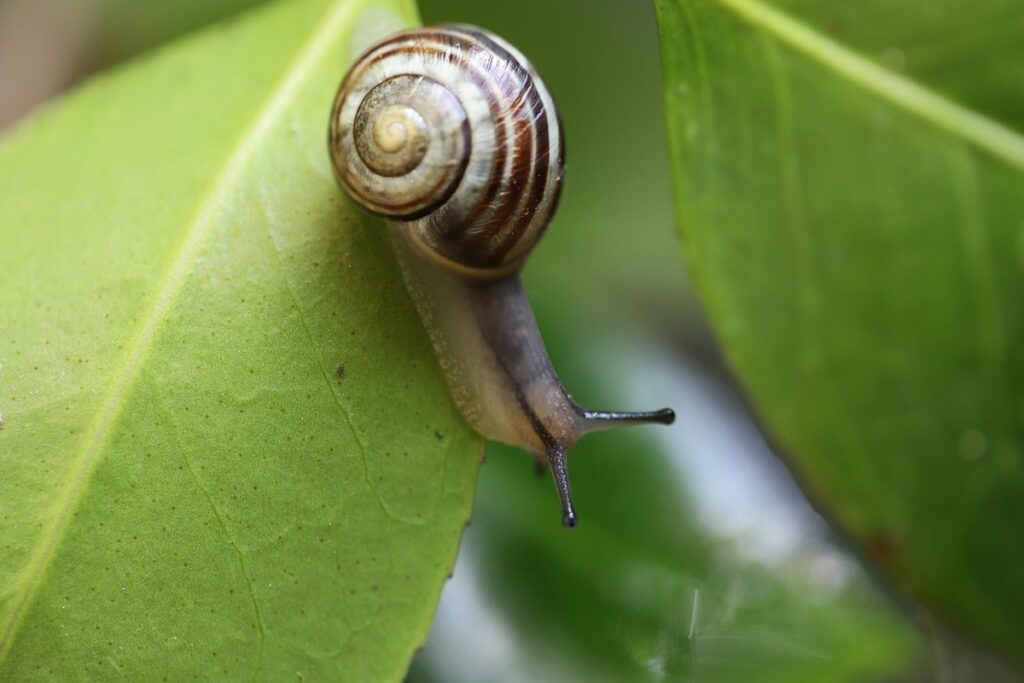
Understanding Snail Damage and Prevention
To protect your garden effectively, it’s essential to understand how snails cause damage and what steps you can take to prevent this destruction from happening in the first place.
Common Causes of Snail Damage to Plants
Snails are attracted to plants with tender shoots and leaves that are soft and succulent. However, there are common causes of snail damage to plants that you might not be aware of.
Overwatering is one of the primary reasons why snails target certain plant species. When soil is consistently moist, it creates an ideal environment for snails to thrive. The moisture also makes it easier for snails to move around and feed on plant matter without being detected. Some examples of plants that are commonly affected by overwatering include African Violets, Begonias, and Geraniums.
Another reason why snails damage plants is due to the lack of calcium in soil. Snails require a significant amount of calcium to build their shells, so they’ll often seek out plants with high levels of this mineral to supplement their diet. Plants like tomatoes, cucumbers, and squash are particularly susceptible to snail damage because they’re high in calcium.
Moist environments can also contribute to snail infestations. Snails tend to migrate towards areas with high humidity and moisture, making it easier for them to cause damage to plants. If you notice snail droppings or shells near your plants, it’s likely that the area is too humid for their liking. By addressing these underlying issues, you can help prevent snail damage to your plants in the long run.
Identifying Snail Infestations Early
Identifying snail infestations early is crucial to prevent significant damage to your plants. To do this, you need to be aware of the signs and symptoms of a snail infestation. One of the most common indicators is the presence of slimy trails on leaves and stems. These trails are made by the mucus produced by snails as they move around.
Another sign of a snail infestation is the appearance of holes in leaves, particularly on the underside where snails often feed at night. You may also notice gnawed stems or plant stalks, which can be easily damaged by snails’ teeth. If you suspect a snail infestation, inspect your plants carefully for these signs.
To detect these indicators more effectively, check your plants regularly, especially during the night when snails are most active. Look for areas with high humidity and moisture, as these conditions favor snail activity. Also, keep an eye out for snail shells or eggs in the vicinity of infested plants.
Copper Tape as a Deterrent: Does it Work?
You’re probably wondering if copper tape is an effective solution to keep snails away from your plants. Let’s dive into whether this method actually works.
The Science Behind Copper Tape’s Effectiveness
When it comes to understanding why copper tape is an effective deterrent for snails, we need to look at the chemical properties of copper itself. Copper has a unique ability to stimulate mucus production in snails, which can lead to an adverse reaction. This reaction occurs because copper triggers the release of excess mucus from the snail’s body, causing it to become sluggish and disoriented.
As a result, when copper tape is applied to plants or surfaces, it essentially creates an environment that is unappealing to snails. The copper acts as a signal to the snail’s nervous system, warning it of potential harm. This can lead to reduced snail activity in the surrounding area, as they tend to avoid areas with high levels of copper. In fact, studies have shown that copper tape can reduce snail infestations by up to 90% when used correctly.
To get the most out of using copper tape for snails, it’s essential to apply it consistently and ensure good coverage of the affected area. This might involve applying multiple strips or covering entire plants with a single sheet.
Variations in Copper Tape Types and Quality
When it comes to choosing copper tape as a snail deterrent, understanding the variations in types and quality is crucial for effectiveness. There are two primary categories of copper tape: adhesive-backed and non-adhesive varieties.
Adhesive-backed copper tapes are the most common type and feature a strong adhesive that sticks well to surfaces like stone, wood, and plastic. They’re effective against snails due to their ability to form a tight seal around plants, preventing snail entry. However, their adhesive can lose potency over time, reducing effectiveness. Non-adhesive copper tapes, on the other hand, don’t stick to surfaces but instead release ions that repel snails. These are more durable and less prone to degradation.
Factors influencing quality include material thickness, copper content percentage, and manufacturing process. Look for tapes with a minimum 99% copper content and a thickness of at least 0.15 mm for optimal results. Regular cleaning and replacement can also impact performance – ideally replace adhesive-backed tape every 6-12 months to maintain its effectiveness.
Installing Copper Tape for Maximum Effectiveness
Before you start installing copper tape, it’s essential to understand how to apply it correctly around your plants to prevent snails from crossing. This will ensure the tape remains effective in deterring these pests.
Strategic Placement for Optimal Protection
When it comes to installing copper tape for maximum effectiveness against snails, strategic placement is crucial. To get the most out of this simple yet effective solution, you’ll want to consider placing the tape around plants, pathways, and boundary areas.
Start by circling the base of vulnerable plants with copper tape, making sure to cover a few inches of soil around each stem. This will prevent snails from crawling up the plant’s legs and into the leaves. You can also place tape along garden paths or walkways, creating a barrier that deters snails from crossing over.
Consider the aesthetics when placing your copper tape, as it may not be the most visually appealing option. However, the benefits far outweigh any potential design drawbacks. You might opt to hide the tape behind rocks, logs, or other decorative elements to maintain your garden’s appearance while still protecting your plants.
When deciding where to place your copper tape, accessibility is also a key consideration. Make sure you can easily reach the areas where you’ve placed the tape for maintenance and replacements as needed.
Tips for Applying and Replacing Copper Tape
When applying copper tape to protect plants from snail damage, it’s essential to do so correctly for maximum effectiveness. Start by cleaning the surface area where you plan to apply the tape. This will ensure that the adhesive on the copper tape can bond properly with the substrate.
Next, measure carefully and cut the tape to size using scissors or a craft knife. A general rule of thumb is to apply 2-3 strips per plant, spaced about an inch apart, starting from the base of the stem and working your way up.
To secure the tape in place, gently press it down onto the surface, making sure it’s smooth and even. If necessary, use a small amount of water or soap solution to help the adhesive stick.
For maintenance, inspect the copper tape regularly for signs of damage or wear. Replace any torn or loose sections promptly, typically every 1-3 months depending on weather conditions and snail activity in your area.
Alternative Methods for Snail Control
While copper tape is a proven snail deterrent, there are other creative and effective methods you can try to protect your garden without relying on repellents. Let’s explore some of these alternatives together.
Organic and Non-Toxic Solutions
If you’re looking to control snail populations without using copper tape, there are several effective and non-toxic solutions available. One popular option is crushed eggshells, which can be placed around plants to deter snails from crossing over. The sharp edges of the eggshells make it uncomfortable for snails to move, effectively keeping them away.
Another alternative is sharp gravel or grit, which can also be used as a barrier to prevent snail entry. However, be aware that snails may still find ways around these barriers if they’re determined enough. On the other hand, beer traps are a more humane option that’s worth considering. Snails are attracted to the smell of beer and will crawl into the trap where they can be disposed of humanely.
When using any of these non-copper methods, it’s essential to consider their effectiveness in relation to your specific snail problem. For example, if you have a large infestation, crushed eggshells may not be enough on its own, while beer traps might be more efficient for smaller numbers. It’s also worth noting that these alternatives often require more maintenance and effort than copper tape solutions.
Integrated Pest Management Strategies
When it comes to managing snail infestations, copper tape is an effective solution, but it’s even more powerful when used as part of a comprehensive integrated pest management (IPM) strategy. IPM involves combining multiple methods to control pests while minimizing harm to the environment and human health.
By incorporating copper tape into your IPM plan, you can significantly reduce snail populations and prevent future infestations. One key advantage of using copper tape is its ability to deter snails from crossing over or feeding on treated areas. This not only reduces snail numbers but also prevents them from spreading disease to plants.
To maximize the effectiveness of copper tape in your IPM strategy, consider combining it with other non-toxic methods such as hand-picking, physical barriers, and cultural controls (e.g., eliminating moist hiding spots). For example, you can place copper tape around plant stems or along garden paths, while simultaneously removing weeds that may be sheltering snails. This multi-faceted approach will not only reduce snail populations but also promote a healthier ecosystem in your garden.
Safety Precautions and Health Considerations
When working with copper tape for snails, it’s crucial to take necessary precautions to avoid potential harm to yourself, your family, and the environment. Please carefully review these essential safety guidelines before proceeding.
Risks Associated with Copper Tape Use
When handling copper tape, it’s essential to be aware of the potential risks associated with its use. Some individuals may experience skin irritation or allergic reactions due to the adhesive properties of the tape. This is particularly true for people who have sensitive skin or allergies.
If you notice any redness, itching, or swelling after using copper tape, discontinue its use immediately and wash your hands thoroughly. It’s also crucial to handle the tape carefully to avoid causing physical harm. For instance, if you accidentally press the adhesive side of the tape onto your skin, it can cause irritation.
To minimize risks, make sure to wear gloves when handling copper tape. This will prevent direct contact with the adhesive and reduce the likelihood of skin irritation. Additionally, ensure good ventilation in the area where you’re using the tape, as inhaling its fumes can also be hazardous. By taking these precautions, you can safely use copper tape for snail control while minimizing potential risks.
Safe Handling and Storage Practices
When handling copper tape specifically designed to deter snails, it’s essential to follow proper storage and disposal practices to minimize potential risks. Always store used copper tape in a dry, well-ventilated area away from children and pets. Make sure the container is tightly sealed to prevent accidental exposure to its active ingredients.
When disposing of used copper tape, ensure you follow local regulations regarding hazardous waste disposal. Copper tape can be toxic if ingested or if it comes into contact with sensitive skin, so proper handling and storage are crucial.
To dispose of used copper tape safely:
* Wrap the tape tightly in a plastic bag to prevent accidental exposure
* Label the bag clearly as “Hazardous Waste”
* Dispose of it through your local hazardous waste collection program
Remember that even after use, copper tape can retain its effectiveness for some time. Always wash your hands thoroughly with soap and water before handling other plants or surfaces near areas where you’ve applied copper tape.
Conclusion: Choosing the Right Snail Deterrent
Now that you’ve learned how to use copper tape effectively, it’s time to wrap up your snail-deterrent arsenal by choosing the right solution for your garden. We’ll guide you through this final decision.
Recapitulating Copper Tape’s Benefits and Limitations
When it comes to choosing a snail deterrent, copper tape is an effective option that offers several benefits over other methods. For one, its non-toxic and environmentally friendly nature makes it a great choice for gardeners who want to protect their plants without harming the ecosystem. Additionally, copper tape’s adhesive properties allow it to be easily applied to surfaces, making it simple to set up and manage.
However, like any deterrent, there are some limitations to consider. For example, if you have a large area to cover or a heavy snail infestation, copper tape may not be the most efficient solution. Furthermore, while copper tape is effective against garden snails, it may not work as well for other types of pests, such as slugs or insects.
In situations where copper tape’s limitations are a concern, consider combining it with other methods, like hand-picking snails at night or using beer traps to supplement your defense. This hybrid approach can help maximize the effectiveness of your snail control strategy and ensure that your garden remains healthy and pest-free.
Final Tips for Effective Snail Control
When it comes to creating an effective snail-resistant garden ecosystem, copper tape is just one piece of the puzzle. To truly protect your plants from these pesky pests, consider incorporating complementary methods alongside using copper tape.
For instance, you can create a barrier around your plants by mixing crushed eggshells or sharp sand into the soil, making it difficult for snails to penetrate. You can also use physical barriers like fine-mesh screens or copper mesh to cover individual plants or entire beds. Another option is to plant snail-repellent species alongside your desired plants, such as marigolds and garlic.
Regular maintenance is also crucial in keeping your garden snail-free. Remove any debris, weeds, or infested plants immediately to prevent snails from finding shelter and food. Keep your soil moist but not waterlogged, as this can attract snails. Finally, inspect your garden regularly for signs of snail activity and reapply copper tape or other deterrents as needed.
Frequently Asked Questions
Can I use copper tape around plants with sensitive roots, like roses or orchids?
Copper tape is generally safe to use around most plant species, but it’s essential to exercise caution when using it near plants with sensitive roots. To avoid any potential harm, start by applying a small test patch of copper tape around the base of the plant and monitor its reaction over several days.
How long does copper tape last as a snail deterrent?
Copper tape is a relatively durable solution that can last for months or even years when properly installed and maintained. However, its effectiveness may diminish over time due to weathering or damage from pests like slugs. Regular inspections and replacements every 6-12 months are recommended to ensure optimal protection.
What if I already have snails in my garden – will copper tape repel them instantly?
No, copper tape won’t immediately repel snails that are already present in your garden. For best results, install the tape around the perimeter of your garden or greenhouse before introducing it as a barrier to prevent future infestations.
Can I use copper tape in combination with other snail control methods?
Yes, copper tape is often used as part of an integrated pest management strategy (IPM) that combines multiple methods for controlling snails. By combining copper tape with organic or non-toxic solutions, you can create a more comprehensive and effective snail control plan.
How do I dispose of old or damaged copper tape safely?
When disposing of old or damaged copper tape, follow proper waste management practices to minimize the risk of environmental contamination. Cut the tape into smaller pieces and wrap them in a sealed plastic bag before throwing it away with regular household trash.