
As we delve into the world of flowers, it’s easy to get caught up in the ordinary – sunflowers, daisies, and roses are lovely, but have you ever stopped to appreciate the truly extraordinary blooms that exist? The rarest and most exotic flowers from across the globe hold secrets and surprises that will leave you in awe. From their unique characteristics and vibrant colors to their fascinating life cycles, these stunning flowers are a true marvel of nature. But it’s not just their beauty that makes them special – many of these flowers also come with significant cultivation challenges and unconventional uses. In this article, we’ll take a closer look at the coolest flowers ever, exploring their conservation efforts, cultivation difficulties, and the ways in which they’re used by people around the world.
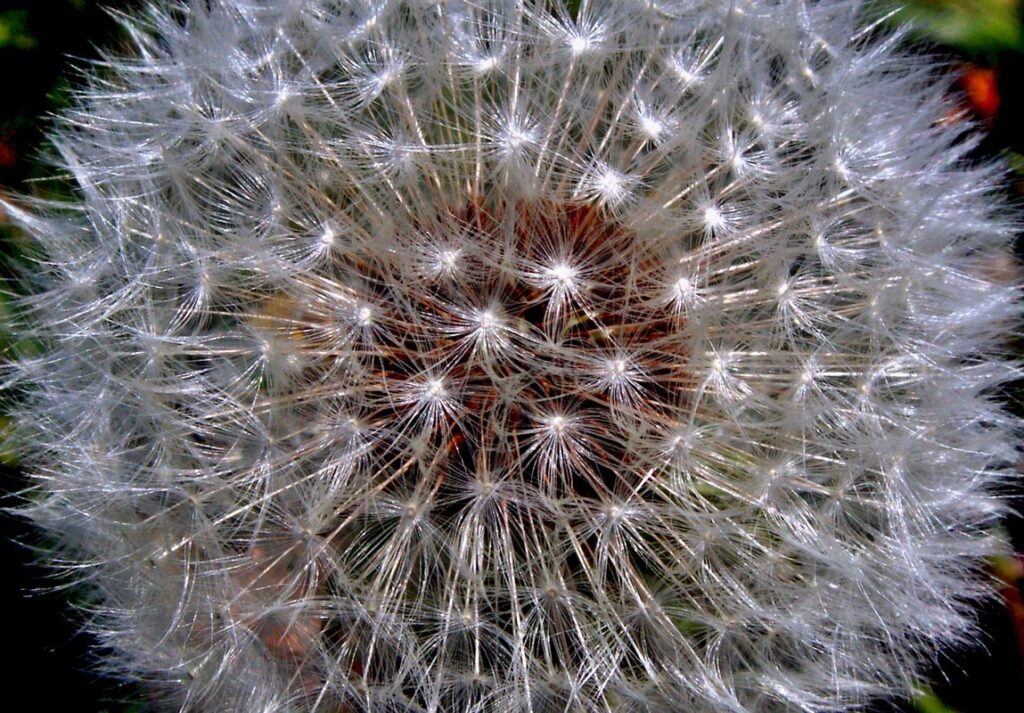
Rare and Exotic Flower Species
As we venture into the world of rare and exotic blooms, you’ll discover some truly breathtaking species that are found nowhere else on Earth. From delicate orchids to show-stopping heliconias, get ready to be amazed!
Discovering Hidden Gems: Uncommon Flowers from Around the World
As we explore the world of rare and exotic flowers, it’s time to uncover some hidden gems that will leave you speechless. Let’s venture into the uncharted territories of flower enthusiasts and discover some uncommon blooms from around the globe.
One such gem is the Kadupul Flower (Brahmaea wallichii) found in Sri Lanka. This rare flower blooms only at night, releasing its fragrance to attract pollinators. By morning, it wilts and dies, making it a fleeting yet breathtaking sight. To spot this beauty, plan your visit during the monsoon season when the flowers are most abundant.
Another unique find is the Ghost Orchid (Dendrophylax lindenii) native to Florida’s swamps. Its translucent petals blend seamlessly with its surroundings, making it nearly invisible to the naked eye. To increase your chances of spotting this ethereal bloom, visit the Fakahatchee Strand Preserve State Park during the spring season when the orchids are in full bloom.
Lastly, the Kadupul-like Rafflesia arnoldii, found in Southeast Asia’s rainforests, is another rare sight to behold. This parasitic plant produces the largest individual flower in the world, measuring up to 3 feet in diameter. To observe this phenomenon, join a guided tour during the dry season when the flowers are most likely to bloom.
These uncommon flowers remind us that there’s still so much to discover and appreciate in the natural world. By planning ahead and venturing into uncharted territories, you too can stumble upon these hidden gems and experience their beauty firsthand.
Exploring Cultivation Challenges: Growing Rare Flowers in Your Garden
Growing rare flowers can be a thrilling experience, but it also comes with its fair share of challenges. One of the most significant difficulties is replicating their specific growing conditions and care requirements. For instance, the exotic Kadupul flower blooms only under the light of a full moon and wilts before dawn. To cultivate this flower, you’ll need to provide a controlled environment with a precise temperature range and high humidity levels.
Other rare flowers like the Slipper Orchid require a delicate balance of light, water, and nutrients. They thrive in well-draining acidic soil and prefer filtered sunlight. To ensure their survival, you must also maintain a consistent temperature between 65°F to 75°F (18°C to 24°C) and provide regular repotting every two to three years.
When growing rare flowers, it’s essential to research their specific needs and create a customized care plan. This might involve experimenting with different soil types, pruning techniques, or even using specialized lighting systems. By doing so, you’ll be able to create an ideal environment for these unique blooms to flourish.
Vibrant Blooms That Stand Out from the Crowd
Among the coolest flowers ever, some truly stand out for their unique shapes, colors, and textures that are sure to brighten up any garden. Let’s take a closer look at these show-stopping blooms!
Unconventional Colors: Flowers with Unique Hue Properties
When it comes to making a statement with flowers, it’s not just about selecting a vibrant bloom – it’s also about choosing one that defies conventional color norms. Enter the world of unconventional colors: flowers that possess unique hue properties, making them truly stand out from the crowd.
Take the Rafflesia arnoldii, for instance, which boasts a deep reddish-brown color and is often referred to as the “corpse lily” due to its strong scent. This rare flower is found in the rainforests of Southeast Asia and is known for its striking appearance. Another example is the Slipper Orchid (Paphiopedilum spp.), which comes in a range of unusual colors, including pink, white, and even black.
If you’re looking to incorporate these unique blooms into your garden or floral arrangements, consider pairing them with more subtle flowers to avoid overwhelming the senses. You could also experiment with different lighting conditions to bring out the true depth of color in these special flowers. By doing so, you’ll be able to create truly one-of-a-kind arrangements that are sure to turn heads.
Fanciful Shapes and Forms: The Most Intriguing Flower Morphologies
When it comes to flowers that truly stand out from the crowd, their unique shapes and forms are often just as captivating as their vibrant colors. Take, for example, the Slipper Orchid (Paphiopedilum spp.), a genus of orchids known for its distinctive slipper-shaped flowers. These unusual blooms have three petals: two large ones that form the “slipper” part, and one smaller petal that’s usually more colorful. The Rafflesia arnoldii is another remarkable example – it’s a parasitic plant with flowers that can grow up to 3 feet in diameter! What makes these blooms even more incredible is their extremely short life cycle: the flower blooms for just five days, after which it wilts and dies.
Some of these fascinating flowers are perfect for adding an exotic touch to your garden or indoor space. If you’re feeling adventurous, consider growing a Slipper Orchid in a well-draining potting mix. Remember that these plants require high humidity and filtered light, so make sure to provide the right conditions for them to thrive.
Flowers with Unusual Life Cycles or Behaviors
Some flowers have life cycles that defy convention, while others exhibit behaviors that are truly one-of-a-kind. Let’s explore these fascinating blooms together!
Dormant but Not Dead: The Science Behind Floral Hibernation
In some parts of the world, certain flowers are said to “hibernate” during periods of harsh weather or extreme temperatures. But what exactly does this mean? Simply put, dormancy is a state where plants enter a period of reduced activity, slowing down their growth and metabolic processes to conserve energy.
Plants like cyclamen and begonias will often experience dormancy in the summer months when temperatures rise above 75°F (24°C). They’ll seal off their leaves from the stem, essentially putting themselves into stasis, and wait for the cooler temperatures of fall or spring. This adaptation allows them to survive periods of drought or heat stress.
Some plants, like certain types of orchids, even have a built-in system called “reproductive dormancy.” During this time, they’ll stop producing flowers and focus all their energy on storing nutrients in their rhizomes (underground stems). When the weather cools down, they’ll resume flowering. Understanding these unique life cycles can be helpful for gardeners who want to coax even more blooms from their plants.
To encourage dormancy in your plants, make sure to provide them with consistent moisture and temperatures during their active growing seasons. Then, gradually reduce watering as the days shorten or temperature drops, allowing your plant to naturally enter its dormant state.
Faux Flowers That Mimic Reality: Examples of Deceptive Blooms
Some flowers have evolved to create an illusion of unusual behavior, often to attract pollinators or protect themselves from herbivores. These “deceptive blooms” can mimic the appearance and scent of real flowers, but with unique twists that set them apart. Take, for example, the Rafflesia arnoldii, which produces the largest single flower in the world – a 3-foot-wide bloom that looks like it’s made of rotting flesh.
But what about flowers that don’t even need pollinators to reproduce? The Blasia purpurea is a liverwort that can self-pollinate, essentially making it a solo operation. Its tiny flowers are often overlooked by humans, but they’re actually highly efficient at fertilizing themselves.
Other examples include the sensitive plant (Mimosa pudica), which folds up its leaves when touched, creating a “shy” appearance. And then there’s the Venus flytrap (Dionaea muscipula), whose leaves snap shut to capture insects – an unusual behavior that might give you pause.
Record-Breaking Flowers: The Tallest, Smelliest, and Most Bizarre
Get ready to be amazed by the extraordinary world of record-breaking flowers, where nature’s creativity knows no bounds. We’ll explore the tallest, smelliest, and most bizarre blooms that will leave you speechless!
Height Matters: The World’s Tallest Flowers and Trees
When it comes to height, flowers can get incredibly dramatic. The world’s tallest flowering plants are truly awe-inspiring, with some species reaching heights of over 30 feet! Take the Titan Arum (Amorphophallus titanum), for example – this rare and exotic plant produces the largest single flower in the world, measuring up to 10 feet tall.
Another impressive contender is the Talipot Palm (Corypha umbraculifera), which can grow up to 60 feet tall. Its massive leaves are a deep green color and can reach lengths of up to 20 feet, creating an umbrella-like effect that’s simply breathtaking. But what’s behind these towering growth patterns? Adaptation is key – many of the world’s tallest flowers have evolved to grow in shaded areas or under dense canopies, where sunlight is scarce.
In fact, some species have developed unique adaptations to reach light sources that would be inaccessible to shorter plants. For example, the Treetop Bromeliad (Guzmania lingulata) produces a long, thin flower spike that reaches up towards the sky, allowing it to soak up precious sunlight in shaded areas.
Pungent Perfumes: The Strongest-Smelling Flowers on Earth
Pungent perfumes are not just a niche interest for flower enthusiasts; they’re also a vital survival strategy for many species. Strong-smelling flowers like the Titan Arum (Amorphophallus titanum) and Rafflesia arnoldii have developed overpowering fragrances to attract pollinators while deterring predators.
The Titan Arum, often called the “corpse flower,” produces the strongest fragrance in the plant kingdom, emitting a stench that’s compared to rotting flesh. This smell is a defense mechanism, warning potential herbivores to stay away from its toxic nectar. On the other hand, Rafflesia arnoldii attracts carrion-feeding flies with its putrid aroma.
Some species use pungent perfumes as an attraction strategy. For instance, the Pitcher Plant (Nepenthes mirabilis) emits a sweet, fruity fragrance to draw in pollinators and unsuspecting prey. These unique scents not only protect but also lure. As you explore these remarkable blooms, remember that their potent fragrances serve multiple purposes – it’s all about balance between defense and attraction.
To appreciate these pungent perfumes, observe them in their natural habitats or plant them in your garden with caution. Note the specific time of day when they release their fragrance for maximum impact.
History’s Most Enigmatic and Elusive Flowers
From the mystical Slipper Orchid to the rare Ghost Orchid, we’ll delve into the fascinating world of flowers that continue to evade scientists and capture our imagination. These enigmatic blooms are shrouded in mystery.
Forgotten Blooms: Lost Species Rediscovered in Modern Times
In recent years, several once-lost flower species have been rediscovered and reintroduced to cultivation. Take the case of the Kadupul Flower (Brahmaea wallichii), also known as the “Queen of the Night” or “Moonlight Bloom.” Native to Sri Lanka, this rare orchid was thought to be extinct until a team of botanists discovered it in 2006.
What makes the Kadupul Flower so fascinating is its extremely short blooming period. It only blooms at night and wilts before dawn, making it an elusive find for even seasoned botanists. To cultivate this flower, specialized greenhouses with precise temperature and humidity controls are required.
Another example of a rediscovered species is the Ghost Orchid (Dendrophylax lindenii). This epiphytic orchid was once thought to be extinct in the wild but has since been reintroduced into cultivation through careful breeding programs. The Ghost Orchid’s unique, leafless appearance and ability to thrive on trees make it a sought-after specimen among collectors.
For those interested in cultivating rare flowers like these, start by researching local nurseries or online suppliers that specialize in exotic blooms. Consider investing in specialized equipment, such as greenhouses or humidity-controlled terrariums, to create the ideal conditions for your chosen species.
Legendary Flowers with Shrouded Origins: Fact vs. Fiction
Some of the most captivating flowers have shrouded origins that have been woven into myths and legends over time. The tale of the Slipper Orchid, for instance, has been distorted by centuries of storytelling. Believed to be the favorite flower of a Chinese emperor, its delicate shape was said to resemble his slippered foot. However, there’s no concrete evidence to support this claim, leaving many to wonder if it’s just a myth.
The Rafflesia is another example of an enigmatic bloom with uncertain origins. This parasitic plant produces one of the largest single flowers in the world, emitting a strong odor that attracts carrion flies and beetles. Its origins are as mysterious as its smell, sparking debate among botanists about where it truly comes from.
It’s essential to separate fact from fiction when examining these enigmatic flowers. By understanding their true nature, we can appreciate their unique characteristics all the more. So, the next time you’re tempted by tales of exotic blooms, remember to dig deeper and verify the facts.
Unconventional Uses for Rare and Exotic Flowers
You might be surprised at just how versatile some of these unique blooms can be, from perfumes to potions, their uses are as varied as they are fascinating. Let’s explore a few unconventional examples.
Beyond Decorative Arrangements: The Practical Applications of Rare Blooms
While rare blooms are often associated with decorative arrangements, they also hold incredible value beyond their aesthetic appeal. Many of these exotic flowers have been used for centuries in traditional medicine, offering potential remedies for a range of ailments.
For instance, the Foxglove plant contains digoxin, a cardiac glycoside used to treat heart conditions such as atrial fibrillation and congestive heart failure. Similarly, the Bloodroot flower has anti-inflammatory properties, making it a valuable ingredient in herbal remedies. Other rare blooms like the Slipper Orchid and the Ghost Orchid contain compounds that have been shown to exhibit antimicrobial activity.
Some cultures also utilize these flowers as a food source. The Vanilla orchid, for example, is not only prized for its fragrant blooms but also for its edible seeds, which are used to create the world’s most expensive spice – vanilla extract. By exploring the practical applications of rare flowers, we can appreciate their value and significance in both traditional medicine and culinary contexts.
Symbolism and Significance: Using Exotic Flowers in Art, Fashion, and Culture
Exotic flowers have long been used as symbols of luxury, mystery, and beauty, making them a staple in art, fashion, and cultural contexts. Take the orchid, for example, which is often associated with sophistication and refinement due to its unique shape and delicate appearance. In art, the orchid has been featured prominently in works by renowned artists like Monet and Picasso, symbolizing elegance and sensuality.
In fashion, exotic flowers are used as a motif to add an air of mystery and allure to designs. The Victorians, for instance, popularized the use of exotic flowers like the gardenia and the jasmine in their elaborate floral arrangements and embroidery. Today, designers continue to draw inspiration from these unique blooms, incorporating them into intricate patterns and embellishments.
When working with exotic flowers in art or fashion, it’s essential to understand their symbolic meanings. For example, the peony is often associated with good fortune and prosperity, making it a popular choice for wedding bouquets and arrangements. By incorporating these symbols thoughtfully, you can add depth and meaning to your creations.
Conclusion and Future Prospects for Rare Flower Conservation
As we’ve explored the fascinating world of rare flowers, let’s now take a step back to summarize our journey and look ahead at what the future holds for these stunning blooms.
Protecting Our Horticultural Heritage: Challenges and Opportunities in Preserving Rare Species
As we conclude our journey through the coolest flowers ever, it’s essential to acknowledge the importance of preserving rare species that have captured our hearts. Unfortunately, many of these breathtaking blooms are facing threats such as habitat loss, climate change, and human exploitation. The consequences of losing these unique flowers would be catastrophic, not just for their ecosystems but also for future generations who might cherish them.
To combat this issue, ongoing conservation efforts are underway to protect rare flower species. For instance, the Royal Botanic Gardens in Kew, London, has a dedicated team working on ex situ conservation programs, where they cultivate and propagate endangered plants in controlled environments. This approach allows for the preservation of sensitive species while also creating new opportunities for research and education.
As an enthusiast, you too can contribute to these efforts by supporting organizations like Plant Conservation International or joining local botanical gardens’ volunteer programs. By working together, we can ensure that the coolest flowers ever continue to thrive and inspire future generations.
Investing in Tomorrow’s Blooms: Innovations in Cultivation and Breeding
As we’ve explored the incredible diversity of rare flowers, it’s clear that their survival depends on innovative approaches to cultivation and breeding. Emerging technologies are revolutionizing the way we care for these delicate blooms.
Genetic engineering is playing a significant role in enhancing flower varieties’ resilience to environmental stresses. Scientists can now manipulate genes to make rare flowers more resistant to disease, pests, and harsh weather conditions. For instance, researchers have used CRISPR technology to develop drought-tolerant orchids that can thrive in arid environments.
Cutting-edge horticulture practices are also changing the game for rare flower conservation. Techniques like hydroponics and aeroponics enable precise control over nutrient delivery, allowing growers to optimize conditions for sensitive species. These methods also reduce water consumption and minimize waste, making them a more sustainable choice.
By embracing these innovations, we can ensure the continued blooming of tomorrow’s most extraordinary flowers. As enthusiasts, we have a crucial role in supporting research and development in this field. By staying up-to-date with the latest advancements and adopting best practices in our own gardens, we can contribute to the long-term preservation of these natural treasures.
Frequently Asked Questions
Can I grow rare flowers in my own garden, or is it too challenging?
While growing rare flowers can be a rewarding experience, it often requires specialized knowledge and equipment. Many rare flower species are sensitive to temperature, humidity, and light conditions, making it difficult for amateur growers to replicate their natural environments. However, with proper research and planning, some rare flowers can thrive in home gardens.
How do I ensure the long-term conservation of rare and exotic flower species?
Conservation efforts often rely on a combination of protection from over-harvesting, habitat preservation, and education about these delicate blooms. Support organizations that work to protect rare flower habitats, and consider supporting local nurseries or botanical gardens that prioritize conservation.
What are some practical applications for rare flowers beyond decorative arrangements?
Rare flowers have been used in traditional medicine, perfumery, and even as natural dyes. Some species have also shown potential for biofuel production and water purification. These unique properties make them valuable resources worth exploring further.
Can I cultivate rare flowers using conventional gardening methods, or do I need specialized equipment?
While some rare flower species can be grown with conventional methods, many require specific conditions that may not be easily replicable in home gardens. Consider consulting with experts or joining online communities to learn about specialized growing techniques and equipment.
How can I support the preservation of rare flowers and their habitats, especially if I’m not a professional horticulturist?
Anyone can contribute to rare flower conservation by spreading awareness, supporting local initiatives, and making informed purchasing decisions. Look for certifications like “sustainably sourced” or “environmentally friendly,” which can indicate responsible cultivation practices.