
As a gardener, you know that a thriving vegetable garden requires more than just water, sunlight, and fertile soil. It also needs a delicate balance of beneficial insects to pollinate and protect your crops. However, pests like aphids, slugs, and snails can quickly ruin your harvest if left unchecked. These common garden invaders may seem like an unavoidable problem, but the truth is that you have control over their presence. By implementing Integrated Pest Management (IPM) strategies, you can learn how to identify and manage these pests while encouraging beneficial insects like bees and ladybugs to visit your garden. In this article, we’ll explore effective prevention and control methods to help you maintain a healthy and productive vegetable garden, all without resorting to harsh chemicals or toxic pesticides.
Introduction to Vegetable Garden Insects
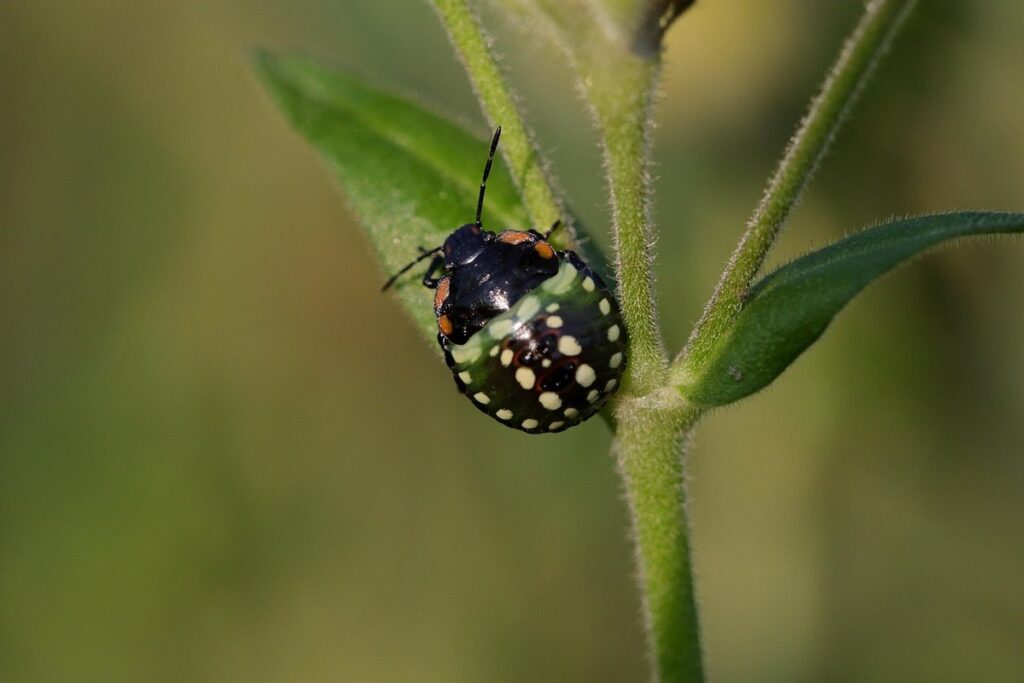
As a gardener, it’s essential to understand which insects are beneficial and which ones can harm your vegetable garden. This introduction will cover some of the most common pests you’ll encounter in your garden.
Types of Vegetable Garden Insects
When it comes to vegetable gardens, insects can be both beneficial and detrimental. Understanding the different types of insects that inhabit your garden is crucial for effective management. On one hand, beneficial insects like bees, butterflies, and ladybugs play a vital role in pollination and pest control. These helpful insects can be encouraged by planting insect-friendly flowers and herbs.
On the other hand, pests like aphids, whiteflies, and slugs can cause significant damage to your crops. Aphids, for instance, can spread diseases and reduce plant growth, while whiteflies can transmit viruses and weaken plants. Slugs, with their slimy trails, can devour leaves and stems, leaving behind a trail of destruction.
To manage these pests effectively, it’s essential to identify them early on. Keep an eye out for signs like holes in leaves or stems, sticky honeydew droplets, or actual insect sightings. Knowing the different types of insects in your garden will help you tailor your management strategies and make informed decisions about integrated pest management (IPM) practices. By doing so, you’ll be able to strike a balance between maintaining a healthy ecosystem and protecting your crops from harm.
Importance of Identifying Vegetable Garden Insects
Identifying the specific type of insect infesting your vegetable garden is crucial for effective management and control. Without proper identification, you may end up using the wrong treatment methods, which can not only be ineffective but also harm your plants or even the environment.
For instance, if you mistake a beneficial insect like a ladybug for an aphid-eating pest, you might inadvertently harm it with pesticides. On the other hand, if you misidentify a pest like the cucumber beetle as a harmless fly, you may miss the opportunity to take corrective action.
To identify vegetable garden insects accurately, observe their physical characteristics, such as shape, size, color, and any distinctive markings. Note their behavior, habitat, and feeding patterns. Research online or consult with local gardening experts to confirm your identification. This knowledge will enable you to choose the most suitable control methods, thereby minimizing harm to beneficial insects and ensuring a healthier, more productive vegetable garden.
Beneficial Insects in Vegetable Gardens
Now that we’ve explored some common pests, let’s focus on the good guys: beneficial insects that will help keep your vegetable garden healthy and thriving. We’ll discuss their role in a balanced ecosystem.
Pollinators: Bees, Butterflies, and More
Pollinators are among the most vital insects in your vegetable garden. They’re responsible for transferring pollen between plants, facilitating seed production and fruit development. Without pollinators like bees, butterflies, and others, many vegetables wouldn’t be able to reproduce.
Bees are perhaps the most well-known pollinators due to their incredible efficiency. They visit numerous flowers daily, collecting nectar while inadvertently spreading pollen from one plant to another. Native bees tend to prefer specific plants over others, making it essential for gardeners to incorporate bee-friendly species like sunflowers and lavender into their gardens.
Butterflies also play a significant role in pollination. They’re particularly drawn to brightly colored flowers with strong scents. By incorporating these types of plants into your vegetable garden, you can attract butterflies that will pollinate your crops.
Other pollinators include wasps, moths, and beetles. While often misunderstood as pests, many species contribute positively to the garden ecosystem. For example, carpenter bees are excellent pollinators but also help control pest populations by preying on aphids and other insects.
Ladybugs and Lacewings: Natural Predators of Pests
Ladybugs and lacewings are two of the most beneficial insects you can have in your vegetable garden. These natural predators feed on aphids, whiteflies, and other pests that can cause significant damage to your plants.
Ladybugs, also known as lady beetles or ladybird beetles, are recognized by their distinctive red and black spots. They are voracious eaters, consuming up to 60 aphids per hour! To attract ladybugs to your garden, plant nectar-rich flowers like marigolds and cosmos, which provide a source of food for these beneficial insects.
Lacewings, on the other hand, have delicate, lace-like wings and long, thread-like tails. They are active hunters that feed on aphids, mealybugs, and scale insects. To encourage lacewing populations in your garden, avoid using broad-spectrum pesticides, which can harm these beneficial insects. Instead, introduce lacewings to your garden by purchasing them from a reputable supplier or creating a welcoming environment with plenty of shelter and food sources.
By introducing ladybugs and lacewings to your vegetable garden, you can significantly reduce pest populations without relying on chemical pesticides.
Common Pest Insects Found in Vegetable Gardens
Some of the most frustrating pests you’ll encounter in your vegetable garden are aphids, whiteflies, and spider mites, which can cause significant damage if not addressed promptly. Let’s take a closer look at these common culprits.
Aphids: Small but Devastating
Aphids are perhaps one of the most insidious pests you’ll encounter in your vegetable garden. These tiny insects may be small, but their impact can be devastating if left unchecked. To understand and manage aphid infestations effectively, it’s essential to grasp their life cycle.
Aphids reproduce rapidly, with some species capable of producing up to 10 generations in a single summer. This exponential growth rate allows them to overwhelm even the healthiest plants, causing curled or distorted leaves, stunted growth, and reduced yields. Aphid infestations can also spread diseases between plants through their saliva, which can be transmitted to nearby crops.
To manage aphid populations, adopt an integrated pest management (IPM) approach. Start by introducing natural predators such as ladybugs and lacewings, which feed on aphids without harming other beneficial insects. Remove weeds that may harbor aphids, ensuring a clean environment for your plants to thrive in. Regularly inspect your garden for signs of infestation, using sticky traps or yellow traps to capture and monitor aphid populations.
To prevent aphid infestations from taking hold, maintain good garden hygiene by removing debris and weeds, and ensure proper watering practices that don’t encourage the growth of succulent plant material attractive to aphids.
Slugs and Snails: Silently Destroying Vegetation
Slugs and snails are perhaps the most stealthy and destructive pests you’ll encounter in your vegetable garden. These slimy creatures can silently devastate your crops overnight, leaving behind a trail of damaged leaves and hollowed-out stems. To understand how to manage these pests effectively, let’s delve into their habits and habitats.
Slugs and snails thrive in moist environments with plenty of food sources nearby. They’re typically most active at night, when they emerge from hiding spots like under debris, mulch, or leaf litter to feed on your prized vegetables. Their feeding behavior is characterized by a trail of silvery slime, which they secrete as they move along.
To control slugs and snails, focus on removing their habitats and limiting moisture in the garden. Keep your soil dry to a depth of about 6 inches, and avoid overwatering. Traps baited with beer or yeast can also be effective, as these pests are attracted to fermented odors. Consider using copper barriers around plants, which repel slugs and snails due to their toxic properties. Regularly inspect your garden at night with a flashlight to catch these pests in the act and remove them before they cause more damage.
Factors Contributing to Pest Insect Populations
So, what contributes to pest insect populations flourishing in your vegetable garden? Let’s explore the key factors that help these unwanted visitors thrive.
Climate Change and Its Impact on Pests
Climate change is altering pest populations and their distribution in vegetable gardens worldwide. Rising temperatures and changing precipitation patterns are creating favorable conditions for some pest insects to thrive. For example, the corn earworm (Helicoverpa zea) has been expanding its range northward in North America due to warmer summers, while the soybean looper (Pseudoplusia includens) is becoming more common in cooler regions.
Warmer winters are also allowing some pest insects to survive and multiply year-round. The European corn borer (Ostrinia nubilalis), for instance, can now complete multiple generations annually due to extended growing seasons. This means gardeners must be prepared to manage these pests throughout the year, rather than just during traditional growing seasons.
To mitigate the impact of climate change on pest populations, consider adopting integrated pest management strategies that take into account the changing environment. Monitor your garden’s specific conditions and adapt your management tactics accordingly.
Soil Quality and Its Role in Supporting Beneficial Insects
Soil quality plays a vital role in supporting beneficial insects, which are crucial for maintaining ecological balance in vegetable gardens. When soil health is optimal, it provides the perfect environment for beneficial insects like ladybugs, lacewings, and parasitic wasps to thrive. These beneficial insects feed on pest insects, thereby reducing their populations.
A key aspect of soil quality is its ability to retain moisture, suppress weeds, and provide essential nutrients to plants. This leads to healthier plant growth, making it more appealing to beneficial insects. For instance, ladybugs are attracted to gardens with a diverse range of flowers that bloom throughout the growing season. By incorporating native wildflowers or herbs into your vegetable garden, you can create a haven for these beneficial insects.
To improve soil quality and support beneficial insects, focus on using organic amendments like compost or well-rotted manure. Avoid synthetic fertilizers, which can disrupt the delicate balance of soil microorganisms and harm beneficial insects. By adopting sustainable gardening practices, you’ll not only reduce pest populations but also create a thriving ecosystem that promotes biodiversity and ecological balance in your vegetable garden.
Integrated Pest Management (IPM) Strategies for Vegetable Gardens
To effectively manage vegetable garden pests, it’s essential to implement integrated pest management strategies that combine multiple techniques for optimal results. These holistic approaches minimize harm to your plants while keeping pesky insects at bay.
Using Physical Barriers to Prevent Pests
Using physical barriers to prevent pests from reaching plants is an effective yet simple method of integrated pest management (IPM). One of the most common physical barriers used in vegetable gardens is fine mesh or netting. This can be draped over plants, hoops, or other support systems to keep insects away. For example, row covers made of lightweight fabric are ideal for preventing pests like aphids and whiteflies from reaching lettuce and other leafy greens.
Another effective barrier is copper tape, which is often used to protect plants from slugs and snails. The copper reacts with the slime left behind by these pests, causing them harm and deterring them from feeding on the plant. To use copper tape effectively, simply wrap it around the base of the plant or along the edges of containers.
In addition to mesh and copper tape, some gardeners also use fine-grit sand or diatomaceous earth as a barrier to prevent insect pests like caterpillars and grasshoppers from reaching plants. These powdery substances dehydrate the insects’ exoskeletons, causing them harm and preventing them from feeding.
Encouraging Beneficial Insects with Companion Planting
Companion planting is a powerful tool in IPM strategies that can help attract beneficial insects and repel pests in vegetable gardens. By strategically planting certain species alongside vegetables, gardeners can create an ecosystem that promotes the presence of beneficial insects while discouraging pests.
Nasturtiums, for example, are known to repel aphids, whiteflies, and squash bugs, while also attracting lacewings, which prey on these pests. Marigolds, on the other hand, repel nematodes and attract beneficial wasps that feed on pests like tomato hornworms.
When selecting companion plants, consider their growth habits, flowering times, and space requirements to ensure they won’t compete with your vegetables for resources. Planting a mix of flowers and herbs can also provide a constant source of nectar and pollen for pollinators and beneficial insects.
To implement companion planting in your garden, start by choosing a few key species that complement your vegetable varieties. For instance, if you’re growing tomatoes, plant basil or marigolds nearby to take advantage of their pest-repelling properties.
Prevention and Control Methods for Specific Pest Insects
Let’s dive into specific strategies for dealing with some of the most common pests that plague vegetable gardens, including aphids, whiteflies, and slugs. We’ll cover effective prevention and control methods to protect your harvest.
Organic Controls: Neem Oil, Soap Solutions, and More
Organic controls offer a promising approach to managing pest insects in vegetable gardens. Among these, neem oil stands out for its potent insecticidal properties and relatively low environmental impact. Derived from the seeds of the neem tree, this oil disrupts insect development, preventing pests like aphids, whiteflies, and spider mites from reproducing.
Soap solutions are another popular choice, often used in combination with water to create a spray that suffocates soft-bodied insects like aphids and mealybugs. While effective against a wide range of pests, neem oil can be toxic to beneficial insects at high concentrations, so it’s essential to use it judiciously.
Other organic controls include horticultural oils, which are petroleum-based but biodegradable alternatives to neem oil. Insecticidal soap and garlic spray are also worth mentioning, as they offer a natural way to deter pests without harming the environment. When using these methods, remember that repetition is key: most will require multiple applications for optimal results.
Cultural Controls: Crop Rotation, Soil Preparation, and Beyond
Cultural controls are an essential part of maintaining a healthy and pest-free vegetable garden. By implementing these techniques, you can prevent infestations and reduce the need for chemical pesticides. One effective cultural control is crop rotation, which involves rotating different crops within your garden to break the life cycle of pests and diseases. For example, if you planted tomatoes in a particular spot last season, try planting something like beans or corn this season to disrupt the pest’s habits.
Soil preparation is another critical aspect of cultural control. Ensure your soil is rich in organic matter by incorporating compost, manure, or green waste. This will not only improve soil structure but also attract beneficial insects that prey on pests. Mulching around plants can also help suppress weeds and retain moisture, reducing the risk of pest infestations.
In addition to these methods, consider implementing companion planting, where you pair certain crops together to deter pests. For instance, basil repels aphids, while marigolds keep nematodes at bay. By combining these cultural controls with other prevention and control methods, you’ll be well on your way to maintaining a pest-free vegetable garden.
Conclusion: Managing Vegetable Garden Insects Effectively
Now that you’ve learned how to identify and manage common vegetable garden pests, let’s discuss effective strategies for long-term pest control. We’ll cover what works best in maintaining a balanced ecosystem.
Recap of Key Points on Beneficial and Pest Insects
As we conclude our exploration of vegetable garden insects, it’s essential to recap the key points discussed to provide a comprehensive understanding of these tiny creatures. By now, you should have gained insights into the world of beneficial and pest insects, their roles, and how to manage them effectively.
Recall that beneficial insects, such as bees, butterflies, and ladybugs, play a crucial role in pollination and controlling pest populations. These insects are attracted to your garden by flowers like marigolds and nasturtiums, which provide nectar and pollen. To encourage their presence, consider planting these flowers alongside your vegetables.
On the other hand, pest insects can cause significant damage to your crops. Aphids, whiteflies, and hornworms are just a few examples of the many pests that can infest your garden. We discussed various organic methods for controlling pest populations, including introducing natural predators like lacewings and parasitic wasps.
It’s also crucial to note that integrated pest management (IPM) is an effective approach to managing vegetable garden insects. This method involves combining physical barriers, cultural controls, and biological controls to minimize the use of chemical pesticides. By adopting IPM strategies, you can maintain a balanced ecosystem in your garden while protecting both beneficial and beneficial insects.
To recap, here are some key takeaways:
* Beneficial insects like bees and ladybugs play a vital role in pollination and pest control.
* Planting flowers that attract beneficial insects can enhance their presence in your garden.
* IPM strategies offer a holistic approach to managing vegetable garden insects.
* Physical barriers, cultural controls, and biological controls should be used together to minimize chemical pesticide use.
By applying these key points, you’ll be well-equipped to manage the complex world of vegetable garden insects.
Frequently Asked Questions
What are some signs that I have a pest insect infestation in my vegetable garden?
If you notice curled or distorted leaves, sticky honeydew droplets on plants, or actual insects like aphids, slugs, or snails, it may indicate a pest problem. Regularly inspect your plants, and take action if you spot any signs of pests. Integrated Pest Management (IPM) strategies emphasize monitoring for pests before they become severe.
How do I prevent beneficial insects from being harmed by my IPM methods?
When implementing physical barriers or using organic controls like neem oil, ensure that these measures don’t harm beneficial insects like bees and ladybugs. Plant flowers that attract pollinators nearby to maintain a diverse insect population. Consider the potential impact of your control methods on all garden inhabitants.
Can I use companion planting as an effective long-term solution for managing pests?
Companion planting is indeed a valuable strategy, but it might not be enough on its own to manage severe pest infestations. Combine this approach with other IPM techniques like crop rotation, soil preparation, and biological controls for optimal results. Companion plants can help deter pests, but they shouldn’t replace other management strategies.
How do I know which beneficial insects are present in my garden?
Observe your garden during the day when beneficial insects are most active. Ladybugs, lacewings, and bees tend to visit flowers or hover around foliage. Look for actual insects rather than relying solely on visual cues like color patterns. The presence of these beneficial insects can be confirmed by observing their behavior.
What’s the ideal time frame for implementing IPM strategies in my vegetable garden?
Early spring is an excellent time to implement Integrated Pest Management (IPM) strategies in your vegetable garden, as pests tend to emerge at this time. Apply physical barriers or introduce beneficial insects before pest populations become overwhelming. This proactive approach can help prevent severe infestations and protect your crops throughout the growing season.