
Greenhouse growers know that managing pests like whiteflies, thrips, and spider mites can be a never-ending battle. These tiny insects can quickly spread diseases and damage plants, costing you time and money in the long run. But what if there was a natural solution to this problem? Enter predatory mites – tiny, non-toxic predators that feed on these pests, keeping your greenhouse pest-free. In this article, we’ll explore how to effectively use predatory mites to control infestations, including introducing them into your greenhouse and strategies for success. We’ll also cover the different types of predatory mites available and provide tips for choosing the right ones for your specific needs. By the end of this article, you’ll be equipped with the knowledge to harness the power of these tiny predators and take control of pest management in your greenhouse once and for all.
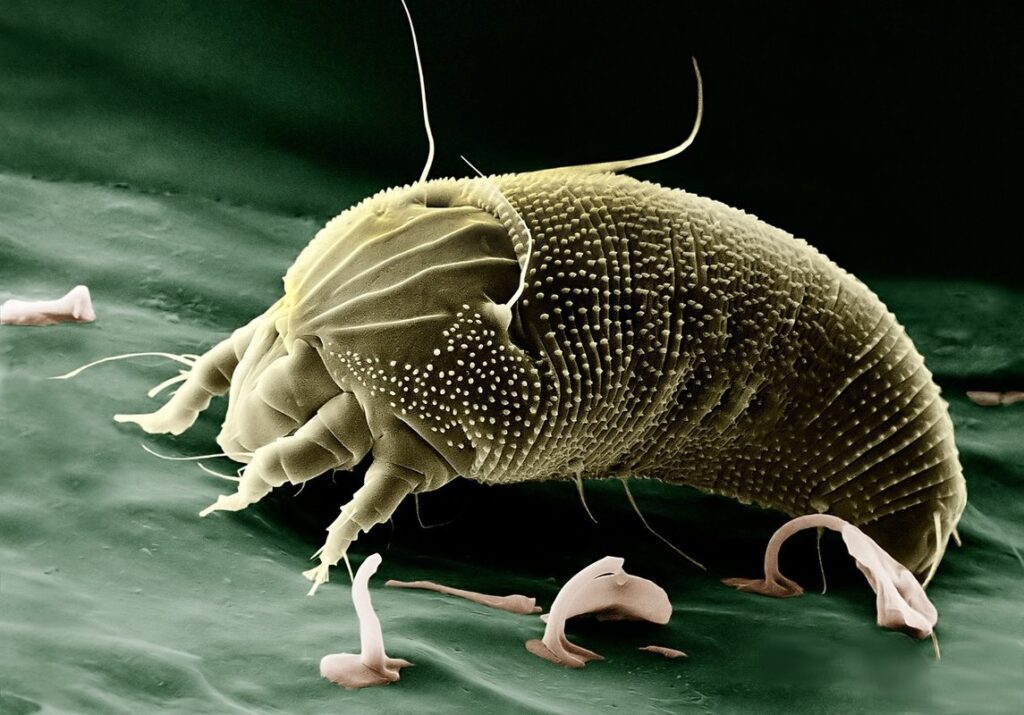
Introduction to Predatory Mites
Let’s start by learning what predatory mites are and how they can benefit your greenhouse ecosystem, helping you understand their potential uses. We’ll explore the basics of these tiny but mighty insects.
What are Predatory Mites?
Predatory mites are natural predators that feed on various pests found in greenhouses, making them a valuable asset for integrated pest management (IPM) strategies. These tiny arachnids play a crucial role in maintaining the balance of ecosystems within greenhouses.
There are several species of predatory mites, each with their own preferences and feeding habits. Some common types include Phytoseiulus persimilis, Amblyseius swirskii, and Macrocheles longitarsus. These mites feed on a wide range of pests, including spider mites, thrips, aphids, whiteflies, and fungus gnats.
In greenhouses, predatory mites can be introduced through various means, such as introducing infested plants or using specialized equipment to release them directly onto the soil or plants. It’s essential to choose the right species based on the specific pest problem and greenhouse environment. For example, Phytoseiulus persimilis is specifically designed for targeting spider mite populations. By understanding their unique characteristics and behaviors, growers can harness the power of these natural predators to maintain a healthy balance in their greenhouses, reducing chemical usage and promoting sustainable agriculture practices.
Importance of Predatory Mites in Greenhouse Environments
In greenhouses, maintaining a balanced ecosystem is crucial for healthy plant growth and preventing pests and diseases from taking over. This is where predatory mites come into play. These tiny arachnids are not only beneficial but also essential for controlling pest populations and promoting overall well-being in your greenhouse.
Predatory mites feed on various pests that can be detrimental to plants, such as spider mites, thrips, and aphids. By introducing these natural predators to your greenhouse environment, you can significantly reduce the need for chemical pesticides and maintain a safer ecosystem for your crops. For example, Phytoseiulus persimilis is a common predatory mite used to control spider mite populations.
In addition to controlling pests, predatory mites also play a crucial role in preventing diseases from spreading. They help break down fungal spores and bacteria that can infect plants, thus reducing the risk of disease outbreaks. By introducing predatory mites into your greenhouse, you’ll be creating a more balanced ecosystem where beneficial insects thrive and pests are kept under control.
When introducing predatory mites to your greenhouse, make sure to provide them with an optimal environment by maintaining suitable temperatures, humidity levels, and nutrient-rich food sources for the mites themselves. This will help ensure they are effective at controlling pest populations and preventing diseases from taking hold.
Types of Predatory Mites Used in Greenhouses
When it comes to controlling pests in your greenhouse, choosing the right type of predatory mite is crucial. Let’s take a closer look at some popular species used for pest management.
Phytoseiulus persimilis: A Popular Choice for Whitefly Control
Phytoseiulus persimilis is one of the most widely used predatory mites for controlling whitefly populations in greenhouses. These tiny predators feed on whiteflies at all stages of their life cycle, making them an essential tool in integrated pest management (IPM) strategies.
The life cycle of P. persimilis consists of four stages: egg, larva, protonymph, and adult. Adult females can lay up to 20 eggs per day, ensuring a rapid population growth that helps control whitefly populations quickly. In ideal conditions, a single female P. persimilis can consume up to 400 whiteflies in her lifetime.
While P. persimilis is highly effective against whiteflies, there are some challenges and limitations to consider. Temperature, humidity, and host plant quality significantly impact the performance of these predators. For example, optimal temperatures for P. persimilis range from 20-25°C (68-77°F), while high temperatures above 30°C (86°F) can reduce their effectiveness. Furthermore, introducing P. persimilis to a greenhouse requires careful monitoring and maintenance to ensure their populations remain healthy and effective against whiteflies.
Amblyseius andersoni: Effective Against Thrips and Spider Mites
Amblyseius andersoni is a highly effective predatory mite species used to control thrips and spider mite populations in greenhouses. Their life cycle typically spans 14-16 days, with females laying up to 4 eggs per day. This high reproductive rate allows A. andersoni to quickly establish itself within the greenhouse environment.
One of the key roles A. andersoni plays is controlling thrips populations. These mites are particularly effective at targeting young thrip nymphs, which are more vulnerable to predation. By introducing A. andersoni early in the season, growers can prevent thrips from reaching damaging levels.
However, A. andersoni’s effectiveness against spider mites is somewhat reduced compared to other predatory mite species. This may be due to the fact that spider mites tend to congregate on the underside of leaves, making them more difficult for A. andersoni to access.
When using A. andersoni, it’s essential to maintain optimal temperature conditions (around 70-75°F) and humidity levels (50-60%) to ensure their survival and effectiveness. By following these guidelines and introducing A. andersoni early in the season, growers can reap significant benefits from this effective predatory mite species.
How to Introduce Predatory Mites into Your Greenhouse
When introducing predatory mites into your greenhouse, it’s essential to consider their natural habits and adapt your approach accordingly. This allows you to create a thriving ecosystem for both pests and beneficials to coexist effectively.
Preparing the Environment for Introduction
Before introducing predatory mites into your greenhouse, it’s essential to create an environment that is conducive to their survival and success. Predatory mites thrive in temperatures between 64°F (18°C) and 90°F (32°C), with optimal ranges for specific species varying slightly. For example, Phytoseiulus persimilis, a common predatory mite species, prefers warmer temperatures around 75°F (24°C).
Maintaining suitable humidity levels is also crucial. Predatory mites are sensitive to extreme humidity fluctuations and prefer environments with relative humidity between 50% and 70%. You can achieve this by using humidifiers or dehumidifiers, depending on your greenhouse’s climate.
In addition to temperature and humidity control, it’s essential to provide a food source for the predatory mites. This typically involves introducing infested plants or applying mite eggs to the desired area. Research the specific food requirements of the predatory mite species you plan to introduce, as some may require additional nutrition sources.
Monitor your greenhouse’s conditions closely and make adjustments as necessary to ensure a healthy environment for the predatory mites.
Release Methods: Optimal Times and Techniques
When introducing predatory mites into your greenhouse, it’s essential to consider the optimal release methods and timing to ensure their successful establishment. Direct release is a common method where the predatory mites are released onto infested plants or directly into the soil. This approach can be effective for controlling pests in specific areas but may not provide long-term benefits if not integrated with other management strategies.
Another release method involves introducing predatory mites through infested plants, which allows them to adapt and multiply before being released. This technique is particularly useful when dealing with widespread pest issues or as a preventative measure. Timing is crucial; releasing predatory mites during the evening or early morning hours can reduce stress and increase their chances of survival.
For most greenhouse setups, a combination of direct release and introduction through infested plants yields the best results. Regular monitoring and adjustments to release timing and methods can help optimize the effectiveness of your predatory mite population.
Monitoring and Maintaining an Effective Predatory Mite Population
To ensure your greenhouse stays pest-free, it’s essential to monitor and maintain a healthy predatory mite population. Regular checks will help you prevent population crashes and optimize their effectiveness.
Tracking Population Growth and Effectiveness
Monitoring the population growth of predatory mites and evaluating their effectiveness against target pests is crucial for maintaining an optimal balance in your greenhouse. This can be achieved through regular monitoring and data collection. You can track the number of eggs, larvae, and adult mites present on a plant or within a specific area.
It’s essential to set baseline levels before introducing predatory mites into your ecosystem. This will allow you to accurately measure population growth and effectiveness over time. For example, if you introduce 1,000 Phytoseiulus persimilis for spider mite control, track their numbers at weekly intervals. Compare these counts to the initial number and note any changes.
When evaluating the effectiveness of predatory mites, consider factors such as target pest reduction, crop damage prevention, and other ecosystem benefits. For instance, if you observe a 70% decline in spider mite populations alongside an increase in predatory mite numbers, it indicates successful population growth and control of the target pest.
Remember to combine this data with other monitoring methods, like using sticky traps or visual inspections, for a comprehensive understanding of your greenhouse ecosystem’s dynamics.
Strategies for Managing Pests and Preventing Resistance Development
As you work to maintain an effective population of predatory mites, it’s essential to consider strategies for preventing pest resistance. This may seem counterintuitive – after all, the purpose of introducing predatory mites is to control pests. However, if not managed properly, pests can develop a resistance to these beneficial insects over time.
One key strategy is crop rotation, which involves rotating different types of crops on a regular basis. By doing so, you disrupt the life cycle of any potential pest species and reduce their ability to adapt to the presence of predatory mites. For example, if you notice that whiteflies are becoming increasingly resistant to your predatory mite population, try switching to a crop like tomatoes or cucumbers for a season.
Another crucial approach is integrated pest management (IPM), which combines physical, cultural, biological, and chemical controls to minimize the impact of pests on your greenhouse. This might involve introducing other beneficial insects, such as ladybugs or lacewings, in addition to predatory mites. Regular monitoring and adjustments based on observed trends will help you stay ahead of potential pest resistance issues.
Challenges and Limitations of Using Predatory Mites in Greenhouses
While predatory mites can be a highly effective way to control pests, there are several challenges and limitations to consider when using them in greenhouses. Let’s explore some of these obstacles together.
Factors Affecting Population Success
When introducing predatory mites to your greenhouse, it’s essential to consider the environmental factors that can impact their success. Temperature fluctuations and humidity extremes are among the most significant challenges you’ll face.
On average, predatory mites thrive between 64°F and 75°F (18°C and 24°C), but some species have a narrower temperature tolerance range. For example, Phytoseiulus persimilis, a common species used to control spider mite populations, starts to decline in performance above 80°F (27°C). Conversely, temperatures below 50°F (10°C) can be detrimental to their development and survival.
Humidity levels also play a crucial role. Most predatory mites require relative humidity between 40% and 70%. If your greenhouse is consistently too dry or humid, it may impact the mite’s ability to find prey or reproduce effectively. Monitor temperature and humidity levels closely to ensure optimal conditions for your introduced predatory mites.
By understanding these environmental limitations, you can take steps to create a more conducive environment for your beneficial predators. This might involve installing climate control systems, using shading materials to regulate temperatures, or implementing irrigation strategies to maintain a stable humidity level.
Potential Drawbacks and Considerations for Large-Scale Use
While predatory mites can be an effective and eco-friendly solution for managing pests in greenhouses, there are potential drawbacks to consider when thinking about large-scale use. One concern is the cost of introducing these beneficial insects into a greenhouse environment. The initial investment may be substantial, and ongoing maintenance costs can add up over time.
Another consideration is the difficulty of ensuring that the predatory mites are introduced to the most susceptible areas of the greenhouse. If not properly targeted, they may not be as effective at controlling pest populations. Additionally, there’s always a risk of introducing invasive species into an ecosystem, which could have unintended consequences down the line.
It’s also worth noting that large-scale use of predatory mites may require additional equipment and infrastructure to support their introduction and maintenance. For example, controlled environment agriculture (CEA) facilities may need specialized temperature and humidity controls to ensure the optimal survival and reproduction of these beneficial insects.
Integrating Predatory Mites into IPM Strategies
When developing a comprehensive Integrated Pest Management (IPM) strategy for your greenhouse, it’s essential to consider the role of predatory mites in controlling pests. This section will explore how to effectively integrate these beneficial insects into your IPM plan.
Combining with Other Control Methods
Combining predatory mites with other control methods is a key aspect of implementing Integrated Pest Management (IPM) strategies in greenhouses. This approach allows growers to maximize the effectiveness of their pest management programs while minimizing the use of chemical controls.
One effective way to combine predatory mites with other control methods is to integrate them with physical barriers, such as fine mesh or row covers, to prevent pests from reaching vulnerable crops. For example, using a combination of sticky traps and predatory mites can help control aphid populations in roses. Another approach is to use chemical controls only when necessary, reserving them for severe infestations or as a last resort.
Biological control methods like parasitic wasps and lady beetles can also be combined with predatory mites to create a multi-tactic approach that targets pests at different stages of their life cycle. By integrating these methods, growers can achieve better pest suppression and reduce the reliance on chemical pesticides, ultimately leading to healthier crops and more sustainable greenhouses. Regular monitoring and adaptation of IPM strategies are essential for optimal results.
Case Studies: Successful Implementation in Greenhouses
One of the most compelling aspects of incorporating predatory mites into your integrated pest management (IPM) strategy is seeing it succeed firsthand. Let’s look at a few case studies that demonstrate the effectiveness of this approach in greenhouses.
In a trial conducted by researchers at a large nursery operation, they introduced Phytoseiulus persimilis to control a infestation of Western flower thrips on cucumbers. Over the course of several weeks, the mite population grew rapidly, reducing the thrip population by over 90% and eliminating the need for chemical pesticides.
Another successful implementation was seen at a tomato greenhouse where Neoseiulus californicus was introduced to manage a persistent problem with broad mites. The mites were able to outcompete the pest, significantly reducing damage to the plants and minimizing the use of chemical controls.
These case studies illustrate not only the effectiveness of predatory mites in greenhouses but also their potential for long-term sustainability. By incorporating these beneficial organisms into your IPM strategy, you can enjoy a more balanced ecosystem that reduces reliance on chemical pesticides and protects both your crops and the environment.
Frequently Asked Questions
Can I use predatory mites to control all types of pests in my greenhouse?
Predatory mites are highly specific in their feeding habits, so it’s essential to choose the right species for your pest management needs. For example, Phytoseiulus persimilis is specifically effective against spider mites and thrips. Research and select the most suitable predatory mite species for your greenhouse environment.
How long does it take for predatory mites to control an infestation?
The time it takes for predatory mites to effectively control an infestation depends on various factors, including the size of the infested area, pest population density, and environmental conditions. Generally, you can expect to see noticeable results within 1-4 weeks after introduction.
Can I release predatory mites outdoors in my garden or yard?
Predatory mites are adapted to thrive in controlled environments like greenhouses, where temperature, humidity, and light levels can be managed. Releasing them outdoors may not provide the optimal conditions for their survival. Instead, consider introducing them into your greenhouse or using other integrated pest management strategies.
How do I maintain a healthy predatory mite population?
To ensure the long-term success of your predatory mites, it’s crucial to monitor and maintain an ideal environment with adequate food, water, and shelter. Regularly inspect for signs of stress or pests affecting the predator population. Keep records of releases and observations to refine your management strategy.
Can I combine predatory mites with other pest control methods?
Yes! In fact, integrating predatory mites into a comprehensive IPM plan can significantly enhance its effectiveness. Consider combining them with physical barriers, pruning, or chemical controls as needed. This multi-faceted approach will help you achieve optimal results and minimize the risk of resistance development.