
The unwelcome guest that can drive you crazy: the gnat. These tiny flying insects love to hang out in potting soil, feeding on fungi and algae, but for gardeners, their presence is more than just a nuisance – it’s a sign of underlying problems with your plants’ health. Infestations can spread disease, attract other pests, and even cause root rot. If you’re tired of battling these pesky insects in your potting soil, don’t worry – we’ve got the solution for you. Our comprehensive guide covers everything from organic controls to chemical methods, helping you eliminate gnats once and for all and keep your plants thriving. From prevention techniques to effective treatments, we’ll walk you through the best ways to control gnat infestations and maintain a healthy potting soil ecosystem.
What Are Gnats and Why Do They Infest Potting Soil?
To understand how to get rid of gnats in your potting soil, let’s start by learning what they are and why they’re drawn to this type of environment.
Types of Gnats Found in Potting Soil
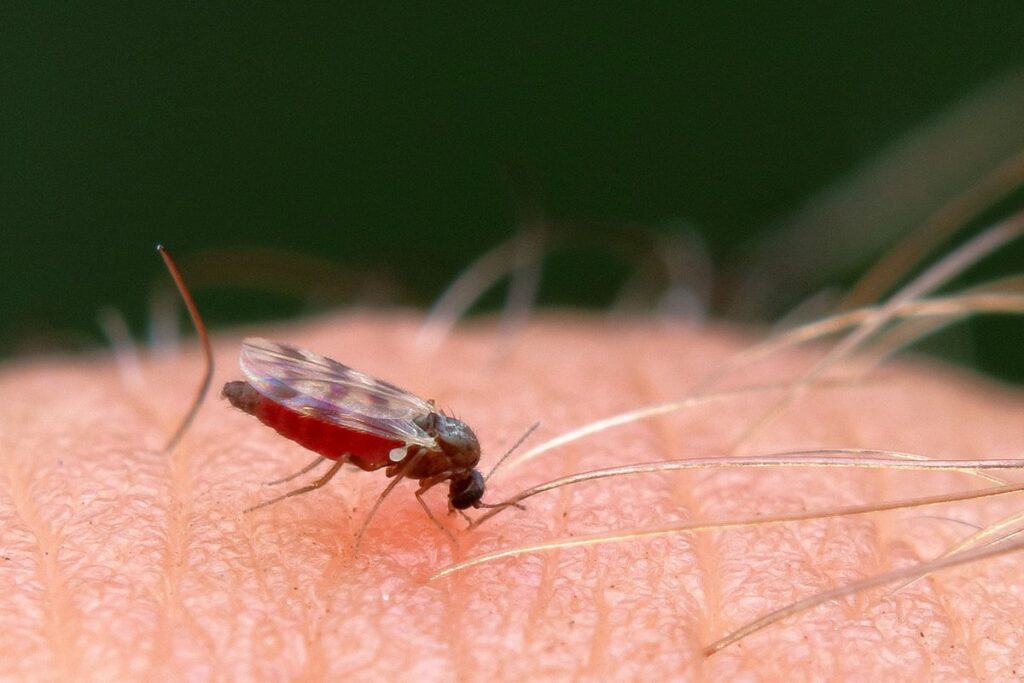
When it comes to potting soil, there are several types of gnats that can infest and cause problems for gardeners. One of the most common types is fungus gnats, also known as sciarid flies or dark-winged fungus gnats. These tiny flying insects are usually around 1-5 mm in length and have a distinctive long nose or proboscis.
Fungus gnats lay their eggs in moist potting soil, where they can feed on fungi and algae that grow in the presence of excess moisture. Fruit flies, another type of gnat, can also be found in potting soil, particularly if there is overwatering or decaying plant matter present. These tiny insects are usually 2-3 mm in length and have a more rounded abdomen than fungus gnats.
Spider mites, while not technically gnats but rather small arachnids, can also cause problems for gardeners by spinning webs on the surface of potting soil. They feed on plant sap, weakening the plant over time. To prevent infestations, it’s essential to maintain good air circulation around plants and avoid overwatering, which creates an ideal environment for these pests to thrive.
Causes of Gnat Infestation in Potting Soil
Gnats are drawn to potting soil for several reasons, making it a haven for these tiny pests. One of the primary causes of gnat infestation is overwatering. When potting soil becomes waterlogged, it creates an ideal environment for gnats to thrive. The excess moisture allows them to lay eggs and feed on the decaying matter, leading to rapid population growth.
Poor drainage in potting soil also contributes significantly to gnat infestations. If the substrate lacks adequate aeration or has inadequate water flow, it can become a breeding ground for gnats. This is because stagnant water provides a conducive environment for these pests to multiply.
Additionally, nutrient-rich substrates are another magnet for gnats. Substrates with high nitrogen content, in particular, attract these pests as they provide an ideal food source. This is especially true for potting soils that have been enriched with fertilizers or compost, which can become a feast for gnats if not managed properly.
It’s essential to address these underlying causes of gnat infestations by improving drainage, reducing watering frequency, and using balanced fertilizers. By doing so, you can create an environment less conducive to gnat populations, making it easier to control their numbers.
Signs and Symptoms of a Gnat Infestation
If you suspect you have gnats in your potting soil, being aware of their telltale signs is crucial to taking effective action. Look out for small flying insects hovering around the soil’s surface and tiny eggs or larvae visible to the naked eye.
Visual Signs of Gnats in Potting Soil
Gnats infesting potting soil can be identified by several visual signs. One of the most obvious indicators is the presence of tiny flying insects near the surface of the soil. These gnats are usually around 1-5 millimeters in length and have a distinctive buzzing or flying sound when they move. They tend to congregate near the roots of plants, particularly those with high water content.
In addition to adult gnats, you may also notice tiny eggs or larvae within the potting soil. Gnat eggs are usually white, oval-shaped, and approximately 0.5 millimeters in length. Larvae, on the other hand, are small, legless worms that feed on microorganisms in the soil. They can be found near the surface of the soil or just below it.
To confirm a gnat infestation, gently dig into the potting soil with your fingers or a spoon to check for signs of gnats and their life stages. This is also an opportunity to inspect the roots of your plants for any damage caused by the gnats’ feeding activities.
Odor and Discoloration Indicators
As you notice signs of gnats in your potting soil, it’s not just the tiny flying insects themselves that can be a concern. Their presence often indicates other issues, such as unpleasant odors and discoloration. Gnats contribute to these problems through their waste products and feeding activities.
When gnats feed on plant roots or decaying organic matter, they excrete a sticky substance called honeydew, which attracts more pests like ants, mealybugs, and scale insects. This sweet liquid can also promote the growth of mold, mildew, and fungi that cause soil discoloration and an unpleasant musty smell.
In addition to honeydew, gnats’ waste products can break down organic matter in the soil, leading to a reduction in oxygen levels and potentially causing roots to rot. As the plants struggle to thrive, they may develop yellowing leaves or wilted stems, further contributing to the unsightly appearance of the infested area.
To manage these issues, it’s essential to eliminate the gnat population and take steps to improve soil health through proper aeration, moisture management, and nutrient balance. Regularly inspect your potting mix for signs of decay, and perform maintenance tasks like repotting or replacing the top layer of soil as needed.
Prevention Strategies for Gnats in Potting Soil
To keep gnats at bay, we’ll explore some effective prevention strategies that involve making changes to your potting soil and gardening habits. These simple tweaks can make a big difference.
Proper Watering Techniques
When it comes to preventing gnats in potting soil, proper watering techniques are crucial. Overwatering is one of the primary reasons why gnats thrive in potting mixes. This is because excess moisture creates an ideal breeding ground for these pesky insects.
To avoid overwatering, check the moisture level of your soil by sticking your finger into it up to the first knuckle. If the soil feels dry, it’s time to water. On the other hand, if it still feels damp or wet, wait a day or two before watering again. You can also use a moisture meter to get an accurate reading.
A general rule of thumb is to water your plants when the top 1-2 inches of soil feel dry to the touch. Be cautious not to overwater, as this can lead to root rot and other problems that attract gnats. Instead, try to maintain a balance by watering thoroughly but infrequently. For example, if you’re used to watering your plants every day or two, try reducing it to once a week. By doing so, you’ll give the soil time to dry out slightly between waterings, making it less hospitable to gnat breeding.
Choosing the Right Potting Mix
When it comes to preventing gnat infestations in potting soil, one of the most critical factors is selecting a high-quality potting mix. A well-draining potting mix can help prevent moisture from accumulating in the soil, which is often the primary cause of gnats. Look for mixes that contain ingredients like perlite, vermiculite, or sand, as these will improve drainage and aeration.
Avoid using regular garden soil, as it can compact and retain too much water. Instead, opt for a potting mix specifically designed for indoor plants. These mixes are usually formulated to be lighter, allowing for better air circulation and moisture regulation.
When choosing a potting mix, also consider the ingredients that may attract gnats in the first place. For example, avoid mixes with high levels of organic matter or compost, as these can break down quickly and create an ideal environment for gnat larvae to thrive. By selecting a well-draining potting mix, you’ll be taking a significant step towards preventing gnats from infesting your plants.
Organic and Chemical Control Methods for Gnats
If you’re tired of dealing with pesky gnats in your potting soil, don’t worry – we’ve got two effective control methods to share with you: organic and chemical options.
Natural Methods for Controlling Gnats
When it comes to managing gnats in potting soil without resorting to harsh chemicals, there are several natural methods that can be highly effective. One such method is introducing beneficial nematodes into the soil. These microscopic worms feed on gnat larvae, helping to break the cycle of infestation.
To use beneficial nematodes, apply them directly to the affected area according to the manufacturer’s instructions. It’s essential to note that different types of nematodes are available for specific pest control purposes. For example, Steinernema feltiae is specifically designed to target fungus gnats.
Another non-toxic approach involves using essential oils to repel or kill gnats. Certain oils such as peppermint, lemongrass, and tea tree oil have natural insecticidal properties that can be used to deter these pests. Mix a few drops of the chosen oil with water according to the recommended dilution ratio and spray it directly on the soil or affected plants.
When using essential oils, be sure to test their impact on your specific plant species before applying them extensively. This will ensure that you’re not inadvertently harming your plants while controlling gnats.
Chemical Controls for Severe Gnat Infestations
When dealing with severe gnat infestations, chemical controls may be necessary to mitigate the problem. Insecticides can provide quick relief from gnats, but it’s essential to use them judiciously.
There are various types of insecticides available for controlling gnats, including pyrethroids, organophosphates, and neem oil. Pyrethroids, such as permethrin and deltamethrin, work by disrupting the gnat’s nervous system, ultimately leading to their death. However, they can also harm beneficial insects like bees and butterflies. Organophosphates, including malathion and diazinon, are more toxic but may provide longer-lasting effects.
Before using insecticides, it’s crucial to weigh the benefits against the potential risks. Always read and follow the label instructions carefully, as misuse can lead to plant damage or even human exposure. Additionally, consider the type of plants you’re growing and the specific gnat species infesting your soil. For example, fungus gnats are often more resistant to insecticides than fruit flies.
To minimize harm, it’s recommended to use neem oil, which is a safer alternative that disrupts the gnat’s life cycle without harming beneficial insects. When applying any insecticide, make sure to wear protective gear and apply it during cooler parts of the day when plants are less stressed.
Monitoring and Maintenance for Long-Term Gnat Control
To effectively control gnats in your potting soil, you’ll need to regularly monitor for infestations and implement maintenance practices that prevent their return. This section outlines key strategies for long-term gnat control.
Regular Soil Checks for Gnats
Regular soil checks are crucial to detecting gnat infestations early on. Gnats can multiply rapidly, and a small population can quickly become a full-blown infestation if left unchecked. To catch these pests before they take over, it’s essential to regularly inspect your potting soil.
When conducting regular soil checks, look for signs of gnats such as tiny eggs, larvae, or adults flying around the soil surface. Use a magnifying glass or a handheld lens to get a closer look at the soil. Check for dampness and moisture levels, as gnats thrive in humid environments. Regularly check the soil’s temperature, as some gnat species are more active in warmer temperatures.
Performing regular checks will also help you identify potential breeding sites within your potting mix. For example, if you notice an overabundance of algae or fungal growth, it could be a sign that the soil is too wet, creating an ideal environment for gnats to multiply. By staying vigilant and checking your soil regularly, you can prevent gnat infestations before they become a significant problem.
Ongoing Plant Care Practices
To prevent future gnat infestations and maintain a healthy potting soil ecosystem, it’s essential to establish ongoing plant care practices that promote good air circulation and regular repotting. One of the primary reasons gnats thrive is due to stagnant water and excessive moisture in the soil. To combat this, ensure that your plants have enough space between them for proper air circulation. A minimum of 6-8 inches between plants is recommended.
Regular repotting also plays a crucial role in maintaining a balanced potting mix. Old potting mixes can break down over time, creating anaerobic conditions that are perfect for gnat reproduction. Repot your plants every 1-2 years to refresh the soil and provide them with fresh nutrients. When repotting, gently wash away any debris from the roots and replace the top 1-2 inches of potting mix.
Additionally, maintain good watering habits by allowing the top 1-2 inches of soil to dry out between waterings. This will help prevent excessive moisture buildup that can attract gnats. By implementing these simple practices, you’ll be better equipped to control gnat populations and create a more balanced environment for your plants to thrive in.
Frequently Asked Questions
Can I prevent gnat infestations if I water my plants correctly?
Yes, proper watering techniques can indeed help prevent gnats from infesting your potting soil. By avoiding overwatering, which creates an ideal environment for fungi and algae growth, you can discourage fungus gnats from laying their eggs in the first place. Ensure you’re not letting the top inch of soil dry out between waterings, but also avoid waterlogging the pot.
How long does it take to see results after implementing natural control methods?
The effectiveness of natural control methods, such as introducing beneficial nematodes or using neem oil, can vary depending on the severity of the infestation and the specific method used. Generally, you may start seeing improvements within a week to two weeks after application. However, it’s essential to be patient and consistent in your efforts, as controlling gnats often requires ongoing maintenance.
Can I use chemical controls if I have young children or pets that frequent my garden?
Yes, if you’re concerned about the safety of young children or pets around chemicals, consider using natural control methods first. However, if the infestation is severe and you’ve exhausted all organic options, there are chemical controls available specifically labeled for gnat control. Always follow the instructions carefully and take necessary precautions to avoid exposure.
How often should I monitor my potting soil for signs of gnats?
Regular monitoring is key to detecting gnat infestations early on. Set aside time each week to inspect your plants’ roots, stem bases, and surrounding soil. Look out for visual signs like flying adults, eggs, or larvae, as well as odors and discoloration indicators. By staying vigilant, you can catch problems before they escalate into full-blown infestations.
Can I reuse potting mix that’s been contaminated with gnats?
No, it’s generally not recommended to reuse potting mix that’s been contaminated with gnats. Gnats can introduce disease and pests into the soil, which can lead to further issues down the line. Instead, consider repotting your plants in fresh, gnat-free soil or sterilizing the existing mix by baking it in a low-temperature oven (150°F – 200°F) for several hours. This will help kill any remaining eggs and larvae.