
Growing your own cucumbers can be a rewarding experience, but dealing with pests like aphids and whiteflies can quickly turn the process into a frustrating one. Conventional methods often rely on chemical pesticides that not only harm the environment but also pose risks to human health. Fortunately, there’s an eco-friendly solution: beneficial nematodes specifically designed for cucumber crops. These microscopic worms are a natural pest control method that attacks and eliminates pests without harming your plants or the ecosystem. In this article, we’ll delve into how beneficial nematodes can effectively manage aphids and whiteflies in your cucumber crop, reducing chemical use and promoting a healthier environment. We’ll explore the benefits of using these tiny helpers and provide you with practical tips on how to integrate them into your garden care routine.
Understanding Cucumber Beneficial Nematodes
To effectively use cucumber beneficial nematodes, it’s essential to understand how they work and what benefits they provide for your garden. Let’s dive into their unique characteristics and advantages.
What are Beneficial Nematodes?
Beneficial nematodes are microscopic, worm-like organisms that play a crucial role in maintaining ecological balance. These tiny creatures are natural predators of insect pests, particularly those that target cucumber plants. Beneficial nematodes belong to the phylum Nematoda and come in various species, with Heterorhabditis bacteriophora being one of the most commonly used varieties for pest control.
The life cycle of beneficial nematodes is fascinating. Adult nematodes undergo a process called diapause during unfavorable weather conditions, allowing them to survive until more favorable times arrive. When they emerge, they infect insect larvae through their mouth or anus, eventually killing the host by releasing bacteria that break down its internal tissues.
These microscopic warriors work as a natural pest control method by targeting specific pests at different stages of their life cycle. They can be applied directly to soil around cucumber plants and begin working within 24-48 hours. Beneficial nematodes are selective in their feeding, only attacking insect larvae and not harming beneficial insects or the environment. This makes them an excellent choice for integrated pest management (IPM) strategies, ensuring a balanced ecosystem while minimizing chemical use.
Types of Beneficial Nematodes for Cucumbers
When it comes to choosing beneficial nematodes for cucumber cultivation, several species come into play. Two of the most widely used and effective types are Steinernema and Heterorhabditis.
Steinernema nematodes are particularly well-suited for controlling pests like aphids, whiteflies, and caterpillars that can damage cucumbers. They work by injecting a toxin into their host’s body, eventually killing the pest. For instance, Steinernema feltiae is often used to control fungus gnats in greenhouse cucumber crops.
Heterorhabditis nematodes, on the other hand, are more effective against pests like root-knot nematodes and lesion nematodes that can cause significant damage to cucumbers’ roots. These nematodes work similarly to Steinernema, but their target is different. Heterorhabditis bacteriophora is often used in agricultural settings where cucumber crops are under threat from these types of pests.
When selecting beneficial nematodes for your cucumber crop, it’s essential to choose the right species based on the pest you’re trying to control. This will ensure maximum efficacy and minimize the risk of resistance development.
Benefits of Using Beneficial Nematodes on Cucumbers
When it comes to reaping the rewards of your cucumber harvest, protecting them from pests is a top priority – and beneficial nematodes are here to help.
By applying these microscopic superheroes to your soil, you can expect significant reductions in pest damage and improved yields.
Enhanced Pest Control Efficacy
Beneficial nematodes are microscopic worms that feed on pest larvae, providing a natural and targeted approach to controlling aphids, whiteflies, and spider mites in cucumber crops. These tiny creatures can effectively eliminate these pests by attacking their vulnerable stages of development.
One key advantage of using beneficial nematodes is their ability to target specific pests without harming the environment or other beneficial organisms. For instance, a single application of beneficial nematodes can control aphid populations for an extended period. This targeted approach reduces the need for chemical pesticides, minimizing damage to beneficial insects and microorganisms.
To maximize the efficacy of beneficial nematodes in controlling cucumber pests, it’s essential to maintain optimal soil temperature between 64°F and 90°F (18°C and 32°C) and ensure sufficient moisture levels. Regular monitoring of pest populations will also help you determine if additional applications are necessary.
Reduced Chemical Use
Using beneficial nematodes on cucumbers is not only an effective way to control pests naturally but also offers several benefits over traditional chemical pesticides. One of the most significant advantages is the reduced environmental impact. Beneficial nematodes are a biological solution that targets specific pest species, eliminating the need for broad-spectrum chemicals that can harm beneficial insects and contaminate soil and water.
By opting for beneficial nematodes, you’ll significantly reduce your cucumber crop’s exposure to chemical residues. This is particularly crucial for organic growers who must adhere to strict standards to maintain their certification. The use of beneficial nematodes also minimizes the development of pesticide-resistant pest populations, a growing concern in modern agriculture.
To integrate beneficial nematodes into your cucumber cultivation routine, ensure you choose a high-quality product specifically formulated for soil application. Follow the recommended dosage and timing guidelines to maximize effectiveness while minimizing potential side effects. With regular use, you can enjoy healthier crops, improved yields, and a more sustainable farming practice that protects both your environment and consumers’ health.
Preparing Your Cucumber Crop for Beneficial Nematodes Application
Before applying beneficial nematodes, it’s crucial to prepare your cucumber crop by ensuring optimal soil conditions and minimizing potential stress factors that might affect their effectiveness. This includes adjusting watering schedules and fertilization levels.
Choosing the Right Time for Application
When it comes to applying beneficial nematodes to cucumber crops, timing is everything. You want to ensure that the nematodes have a fighting chance against pests and can thrive in the soil without being hindered by adverse conditions.
Soil temperature plays a crucial role in determining the optimal application time. Beneficial nematodes are most effective when the soil temperature ranges between 40°F (4°C) and 90°F (32°C). If it’s too cold, the nematodes may not be able to move through the soil quickly enough to reach their prey. On the other hand, if it’s too hot, they may get washed out of the soil or die off.
In terms of moisture, the soil should be moist but not waterlogged. Beneficial nematodes need a certain level of moisture to survive and thrive. If the soil is too dry, they may not be able to move through the soil effectively. However, if it’s too wet, oxygen levels in the soil may drop, making it difficult for the nematodes to breathe.
It’s also essential to consider the crop growth stage when applying beneficial nematodes. For cucumber crops, it’s best to apply them at the seedling stage or when the plants are about 6-8 inches tall. This allows the nematodes to get established before the pests become too severe.
Ensuring Proper Soil Conditions
Proper soil conditions are crucial for effective beneficial nematode application. Beneficial nematodes thrive in environments with optimal pH levels and nutrient availability. Typically, they perform best in slightly acidic to neutral soils with a pH range of 6.0-7.5. Soil pH below or above this range can negatively impact the nematodes’ ability to survive and reproduce.
When it comes to nutrients, beneficial nematodes require adequate food sources to sustain themselves. They feed on insect larvae, so they need a sufficient population of their target pests to ensure survival. However, high nutrient levels in the soil can also attract other insects that might compete with the nematodes for resources or even harm them.
Before applying beneficial nematodes, it’s essential to test your soil pH and nutrient levels. If necessary, adjust these conditions by adding lime to raise the pH or organic matter to improve nutrient availability. This step will help create a suitable environment for the beneficial nematodes to thrive in, ensuring their effectiveness against cucumber pests.
Using Beneficial Nematodes Effectively on Cucumbers
To maximize their effectiveness, it’s essential to understand how to apply beneficial nematodes specifically for cucumber plants and what conditions are most favorable. Let’s dive into the specifics of using them successfully.
Application Methods and Rates
When applying beneficial nematodes to cucumber crops, it’s essential to follow the correct methods and rates to ensure optimal results. The most common application method is drenching, where the nematode-infused water is poured directly onto the soil around the cucumber plants. This can be done using a watering can or hose with a spray nozzle. Make sure to saturate the soil evenly, but avoid overwatering.
For optimal effectiveness, apply beneficial nematodes at a rate of 2-5 million IJ (infective juveniles) per square meter. You can also mix the nematodes with water and apply them through irrigation systems, such as drip irrigation or sprinkler systems. This method allows for more precise application and reduced waste.
When applying beneficial nematodes, it’s crucial to consider the time of year and weather conditions. Apply them during cooler temperatures, ideally in the early morning or evening when the sun is not intense. Avoid applying during heavy rainfall or flooding, as this can wash away the nematodes before they have a chance to work.
Monitoring and Evaluating Results
Monitoring and evaluating the effectiveness of beneficial nematode application is crucial to ensuring that your cucumber crop receives the best possible treatment. After applying beneficial nematodes, it’s essential to monitor the soil for signs of success, such as a reduction in pests or an increase in beneficial microorganisms.
Signs of success include a decrease in whiteflies, aphids, and other common cucumber pests, as well as an increase in earthworm populations and overall soil health. On the other hand, potential challenges may arise if the nematodes are not applied correctly or if the soil conditions are not suitable for their survival.
To effectively monitor and evaluate your beneficial nematode application, keep a record of the application date, the amount used, and any notable changes in pest populations or soil health. Regularly inspect your plants for signs of infestation and take note of any areas where pests may be more prevalent. This will help you determine if adjustments need to be made to future applications.
Common Challenges and Solutions for Beneficial Nematodes on Cucumbers
When using beneficial nematodes on cucumbers, you may encounter some common challenges that can hinder their effectiveness. We’ll tackle these issues head-on in this section to ensure your natural pest control solution succeeds.
Overcoming Weather-Related Issues
Weather conditions can significantly impact the efficacy of beneficial nematodes on cucumbers. One common issue is excessive rain, which can wash away the nematodes before they have a chance to infect the pest populations. This means that a prolonged period of rainfall or irrigation can negate the benefits of using beneficial nematodes.
Extreme temperatures are another weather-related challenge. Beneficial nematodes typically thrive in temperatures between 60°F and 80°F (15°C and 27°C). If the temperature rises above 85°F (29°C), the nematodes’ activity may slow down, reducing their effectiveness against pests. Similarly, if the soil is consistently too cold, the nematodes’ development may be slowed.
To overcome these challenges, it’s essential to apply beneficial nematodes at the right time. Typically, this is during a period of dry weather or when temperatures are within the optimal range. Additionally, applying nematodes before an impending rain event can help them establish themselves in the soil, allowing them to withstand any subsequent rainfall. By understanding and working with the weather, you can ensure the best possible results from your beneficial nematode treatment.
Managing Resistant Pest Populations
Managing resistant pest populations is a common challenge gardeners face when using beneficial nematodes to control pests on cucumbers. As these microscopic worms work their way through the soil, they can develop resistance to certain types of pests over time. This is where combining beneficial nematodes with other control methods comes into play.
One effective strategy for managing resistant pest populations is to use a multi-pronged approach that incorporates different types of control methods. For example, you can combine beneficial nematodes with neem oil, insecticidal soap, or pyrethrin sprays to create a comprehensive pest management plan. This not only helps to prevent the development of resistance but also ensures that a broad spectrum of pests is targeted.
Another way to manage resistant pest populations is to rotate your beneficial nematode applications seasonally. By alternating between different types of nematodes or using them in conjunction with other control methods, you can help maintain their effectiveness and reduce the likelihood of developing resistance.
Integrating Beneficial Nematodes into Your Organic Gardening Practice
Now that you have a good understanding of beneficial nematodes, let’s dive into how to effectively integrate them into your organic gardening routine for optimal results. This will ensure a healthy and balanced ecosystem in your garden.
Complementary Pest Control Methods
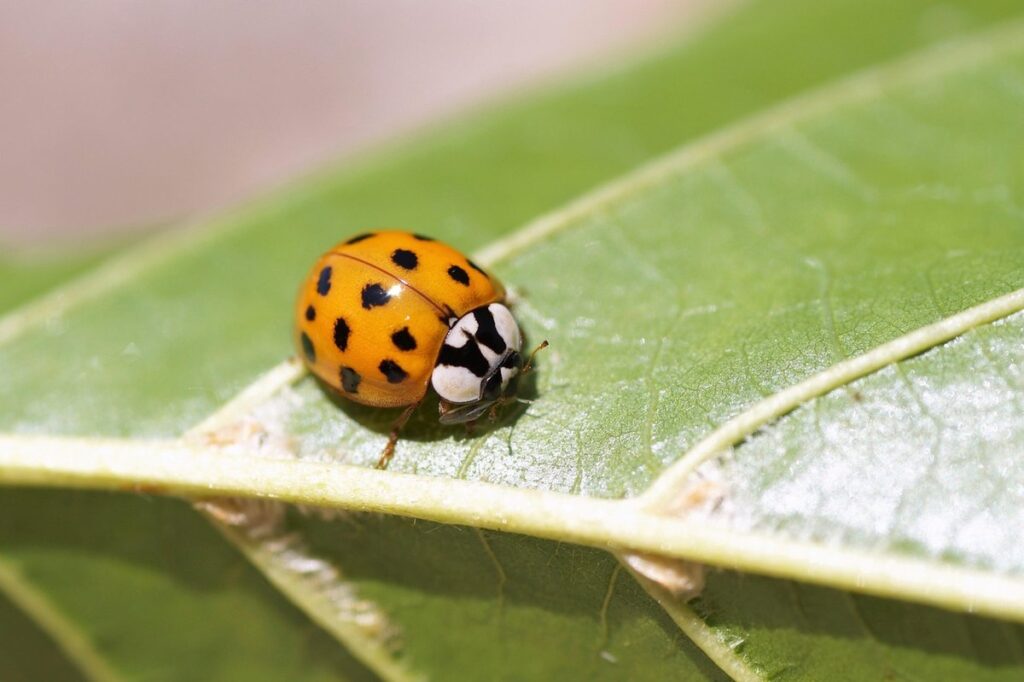
When integrating beneficial nematodes into your organic gardening practice for cucumber cultivation, it’s essential to consider complementary pest control methods that can enhance their effectiveness. One such approach is introducing natural predators of pests that beneficial nematodes target, like the ladybug and lacewing, which feed on aphids and whiteflies.
Physical barriers are another effective method to prevent pests from reaching your cucumbers in the first place. Use fine mesh or row covers to keep cucumber beetles, for example, from laying eggs on your plants. This not only reduces the pest population but also minimizes the nematode’s workload, allowing them to focus on more critical areas of infestation.
Another strategy is using neem oil, a natural insecticide that disrupts pest life cycles and prevents re-infestation. By combining beneficial nematodes with these complementary methods, you can create a robust and sustainable pest control system for your cucumber crops.
Record-Keeping and Continuous Improvement
Maintaining accurate records of your beneficial nematode application is crucial for fine-tuning your organic gardening practice. Start by noting down the date and time of each treatment, along with the specific beneficial nematode product used and the target pest species.
Consider keeping a logbook or spreadsheet to track key metrics such as:
* Soil moisture levels
* Temperature fluctuations
* Plant health and growth rates
* Number and type of pests present
Regularly reviewing these records will help you identify trends and areas for improvement. For instance, if you notice a correlation between higher soil temperatures and increased pest activity, you can adjust your nematode application schedule accordingly.
Continuous improvement is an ongoing process that requires patience and flexibility. As you gather more data, refine your techniques, and adapt to changing environmental conditions, your beneficial nematode treatments will become increasingly effective. Consider implementing regular check-ins with yourself or a fellow gardener to share knowledge, swap tips, and stay motivated in the pursuit of sustainable pest control.
Frequently Asked Questions
Can I mix beneficial nematodes with other natural pest control methods for enhanced efficacy?
Beneficial nematodes can be combined with other natural pest control methods, such as neem oil or insecticidal soap, to create a robust integrated pest management (IPM) strategy. This approach allows you to leverage the strengths of each method and achieve optimal results. For example, using beneficial nematodes to eliminate aphid colonies and then applying neem oil to prevent re-infestation can be an effective combination.
What’s the best way to handle weather-related issues that may affect beneficial nematode application?
Yes, it’s essential to consider weather conditions before applying beneficial nematodes. Rain or extreme temperatures can reduce their effectiveness. Apply beneficial nematodes when the soil is moist but not waterlogged, and avoid applications during periods of heavy rainfall or high temperatures above 85°F (30°C). Also, consider using a rain cover or applying nematodes in the morning to minimize weather-related issues.
How do I know if my cucumber crop has developed resistance to beneficial nematodes?
Monitoring your crop for signs of reduced effectiveness is crucial. If you notice that aphid or whitefly populations are not declining as expected after beneficial nematode application, it may indicate resistance development. In such cases, consider rotating to a different type of beneficial nematode or combining it with other control methods to manage the resistant pest population.
Can I use beneficial nematodes on all types of cucumber plants?
No, beneficial nematodes are specifically designed for certain types of cucumber plants, such as those grown in containers or greenhouses. If you’re growing cucumbers in a traditional field setting, ensure that your beneficial nematode product is suitable for outdoor applications and follows the recommended usage rates.
How do I record and evaluate the results of my beneficial nematode application?
Keeping accurate records of your application, including dates, rates, and weather conditions, will help you monitor the effectiveness of beneficial nematodes. Evaluate results by tracking changes in pest populations, crop health, and any notable environmental benefits. This information can also inform future applications and help refine your organic gardening practice.