
Are you tired of seeing your strawberry patch ravaged by pesky pests or infected with destructive diseases? It can be frustrating to watch your hard work go to waste due to common issues like aphids, powdery mildew, and fungal infections. But don’t worry – there’s hope! With the right knowledge and strategies, you can prevent and treat these problems effectively.
In this article, we’ll explore the world of integrated pest management (IPM) for strawberries. We’ll delve into natural deterrents like beneficial organisms, neem oil, and diatomaceous earth, as well as best practices for maintaining a healthy strawberry patch. By learning how to identify and manage common pests and diseases, you’ll be on your way to a bountiful harvest that’s free from the threats of aphids, powdery mildew, and more.
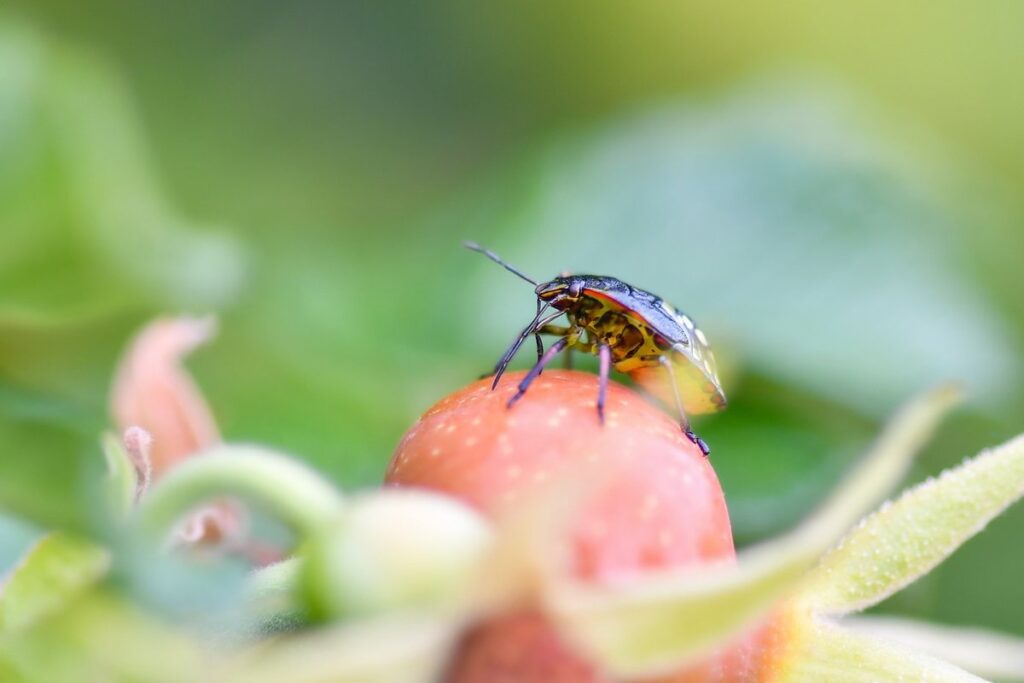
Identifying Common Strawberry Pests
When it comes to growing delicious strawberries, knowing what pests to look out for is crucial. In this next part of our guide, we’ll explore some common strawberry pests that can cause trouble in your garden.
Insect Pests: Aphids, Whiteflies, and Spider Mites
Aphids, whiteflies, and spider mites are three of the most common insect pests that can infest strawberry plants. These tiny insects may seem insignificant, but they can cause significant damage to your strawberry crop.
Identifying Aphids
Aphids are small, soft-bodied insects that feed on plant sap, causing curled or distorted leaves. They reproduce rapidly, with some species able to produce multiple generations in a single growing season. To identify aphids, look for small, pear-shaped creatures on the underside of leaves or on stems. Check for honeydew droplets, which are a sign of aphid infestation.
Life Cycle and Damage
Whiteflies are small, winged insects that feed on plant sap, causing yellowing leaves and stunted growth. They lay eggs on plant surfaces, which hatch into nymphs after 2-4 days. Spider mites are tiny, spider-like creatures that feed on plant sap, causing yellowing or bronzing of leaves.
Integrated Pest Management (IPM)
To control aphid, whitefly, and spider mite populations, practice integrated pest management techniques such as:
* Inspecting plants regularly for signs of infestation
* Using physical barriers like fine mesh to prevent whiteflies from reaching plants
* Introducing beneficial insects like ladybugs or lacewings that prey on these pests
* Applying insecticidal soap or neem oil to control populations
Remember, it’s essential to monitor your strawberry plants closely and take action promptly when you notice any signs of infestation. With a combination of observation, monitoring, and targeted management strategies, you can minimize the impact of these pests and protect your strawberry crop.
Rodent and Bird Damage to Strawberries
When it comes to growing strawberries, many gardeners overlook one of the most significant threats: rodent and bird damage. These pests can quickly devour your strawberry crop, leaving you with a disappointing harvest. Let’s take a closer look at the common culprits and how to protect your berries.
Rats, mice, and voles are some of the most common rodents that target strawberries. They’re attracted by the sweet taste and tender texture of ripe fruit. Rodents can cause significant damage by gnawing on stems, leaves, and even the roots of strawberry plants. To prevent rodent damage, use physical barriers like copper mesh or hardware cloth around your plants. You can also try using repellents containing predator scents like coyote or fox urine.
Birds, particularly starlings, sparrows, and robins, are another significant threat to strawberries. They peck at the fruit, leaving behind unsightly holes and making it more susceptible to rot and disease. To deter birds, use visual deterrents like shiny reflective tape or balloons, or try using bird-repellent granules containing capsaicin. Another effective method is to cover your plants with fine-mesh netting to keep birds out.
In addition to these methods, maintain a clean and tidy garden by removing weeds and debris that may attract rodents and birds. Use rodent-proof planters and strawberry jars with secure lids to prevent access. By taking proactive measures, you can minimize the damage caused by these pests and enjoy a bountiful harvest of delicious strawberries.
Major Strawberry Diseases
As you navigate the world of strawberry pests and diseases, it’s essential to understand the major afflictions that can impact your crop’s health. This section will delve into the most common and destructive diseases affecting strawberry plants.
Fungal Diseases: Powdery Mildew, Leaf Spot, and Root Rot
Fungal diseases are among the most prevalent and destructive afflictions affecting strawberry crops worldwide. The three most common fungal diseases affecting strawberries are powdery mildew, leaf spot, and root rot.
Powdery mildew is a highly contagious disease that manifests as a white, powdery coating on leaves and stems. It’s caused by fungi such as Oidium and Sphaerotheca, which thrive in humid conditions. Symptoms include stunted growth, yellowing of leaves, and reduced fruit production. To manage powdery mildew, practice good air circulation, remove weeds that harbor the disease, and apply fungicides like sulfur or copper-based products.
Leaf spot diseases, including anthracnose and leaf blight, are also common in strawberry crops. These fungi infect leaves and cause circular lesions with sunken centers. They thrive in cool, wet weather conditions and can be managed by improving air circulation, removing infected leaves, and applying fungicides like chlorothalonil.
Root rot is a more severe disease that affects the plant’s roots, causing them to decay and die. It’s caused by fungi such as Phytophthora and Botrytis, which thrive in waterlogged soil conditions. Symptoms include yellowing of leaves, stunted growth, and reduced fruit production. To manage root rot, improve drainage, reduce watering, and apply fungicides like fosetyl-Al.
Biological controls can also be effective against fungal diseases. For example, applying Trichoderma harzianum, a beneficial fungus that colonizes the roots and prevents disease-causing fungi from infecting them, can help prevent root rot. Additionally, introducing parasitic wasps that prey on fungal spores can help control powdery mildew outbreaks.
Incorporating cultural practices like crop rotation, sanitation, and integrated pest management (IPM) strategies can also help prevent the spread of these diseases. Regular monitoring of your strawberry plants for signs of disease and implementing preventative measures will go a long way in maintaining healthy and productive crops.
Bacterial and Viral Diseases: Fire Blight and Botrytis
Fire blight and botrytis are two major bacterial and viral diseases that can severely impact strawberry crops. Fire blight, caused by Erwinia amylovora bacteria, is a highly infectious disease that affects not only strawberries but also other stone fruits like apples and pears. It’s transmitted through open wounds on the plant, insect vectors, or contaminated pruning tools.
Symptoms of fire blight include wilting, defoliation, and blackening of stems and branches. Infected plants can die quickly, leading to significant yield losses. Botrytis, on the other hand, is a fungal disease caused by Botrytis cinerea that affects strawberries at different growth stages.
Botrytis symptoms include grayish-brown spores on flowers, fruits, or leaves, and a white cottony growth on infected tissues. To control these diseases, implement strict sanitation practices, remove infected plants, and use integrated pest management strategies like fungicides and bactericides. Monitor your strawberry crops regularly to catch any signs of infection early, reducing the risk of severe damage and yield loss.
Integrated Pest Management (IPM) Strategies
Now that we’ve identified common strawberry pests and diseases, let’s explore effective methods for managing them through integrated pest management strategies tailored to your specific growing conditions.
Cultural Controls for Strawberry Pests and Diseases
Cultural controls are an essential component of integrated pest management (IPM) strategies for strawberry growers. By modifying farming practices, you can significantly reduce the risk of pest and disease issues. One effective cultural control is adjusting planting dates to avoid periods when pests and diseases are most active.
For example, in regions with a wet winter, planting strawberries after the first frost but before the spring rains can help prevent fungal diseases like powdery mildew. Similarly, avoiding planting near areas where nematodes have been previously detected can reduce the risk of infestation.
Crop rotation is another valuable cultural control for strawberry growers. Rotating strawberries with non-host crops can break the life cycle of pests and diseases, reducing the need for pesticides and improving overall soil health. For instance, rotating strawberries with cover crops like clover or rye can help suppress weed growth and improve soil fertility.
By incorporating these simple yet effective cultural controls into your IPM strategy, you can create a healthier and more sustainable strawberry growing environment. Remember to monitor your fields regularly and adjust your approach as needed to stay ahead of pest and disease issues.
Biological Control Methods: Using Beneficial Organisms
When it comes to managing pests and diseases on strawberries, many growers are turning to biological control methods that harness the power of beneficial organisms. These tiny superheroes can provide a safe, effective, and long-term solution to common strawberry problems.
Beneficial insects like lady beetles, lacewings, and parasitic wasps are natural predators that feed on pests such as aphids, whiteflies, and spider mites. For example, the lady beetle is a voracious consumer of aphids, which can cause significant damage to strawberry plants. By introducing these beneficial insects into the garden, growers can reduce or even eliminate the need for chemical pesticides.
Microorganisms like beneficial bacteria and fungi also play a crucial role in biological control. These microorganisms can be used to control diseases such as powdery mildew and botrytis by colonizing the plant’s surface and producing compounds that inhibit fungal growth.
To implement biological control methods on your strawberry farm, start by identifying which pests or diseases are present and then choose the most effective beneficial organisms for control. Introduce these organisms into the garden through specialized equipment or by planting nectar-rich flowers that attract them. Regular monitoring of pest populations and disease incidence will help you adjust your strategy as needed to ensure optimal results.
Organic Pest Management for Strawberries
Organic pest management is a crucial aspect of growing healthy strawberries, and here we’ll explore effective methods to keep common pests at bay without harming your plants. We’ll dive into organic strategies for pest control that work beautifully with your strawberry patch.
Natural Deterrents and Repellents
When it comes to keeping those pesky strawberry pests at bay without resorting to harsh chemicals, natural deterrents and repellents can be a game-changer. Let’s take a closer look at some effective options.
Essential oils have gained popularity as a natural pest control solution. Certain essential oils like peppermint, lemongrass, and tea tree oil are known to repel common strawberry pests such as aphids, whiteflies, and spider mites. Mix a few drops of these oils with water in a spray bottle and spritz it directly on the plants.
Soap solutions can also be used as an effective deterrent against certain pests. A mild dish soap mixed with water is enough to ward off pests like slugs and snails without harming your strawberry plants. Just remember to test the solution first to ensure its pH level doesn’t harm your plants.
Some other non-chemical deterrents worth mentioning include garlic spray, neem oil, and diatomaceous earth. Garlic has natural insecticidal properties that can repel aphids and mites. Neem oil disrupts pest life cycles and prevents infestations. Diatomaceous earth dehydrates pests like slugs and snails.
When using these natural deterrents, be sure to follow the recommended application rates to avoid harming your plants.
Compost Tea and Other Biological Controls
Compost tea is a liquid solution made by steeping compost in water, which contains a high concentration of beneficial microorganisms. These microbes can help to combat plant diseases and pests naturally, making it an attractive option for organic strawberry growers. To make compost tea, you’ll need a bucket or container with a lid, some loose-leaf compost, and a mesh bag.
Submerge the compost in water, usually at a 1:10 ratio (one part compost to ten parts water), and let it steep for 24 hours. The resulting liquid solution is rich in beneficial microbes that can help to promote plant health and boost the immune system of your strawberry plants. One study found that using compost tea resulted in a significant reduction in powdery mildew on strawberries, highlighting its potential as a biological control agent.
When incorporating compost tea into your strawberry cultivation routine, be sure to apply it at the right time – typically during periods of high stress or disease pressure. A good rule of thumb is to start with small batches and observe the effects before scaling up production.
Monitoring and Managing Strawberry Pests and Diseases
Now that you know what to look out for, let’s dive into monitoring and managing those pesky strawberry pests and diseases that can wreak havoc on your crop. Effective management strategies are key to maintaining a healthy harvest.
Sampling Strategies for Accurate Identification
Accurate identification of pests and diseases is crucial for effective management strategies. However, it can be challenging without the right sampling methods. Here are some essential strategies to collect and analyze samples:
When collecting samples, focus on areas with visible symptoms or signs of infestation. Use a sterile tool to take multiple tissue samples from affected plants, including leaves, stems, and fruits. For pests like aphids, whiteflies, and thrips, use sticky traps or yellow traps to capture adult insects. Also, inspect the undersides of leaves and stems for eggs or nymphs.
It’s equally important to handle and store samples correctly. Use sealed bags or containers to prevent cross-contamination, and label each sample with its location, date, and suspected pest or disease. Store them in a cool, dry place until analysis.
To analyze samples, consider consulting with a certified lab or using a molecular-based test kit. These tools can help identify the pest or disease quickly and accurately. Regular monitoring and sampling will also help you track the spread of pests and diseases over time, allowing for timely intervention and more effective management strategies.
Record-Keeping and Decision Support Tools
As a strawberry grower, maintaining accurate records of pest and disease pressure is crucial for making informed decisions about control measures. A reliable record-keeping system helps you identify trends, track the effectiveness of management strategies, and anticipate future challenges.
Consider implementing an IPM (Integrated Pest Management) software or mobile app that enables you to log observations, note weather patterns, and document treatments. These tools often include customizable templates for tracking pest populations, monitoring pesticide applications, and recording yields.
For example, the FieldView platform allows growers to monitor crop health, track pest and disease pressure, and receive real-time recommendations on control measures. Similarly, the Suncadia mobile app enables strawberry growers to record observations, note weather data, and access IPM guidelines for common pests and diseases.
By leveraging decision support tools, you can optimize your IPM strategies, reduce pesticide use, and minimize economic losses. To get started, select a tool that meets your needs and preferences, and familiarize yourself with its features and functionalities. This will help you streamline record-keeping, make informed decisions, and improve overall crop management.
Case Studies: Successful Pest Management for Strawberry Growers
Real growers need real solutions, which is why we’re sharing three case studies on effective pest management strategies that actually work in strawberry fields. From integrated pest control to targeted biological methods, these examples show what’s possible.
Real-Life Examples of Effective IPM Strategies
Let’s take a closer look at some real-life examples of effective IPM strategies implemented by strawberry producers. One notable example is from a farm in California that successfully integrated beneficial insects into their pest management plan. By introducing lady beetles and lacewings, the farmer was able to reduce the need for chemical pesticides by up to 75%. This not only reduced costs but also minimized the environmental impact of pesticide use.
Another case study comes from a strawberry producer in Oregon who adopted a precision irrigation system that monitored soil moisture levels and adjusted watering schedules accordingly. This approach helped prevent over-watering, which can lead to fungal diseases like powdery mildew. As a result, the farmer reported a 20% reduction in fungicide applications.
In addition to these examples, it’s worth noting that continuous learning is essential for effective IPM implementation. The strawberry industry has seen significant advances in pest management technology, including the development of pheromone traps and targeted pesticide application systems. To stay ahead of pests, farmers should regularly attend workshops and conferences, participate in online forums, and collaborate with other growers to share knowledge and best practices.
For instance, a recent study published by the University of California found that strawberry producers who adopted IPM strategies saw an average increase in yields of 15% over two seasons. This suggests that even small adjustments to pest management practices can have significant economic benefits for farmers. By adopting integrated approaches and staying informed about the latest research and technologies, strawberry growers can improve their bottom line while minimizing environmental harm.
Frequently Asked Questions
How can I monitor my strawberry patch for signs of pests or diseases without spending too much time?
Monitoring your strawberry patch regularly is crucial to prevent pest and disease issues. You can use a simple checklist to identify common signs of infestation, such as curled leaves, white powdery patches, or tiny insects on the plants. Set aside 15-30 minutes each week to inspect your strawberries and take action promptly if you notice any problems.
What are some natural deterrents that I can use against aphids without harming my strawberry plants?
Besides neem oil and diatomaceous earth, other natural deterrents like garlic spray, soap solution, or horticultural oil can help repel aphids. You can also introduce beneficial organisms like ladybugs or lacewings to your garden to prey on aphid populations.
How do I know if my strawberry plants have powdery mildew, and what should I do about it?
Powdery mildew appears as a white, powdery coating on the leaves and stems of infected strawberry plants. To control the disease, remove any heavily infected plants or parts, and treat remaining plants with a fungicide or natural deterrent like neem oil.
Can I use compost tea as a biological control method for multiple types of pests and diseases at once?
Compost tea can be used to control various pests and diseases, but it’s essential to tailor the recipe according to your specific needs. For example, adding beneficial microorganisms or natural deterrents like garlic can enhance its effectiveness against specific problems.
What are some record-keeping strategies I can use to track my IPM efforts and identify areas for improvement?
Keep a garden journal or spreadsheet to record pest and disease sightings, treatments used, and their outcomes. This will help you track your progress and make informed decisions about future management strategies.