
Aphids can be one of the most frustrating pests to deal with when growing tomatoes. These tiny, sap-sucking insects can quickly multiply and cause significant damage to your plants, leading to reduced yields and lower quality fruit. But don’t worry, there are effective ways to manage aphid infestations on tomato plants without breaking the bank or harming the environment. In this article, we’ll delve into prevention methods, organic controls, and chemical treatments that can help you control aphids using Integrated Pest Management (IPM) techniques. We’ll also explore how to apply these strategies for sustainable pest management, so you can enjoy a healthier, more productive tomato crop all season long.
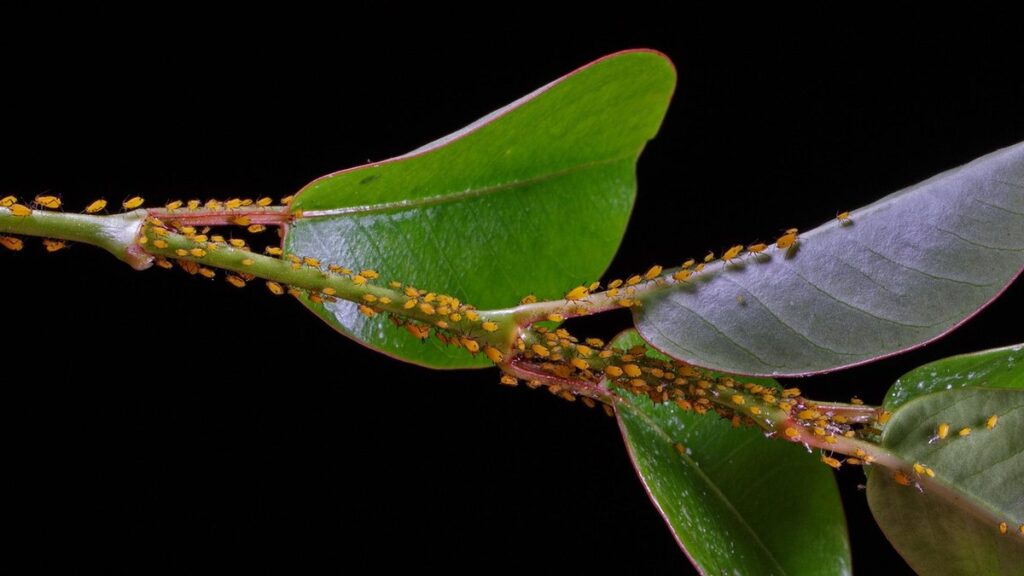
Understanding Aphid Infestations
To effectively manage aphids on your tomato plants, it’s essential to understand the causes and signs of infestation. Let’s break down what you need to know.
Identifying Common Signs of Aphid Infestation
Identifying an aphid infestation on your tomato plants can be challenging, especially if you’re not familiar with the signs. However, there are some common symptoms that indicate a problem. One of the most noticeable signs is curled or distorted leaves. Aphids feed on plant sap, which causes the leaves to become misshapen and curled under.
Another symptom is stunted growth. If your tomato plants are growing slower than expected or appear weak and spindly, it could be a sign that aphids are sucking the nutrients from the plant. You may also notice white, cottony patches on the stems and leaves, which are actually egg sacs laid by female aphids.
Look for sticky droplets on the leaves and stems – this is honeydew, a sweet, sticky substance produced by aphids as they feed. If you notice any of these symptoms, inspect your plants closely to confirm an infestation. Check the undersides of leaves and the joints between stems and leaves for aphid colonies.
Keep in mind that some species of aphids can be difficult to spot with the naked eye, so a magnifying glass or hand lens may come in handy for a closer inspection.
How Aphids Impact Tomato Plant Health
When aphids infest tomato plants, they can have a devastating impact on their health. One of the most significant effects is reduced yields. Aphid colonies can drain the plant’s sap, causing stunted growth and weakened foliage. This not only reduces fruit production but also affects the overall quality of the crop.
Aphid infestations also make tomato plants more susceptible to disease. When aphids feed on a plant’s sap, they inject a toxin that weakens the plant’s immune system. This makes it easier for other pathogens to take hold and cause even more damage.
As a result, fruit quality suffers significantly. Infested fruits may develop strange colors or textures, and their flavor and nutritional content can be compromised. In severe cases, infestations can lead to the complete loss of a crop.
To mitigate these effects, it’s essential to monitor your tomato plants closely for signs of aphid infestation and take action promptly if you notice any issues. Regularly inspecting your plants, using organic pest control methods, and implementing integrated pest management strategies can help minimize the impact of aphid infestations on your crop.
Prevention Methods for Aphid Infestation
To effectively manage aphids on your tomato plants, it’s essential to know how to prevent infestations from occurring in the first place. We’ll cover some effective prevention methods you can use.
Maintaining a Healthy Garden Environment
Maintaining a healthy garden environment is crucial in preventing aphid infestations on tomato plants. One of the most effective ways to do this is by maintaining optimal temperatures. Tomato plants thrive in warm weather, but extreme heat can stress them out, making them more susceptible to aphids. Keep your soil temperature between 65°F and 70°F (18°C and 21°C) during the day, as this will promote healthy growth and reduce the likelihood of pest issues.
Proper watering is also essential in maintaining a balanced garden environment. Overwatering can lead to weak and leggy plants that are more vulnerable to aphid attacks. On the other hand, underwatering can cause stress, which can weaken the plant’s natural defenses against pests. Water your tomato plants when the top inch of soil feels dry to the touch, and avoid getting water on the leaves to prevent fungal diseases.
Soil conditions also play a significant role in maintaining a healthy garden environment. Aphids thrive in nutrient-rich soils with high levels of nitrogen. To discourage aphid infestations, add organic matter such as compost or manure to your soil to improve its fertility without overloading it with nutrients. Regularly testing your soil pH and adjusting it if necessary will also help create an environment that’s less conducive to aphid growth.
Plant Selection and Breeding for Resistance
When it comes to managing aphid infestations on tomato plants, selecting resistant or tolerant varieties is a crucial step. This approach can significantly reduce the risk of infestation and minimize the need for chemical controls.
To start, look for varieties that have been bred specifically for their resistance to certain aphid species. For example, the ‘Better Boy’ variety has shown natural tolerance to the green peach aphid, while ‘Early Girl’ has demonstrated resistance to the tobacco aphid.
Keep in mind that even resistant varieties can still be affected by severe infestations, so it’s essential to maintain good garden hygiene and monitor your plants regularly. You can also combine plant selection with other prevention methods, such as introducing beneficial insects or using physical barriers.
Some nurseries and seed companies now offer tomato seeds specifically labeled as “aphid-resistant.” Be sure to read the seed package descriptions carefully and choose varieties that align with your climate and growing conditions.
By selecting resistant varieties, you’ll be taking a proactive approach to aphid management. This can lead to healthier plants, reduced pest-related stress, and ultimately, a more productive harvest.
Organic Treatment Methods for Aphids
When it comes to managing aphid infestations on your tomato plants, some gardeners swear by natural remedies that can effectively control these pesky pests without harming the environment. Let’s explore some effective organic treatment methods for aphids.
Neem Oil and Soap Solutions
Neem oil and soap solutions are two popular organic treatments used to control aphid populations on tomato plants. These natural pest control methods work by disrupting the life cycle of aphids, preventing them from reproducing and eventually killing them off.
Neem oil contains azadirachtin, a potent insect growth regulator that prevents aphids from developing eggs. When applied to the plant, neem oil penetrates the aphid’s exoskeleton, causing them to become sterile and unable to reproduce. This can be particularly effective against newly hatched aphid nymphs.
Soap solutions, on the other hand, work by suffocating aphids with a layer of soap residue on their bodies. A mild dish soap or castile soap is mixed with water according to label instructions and applied to the affected areas of the plant. The soap solution disrupts the aphid’s respiratory system, causing them to dehydrate and die within 24-48 hours.
When using neem oil or soap solutions, make sure to follow these guidelines: mix the recommended concentration of active ingredients with water according to label instructions, spray or brush the solution onto all surfaces of the plant, including undersides of leaves and stems. Repeat as necessary, usually every 7-10 days for optimal results.
Horticultural Oil and Insecticidal Soap
When it comes to managing aphid infestations on tomato plants without resorting to chemical pesticides, horticultural oil and insecticidal soap are two effective alternatives worth considering. These gentle yet potent options can be used as standalone treatments or combined with other organic methods for enhanced results.
Horticultural oil is a refined mineral oil derived from petroleum that works by suffocating aphids and other soft-bodied insects, ultimately leading to their demise. It’s available in various concentrations, ranging from 80% to 100%, but a 1-2% solution is typically sufficient for most applications. When using horticultural oil, ensure you follow the product instructions carefully, as improper dilution can cause more harm than good.
Insecticidal soap, on the other hand, is a type of mild detergent that disrupts an insect’s exoskeleton and ultimately leads to its death. This formulation is often preferred for delicate plants like tomatoes, as it’s less toxic and less likely to damage leaves or stems. To get the most out of your insecticidal soap treatment, mix 1-2 tablespoons per quart of water and spray it on both sides of the plant, paying particular attention to areas with heavy aphid infestations.
By incorporating horticultural oil and insecticidal soap into your integrated pest management (IPM) strategy, you can enjoy a healthier tomato crop without exposing yourself or the environment to harsh chemicals.
Chemical Treatment Methods for Aphids
If you’ve tried other methods and still can’t get rid of aphids, it’s time to consider using chemical treatment as a last resort. This method involves applying specific pesticides to your tomato plants.
Systemic Insecticides and Pesticides
Systemic insecticides and pesticides can be effective against aphid infestations on tomato plants. These chemicals are absorbed by the plant and distributed throughout its tissues, providing long-lasting protection against pests. However, they also pose risks to beneficial insects like bees and butterflies.
Neonicotinoids, such as imidacloprid and dinotefuran, are common active ingredients in systemic insecticides used for aphid control. These chemicals work by disrupting the insect’s central nervous system, ultimately leading to their death. However, research has shown that neonicotinoids can also have negative impacts on beneficial insects, including reduced pollination rates and increased mortality.
When using systemic insecticides, it’s essential to follow the recommended application rates to minimize risks to beneficial insects. This may involve applying a single treatment at the early stages of aphid infestation or using a combination of chemical and cultural controls. Be sure to read the label carefully and consider factors like the plant’s growth stage, soil type, and local pest management regulations before making a decision.
Some popular systemic pesticides for aphid control include pyrethroids (e.g., permethrin) and organophosphates (e.g., malathion). These chemicals can be applied as foliar sprays or incorporated into the soil through drip irrigation systems. However, their use should be carefully weighed against potential risks to beneficial insects and the environment.
When choosing a systemic insecticide, consider factors like its active ingredient, application rate, and mode of action. Opt for products that are labeled specifically for aphid control and follow all recommended usage guidelines. This can help minimize risks to beneficial insects while effectively controlling aphid populations on your tomato plants.
Timing and Frequency of Applications
Optimizing chemical applications for aphid control requires careful consideration of timing and frequency to minimize harm to non-target organisms. When treating tomato plants for aphids, it’s essential to apply chemicals at the right stage of infestation.
Applying too early can lead to unnecessary chemical residues on the plant, while waiting too long can allow the aphid population to escalate. To strike a balance, monitor your tomato plants regularly for signs of aphid activity, such as curled leaves or sticky honeydew droplets. As soon as you detect aphids, inspect nearby plants and surrounding areas to identify potential sources.
Apply chemicals when 50-75% of the plant’s growth is affected by aphids. This allows for adequate control while minimizing exposure to non-target organisms. Reapply every 7-10 days, adjusting the frequency based on weather conditions and pest activity. For example, if it rains within a week after application, you may need to reapply more frequently due to leaching. Always follow label instructions and take note of local regulations regarding chemical use in agriculture.
Integrated Pest Management (IPM) Strategies for Aphids
When dealing with aphid infestations on your tomato plants, implementing an integrated pest management strategy is crucial to minimize harm and ensure a healthy crop. This section will explore effective IPM methods for managing aphids.
Monitoring and Reporting Aphid Populations
Monitoring aphid populations is crucial to effective management of tomato plant pests. To start, you’ll need to determine the size and activity level of the infestation. One way to do this is by using sticky traps or yellow traps to capture and count aphids. These non-toxic methods won’t harm beneficial insects that might be present on your plants.
Regularly inspecting your tomato plants will also give you an idea of any issues you may have with aphid populations. Look for curled or distorted leaves, the presence of ants tending to aphids, or actual live aphids on the stems and leaves.
To report findings accurately, use a standardized system like a pest management calendar or spreadsheet to track population sizes over time. This will enable you to identify trends and make informed decisions about control methods. For example, if you notice that the aphid population spikes every spring around blooming time, plan ahead for prevention strategies during this period.
Aim to monitor your tomato plants at least weekly during peak growing seasons, adjusting the frequency based on specific needs and environmental factors.
Combining Physical, Cultural, Biological, and Chemical Controls
When it comes to managing aphid infestations on tomato plants, using a single approach often falls short of providing lasting results. A more effective and sustainable strategy is to combine physical, cultural, biological, and chemical controls into an Integrated Pest Management (IPM) plan.
Physical controls involve directly removing pests or altering the environment to discourage their presence. For example, manually removing aphids from affected areas or using sticky traps to capture them. Cultural controls focus on plant-specific practices that reduce pest susceptibility, such as pruning infested branches and providing optimal growing conditions. Biological controls utilize beneficial organisms like ladybugs, lacewings, or parasitic wasps to prey on or attack aphid populations.
Chemical controls, while sometimes necessary, should be used judiciously due to their potential environmental impact. In an IPM plan, chemical interventions are typically reserved for severe infestations when other methods prove insufficient. By combining these approaches, gardeners can develop a comprehensive and adaptive management strategy that addresses the unique needs of their tomato plants.
Conclusion: Effective Aphid Management on Tomato Plants
Now that we’ve explored treatment options, it’s time to summarize key takeaways and share effective strategies for long-term aphid management on your tomato plants.
Recap of Key Takeaways
To effectively manage aphids on tomato plants, recall that prevention is key. We discussed the importance of monitoring your plants regularly for early signs of infestation and implementing integrated pest management (IPM) strategies. This includes using physical barriers to prevent aphid spread, introducing beneficial insects such as ladybugs or lacewings, and practicing good garden hygiene.
For when treatment becomes necessary, we explored various options, including neem oil, insecticidal soap, and pyrethrin sprays. These methods can be used alone or in combination with one another to achieve the best results.
IPM strategies involve a multi-faceted approach that takes into account not just the pest itself but also the environment it inhabits. This might include adjusting watering schedules, pruning infested areas, and reducing stress on your plants through adequate fertilization and support.
Remember, effective aphid management is an ongoing process that requires patience, persistence, and a willingness to adapt as needed. By combining prevention methods with targeted treatment options and maintaining a holistic approach to IPM, you can protect your tomato plants from the damage caused by these pesky pests.
Final Recommendations for Home Gardeners
As you’ve learned throughout this article, managing aphid infestations on tomato plants requires a multi-faceted approach that includes monitoring, prevention, and treatment strategies. Now, let’s apply this knowledge to your home garden.
To begin with, make it a habit to regularly inspect your plants for signs of aphids, such as curled or distorted leaves, sticky honeydew droplets, or actual aphid colonies on the stems and leaves. This proactive monitoring will allow you to catch infestations early and prevent them from getting out of hand.
When dealing with a severe infestation, focus on using integrated pest management techniques that combine physical removal methods (like spraying off aphids with a strong jet of water), cultural controls (such as adjusting your watering schedule or providing beneficial insects like ladybugs), and organic insecticides (like neem oil or soap-based sprays). Avoid using broad-spectrum chemicals, which can harm beneficial insects and the environment.
By adopting these practical strategies, you’ll be well-equipped to manage aphid infestations on your tomato plants and enjoy a healthy, thriving harvest.
Frequently Asked Questions
What are the most effective ways to prevent aphid infestations on tomato plants?
To minimize the risk of aphid infestation, focus on maintaining a healthy garden environment by ensuring proper soil preparation, providing adequate water and nutrients, and promoting beneficial insects. Also, select resistant plant varieties whenever possible. Regularly inspect your plants for signs of infestation, and take prompt action if you notice any issues.
How long does it take to see results after applying neem oil or soap solutions?
Neem oil and soap solutions can start showing effectiveness within 1-2 days after application. However, it’s essential to repeat the treatment as recommended to ensure complete elimination of aphid colonies. Also, consider combining these organic controls with other methods like introducing beneficial insects or physical removal of infested areas.
Can I use insecticidal soap on plants that are already under stress from disease or pests?
Insecticidal soap can be used on stressed plants, but it’s crucial to assess the plant’s condition first. If your tomato plant is severely affected by disease or pests, consider addressing these issues before applying insecticidal soap. This product works best when applied preventatively as part of an Integrated Pest Management (IPM) strategy.
How often should I apply chemical treatments like systemic insecticides?
Chemical treatments like systemic insecticides are typically used as a last resort and require careful consideration. These products can have lasting impacts on beneficial insects, so it’s essential to follow the manufacturer’s instructions for application frequency. As a general rule, limit systemic insecticide use to once every 7-10 days and rotate with other methods.
Can I combine physical controls like spraying with water with organic treatments like neem oil?
Yes, combining physical controls like spraying with water can help in breaking up aphid colonies and making them more susceptible to organic treatments. When using a combination of methods, ensure you’re following the recommended application rates for each product and allowing sufficient time between applications to minimize potential harm to beneficial insects.