
Mint can be a beautiful addition to any garden or landscape, but left unchecked, its invasive properties can cause significant damage to ecosystems. If you’re dealing with an overgrowth of mint and want to restore balance to your environment, it’s essential to take action. But where do you start? Identifying invasive mint growth and containing its spread requires a combination of knowledge and effective strategies.
In this article, we’ll guide you through the process of preventing, identifying, and controlling invasive mint growth. We’ll cover the most effective containment methods and prevention strategies to help you restore damaged ecosystems. By the end of this expert guide, you’ll be equipped with the tools and confidence to tackle even the toughest mint invasions and protect your environment from further harm.
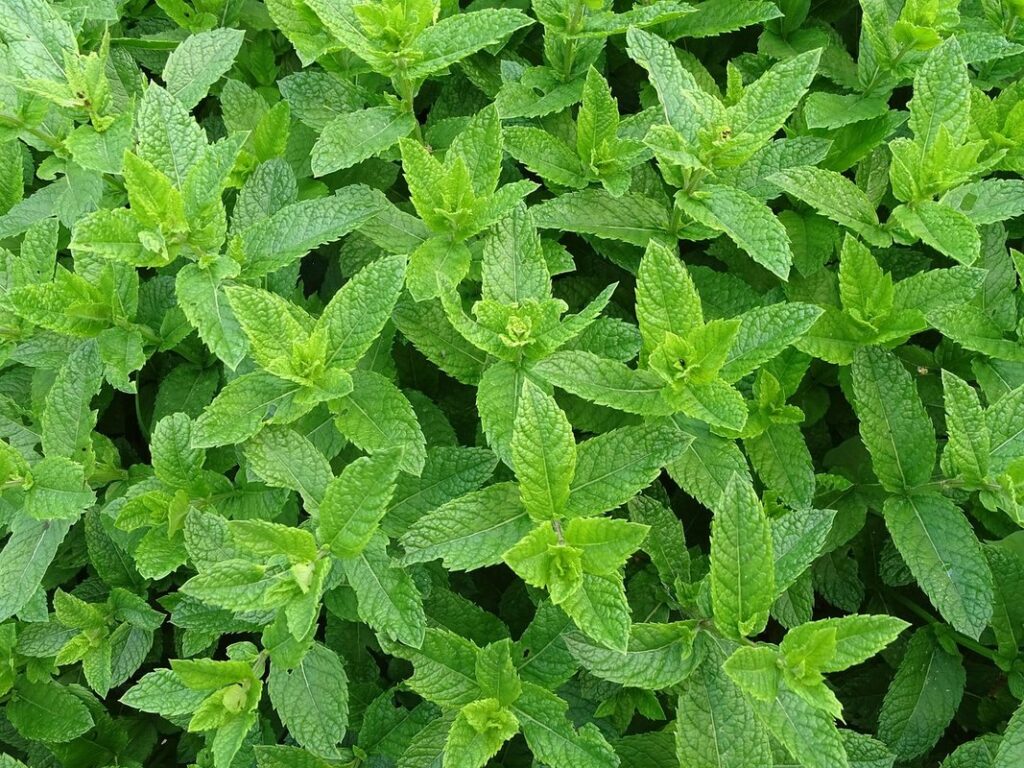
Understanding Invasive Mint
When dealing with invasive mint, understanding its behavior and growth patterns is crucial for effective containment. This section will break down the key characteristics that make mint so resilient in the wild.
Definition and Identification of Invasive Mint Species
Invasive mint species can be quite deceiving, as they often resemble their non-invasive counterparts. However, there are distinct characteristics and traits that set them apart. One of the most common invasive mint species is Pennisetum setaceum (Purple Fountain Grass), which has become a popular ornamental plant due to its vibrant purple foliage. While it may seem harmless at first glance, this particular species can quickly spread beyond control.
Another invasive mint species is Phyla nodiflora (Texas Frogfruit). This plant has small white flowers and tiny leaves that grow close together, allowing it to form dense mats of vegetation. It thrives in moist environments and can easily take over native plants, causing them to die off. To identify these invasive mint species, pay attention to their growth patterns, leaf shape, and flower color.
Some key things to note when trying to identify invasive mint species are:
• Leaf shape and size: Invasive mints often have elongated leaves with smooth edges.
• Flower color and arrangement: Many invasive mints produce small white or purple flowers in clusters.
• Growth pattern: These plants can quickly form dense mats of vegetation, choking out native plants.
Be aware that the characteristics mentioned above can vary depending on environmental conditions. When attempting to identify invasive mint species, it’s essential to consider factors like climate and soil type to ensure accurate identification.
Reasons for Invasive Mint Growth
Invasive mint growth can be attributed to various factors, and understanding these reasons is crucial for containment. Human activity plays a significant role in invasive mint’s expansion. The careless disposal of potted mint plants or garden waste containing mint roots has led to the spread of this species. Furthermore, the transportation of contaminated soil and mulch also contributes to its dispersal.
Climate change is another driving force behind invasive mint growth. Rising temperatures and changing precipitation patterns allow invasive plant species like mint to thrive in new areas. As a result, native ecosystems are disrupted, leading to decreased biodiversity.
Regulatory shortcomings also contribute to the proliferation of invasive mint. In many regions, there is a lack of clear guidelines for disposing of invasive plants or enforcing regulations on their sale and trade. This gap in regulation enables invasive species to spread unchecked, ultimately necessitating more drastic measures for containment.
The Impact of Invasive Mint on Ecosystems
Invasive mint can outcompete native species for resources, alter soil chemistry, and even change local water cycles. Understanding these effects is crucial to containing its spread.
Effects on Native Plant Species
Invasive mint can have devastating effects on native plant species, causing them to struggle for survival. One of the primary ways invasive mint impacts native plants is through competition for resources such as water and nutrients. As invasive mint spreads rapidly, it outcompetes native species for these essential resources, leaving them vulnerable to drought and nutrient deficiencies.
This competition can lead to a decline in native plant populations, potentially even driving some species to extinction. For example, the introduction of English ivy (Hedera helix) has been shown to reduce the population of native plants like wildflowers and grasses by up to 50% due to resource competition.
Habitat destruction is another significant impact of invasive mint on native plant species. As invasive mint spreads, it can form dense thickets that displace native vegetation, leading to a loss of biodiversity. To contain invasive mint and protect native plants, it’s essential to remove invasive mint as soon as possible, preventing its spread through proper disposal and following local regulations for invasive plant removal.
By taking proactive measures to control invasive mint, you can help preserve the delicate balance of your ecosystem and safeguard native plant species from these negative impacts.
Alteration of Water Cycles and Soil Quality
Invasive mint’s impact on water cycles and soil quality is a critical concern for ecosystems worldwide. As this aggressive plant spreads, it alters the natural hydrological processes, leading to droughts and floods. The altered water cycle disrupts the balance of moisture in the environment, causing water scarcity for native plants and animals.
When invasive mint grows, its extensive root system extracts water from deep beneath the soil surface, reducing groundwater levels and impacting nearby aquifers. This reduces the availability of water for native vegetation, exacerbating drought conditions. In some areas, the altered water cycle has led to increased flooding due to clogged drainage systems and changed hydrological patterns.
Invasive mint also affects soil quality by altering nutrient cycles and promoting erosion. Its deep roots release chemicals that inhibit the growth of surrounding plants, creating a competitive advantage for the invasive species. This degradation of soil health reduces its capacity to support plant life, leading to further ecosystem decline.
Control Methods for Invasive Mint
Effective control of invasive mint requires a combination of physical methods, such as digging and mowing, along with strategic use of herbicides. Let’s dive into these tried-and-true techniques to help you contain this pesky plant.
Physical Removal and Hand-Pulling
Physical removal is one of the most effective methods for containing invasive mint, and it’s often the preferred approach for small-scale infestations. To begin, gather a few essential tools: gardening gloves, a sturdy pair of scissors or pruning shears, and possibly a tool like a hoe or cultivator for larger areas. Before you start pulling, make sure to identify the type of mint – some varieties are more difficult to remove than others.
When hand-pulling, it’s essential to get as much of the root system as possible. This can be achieved by using a gentle sawing motion with your pruning shears or scissors, working from the base of the plant upwards. Be careful not to leave any small pieces behind, as these can quickly regrow into new plants.
Remember that hand-pulling is most effective for small areas and young infestations. For larger areas or more established mint growth, it may be necessary to use a combination of physical removal methods, including tools like hoes or cultivators, in conjunction with hand-pulling.
Chemical Control Methods
When it comes to controlling invasive mint growth, chemical control methods can be an effective solution. Herbicides are commonly used to target and kill invasive mint plants, but their use should be approached with caution.
Glyphosate, a non-selective herbicide, is often recommended for its ability to kill weeds, including invasive mint, without harming the soil or other vegetation. However, its effectiveness depends on the concentration used, application timing, and weather conditions. A 2% solution of glyphosate can be applied directly to the invasive mint plants during their active growth phase.
Other chemical control methods include using herbicides that target specific plant types, such as imazapic for broadleaf weeds like mint. These selective herbicides minimize collateral damage but may require repeated applications and careful timing. Always follow the product label instructions and take necessary safety precautions when handling chemicals. Consider consulting a professional or local authorities before applying chemical control methods to ensure compliance with regulations and environmental concerns.
Keep in mind that chemical control methods should be used as part of an integrated management strategy, combining multiple approaches like manual removal, physical barriers, and cultural practices to achieve the best results.
Prevention and Early Detection Strategies
To keep invasive mint under control, it’s essential to employ effective prevention strategies from the outset. This includes taking proactive steps to prevent its spread.
Education and Community Engagement
As we’ve discussed the prevention and early detection strategies for containing invasive mint, it’s essential to acknowledge that community involvement plays a crucial role in preventing its spread. Education and outreach programs are vital in raising awareness about the risks associated with invasive mint.
By engaging local communities, governments, and landowners in the fight against invasive mint, we can collectively work towards mitigating its impact. This can be achieved through workshops, seminars, and online platforms that provide accurate information on identification, management, and control methods.
For instance, you can organize a community clean-up event where volunteers can help remove invasive mint from public spaces. Similarly, schools can integrate invasive plant management into their curricula to educate the next generation about responsible land use practices.
When planning an outreach program, consider partnering with local nurseries, gardening clubs, and conservation organizations to amplify your message. Moreover, ensure that any educational materials provided are easy to understand and accessible to diverse audiences. By working together and fostering a sense of community responsibility, we can effectively contain the spread of invasive mint and preserve native ecosystems.
Monitoring and Reporting Invasive Mint Sightings
If you suspect an invasive mint sighting in your area, it’s essential to report it promptly to prevent its spread. First, verify the identity of the plant by consulting a field guide or seeking advice from a local expert. Look for distinctive characteristics like heart-shaped leaves and square stems.
Once confirmed, take note of the location, including GPS coordinates if possible. You can then submit your sighting using online reporting tools, such as the US Forest Service’s Early Detection and Distribution Mapping System (EDDMapS) or iNaturalist. These platforms allow you to upload photos and provide detailed information about the infestation.
Local resources like county extension offices, conservation districts, or park departments often have their own reporting mechanisms in place. Familiarize yourself with these channels by visiting the websites of relevant organizations or contacting them directly. Some counties also offer mobile apps for invasive species reporting. Always report sightings within 24 hours to maximize containment efforts.
Restoring Infested Areas
Now that you’ve contained the mint, it’s time to restore the areas affected by its invasive growth. This is where careful planning and execution come into play.
Assessment and Planning
Assessing the extent of infestation is crucial to determining the most effective restoration plan for your affected area. Start by walking through the infested area and take note of the mint’s growth patterns, density, and spread. Look for areas where the mint is more concentrated, as these will likely require more attention during removal.
Observe the condition of nearby plants and soil, taking into account any potential damage caused by the invasive species. Make a mental or written record of the different types of mint present, as well as their varying growth stages. This information will help you identify areas that need immediate attention and inform your restoration strategy.
When assessing the infestation, consider factors such as sunlight, soil quality, and water availability – all of which can impact the mint’s growth rate and resilience. Be sure to document your findings, including photographs or notes, to aid in future planning and evaluation. By thoroughly assessing the situation, you’ll be better equipped to develop an effective restoration plan that addresses the specific needs of your affected area.
Planting Native Species and Regenerating Ecosystems
When invasive mint takes over an area, it not only crowds out native species but also degrades soil quality and disrupts local ecosystems. To restore balance to these damaged areas, replanting native species is a crucial step in regenerating the ecosystem.
Start by identifying the native plants that once thrived in your infested area. Research local nurseries or consult with experts to determine which species are best suited for your region’s climate and soil type. Consider planting a mix of perennial and annual species, as this will promote diversity and resilience within the new ecosystem.
As you replant, remove any invasive mint roots that may be left behind to prevent regrowth. Plant native species at the correct depth and spacing to ensure healthy growth. Mulch around plants to retain moisture and suppress weeds. Monitor your progress closely, adjusting your approach as needed to achieve optimal results.
Additionally, consider implementing additional strategies like controlling soil erosion through terracing or contour planting. This will not only aid in native species regeneration but also prevent invasive mint from re-establishing itself. With patience and persistence, you can successfully restore damaged areas and promote long-term ecological health.
Frequently Asked Questions
How can I ensure I’m not spreading invasive mint further during containment efforts?
When removing invasive mint, be sure to use protective gear like gloves and eyewear, and dispose of cut stems carefully to prevent seed dispersal. Also, avoid composting invasive plant materials, as they can spread through the soil.
What are some common mistakes people make when trying to control invasive mint, and how can I avoid them?
Some common pitfalls include underestimating the extent of the infestation or relying too heavily on chemical control methods, which can harm native species. To avoid these mistakes, conduct thorough assessments, develop a comprehensive containment plan, and prioritize physical removal and hand-pulling.
Can I use invasive mint for medicinal purposes, even if it’s taking over my garden?
While some mint species do have medicinal properties, the invasive varieties should be approached with caution due to their potential impact on local ecosystems. If you still want to utilize its benefits, consider cultivating a non-invasive alternative and carefully harvest the invasive mint under controlled conditions.
How can I engage my community in addressing an invasive mint infestation?
Partner with local gardening groups, schools, or community centers to educate people about invasive species and involve them in restoration efforts. This can help build a sense of shared responsibility for managing invasive mint and promote long-term sustainability.
What are some key indicators that my control methods are working, and how often should I monitor the area?
Look for signs like reduced growth rates, fewer new shoots, or visible die-off of invasive mint stems. Regular monitoring (at least bi-weekly) will help you adjust your strategy as needed and ensure timely intervention to prevent further damage.