
Container gardening is an excellent way to add some greenery to your outdoor space, even when you have limited room or mobility. But did you know that perennials are perfect for container gardens? Not only do they come back year after year, but they’re also relatively low-maintenance and can thrive in a variety of conditions.
If you’re new to container gardening with perennials, selecting the right plants can be overwhelming. What types of perennials work best in containers? How often should you water and fertilize them? And how do you keep your garden looking its best all season long?
In this article, we’ll cover the benefits and best practices of growing perennials in containers. From choosing the perfect plants to maintaining a thriving garden, we’ll share expert tips and tricks to help you get started with container gardening perennials. Whether you’re a seasoned gardener or just starting out, you won’t want to miss this comprehensive guide.
Benefits of Container Gardening Perennials
When it comes to growing perennials in containers, there are numerous benefits that make them an ideal choice for gardeners. Not only do they provide long-lasting blooms, but also require minimal maintenance once established.
Advantages Over Traditional Gardening Methods
One of the most significant advantages of container gardening perennials is their flexibility. Unlike traditional gardens that are often tied to a specific location and climate, container gardens can be moved around to take advantage of changing weather conditions or to add some variety to your outdoor space. For example, if you have a shaded patio but want to grow a sunny perennial like lavender, simply move the container to a sunnier spot.
Container gardening also offers significant space-saving benefits. Whether you live in a small apartment or have a large yard with limited areas of sunlight, containers can be placed on balconies, patios, or even rooftops to make the most of your available space. Plus, because perennials come back year after year, you won’t need to replant every season.
In addition, container gardens allow for better control over soil quality. You can choose a high-quality potting mix specifically designed for containers and amend it as needed with fertilizers or other nutrients. This is especially beneficial in areas with poor native soil conditions, where traditional gardening methods may struggle to thrive.
Types of Containers Suitable for Perennials
When it comes to choosing containers for your perennial plants, you’ll want to select materials that provide excellent drainage, are durable, and suit your gardening style. Let’s explore the different types of containers suitable for perennials.
One popular option is terracotta pots, which offer excellent drainage and a natural, rustic look. However, they can be heavy and may crack in freezing temperatures. Wood containers are another eco-friendly choice, but they require regular maintenance to prevent rotting and warping. Plastic containers are lightweight and affordable, making them perfect for renters or those with limited space.
Consider the size of your container as well. Large pots (24-36 inches deep) provide ample room for roots to grow, while smaller pots (6-12 inches deep) are ideal for smaller perennials. Think about portability too – self-watering planters and containers with built-in water reservoirs can save you time and effort. When choosing a container, prioritize materials that will support the growth of your perennial plants and fit your gardening lifestyle.
Choosing the Right Location for Container Gardened Perennials
When choosing a location for container gardened perennials, one of the most critical factors to consider is sunlight. Most perennials require at least 4-6 hours of direct sunlight per day to photosynthesize and bloom. Be sure to choose a spot that receives sufficient sunlight, taking into account the specific needs of your plants. For example, some perennials like hydrangeas and hostas prefer partial shade, while others like coneflowers and black-eyed Susans thrive in full sun.
In addition to sunlight, accessibility for watering is also essential. Select a location that’s close to a water source, making it easy to water your plants when needed. Consider the size of your containers and the mature size of your perennials when deciding on their placement. Ensure that there’s enough space between each container for proper air circulation and easy maintenance.
Finally, protect your container gardens from extreme weather conditions like strong winds, heavy rainfall, or scorching heat. This can be achieved by placing them in a sheltered area or using windbreaks and shade cloth to provide protection.
Selecting the Perfect Perennial Plants for Containers
When it comes to container gardening, selecting perennial plants that thrive in pots is crucial for long-term success. Let’s explore the best perennials for containers and how to choose them wisely.
Low-Maintenance Options for Busy Gardeners
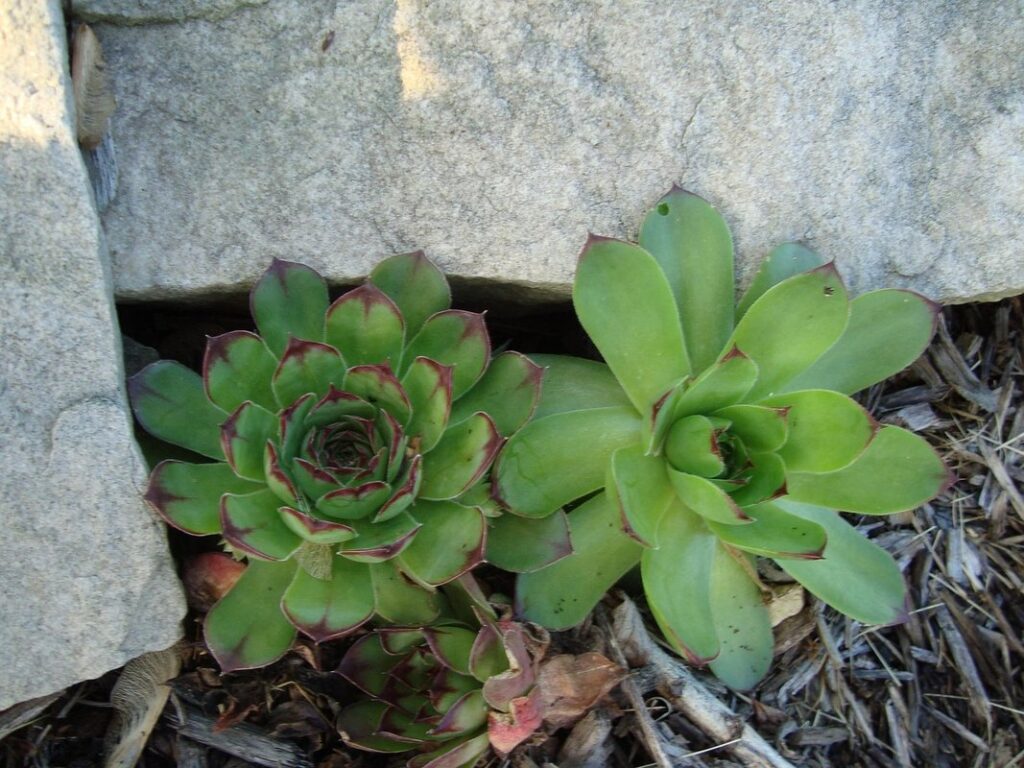
If you’re a busy gardener, you’ll love these low-maintenance perennial plants that thrive in containers. Succulents like aloe and echeveria are perfect for adding some greenery to your space without requiring constant watering or care. These drought-tolerant wonders can survive with minimal attention, making them ideal for those who don’t have hours to dedicate to their garden.
Other great options include sedum and coneflower, which require only occasional watering and fertilization. Sedum’s thick, fleshy leaves store water, allowing it to withstand neglect, while coneflowers produce beautiful blooms without needing much care. When choosing low-maintenance perennials for containers, remember that less is often more.
To keep your plants healthy and thriving, stick to a routine of watering every 7-10 days during the growing season. You can also use self-watering planters or pots with built-in water reservoirs for added convenience. With these simple tips and some careful selection, you’ll be enjoying beautiful blooms all season long without breaking a sweat. By incorporating low-maintenance perennials into your container garden, you’ll have more time to enjoy the fruits of your labor – literally!
Colorful Blooms to Brighten Up Your Container Garden
When it comes to adding color and vibrancy to your container garden, perennials are an excellent choice. Not only do they require minimal maintenance, but they also provide year-round beauty with a variety of blooms and foliage colors. Consider incorporating coral bells (Heuchera spp.), daylilies (Hemerocallis spp.), or hostas (Hosta spp.) into your container garden for a burst of color.
Coral bells offer stunning maple-like leaves in shades of pink, red, and purple, while also producing airy white blooms in the summer. Daylilies provide trumpet-shaped flowers in an array of colors, including bi-colored and tri-colored varieties, from spring to fall. Hostas boast large, leafy foliage in various shades of green, with funnel-shaped flowers in white, purple, or lavender that emerge in late summer.
To ensure your perennials thrive in containers, make sure the soil drains well and provide enough space for root growth. Add a balanced fertilizer in early spring to promote healthy growth, and divide and replant every 3-4 years to maintain plant health and vigor. With proper care, these colorful blooms will add beauty and excitement to your container garden season after season.
Fragrant Perennials for Scented Delights
When selecting fragrant perennials for your container garden, consider plants like lavender, bee balm, and catmint that not only provide a pop of color but also an intoxicating aroma. These scented delights are perfect for adding an extra sensory dimension to your outdoor space.
Lavender is one of the most recognizable fragrant perennials, with its silvery-gray leaves and purple blooms emitting a calming scent. To ensure optimal fragrance, choose English lavender or ‘Hidcote’ cultivar, which produces more intense aroma than other varieties. When planting in containers, pair lavender with other drought-tolerant plants like succulents to minimize maintenance.
Bee balm (Monarda didyma) is another fragrant perennial that’s perfect for attracting pollinators and filling the air with sweet, minty scent. Pinch off spent blooms to encourage new flower production and prevent seed set, which can divert energy from root growth. For added fragrance, combine bee balm with catmint (Nepeta spp.), whose gray-green leaves and blue-purple flowers release a soothing aroma.
When growing fragrant perennials in containers, remember to provide sufficient air circulation and space for the plants to mature. Water regularly but avoid overwatering, as this can lead to root rot and reduced fragrance production.
Soil and Fertilization Essentials for Container Gardened Perennials
When it comes to growing container perennials, understanding the right soil mix and fertilizers is crucial for long-term success. Let’s dive into the essentials of soil and fertilization specifically designed for your potted perennial plants.
Understanding the Importance of Good Soil Quality
Good soil quality is often overlooked as a crucial element in container gardening perennials. However, it’s essential to recognize that potting soils can greatly impact the health and well-being of our plants. A high-quality potting mix provides better drainage, aeration, and nutrient retention than low-grade mixes, which leads to healthier root growth, increased yields, and resistance to pests and diseases.
When choosing a potting soil for container-grown perennials, look for mixes that are specifically designed for containers or tropical plants. These blends typically contain ingredients like perlite, vermiculite, and peat moss that improve drainage, prevent waterlogging, and provide a balanced pH level. Avoid using garden soils from your yard, as they can compact in containers and starve the roots of oxygen.
Some popular potting soil options include coconut coir-based mixes, organic potting blends, and bark-based fertilizers. Consider the needs of your specific perennial plants, such as acid-loving hydrangeas or drought-tolerant succulents, when selecting a potting mix that caters to their requirements.
Organic Fertilizers for a Healthy Container Garden
When it comes to fertilizing your container garden perennials, it’s essential to choose eco-friendly options that promote healthy plant growth without harming the environment. One of the best ways to do this is by using compost tea. Compost tea is a liquid solution made by steeping compost in water, which releases beneficial microbes and nutrients that plants can easily absorb.
To make compost tea, simply steep 1-2 cups of compost in 5 gallons of water for 24 hours. This will create a nutrient-rich fertilizer that’s perfect for feeding your perennials. Another option is worm casting, also known as vermicompost. Worm castings are rich in nitrogen, phosphorus, and potassium, making them an excellent natural fertilizer.
Fish emulsion is another eco-friendly fertilization option that works well for container gardens. Made from the remains of fish, this liquid fertilizer is a good source of nitrogen, phosphorus, and other essential micronutrients. When using any of these fertilizers, be sure to follow the instructions on the label and start with small amounts to avoid over-fertilizing your plants.
Watering and Maintenance Tips for Perennial Plants in Containers
When it comes to keeping your container perennials thriving, proper watering and maintenance are crucial. We’ll dive into the essential tips you need to keep your plants happy and blooming all season long.
Avoiding Overwatering: Signs and Solutions
Overwatering is a common mistake that can be detrimental to container-grown perennials. When soil becomes waterlogged, roots suffocate, and plants are more susceptible to disease. Look for these signs of overwatering: yellowing leaves, droopy stems, and an unusual softness to the touch. You may also notice algae growth on the surface of the potting mix or water pooling around the container.
To adjust your watering schedule, start by checking the soil moisture with a finger test. Insert your finger into the soil up to the knuckle; if it feels dry, it’s time to water. Also, inspect the plant for signs of drought stress, such as wilted leaves or a drop in flower production. Keep in mind that containers dry out faster than in-ground plants due to increased evaporation. Consider using self-watering pots or adding a moisture-retentive mulch like coconut coir to help regulate soil moisture.
Be cautious not to overcorrect by underwatering, which can also be detrimental. Observe your plant’s specific needs and adjust your watering schedule accordingly. For example, some perennials, like sedum and succulents, require more infrequent watering due to their water-storing leaves.
Pruning and Deadheading: Keeping Your Container Garden Looking Its Best
Pruning and deadheading are essential techniques that will keep your perennial container garden looking its best. Pruning involves cutting back overgrown stems to maintain the plant’s shape and promote healthy growth. For perennials, prune when new growth begins in spring, removing about one-third of the stem. This encourages the plant to focus energy on producing blooms rather than foliage.
Deadheading is a simple process where you remove spent flowers from your container garden. This not only keeps the garden looking tidy but also encourages more blooming. Simply snip off wilted flowers with scissors or pinch them between your thumb and index finger. Regular deadheading will prolong the flowering period and prevent seed production, which can weaken the plant.
For example, consider a coneflower (Echinacea). After it finishes blooming, prune back the stem to about six inches from the base of the plant. This will help direct energy towards producing new blooms rather than seed heads. Remember to water your container garden well after pruning or deadheading to prevent stress on the plants. Regular maintenance like this will keep your perennial container garden thriving all season long.
Common Pests and Diseases Affecting Container Gardened Perennials
Pests and diseases can be a major challenge for container gardeners, so it’s essential to know how to identify and manage common issues that affect perennials. From root rot to aphids, we’ll explore what to watch out for.
Identifying Common Pests Like Aphids, Slugs, and Snails
When it comes to container-grown perennials, pests can quickly become a problem if left unchecked. Identifying common pests is the first step towards effective control. One of the most prevalent pests is aphids, tiny insects that feed on plant sap and secrete sticky honeydew. To control aphid infestations, use neem oil or insecticidal soap to spray affected plants.
Slugs and snails are also notorious for their love of container-grown perennials. These slimy creatures can be difficult to spot, but signs include holes in leaves and stems, as well as silvery trails on foliage. To deter slugs and snails, use copper tape around planters or sprinkle crushed eggshells near the plants’ bases.
Other pests to watch out for include caterpillars, whiteflies, and spider mites. Regularly inspect your plants for signs of infestation and take action promptly if you notice any damage. Remember to keep your container garden clean and free of debris, as this can attract pests in the first place. By being vigilant and taking control measures early on, you can protect your perennials from pest damage and enjoy a thriving, healthy garden.
Fungal Diseases: Prevention and Treatment Options
Fungal diseases are one of the most common issues affecting container-grown perennials. These diseases can cause significant damage to plants, resulting in reduced growth, discolored leaves, and even plant death. Some of the most common fungal diseases that affect perennials include powdery mildew, root rot, and leaf spot.
The causes of fungal diseases are often linked to poor watering practices, high humidity, and inadequate air circulation. When plants sit in waterlogged soil for extended periods, they become more susceptible to root rot. Similarly, high humidity can lead to powdery mildew, while a lack of air circulation can contribute to leaf spot.
To prevent fungal diseases, ensure good air circulation around your containers by placing them at least 6-8 inches apart. Water plants carefully, avoiding overwatering, and consider using a well-draining potting mix. Regularly inspect your plants for signs of disease, and treat any issues promptly with fungicides or other treatments.
Conclusion: Tips for a Thriving Container Garden with Perennials
Now that you’ve learned how to choose and care for your container perennials, here are some final tips to help them thrive in their new home. Let’s go over a few key takeaways.
Recap of Key Takeaways
When it comes to container gardening perennials, there are several key takeaways from this article that will help you create a thriving and beautiful garden. First and foremost, perennial plants are an excellent choice for container gardens because they require less maintenance than annuals and can bloom year after year with proper care.
Some of the benefits of container gardening perennials include their ability to attract pollinators, add visual interest to your space, and provide a sense of continuity throughout the growing season. However, it’s essential to consider factors such as soil quality, drainage, and sunlight when selecting perennial plants for your containers.
To ensure the success of your container garden, be sure to choose perennials that are suitable for your climate and growing conditions, and don’t overcrowd your containers. With regular watering, fertilization, and division, your perennial container garden will continue to thrive and provide enjoyment for years to come.
By following these tips and considering the unique needs of perennial plants, you’ll be well on your way to creating a stunning and low-maintenance container garden that brings joy to your outdoor space.
Final Tips for Success
As you near the end of creating your container garden with perennials, remember that patience and flexibility are key. A thriving perennial container garden requires regular maintenance to ensure it continues to flourish throughout the seasons. To keep your plants healthy and blooming, make sure to water them regularly but avoid overwatering, which can lead to root rot.
Also, don’t forget to fertilize your perennials during the growing season with a balanced, slow-release fertilizer. This will provide them with the necessary nutrients for growth and blooming. Be mindful of pruning, as this is crucial in maintaining the shape and promoting new growth in your plants. Prune dead or damaged foliage and flowers as soon as you notice them to prevent the spread of disease.
Another essential tip is to divide and replant perennials every 3-4 years to maintain their health and vigor. This will also encourage new growth and prevent overcrowding. By following these final tips, you’ll be well on your way to creating a stunning and thriving perennial container garden that brings joy and beauty to your outdoor space for years to come.
Frequently Asked Questions
Can I use perennials from my existing garden in containers, or do I need to buy new ones?
You can use perennials from your existing garden in containers if you’ve already established them in the ground and they’re doing well. However, be aware that container gardening can be more demanding than traditional gardening, so ensure your plants are adapted to these conditions before transferring them.
How often should I water my perennial container garden during extreme weather?
Yes, it’s crucial to adjust watering schedules according to the weather. During hot or dry spells, increase watering frequency to 2-3 times a week, while during wet periods, reduce it to once a week. Monitor soil moisture by sticking your finger into the soil up to the knuckle; if it feels dry, it’s time for water.
What happens if I forget to fertilize my container-grown perennials?
No, forgetting to fertilize won’t harm your plants immediately. However, prolonged neglect can lead to nutrient deficiencies and impact their growth. Regularly fertilizing will ensure optimal health, but if you’ve missed a few applications, consider getting a soil test to determine the best course of action.
Can I use regular potting mix for all my container gardening perennials?
No, not all plants require the same type of potting mix. For example, plants with high water requirements or those that thrive in acidic conditions might need specialized mixes. Research specific needs and choose a mix formulated to meet these demands for optimal results.
How do I protect my container-grown perennials from frost damage during winter?
Yes, protecting your container-garden perennials from frost is crucial. Bring them indoors if possible or move them to a protected area like a garage or shed. If you can’t bring the containers inside, wrap them with insulation materials and cover with a breathable sheet to prevent water accumulation.
Can I reuse old potting mix for new container garden plantings?
Yes, repurposing old potting mix is a cost-effective option but be cautious about potential contamination. If it’s been used for plants that required specialized fertilizers or fungicides, it might not be suitable for the next batch of plants. Thoroughly clean and sterilize containers before reusing them to avoid transferring potential issues.