
Composting is an essential practice for any gardener or eco-conscious individual, allowing you to turn kitchen scraps and yard waste into nutrient-rich soil that’ll make your plants thrive. But have you ever wondered what exactly can be composted? From food scraps like fruit and vegetable peels to yard trimmings like leaves and branches, the possibilities are vast. But did you know that even some unconventional materials can be added to your compost pile? In this article, we’ll delve into a comprehensive guide on what can be composted, including common household items and unexpected additions. We’ll explore how each material breaks down and contributes to creating rich soil for your garden. By the end of this guide, you’ll be well-equipped to create nutrient-rich compost with ease, reducing waste and boosting your garden’s health.
Types of Organic Materials to Compost
Let’s dive into the world of composting and explore the many types of organic materials you can add to your pile, from kitchen scraps to yard trimmings. This section will cover some surprising items you might not know are compostable.
Food Scraps and Residuals
When it comes to composting food scraps and residuals, there are plenty of options available. Fruit and vegetable peels, eggshells, and tea bags are all great additions to your compost pile. Even coffee grounds can be composted, although it’s best to mix them in with other materials to avoid creating a too-wet environment.
It’s also essential to separate “green” and “brown” materials when composting food scraps. Green materials like fruit and vegetable peels are high in nitrogen, while brown materials like dried leaves or shredded newspaper are high in carbon. By balancing these two types of materials, you can create a nutrient-rich compost that will help your garden thrive.
To get started, try adding a mix of green and brown materials to your compost pile on a regular basis. For example, if you have a lot of fruit peels from breakfast one day, balance them out with some dried leaves or shredded newspaper the next. This will ensure that your compost is well-structured and ready for use in your garden come springtime.
Some other food scraps worth mentioning include bread and grains, which can be rich in nutrients but must be balanced carefully to avoid attracting pests. And don’t forget to add a handful of soil or finished compost to the pile each time you add new materials – this will help introduce beneficial microbes that will speed up the decomposition process.
Yard Trimmings and Leaves
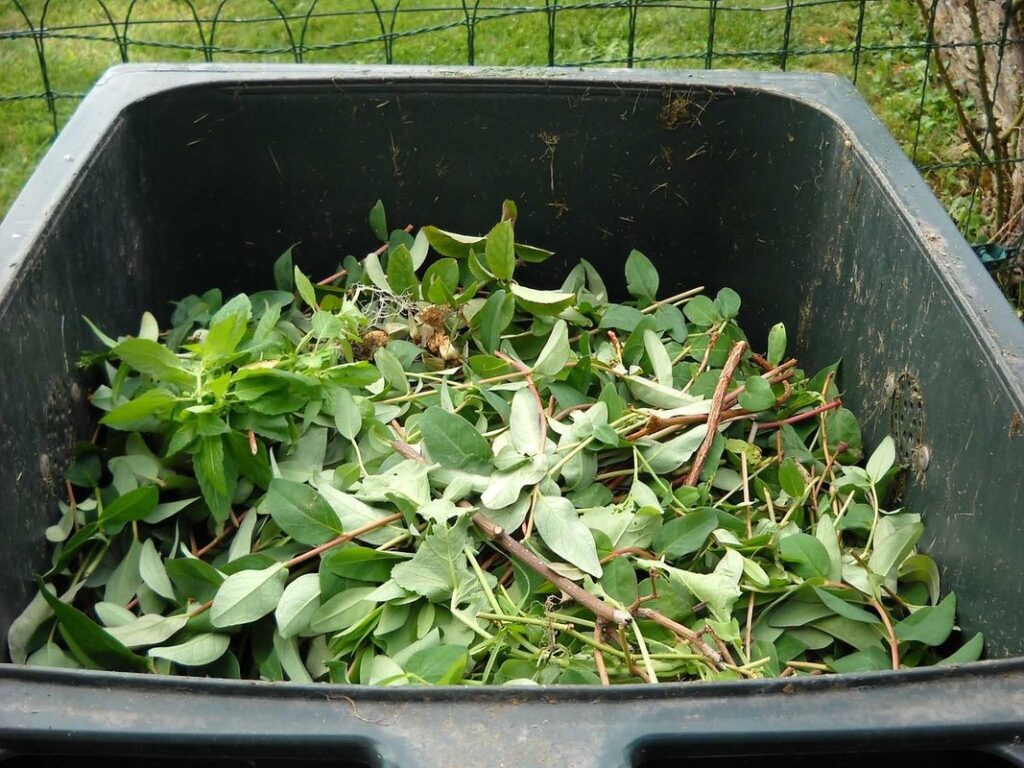
When it comes to yard trimmings and leaves, many people wonder what can be composted. The good news is that most types of grass clippings, branches, and shredded leaves are perfect for the compost pile.
Grass clippings, in particular, make an excellent addition to your compost. They’re high in nitrogen, which helps speed up the decomposition process. However, it’s essential to add them in moderation – too much can lead to a buildup of ammonia gas. Aim for about 20-30% grass clippings in your compost mix.
Branches, on the other hand, are more challenging to compost. While you can chop them into smaller pieces and add them to your pile, it’s best to avoid adding large branches or logs directly. They can take months or even years to decompose, which can slow down the entire composting process. Instead, shred or chip them before adding them to your compost.
Shredded leaves are another great addition to your compost pile. They add bulk and help with moisture retention. Just be sure to mix them in well with other materials to avoid creating a carbon-rich pile that’s prone to drying out.
Kitchen Waste Composting
Composting kitchen waste is a fantastic way to reduce food scraps and create nutrient-rich soil for your garden, but what exactly can be composted?
Turns out, more than you might think!
Bread and Grains
Bread and grains can be easily added to your compost pile, but there are some considerations to keep in mind. First, bread is mostly made up of carbon-rich carbohydrates, which make it an excellent addition to your compost mix. However, moldy or stale bread can be a problem.
When adding moldy bread to the compost, it’s essential to bury it under a layer of “green” materials like fruit and vegetable scraps or manure. This helps suppress the growth of mold and prevents pests from being attracted to the area. To minimize mold growth, you can also dry out stale bread in the oven at 150°F (65°C) for a few hours before adding it to the compost.
Some other grains that can be composted include oats, barley, and wheat bran. These should be added in moderation, as they are high in carbon content. It’s best to balance them with nitrogen-rich materials like food scraps or grass clippings. When composting grains, remember that they will break down quickly, so monitor their progress closely to avoid creating anaerobic conditions in your pile.
Eggshells and Dairy Products
Eggshells and dairy products are often overlooked as potential compost materials, but they can be incredibly beneficial for your garden. Adding eggshells to the compost pile helps to neutralize soil pH and improve drainage, making it an excellent choice for plants that prefer slightly acidic conditions.
When adding eggshells, crush them into smaller pieces to increase their surface area and speed up the decomposition process. Mix them with other organic materials like leaves or grass clippings to create a balanced compost blend. As your pile breaks down, the calcium-rich shells will become a nutrient-rich soil amendment, promoting healthy root development and fruit production.
Dairy products, such as milk, cheese, and yogurt, are also suitable for composting, but they must be handled with care. Avoid adding large quantities of dairy, as it can attract pests and create unpleasant odors. Instead, mix in small amounts of dairy with other organic materials to minimize any potential issues. Regularly turning your pile will help to speed up the decomposition process and prevent anaerobic conditions that might lead to unpleasant odors or pest infestations.
As your compost matures, you’ll be rewarded with a rich, nutrient-dense soil amendment that promotes healthy plant growth and development.
Composting Unconventional Materials
You might be surprised at how many unusual materials can be composted, from coffee grounds to cardboard tubes, which we’ll explore next. Let’s dive into some unconventional items you can turn into nutrient-rich soil.
Manure and Pet Waste
Composting manure and pet waste can be a great way to reduce waste and create nutrient-rich soil for your garden. However, it’s essential to handle these materials properly to avoid contamination and ensure safe composting.
First, let’s clarify what types of manure are suitable for composting: horse, cow, sheep, and goat manures are all good candidates. Avoid composting dog or cat waste, as they may contain pathogens that can harm humans and plants. Other pet wastes like bird droppings or reptile feces should also be avoided.
When handling manure, make sure to wear gloves and work in a well-ventilated area. Store the manure in a covered bin or container until it’s ready for composting. It’s essential to balance the carbon-to-nitrogen ratio by adding sufficient “green” materials like leaves or grass clippings.
Properly composted manure can be a valuable addition to your garden, providing nutrients and improving soil structure. To ensure safe composting, follow these guidelines: maintain a temperature of at least 131°F (55°C), turn the pile regularly, and add bulking agents like straw or shredded newspaper to prevent matting.
By following these steps and handling manure and pet waste with care, you can create rich, nutrient-dense compost for your garden.
Cardboard and Paper Products
Composting cardboard and paper products can be a bit tricky, but it’s definitely doable with some preparation. On one hand, these materials are rich in carbon and can help balance out the nitrogen levels in your compost pile. They also absorb excess moisture, making them a great addition to maintain a healthy C:N ratio.
However, there are some drawbacks to consider. If you add large sheets of cardboard or paper products without shredding them first, they can create air pockets that hinder decomposition and even attract pests. To avoid this, it’s essential to shred or tear these materials into smaller pieces before adding them to the pile.
Aim for a mix of 2-3 parts “brown” materials like shredded cardboard and newspaper with one part “green” materials like food scraps and yard waste. This will ensure that your compost pile breaks down efficiently and without any issues.
Composting Materials with Special Considerations
When it comes to composting, some materials require extra care due to their high nitrogen content or other factors that can affect the balance of your pile. Let’s take a closer look at these special considerations.
Meat, Bones, and Fish
When it comes to composting meat, bones, and fish, it’s essential to exercise caution due to potential pathogens and odors. Meat, bones, and fish are high-risk materials that can attract pests, create unpleasant odors, and potentially harbor pathogenic bacteria like E. coli, Salmonella, and Listeria.
To minimize these risks, it’s crucial to balance the addition of meat, bones, and fish with other composting materials. A general rule of thumb is to include these high-risk items in moderation (about 10-20% of your total compost pile). This helps maintain a healthy carbon-to-nitrogen ratio and prevents overloading the pile with potentially pathogenic materials.
When adding meat, bones, or fish, make sure they’re cut into small pieces to increase their surface area for decomposition. It’s also vital to balance these high-protein materials with enough “brown” materials like dried leaves, straw, or shredded newspaper to absorb excess moisture and odors.
To further mitigate risks, you can:
• Freeze meat, bones, and fish before adding them to your compost pile to kill pathogens.
• Bury high-risk materials deep within the pile, covering them with a 6-inch layer of “brown” materials.
• Monitor temperature and turn the pile regularly to ensure it reaches the optimal decomposition zone (130°F – 140°F).
Weeds and Invasive Species
When it comes to composting, not all weeds and invasive species are created equal. Some can be safely added to your compost pile, while others can spread and cause harm to the environment. To navigate this complex issue, let’s start with identification: how do you know if a weed or invasive species is safe for composting? A good rule of thumb is to research any plant that you’re unsure about. Look up its growth habits, potential for spreading, and whether it’s considered invasive in your region.
If you’ve determined that a weed or invasive species can be safely composted, follow proper removal techniques. Cut the plants as close to the ground as possible, taking care not to break any roots that might spread further. Then, chop them into smaller pieces to increase their surface area and speed up decomposition.
Remember to balance your weed-heavy compost pile with a mix of “green” materials like kitchen scraps or grass clippings, which will help counteract the potential for weeds to dominate the pile.
Composting for Specific Needs
Composting can be tailored to meet specific needs, such as reducing food waste or creating nutrient-rich soil for indoor plants. Let’s explore how to compost for these and other unique purposes.
Composting for Indoor Gardens
Indoor gardening is a wonderful way to bring some greenery into your life, but it can be challenging when it comes to composting. Most of us don’t have acres of land to dedicate to a large compost pile, so we need to get creative with our space-saving strategies.
If you’re an indoor gardener, you’ll want to look for compact bin options that won’t take up too much room on your balcony or in your apartment. Some popular options include worm composters, which can be as small as 5 gallons and are perfect for tiny spaces. You could also consider a bokashi bin, which is a small container that uses microorganisms to ferment food waste.
To make the most of your compact composting setup, be sure to choose materials that will break down quickly, such as fruit and vegetable scraps, tea bags, and coffee grounds. Avoid adding meat, dairy, and oils, as they can attract pests and create odors. Regularly turn your compost pile to keep it aerated and speeding up the decomposition process.
By following these tips, you’ll be able to create nutrient-rich compost for your indoor garden in no time – even in the smallest of spaces!
Composting for Large Farms or Estates
Composting for large farms or estates requires careful planning and execution to ensure efficient processing of organic materials. When dealing with substantial volumes of waste, it’s essential to consider equipment and logistics to maintain a smooth operation.
For instance, if you’re managing a 1,000-acre farm producing an abundance of crops, the sheer volume of agricultural waste can be overwhelming. A good starting point is determining what type of composting system best suits your needs. Do you require a centralized composting facility or on-site processing units? The answer largely depends on available land and labor.
Some farms opt for windrow composting systems, which allow for controlled decomposition in long rows. This method demands significant space but is often effective for large-scale operations. Others prefer static pile systems, which can be more compact but require closer monitoring of temperature and moisture levels.
Whatever system you choose, regular maintenance is crucial to prevent issues like odors and pests. Make sure to maintain adequate ventilation, turning the piles regularly, and balancing carbon-to-nitrogen ratios. Proper planning will not only optimize efficiency but also ensure a high-quality final product for crop improvement.
Frequently Asked Questions
Can I add weeds to my compost pile, or will they ruin the nutrient-rich soil?
No, it’s generally not recommended to add weeds directly to your compost pile. Weeds can harbor seeds that may sprout in your finished compost and cause problems in your garden. Instead, compost them separately, ensuring they’re fully broken down before adding them to your mix.
How do I know if my compost is ready for use?
Check the texture of your compost by making a small ball with it. If it holds its shape and doesn’t crumble apart, it’s likely ready for use. You can also perform a “squeeze test” – if water drips out when you squeeze a handful of compost, it’s ready.
Can I compost pet waste, or will it attract pests to my garden?
Yes, you can compost pet waste, but take precautions to avoid attracting pests and diseases. Mix the waste with other materials, like brown leaves or shredded newspaper, and ensure it reaches 131°F (55°C) during the composting process to kill pathogens.
How often should I turn my compost pile for optimal breakdown?
Regular turning of your compost pile can significantly speed up the decomposition process. Aim to turn it at least once a week, especially in hot climates or with high-moisture materials. This ensures airflow and helps maintain an ideal carbon-to-nutrient ratio.
Are there specific containers I should use for collecting food scraps before adding them to my compost pile?
Consider using bins or containers with tight-fitting lids to collect food scraps indoors. These can help keep pests away and prevent odors from spreading. Make sure the containers are airtight, yet allow for easy addition of materials to your outdoor compost pile.