
Are you eager to turn your kitchen scraps into nutrient-rich soil for your garden? Making compost is an excellent way to reduce waste, create a sustainable gardening practice, and save money on fertilizers. But have you ever wondered how long it takes to make compost? The answer may surprise you! In this article, we’ll explore the time it takes to make compost using different methods, including hot and cold composting, in-vessel, and outdoor options. You’ll learn tips to speed up decomposition and get your hands on a rich, earthy treasure for your garden in no time. By understanding how long it takes to make compost, you can plan ahead, optimize your process, and enjoy the benefits of homemade compost sooner rather than later. Let’s dive into the world of composting together!
Understanding the Composting Process
Now that we’ve covered why composting is essential, let’s dive into the fundamental steps involved in breaking down organic matter. We’ll explore what happens to each type of material as it becomes part of the composting process.
Factors That Influence Composting Speed
When you’re trying to speed up or slow down the composting process, it’s essential to understand the key factors at play. The carbon-to-nitrogen ratio is a crucial one – if you have too much carbon (brown materials like leaves), it can take longer for decomposition to occur because microorganisms need more nitrogen-rich “green” materials to break it down efficiently. Conversely, an imbalance of too many greens can lead to anaerobic conditions and unpleasant odors.
Moisture levels also significantly impact composting speed: if the pile is too dry, decomposition slows down; too wet, and it becomes anaerobic again. Aim for a mix that’s like a damp sponge – not soaking but not parched either. Temperature plays a vital role as well – when temperatures rise above 130°F (54°C), microbial activity accelerates, speeding up the composting process.
A good rule of thumb is to maintain a temperature between 130°F and 140°F (54-60°C) for optimal decomposition. Regular turning of the pile also helps regulate these factors, ensuring that all materials are well-aerated and breaking down evenly.
Choosing the Right Composting Method
Choosing the right composting method is crucial when it comes to speed and quality of your finished compost. There are two primary methods: hot and cold composting, each with its own turn-around time.
Hot composting involves actively managing the process by regularly turning and mixing the materials. This method allows for faster decomposition, often taking 2-6 weeks to produce a high-quality compost. However, it requires regular attention and labor-intensive maintenance.
Cold composting, on the other hand, is a more hands-off approach where materials are added without frequent turning or mixing. This process takes longer, typically requiring 6-12 months for completion. While cold composting doesn’t provide the same level of speed as hot composting, it’s often preferred by gardeners who prioritize simplicity and don’t mind waiting for their finished compost.
When choosing between these methods, consider your available time and resources. If you have a small space or limited mobility, in-vessel composting might be a better option. This involves using a contained bin that makes turning and mixing easier. Outdoor composting is also an alternative, but it may require more labor and attention to pests and odors.
In-vessel composting can take anywhere from 2-6 weeks for hot composting or up to 12 months for cold composting, depending on the specific system used. Ultimately, selecting a method that suits your needs will help ensure you have high-quality finished compost in no time.
Hot Composting: The Fastest Way to Make Compost
Hot composting is a game-changer for impatient gardeners, allowing you to create rich compost in as little as 1-3 weeks. Let’s dive into how it works and what makes it so speedy.
Benefits of Hot Composting
Hot composting offers several benefits that make it an attractive option for gardeners. One of the primary advantages is its speed – hot composting can break down organic materials up to 10 times faster than traditional cold composting methods. This is due to the high temperatures generated during the process, which reach as high as 130°F (54°C), killing off weed seeds and pathogens.
Weed control is another significant benefit of hot composting. By maintaining a consistently high temperature, the compost pile can effectively kill off weed seeds, reducing the risk of weeds growing in your garden. This makes it an ideal method for gardeners who struggle with invasive species. To maximize these benefits, it’s essential to maintain optimal moisture levels and ensure proper carbon-to-nitrogen ratios.
By implementing hot composting methods, you can create nutrient-rich soil amendments quickly and efficiently. With a little planning and regular maintenance, you can enjoy the rewards of hot composting in as little as 2-3 weeks.
Setting Up a Hot Composting System
Creating an efficient hot composting system is crucial for rapid decomposition and optimal nutrient retention. To start, select a location with good airflow and accessibility for easy mixing. Ensure the area receives adequate sunlight to help regulate temperatures.
Next, gather necessary materials: a 3×3 or 4×4 foot bin, a pitchfork or shovel, and organic inputs such as ‘green’ (nitrogen-rich) and ‘brown’ (carbon-rich) materials. A general rule of thumb is a 2/3 brown to 1/3 green ratio.
Begin by adding a 4-6 inch layer of coarse brown materials like straw or shredded newspaper. Follow with a mix of 2-3 inches of finely chopped ‘green’ materials, such as food scraps or grass clippings. Repeat this pattern until the bin is full, ending with a layer of brown material on top.
Monitor temperature and moisture levels regularly, aiming for an optimal range between 130°F to 140°F (54°C to 60°C) and maintaining a consistent moisture level throughout. Regular mixing, ideally every 2-3 days, will help maintain oxygen flow and promote rapid decomposition.
Cold Composting: A More Patient Approach
For those who prefer a more leisurely approach, cold composting involves adding layers of “green” and “brown” materials without turning them, allowing nature to break them down over time.
The Slow and Steady Method
Cold composting is a method that’s often overlooked, but it offers numerous benefits for those who adopt it. One of its most significant advantages is minimal maintenance – you simply add materials to the pile as needed and let nature take its course. Unlike hot composting, which requires regular turning and monitoring, cold composting allows you to let your compost “sit” for an extended period without any hassle.
The absence of odors is another attractive aspect of cold composting. Since the process doesn’t involve breaking down materials at high temperatures, there’s little risk of attracting pests or experiencing unpleasant smells. This makes it an ideal choice for gardeners with limited space or those who prefer a low-maintenance approach to waste management.
To get started with cold composting, gather a mix of “green” (nitrogen-rich) and “brown” (carbon-rich) materials in a designated area. Add green materials like food scraps, grass clippings, or manure as needed, balancing them out with brown materials like leaves, straw, or shredded newspaper. With patience and minimal effort, you can create nutrient-rich compost that will enrich your soil over time.
Tips for Successful Cold Composting
When creating a thriving cold compost pile, it’s essential to follow some key principles. First and foremost, you’ll want to maintain a mix of “green” materials like food scraps and grass clippings, which provide nitrogen, and “brown” materials such as leaves or straw, which offer carbon.
Aim for a balance of 2/3 brown materials to 1/3 green materials in your pile. This will create an optimal environment for decomposition. Avoid overloading the pile with too much green material, as this can lead to anaerobic conditions and unpleasant odors.
To speed up the process, add a few handfuls of finished compost or well-rotted manure to the top layer of the pile. This will introduce beneficial microorganisms that will help break down the materials.
Regular turning of the pile is also crucial for cold composting. Every 7-10 days, use a pitchfork to gently turn the outer edges towards the center. This helps aerate the pile and ensures even decomposition.
In-Vessel vs. Outdoor Composting
When it comes to composting, you’ll want to consider whether an indoor vessel or outdoor pile is right for you, and how each method affects your timeline. Let’s weigh the pros of each approach.
In-Vessel Composting Systems
In-vessel composting systems use enclosed containers to break down organic materials. This method offers several advantages over outdoor composting, including improved temperature control and reduced odors. However, there are also some drawbacks to consider.
One of the main benefits of in-vessel composting is its ability to speed up the decomposition process. By controlling the oxygen levels and maintaining a consistent temperature between 131°F and 140°F (55°C and 60°C), microorganisms can break down organic matter more efficiently. This method also allows for better carbon-to-nitrogen ratio management, which is crucial for achieving optimal compost quality.
However, in-vessel composting requires significant energy consumption to heat the containers and power ventilation systems. The capital costs of purchasing or leasing these units can be high as well. For example, a small-scale in-vessel composter might cost upwards of $10,000, while larger industrial units can reach prices exceeding $50,000.
Despite these expenses, in-vessel composting remains an attractive option for those with large volumes of organic waste to manage. By considering both the benefits and drawbacks, you can decide whether this method is right for your needs.
Outdoor Composting Options
When composting outdoors, several methods can be employed to turn organic waste into nutrient-rich soil. Tumblers, for instance, are popular due to their ease of use and space-saving design. They typically require turning every 2-3 days to ensure aeration, which contributes to the accelerated decomposition process. The average time it takes for compost in tumblers is about 1-3 weeks.
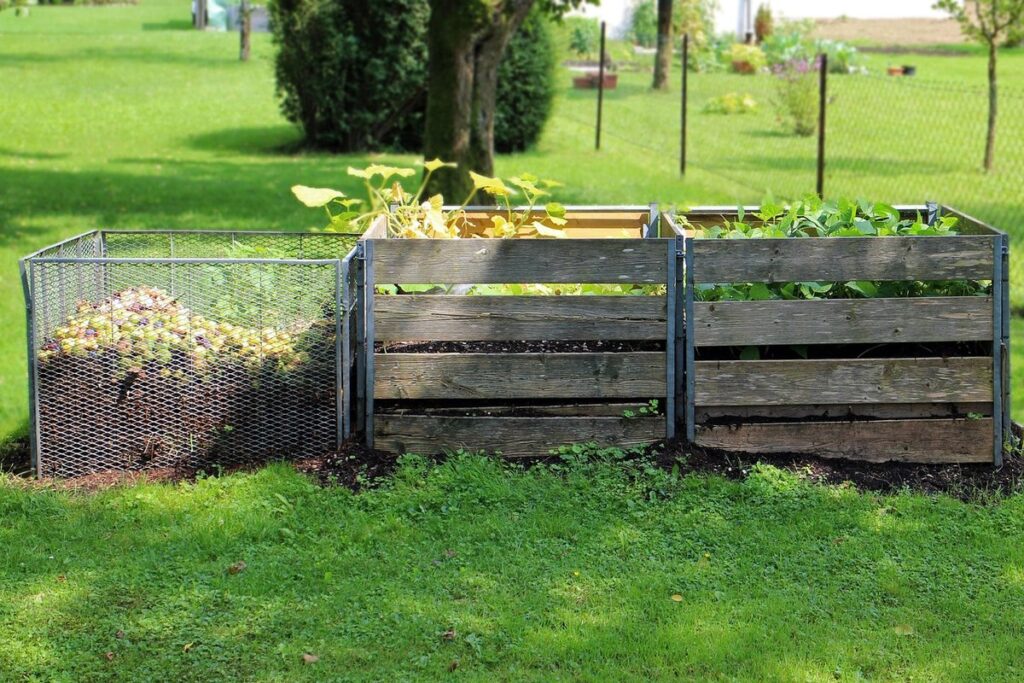
Another common outdoor method is using bins or containers, such as wooden pallets or wire mesh enclosures. These can be more cost-effective and customizable options compared to commercial units. However, they may require more effort for maintenance, including regular turning and monitoring of moisture levels. The time it takes to complete the composting process in these setups is usually around 2-6 weeks.
It’s worth noting that outdoor composting can be affected by external factors like weather conditions, with excessive rain or dry spells potentially slowing down decomposition. Regular observation and maintenance can help mitigate these impacts and ensure a successful outcome.
Monitoring Progress and Troubleshooting
Now that you’ve set up your composting system, let’s talk about how to track its progress and address any issues that might arise along the way. We’ll cover key indicators of successful composting and common problems to watch out for.
How to Check on Your Compost
Checking on your compost regularly is crucial to ensure it’s breaking down properly and at an optimal rate. To do this effectively, start by monitoring the temperature of your pile. The ideal temperature for decomposition is between 130°F and 140°F (54°C to 60°C). Use a compost thermometer to check the internal temperature of your pile. If it’s too hot, aerate the pile by turning it or adding more brown materials like dry leaves.
Next, keep an eye on moisture levels in your compost pile. Aim for a mix that’s around 50-60% water content. This is usually achieved by sprinkling water over the pile as you add new materials. If the pile feels too dry, add some water; if it feels too wet, turn the pile to aerate it.
Finally, check on your carbon-to-nitrogen (C:N) ratio. Aim for a balance of 2/3 “brown” materials like dried leaves and 1/3 “green” materials like food scraps or grass clippings. If you notice your compost is too nitrogen-rich (smelling sour or ammonia-like), add more brown materials to balance it out. By regularly checking these factors, you’ll be able to troubleshoot any issues and ensure your compost is breaking down efficiently.
Common Composting Issues and Solutions
As you begin composting, you may encounter some common issues that can slow down the process. One of the most noticeable problems is unpleasant odors emanating from your pile. This is usually caused by a buildup of ammonia or volatile organic compounds (VOCs). To resolve this issue, turn your compost regularly to aerate it and introduce more carbon-rich materials like dry leaves or shredded newspaper.
Another common problem is pest infestation, which can be due to high nitrogen levels in the compost pile. To control pests like fruit flies and rodents, ensure that you maintain a balance between green (nitrogen-rich) and brown (carbon-rich) materials. You can also use physical barriers or repellents to deter them. Keep your compost pile covered to prevent rain from washing away beneficial microorganisms.
Maintaining proper moisture levels is also crucial to avoid attracting pests and promoting microbial growth. Aim for a mix that’s like a damp sponge, not soggy or dry. Regular monitoring of your compost will help you identify and address these issues before they become major problems, ensuring a smooth composting process.
FAQs: Answering Common Questions About Composting Time
You’re probably wondering how long it takes for your food scraps to turn into nutrient-rich compost. Let’s address some common questions and concerns about composting time together.
How Long Does it Take to Make Compost in Different Regions?
When it comes to composting time, one of the biggest factors at play is climate and region. Different areas have varying temperatures, humidity levels, and weather patterns that can significantly impact the speed at which organic matter breaks down into nutrient-rich compost.
In general, composting times tend to be shorter in warmer climates with mild winters, such as California or Florida, where the temperature ranges from 40°F to 80°F (4°C to 27°C) year-round. In these regions, you can expect to have a completed compost pile within 2-3 months. For example, studies have shown that compost piles in California’s Central Valley region can be fully degraded in just 60 days.
On the other hand, colder climates with harsh winters and cooler summers, such as those found in the Northeast or Midwest United States, can take significantly longer – often up to 6-12 months. Factors like heavy rainfall or extreme heatwaves can also slow down the composting process.
Can I Speed Up the Composting Process?
While waiting for your compost pile to break down can be frustrating, there are techniques to speed up the process. Adding bulking agents like straw or shredded newspaper helps maintain air circulation and speeds up decomposition. These materials absorb excess moisture, reducing anaerobic conditions that slow down the process.
Turning your piles more frequently also accelerates breakdown. Aim for every 7-10 days during warmer months when microbes multiply rapidly. This regular turning ensures even aeration, heat distribution, and prevents matting, which can hinder decomposition. You can also consider using compost aerators or turning tools specifically designed to make the process easier.
Another approach is adding high-nitrogen materials like food scraps or grass clippings in moderation. These ingredients provide an immediate boost of nutrients that kickstart microbial activity. However, be cautious not to overdo it, as excessive nitrogen can lead to anaerobic conditions and unpleasant odors.
Frequently Asked Questions
What are some common mistakes to avoid when starting a hot composting system?
Avoid overloading your bin with too much material, which can lead to anaerobic conditions and unpleasant odors. Also, don’t mix “green” and “brown” materials in the same batch, as this can slow down decomposition.
How do I know if my compost is ready to use?
Check for a rich, earthy aroma and a dark brown color. The texture should be crumbly and resemble soil. If your compost still has recognizable pieces of organic matter or looks too wet/dry, it’s not yet ready.
Can I use a mix of cold and hot composting methods in my garden?
Yes! Combining both methods can create a balanced and efficient composting system. For example, you can set up an outdoor cold compost pile while using a smaller hot compost bin to speed up the decomposition process for specific materials.
How often should I turn my compost pile to ensure proper oxygenation?
Turn your compost pile every 7-10 days during the initial stages of decomposition. This will help maintain optimal oxygen levels and prevent anaerobic conditions. After 2-3 weeks, you can gradually reduce turning frequency to once a month or as needed.
What happens if I notice pests like fruit flies or rodents in my compost?
Yes. To deter pests, cover your bin with a lid or tarp, and make sure to bury kitchen scraps deep within the pile. Also, balance your carbon-to-nitrogen ratio by adding more “green” materials. If infestations persist, consider using natural pest repellents like diatomaceous earth or essential oils.