
Composting seaweed rinse is a simple yet effective way to reduce kitchen waste and create a nutrient-rich fertilizer for your garden. If you’re a gardener looking for sustainable practices, this method is definitely worth exploring. Seaweed rinse is often generated from the cleaning process of dried seaweed products, making it an abundant resource that would otherwise end up in landfills.
In this article, we’ll delve into the benefits of using seaweed rinse in your compost pile and provide practical tips on how to incorporate it into your garden’s waste management. You’ll learn about the advantages of adding a high carbon content to your compost and discover common challenges associated with composting seaweed rinse. By the end of this article, you’ll be equipped with the knowledge to successfully compost seaweed rinse and make the most out of your kitchen scraps.
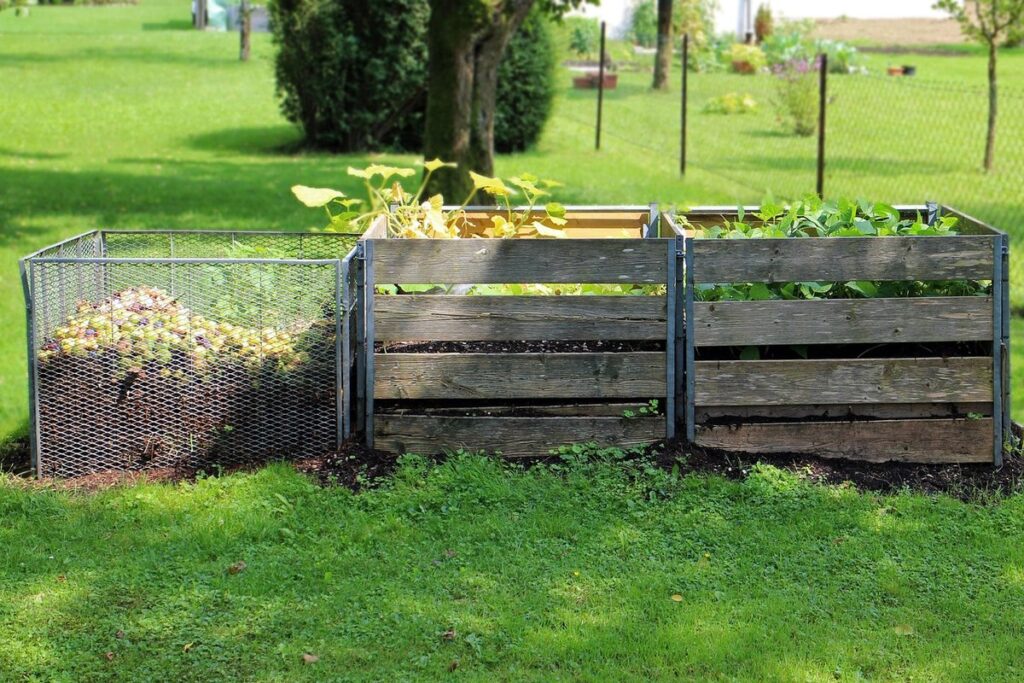
Benefits and Uses of Composting Seaweed Rinse
Composting seaweed rinse offers a multitude of benefits, from enriching your soil to supporting healthy plant growth. Let’s dive into its various uses in gardening and beyond.
Reducing Kitchen Waste and Creating Fertilizer
When you’re composting seaweed rinse, you’re not just creating a nutrient-rich fertilizer for your garden – you’re also reducing kitchen waste and promoting sustainable gardening practices. The average household generates about 225 pounds of food waste per year, with a significant portion coming from the kitchen.
Composting seaweed rinse is an effective way to divert this waste from landfills and utilize its valuable nutrients instead. By incorporating seaweed rinse into your compost pile, you’re creating a nutrient-rich fertilizer that can help improve soil structure, increase crop yields, and support beneficial microorganisms in the soil.
To get started, simply save your seaweed rinse from cooking and add it to your compost pile along with other “green” materials like fruit and vegetable scraps. Over time, this nutrient-rich mixture will break down into a valuable fertilizer for your garden. By making this simple change, you’ll be reducing kitchen waste and contributing to more sustainable gardening practices – one batch of seaweed rinse at a time!
Environmental Impact of Seaweed Rinse Composting
Composting seaweed rinse not only reduces waste but also has a significant positive impact on the environment. One of the most notable benefits is its potential to reduce greenhouse gas emissions. When composted, seaweed rinse can help sequester carbon from the atmosphere and store it in the soil, thus mitigating climate change.
By promoting soil health through composting, you’re creating an environment that fosters beneficial microbial activity. This, in turn, enhances nutrient cycling and retention, reducing the need for synthetic fertilizers. A study published by the Journal of Environmental Science found that incorporating seaweed-based compost into agricultural soils resulted in a 25% reduction in nitrogen fertilizer use.
To maximize the environmental benefits of composting seaweed rinse, it’s essential to create a balanced mix with other carbon-rich materials and maintain adequate moisture levels. This will encourage healthy microbial activity and prevent anaerobic conditions. Regularly monitoring pH levels is also crucial to ensure that the compost pile remains in an optimal state for decomposition.
By adopting this simple yet effective practice, you’ll not only reduce waste but also contribute to a more sustainable environment – one where soil health is preserved, greenhouse gas emissions are reduced, and ecosystems thrive.
Preparing Seaweed Rinse for Composting
Before you start composting your seaweed rinse, make sure to prepare it properly by removing any debris and breaking down its texture into a more manageable form. This will ensure a smooth composting process.
Collecting and Storing Seaweed Rinse
Collecting and storing seaweed rinse is crucial to preserve its nutrients and make it easy to compost. To do this effectively, you’ll want to gather the seaweed rinse in a container that allows for good airflow to prevent anaerobic conditions from developing. A bucket with holes or a mesh bag is ideal for this purpose.
When collecting seaweed rinse, make sure to collect it immediately after it’s been rinsed off the dried seaweed. This will help prevent any potential contamination or spoilage. You can also add other green materials like kitchen scraps or grass clippings to balance out the carbon-to-nitrogen ratio in your compost pile.
Store the collected seaweed rinse in a shaded area, protected from direct sunlight and moisture. If you live in a hot climate, consider adding a layer of straw or shredded newspaper to the top of the container to regulate temperature. This will help slow down any potential decomposition and prevent pests from being attracted to the smell.
Remember to stir your compost pile regularly to ensure that all materials are well mixed and break down evenly.
Mixing Seaweed Rinse with Other Compost Materials
When mixing seaweed rinse with other compost materials, it’s essential to balance the carbon-to-nitrogen ratio to create a harmonious blend. This is because the nitrogen content in seaweed rinse can be quite high, potentially leading to an overabundance of ammonia and odors.
To achieve equilibrium, you’ll want to combine the seaweed rinse with “brown” materials that are rich in carbon, such as dried leaves, straw, or shredded newspaper. These materials will help absorb excess nitrogen and prevent excessive moisture buildup. Conversely, if you’re mixing seaweed rinse with “green” materials like grass clippings, manure, or food scraps, make sure to balance the ratio by adding more brown materials.
As a general rule of thumb, aim for a 2:1 or 3:1 ratio of carbon-rich to nitrogen-rich materials. For example, if you’re adding one bucket of seaweed rinse (high in nitrogen), mix it with two buckets of straw or shredded newspaper (rich in carbon). This balance will ensure your compost pile breaks down efficiently and effectively, minimizing odors and creating a nutrient-rich end product.
Composting Techniques for Seaweed Rinse
Composting seaweed rinse can be a bit tricky, but don’t worry, we’ve got you covered. In this next part of our guide, we’ll share some effective techniques to make it work seamlessly.
Hot vs. Cold Composting Methods
When it comes to composting seaweed rinse, you’ll need to decide between hot and cold composting methods. Both approaches have their benefits and drawbacks, which we’ll explore below.
Hot composting involves actively managing the pile’s temperature by turning it regularly and ensuring a mix of green and brown materials. This approach is ideal for breaking down high-nitrogen materials like seaweed rinse quickly. However, it requires frequent maintenance and can be labor-intensive. For example, if you’re dealing with a large quantity of seaweed rinse, hot composting might be the best option.
On the other hand, cold composting is a low-maintenance approach that allows the pile to decompose naturally over time. This method is suitable for materials like seaweed rinse that are high in carbon and can take longer to break down. A major advantage of cold composting is its ability to minimize odors and pests associated with hot composting. Nevertheless, it may take several months or even years for the pile to reach maturity.
Consider your resources and preferences when choosing between these two methods. If you’re short on time but want quick results, hot composting might be the way to go. However, if you prefer a hands-off approach that still yields high-quality compost, cold composting is worth exploring.
Adding Microorganisms to Enhance Breakdown
Microorganisms play a crucial role in breaking down seaweed rinse in compost. These beneficial microbes feed on the complex nutrients found in seaweed, converting them into a nutrient-rich humus that’s perfect for gardening. Without adequate microbe populations, seaweed compost may break down slowly or remain soggy.
To add beneficial microbes to your compost pile, start by incorporating mature compost into the mix. This introduces established microbial communities that will jumpstart the breakdown process. Another option is to add a microorganism-rich compost tea to the compost. You can brew this tea using a bucket and some of your mature compost. Allow it to steep for 24-48 hours before adding it to the pile.
You can also incorporate ‘hot’ composting techniques, which involve maintaining high temperatures (above 130°F) to kill off pathogens and weed seeds while encouraging microbial activity. Regular turning of the pile helps to distribute heat evenly and introduces oxygen, further supporting microbe growth.
Challenges and Troubleshooting
You might encounter some issues while composting seaweed rinse, so let’s tackle common challenges and offer solutions to get you back on track.
Common Issues with Composting Seaweed Rinse
When composting seaweed rinse, you may encounter some common issues that can be frustrating and even discourage you from continuing. One of the most significant problems is unpleasant odors emanating from the compost pile. This is often due to high nitrogen levels in the seaweed, which can lead to anaerobic decomposition.
Pests are another issue many gardeners face when composting seaweed rinse. Flies, ants, and even rodents may be attracted to the nutrient-rich environment created by the seaweed. To mitigate these problems, consider adding a mix of “brown” materials like dried leaves or straw to balance out the high nitrogen content in the seaweed.
You can also try sprinkling a thin layer of wood ash over the compost pile to neutralize odors and deter pests. Regular turning of the compost pile will help speed up decomposition and reduce odor-causing microorganisms. By implementing these simple solutions, you can create a successful and healthy composting environment for your seaweed rinse.
Overcoming Nutrient Imbalances in Compost
When using seaweed rinse in your compost pile, it’s essential to be aware of its high nitrogen and phosphorus content. This can lead to nutrient imbalances if not managed properly. One common issue is an overabundance of these nutrients, which can cause the compost to become too acidic or hot.
To balance out the excess nitrogen and phosphorus in seaweed rinse, you can incorporate carbon-rich materials into your compost pile. These include items like dried leaves, straw, or shredded newspaper. Aim for a mix of 2/3 “brown” materials (high in carbon) and 1/3 “green” materials (like food scraps or seaweed rinse).
It’s also crucial to monitor the temperature of your compost pile. If it becomes too hot (above 160°F), it can kill off beneficial microbes and create an environment conducive to pathogen growth. To avoid this, ensure your compost pile has adequate airflow and mix it regularly.
Remember that balance is key when composting with seaweed rinse. By incorporating a mix of carbon-rich materials and monitoring temperature, you’ll be well on your way to creating nutrient-balanced compost.
Harvesting and Using Composted Seaweed Rinse
Now that your compost is ready, let’s dive into using it to boost your garden’s fertility – we’ll cover how to harvest and utilize this valuable resource.
When to Harvest Compost and How to Use It
It’s finally time to reap the rewards of your hard work and dedication to composting seaweed rinse! Knowing when to harvest your compost is crucial to ensure it reaches its full potential as a nutrient-rich fertilizer for your garden. Check for a consistent earthy aroma, dark brown color, and crumbly texture – these are signs that the composting process has completed successfully.
To determine if your compost is ready for use, perform the “squeeze test”: grab a handful of compost and gently squeeze it. If water drips from the compost, it’s still too wet. If no moisture releases, it might be too dry. Aim for a damp, but not soggy, consistency. Be patient – this process can take anywhere from 2 to 6 months.
When your compost is ready, apply it as a mulch or mix it into the top 2-3 inches of soil around your plants. Use it to improve soil structure, promote healthy microbial activity, and support plant growth. Start with small amounts (about 10% of the total soil volume) and gradually increase as needed.
Incorporating Composted Seaweed Rinse into Your Garden
Incorporating Composted Seaweed Rinse into Your Garden
Now that you’ve successfully composted your seaweed rinse and it’s ready to be used, it’s time to put its nutrient-rich properties to work. There are several ways to incorporate the finished compost into your garden beds, houseplants, and other applications.
When using composted seaweed rinse in your garden, consider adding a 2-3 inch layer of the compost to the soil. This will provide a boost of micronutrients, including iron, zinc, and copper, which are essential for healthy plant growth. You can also mix it with other organic matter like peat moss or coconut coir to create a customized potting mix.
If you’re looking to give your houseplants an extra dose of nutrients, simply add 1-2 tablespoons of the composted seaweed rinse to their soil. This will provide them with a sustained release of micronutrients and help promote healthy root growth.
Frequently Asked Questions
Can I use seaweed rinse from a local grocery store or is it limited to commercial sources?
Yes, you can collect seaweed rinse from local grocery stores, as long as they generate enough quantity for composting purposes. It’s essential to discuss with the store management and ensure that the rinse is collected regularly and handled properly.
How do I balance nutrient levels in my compost pile when using seaweed rinse?
When adding seaweed rinse to your compost pile, monitor the carbon-to-nitrogen ratio to avoid nutrient imbalances. Aim for a mix of 25-30% carbon-rich materials (e.g., dried leaves) and 10-15% nitrogen-rich materials (e.g., kitchen scraps). Regularly turning the pile will also help in maintaining balance.
What are some common mistakes I should avoid when composting seaweed rinse?
Some common mistakes include adding too much seaweed rinse, which can lead to over-nitrogenation; insufficient carbon content, resulting in anaerobic conditions; and inadequate mixing or turning, causing uneven decomposition. Regular monitoring and adjustments will help you avoid these pitfalls.
How often should I harvest the composted seaweed rinse for optimal use?
Compost typically takes 2-6 months to mature, depending on factors like temperature, moisture, and carbon-to-nitrogen ratio. Check the compost pile regularly by performing a ‘smell test’: if it smells earthy and not foul, it’s ready for harvesting. Use a fork or shovel to gently turn the pile and collect the finished compost.
Can I mix seaweed rinse with other types of compost materials, such as food waste or animal manure?
Yes, mixing seaweed rinse with other compost materials can create a diverse nutrient profile beneficial for your garden. However, be mindful of potential contamination risks from other organic sources (e.g., raw meat) and follow proper handling procedures to minimize these risks.