
If you’re looking for a cost-effective and eco-friendly way to enrich your garden soil, you’ve probably considered composting pine straw. But did you know that this common waste material can be transformed into a nutrient-rich resource? With a little setup and dedication, you can create a thriving compost system in your backyard. Composting pine straw is an excellent method for reducing waste, conserving water, and promoting sustainable gardening practices. In this article, we’ll guide you through the process of setting up a composting system, managing pine straw decomposition, and harvesting finished compost. By the end of it, you’ll be equipped with the knowledge to turn your pine straw into valuable garden fertilizer, perfect for boosting plant growth and ensuring a healthy harvest season.
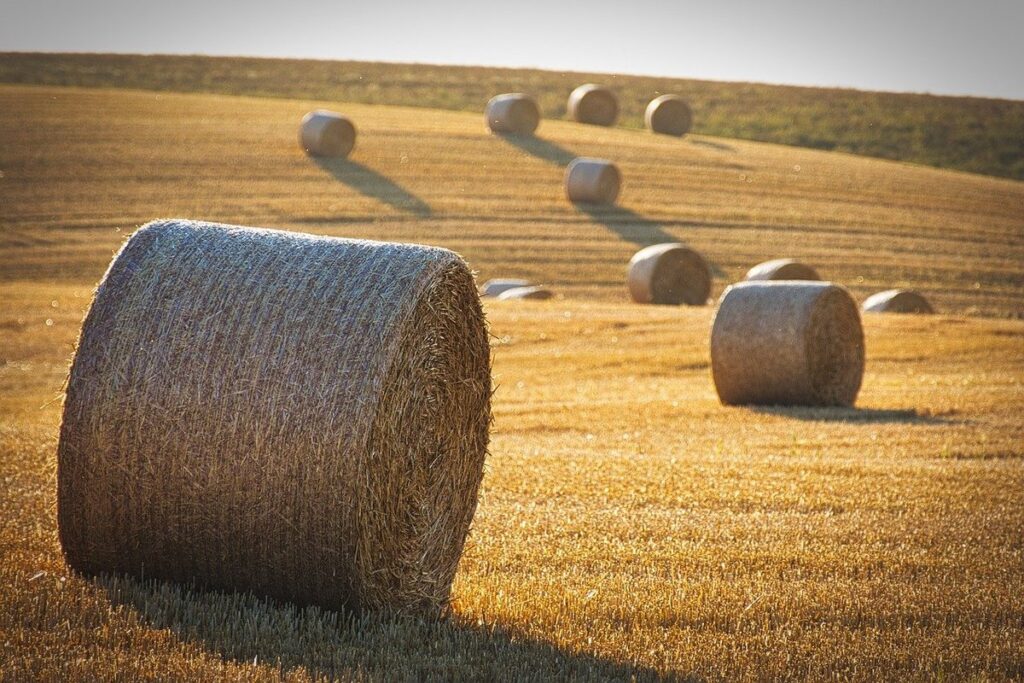
Introduction to Composting Pine Straw
Composting pine straw is a simple and rewarding process that can be done by anyone, regardless of gardening experience. In this next part, we’ll walk you through the basics of getting started.
Understanding the Importance of Pine Straw as a Compost Material
Pine straw is an excellent choice for composting due to its unique characteristics that make it easy to work with. One of the key advantages is its carbon-to-nitrogen ratio, which is typically around 200:1 or even higher. This means that pine straw is high in carbon and low in nitrogen, making it a perfect “brown” material to balance out the “green” materials like food scraps and grass clippings.
This high carbon content also makes pine straw an ideal choice for maintaining moisture levels in your compost pile. As pine straw breaks down, it absorbs and releases water slowly, reducing the risk of over-drying or anaerobic conditions that can kill off beneficial microbes. In fact, studies have shown that compost made from pine straw retains up to 30% more water than other materials, making it an excellent choice for composting in areas with limited rainfall.
When using pine straw in your compost, aim to add a mix of 2/3 “brown” materials like pine straw and 1/3 “green” materials like kitchen scraps. This balance will help create a healthy compost ecosystem that’s rich in beneficial microbes and nutrients.
Setting Up a Pine Straw Composting System
When setting up a pine straw composting system, it’s essential to have the right infrastructure in place. This includes a collection system for gathering and transporting pine straw to the composting area. A sturdy wheelbarrow or tarp can make this process easier and more efficient.
You’ll also need storage containers to hold the pine straw until it’s time to add it to the compost pile. These can be simple bins made of wood or plastic, but consider using aeration bags or wire mesh containers to allow for airflow and speed up decomposition.
In terms of space requirements, you’ll want to ensure that your composting area is well-ventilated and accessible. A minimum of 3×3 feet per bin is recommended, with enough space between each bin for easy turning and maintenance. Consider using a covered area or tarp to shield the pile from rain and extreme temperatures.
Remember to site your composting area in an easily accessible location, ideally close to a water source, but not so close that it becomes a nuisance. By investing in the right infrastructure, you’ll be well on your way to creating a thriving pine straw composting system.
Choosing the Right Location for Your Pine Straw Compost Pile
When it comes to setting up a pine straw compost pile, selecting the right location is crucial to ensure optimal decomposition and minimize potential issues. Let’s dive into the factors to consider for choosing an ideal spot.
Factors to Consider When Selecting a Location
When it comes to setting up your pine straw compost pile, choosing the right location is crucial for its success. The ideal spot will depend on several key factors that ensure optimal conditions for decomposition and minimal mess.
First and foremost, consider sunlight exposure. A well-ventilated area with partial shade is perfect for a pine straw compost pile. Direct sunlight can cause the pile to heat up too quickly, which may lead to an imbalance of microorganisms or even fires. On the other hand, total darkness can slow down the decomposition process.
Another important consideration is wind direction. You want your compost pile to be shielded from strong winds that could blow loose materials away or disturb the ecosystem. A spot with a natural barrier, like a fence or a group of trees, can help reduce this risk.
Additionally, it’s essential to keep your compost pile at least 10-15 feet away from any water sources, such as streams, ponds, or even downspouts. This will prevent potential contamination and ensure that rainwater doesn’t dilute the nutrient-rich compost.
Finally, proximity to a pathway or entrance is also important. Try to place your compost pile near a walking path, but not directly on it, so that you can easily access the area for turning and maintenance.
Minimizing Odor and Pest Issues in Your Compost Pile
When it comes to composting pine straw, minimizing odors and pest issues is crucial for maintaining a healthy and productive compost pile. To reduce unpleasant smells, regular turning of the compost pile is essential. This process helps to aerate the pile, allowing excess moisture to evaporate and reducing the likelihood of anaerobic conditions that can lead to strong odors.
In addition to frequent turning, balancing the carbon-to-nitrogen (C:N) ratio in your pine straw compost pile is also vital for minimizing odor issues. A general rule of thumb is to maintain a C:N ratio between 20:1 and 30:1. To achieve this balance, add green materials like food scraps or grass clippings to the pile, which are high in nitrogen, while avoiding overloading with dry pine straw, which is rich in carbon.
By implementing these strategies, you can significantly reduce odors and pest issues associated with pine straw composting. Remember to monitor your pile regularly and adjust your approach as needed to ensure a balanced and odor-free composting experience.
The Composting Process: Breaking Down Pine Straw
Now that you have a solid understanding of the benefits of composting pine straw, let’s dive into how to break down pine straw effectively in your compost pile. This process is crucial for achieving a balanced and nutrient-rich final product.
Initial Carbon-Rich Materials Preparation
Before you can start composting pine straw, you need to prepare it for decomposition. This involves breaking down the material into smaller pieces to increase its surface area and facilitate microbial activity. One of the most effective ways to do this is by shredding or grinding the pine straw.
Shredding or grinding increases the surface area of the pine straw, allowing microorganisms to access more nutrients and break them down faster. You can use a chipper or a mower with a mulching attachment to shred the pine straw into smaller pieces. Alternatively, you can also use a compost grinder or a dedicated compost shredder.
It’s essential to note that pine straw can be quite dense, so it may require some effort to shred it evenly. To make the process easier, consider adding other carbon-rich materials like leaves or grass clippings to the pile. This will not only help with the shredding process but also provide a better balance of “green” and “brown” materials for composting.
As a general rule of thumb, aim for shredded pine straw pieces that are about 1-2 inches in length.
Balancing Carbon and Nitrogen Ratios in Your Pile
To balance carbon-rich materials like pine straw with nitrogen-rich materials for optimal decomposition, it’s essential to understand their respective contributions. Carbon sources provide energy and structure for the composting process, while nitrogen sources promote microbial growth.
A general rule of thumb is to aim for a 2:1 or 3:1 ratio of carbon-rich materials to nitrogen-rich materials. For example, if you’re adding 10 pounds of pine straw (high in carbon), add 5-7 pounds of food scraps (rich in nitrogen). Manure from herbivores like horses or cows can also be a good source of nitrogen.
When mixing these ingredients, create layers or sections within your pile to ensure adequate decomposition. Begin with a base layer of carbon-rich materials, followed by a middle layer of nitrogen-rich materials, and finish with another layer of carbon-rich materials on top. This structure promotes airflow and allows for even moisture distribution throughout the pile. By striking this balance, you’ll create an ideal environment for microbes to break down your pine straw into rich compost.
Managing Moisture Levels for Optimal Composting
Maintaining optimal moisture levels is crucial for effective composting, and it’s not as simple as adding water when your pile feels dry. This section will explore how to balance moisture in your pine straw compost.
Monitoring and Adjusting Moisture Content
As you compost pine straw, it’s essential to monitor and adjust the moisture content to prevent it from drying out. Pine straw can be prone to drying out due to its natural tendency to absorb and release water rapidly. This rapid exchange of moisture can lead to anaerobic conditions in your compost pile, reducing its effectiveness.
To monitor the moisture levels, check the compost pile daily by inserting a wooden stick or probe into the center of the pile. If it comes out dry, it’s time to add more water. Conversely, if it’s too wet and soggy, stop adding water and allow the pile to aerate for a day or two.
Aim for a moisture level of around 50-60% by maintaining a balance between dry and wet conditions. You can also use the squeeze test: grab a handful of compost and gently squeeze it. If it holds its shape but still feels damp, you’re on the right track. Too dry and it will crumble; too wet and it will feel soggy.
Adjusting the moisture levels regularly ensures optimal decomposition and prevents unpleasant odors. By striking this balance, you’ll be able to create a rich, nutrient-dense compost from your pine straw, perfect for enriching your garden or indoor plants.
Understanding the Role of Microorganisms in Compost Breakdown
Composting pine straw is not just about turning waste into nutrient-rich soil, but also about creating an environment that fosters a diverse community of microorganisms. These tiny organisms play a crucial role in breaking down organic matter and releasing the essential nutrients back into the soil.
Microorganisms like bacteria, fungi, and protozoa work together to decompose complex organic compounds, including the cellulose and lignin found in pine straw. As these microbes feed on the carbon-rich materials, they release enzymes that break down the molecules into simpler forms. This process is accelerated when a diverse microbial community is present, ensuring that all types of organic matter are being broken down.
To maintain a healthy balance of microorganisms in your compost pile, aim to create an environment with adequate moisture (around 50-60% water content), oxygen flow, and the right carbon-to-nitrogen ratio. This will allow different types of microbes to thrive, breaking down pine straw efficiently and producing a nutrient-rich compost perfect for garden beds or houseplants. By understanding the role of microorganisms in composting, you can create an optimal environment that supports their growth and activity.
Harvesting and Using Your Finished Pine Straw Compost
Now that your pine straw compost is finished, you’re ready to harvest it and put it to good use in your garden – let’s talk about how!
Identifying When Your Compost is Ready
When it’s time to harvest your finished pine straw compost, you’ll know it by certain signs. The texture is a good place to start – fully broken down compost should be crumbly and easily crumbling between your fingers. On the other hand, if it still feels coarse or chunky, it needs more time.
The odor of your compost can also tell you whether it’s ready. If it has an earthy, rich smell that’s similar to potting soil, it’s likely finished. However, if it still emits a strong, acidic scent like ammonia, it’s not yet done.
Appearance-wise, fully broken down compost will often be darker and more uniform in color than when you started. You may also notice that the original pine straw texture has almost disappeared. If your compost looks like it’s still full of recognizable plant matter or is dry and dusty, it needs further processing.
To speed up the process, ensure your pile gets enough moisture, oxygen, and heat – all essential for breaking down organic materials. With a little patience and attention to these signs, you’ll have nutrient-rich pine straw compost ready for use in no time.
Applications of Finished Pine Straw Compost in Gardens and Landscapes
Finished pine straw compost can be a game-changer for gardeners and landscapers looking to improve soil health without breaking the bank. One of the most significant benefits is its ability to enhance soil structure, making it easier for roots to grow and water to penetrate. This can be particularly beneficial in gardens with heavy clay or sandy soils.
In addition to improving soil structure, finished pine straw compost is also an excellent natural fertilizer. Rich in nutrients like nitrogen, phosphorus, and potassium, it’s perfect for feeding your plants during the growing season. Consider mixing a 2-inch layer of compost into your garden beds in the spring, or using it as a top dressing around established plants.
When used in landscapes, finished pine straw compost can also help reduce soil erosion and improve drainage. By adding a thin layer to slopes or embankments, you can prevent water from washing away topsoil and create a more stable environment for plant growth. This is especially useful when dealing with areas prone to flooding or heavy rainfall.
In terms of specific applications, consider using finished pine straw compost as a:
* Mulch around trees and shrubs
* Top dressing for lawns
* Soil amendment for container gardens
* Compost tea ingredient (steep 1 part compost in 5 parts water)
Frequently Asked Questions
How often should I turn or aerate my pine straw compost pile to ensure optimal decomposition?
Regular aeration is essential for preventing anaerobic conditions that can lead to unpleasant odors and pest issues. Aim to turn your compost pile every 7-10 days during the initial stages of decomposition, gradually reducing frequency as it matures.
What are some common mistakes people make when setting up their pine straw composting system?
Common pitfalls include inadequate carbon-rich materials preparation, poor moisture management, and insufficient balance between “green” and “brown” materials. Be mindful of these potential issues to avoid slowing down the composting process or even harming your pile’s health.
Can I use pine straw from treated wood sources for my compost pile?
No, it’s best to avoid using pine straw from treated wood sources due to potential chemical contamination. Opt for untreated or sustainably sourced pine straw to ensure a safe and healthy composting environment.
How long does it take for the microorganisms in the compost pile to break down pine straw into finished compost?
The composting process can vary depending on factors like temperature, moisture, and material quality. Generally, you can expect pine straw to decompose within 6-12 months, with regular maintenance and monitoring of your pile’s conditions.
What are some creative ways to utilize finished pine straw compost in my garden or landscape?
Finished pine straw compost is a valuable resource for improving soil structure, fertility, and overall health. Consider using it as mulch around plants, mixing it into potting mixes, or creating nutrient-rich fertilizer blends for specific crop needs.