
Composting is an art that can take your garden to the next level, but did you know that you can unlock even more potential by composting pepper plants specifically? It’s true! By turning those pepper plant scraps into nutrient-rich fertilizer, you’ll not only reduce waste but also create a healthy and thriving environment for your peppers. But why is composting so important? For one, it allows you to reuse and recycle organic materials that would otherwise end up in the trash. In this article, we’ll take you through the process of choosing the right materials, setting up your compost pile, and processing it into fertilizer that’s perfect for pepper plants. We’ll also cover how to integrate this rich soil amendment into your garden for healthier, more productive peppers – so keep reading!
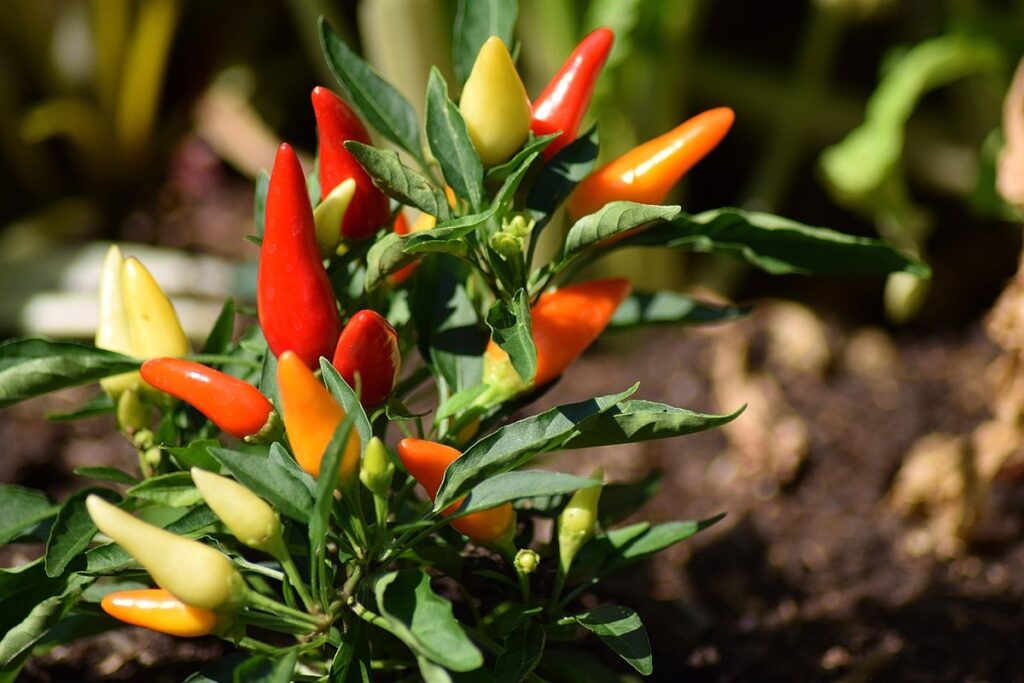
Understanding the Importance of Composting
Composting is a simple yet effective way to reduce waste, create nutrient-rich soil, and promote sustainable gardening practices that benefit your plants and the environment. Let’s dive into why composting pepper plants matters.
What is Composting?
Composting is a fundamental concept that’s often misunderstood, but it’s essential to grasp before diving into composting pepper plants. At its core, composting is a natural process that breaks down organic materials into a nutrient-rich soil amendment. This method reduces waste by recycling kitchen scraps, yard trimmings, and other organic waste, rather than sending them to landfills.
When you compost, you’re not just reducing your environmental footprint; you’re also creating a valuable resource for your pepper plants. Compost can retain up to 90% of water, making it an excellent soil amendment for conserving water. Healthy plant growth is another significant benefit of composting. By providing your pepper plants with the necessary nutrients and microorganisms found in compost, you’ll see improved yields, increased disease resistance, and enhanced overall plant health.
To get started with composting, focus on collecting a mix of “green” materials like kitchen scraps, grass clippings, and manure, along with “brown” materials like dried leaves, straw, or shredded newspaper. Aim for a 2/3 brown to 1/3 green ratio to achieve optimal decomposition rates.
Advantages of Composting Pepper Plants
Composting pepper plants is a game-changer for gardeners looking to reduce their environmental impact while improving their soil’s health. By repurposing pepper plant waste, you can significantly decrease the amount of organic matter sent to landfills and minimize greenhouse gas emissions associated with traditional waste management methods.
When you compost your pepper plants, you’re not only reducing waste but also creating a nutrient-rich fertilizer that will benefit future crops. The resulting compost is packed with beneficial microorganisms, humus, and other essential nutrients that can improve soil structure, increase water retention, and promote healthy root growth. This, in turn, leads to more bountiful and flavorful pepper harvests.
In particular, composting pepper plants can help alleviate soil-borne diseases and pests by introducing beneficial organisms into the soil ecosystem. For example, certain microorganisms in compost can combat fungal pathogens that often affect peppers, allowing you to enjoy healthier and more resilient crops. By incorporating this practice into your gardening routine, you’ll be taking a significant step towards creating a more sustainable and balanced garden ecosystem.
Choosing Materials for Compost
When selecting materials for your compost, it’s essential to choose a mix of ‘green’ and ‘brown’ ingredients to create a balanced blend that will speed up the decomposition process. Let’s explore the best options together!
Selecting “Green” Materials (Pepper Plant Waste)
When it comes to composting pepper plants, selecting “green” materials is an essential part of the process. Green materials are high in nitrogen and help speed up the decomposition process. Suitable options from pepper plants include fruit scraps like seeds, rinds, and cores, as well as vegetable peels and other organic matter.
To create a balanced compost pile, it’s crucial to combine green materials with carbon-rich brown materials, such as dried leaves or shredded newspaper. Aim for a mix of 2/3 brown materials and 1/3 green materials. Too many greens can lead to anaerobic conditions, causing unpleasant odors and slowing down the decomposition process.
Some examples of pepper plant waste that make great compost additions include: fruit trimmings, overripe peppers, and spent plants from your garden. Simply chop or shred these items before adding them to your compost pile. This will help increase oxygen flow and speed up the breakdown process.
Introducing “Brown” Materials (Dry Leaves, Shredded Cardboard, etc.)
To create a nutrient-rich compost for your pepper plants, it’s essential to balance out the green materials with dry, brown ones. Dry leaves, shredded cardboard, and other similar materials are perfect for this purpose. These “brown” materials help speed up decomposition by providing carbon-rich ingredients that feed the microorganisms in the compost pile.
Add 2-3 inches of shredded newspaper or cardboard at the bottom of your compost bin to create a dry layer. This will also help with drainage and prevent moisture from accumulating, which can lead to anaerobic conditions. As you add more materials to the pile, include brown items like dried leaves, straw, or coconut coir to maintain the 2/3 carbon-to-1/3 nitrogen ratio.
Remember, a well-balanced compost is crucial for your pepper plants’ growth and health. By incorporating dry brown materials into the mix, you’ll create an ideal environment for decomposition, which will result in a rich, nutrient-dense compost that will give your pepper plants the boost they need to thrive.
Setting Up Your Compost Pile
Before we dive into the composting process, let’s get your pile set up correctly to ensure a successful decomposition of those pepper plants. This is where you’ll learn how to create an optimal environment for your compost.
Creating an Optimal Environment for Decomposition
Creating an optimal environment for decomposition is crucial to ensure that your pepper plant waste breaks down efficiently. Temperature plays a significant role in this process; aim for a temperature range of 55-155°F (13-68°C). This is because microorganisms work best within these temperatures, accelerating the breakdown of organic matter.
Maintaining adequate moisture levels is also vital. Aim for a moisture level between 30-40%. If the pile gets too dry, it can hinder microbial activity, while excessive moisture can lead to anaerobic conditions and unpleasant odors. To achieve this balance, ensure your compost pile has regular water supply but avoid overwatering.
Oxygen flow is another essential factor in decomposition. Adequate aeration promotes healthy microbial growth, preventing the buildup of toxic gases. You can enhance oxygen circulation by turning the pile regularly or incorporating bulking agents like straw or shredded newspaper to maintain space between materials.
By maintaining these optimal conditions – temperature, moisture, and oxygen levels – you’ll facilitate efficient decomposition and unlock the nutrient-rich benefits of composting pepper plants for your garden.
Aeration and Monitoring Techniques
Monitoring your compost pile’s progress is crucial to ensure it breaks down efficiently and effectively. To do this, regularly check for temperature fluctuations – a warm compost pile can reach temperatures of up to 160°F (71°C), indicating active microbial activity. Use a compost thermometer or a soil moisture meter to track these changes.
Maintaining adequate aeration within your compost pile is also essential. Every week or two, turn the pile by one-third, working from the bottom up to ensure oxygen reaches all areas. You can also use a pitchfork or shovel to gently mix in any particularly large or compacted sections. This not only prevents anaerobic conditions but also helps speed up decomposition.
When inspecting your compost pile, keep an eye out for signs of pests or diseases – look for eggs, larvae, or damaged plants. Regularly monitoring the pile’s moisture levels and odor can also alert you to potential issues. Be proactive in addressing any problems as they arise, and don’t hesitate to turn the pile more frequently if necessary.
Processing Compost into Fertilizer
Now that you’ve got your nutrient-rich compost, let’s talk about turning it into a valuable fertilizer for your pepper plants to thrive. We’ll walk through the process of creating usable fertilizer from your homemade compost.
Breaking Down Materials Further (Turning and Aerating)
As you progress with composting pepper plants, it’s time to take the next step: breaking down materials further into a usable fertilizer. This process is crucial for creating a high-quality compost that will provide valuable nutrients to your garden.
To achieve this, you’ll need to focus on turning and aerating your compost pile regularly. Turning involves rotating the pile to ensure even decomposition, while aerating adds oxygen to the mix, which helps break down organic matter more efficiently. Aim to turn your pile every 7-10 days, depending on its size and moisture levels.
Maintaining proper moisture is vital during this phase, as it allows microorganisms to thrive and do their magic. The ideal moisture level is like a damp sponge – not too wet, but not too dry either. If the pile becomes too dry, microorganisms will die off, while excessive moisture can lead to anaerobic conditions.
To check your moisture levels, insert a stick or shovel into the center of the pile. If it comes out dirty, it’s time to turn and aerate.
Harvesting Finished Compost
Recognizing when your compost is fully mature can be a challenge, especially for beginner gardeners. A good rule of thumb is to wait at least 2-3 months after adding the last layer of materials. By this time, the compost should have an earthy aroma, a dark brown color, and crumbly texture.
To determine if your compost is ready, perform the “squeeze test”: grab a handful of compost and squeeze it gently. If it holds its shape but easily crumbles, it’s likely mature. Avoid using unripe compost as fertilizer, as it can burn your pepper plants’ roots.
When harvesting finished compost, you’ll notice that it has an appealing aroma and appearance. You can use this natural fertilizer in several ways: mix it with soil to create a fertile planting bed for new seedlings; top-dress existing pepper plants by sprinkling the compost around their base; or make a liquid compost tea by steeping the finished product in water.
As you incorporate this rich compost into your gardening routine, be sure to store any leftover amounts in an airtight container to maintain its quality and potency.
Integrating Compost into Your Garden
Now that you’ve got your compost pile up and running, let’s talk about how to integrate it back into your garden to get the most out of this nutrient-rich resource.
Preparing Soil for Pepper Plants
When integrating finished compost into your soil for pepper plant cultivation, you’re essentially giving those plants a nutrient-rich foundation to thrive. To prepare your soil for pepper plants, start by loosening it to about 12 inches deep using a fork or spade. This will help the compost penetrate deeper and make its nutrients more accessible.
Now, mix in 2-4 inches of finished compost into the top 6-8 inches of soil. You can also add a small amount of dolomitic limestone if your soil is too acidic for pepper plants. For optimal growth, maintain a pH level between 6.0 and 7.0.
Next, focus on improving drainage by incorporating organic matter like compost or well-rotted manure. This will not only help prevent waterlogged soil but also encourage healthy root development. Some gardeners swear by adding a thin layer of mulch to retain moisture and suppress weeds. Pepper plants love the slightly acidic conditions found in a mix with about 20% peat moss, so feel free to experiment with that.
Finally, don’t forget to balance your compost addition with adequate fertilization. A balanced fertilizer like 10-10-10 NPK will provide your pepper plants with the necessary macro-nutrients for healthy growth and fruit production.
Managing Pests and Diseases with Compost
When using compost to manage pest issues and diseases common in pepper plants, you’ll find that it’s a game-changer. Compost is a natural way to promote healthy soil ecosystems, which in turn helps prevent pests and diseases from taking hold. For example, aphids and whiteflies are often attracted to weak or stressed plants. By adding compost to your soil, you’re providing essential nutrients and beneficial microbes that help pepper plants grow strong and resilient.
To combat fungal infections, incorporate compost tea into your watering routine. Compost tea is a liquid solution made by steeping compost in water, which infuses the solution with beneficial microorganisms. These microbes can outcompete disease-causing fungi for space and resources in the soil. A study found that using compost tea reduced fungal diseases in pepper plants by up to 70%. By mixing 1-2 cups of compost into your soil or adding a few tablespoons of compost tea to your watering can, you’re creating an environment that discourages pests and diseases from thriving.
Challenges and Troubleshooting
As you begin composting pepper plants, you may encounter a few common issues that can hinder your progress. We’ll address these challenges and provide solutions to keep your composting process on track.
Common Issues During the Composting Process
One of the most common issues gardeners face when composting pepper plants is unwanted odors. These unpleasant smells can arise from excessive moisture, high temperatures, and the breakdown of organic matter. To minimize odor production, ensure you’ve added a balanced mix of “green” materials (like food scraps or grass clippings) and “brown” materials (such as dried leaves or shredded newspaper). Regular turning of the compost pile also helps to aerate it and speed up decomposition.
Another problem that may arise during the composting process is pests. Fruit flies, ants, and rodents can be attracted to the sweet aroma of decomposing food scraps. To deter these unwanted visitors, cover your compost pile with a lid or mesh, and avoid adding meat, dairy, or oily foods, which are particularly appealing to pests.
Inadequate aeration can also hinder the composting process. When oxygen is limited, microorganisms struggle to break down organic matter efficiently. Regularly turning the pile helps maintain sufficient airflow, but you can also try adding a 2-inch layer of bulking agents like straw or shredded bark at the bottom of the pile to improve air circulation.
Troubleshooting Compost Pile pH Levels
Compost pile pH levels can quickly become too acidic or alkaline if not monitored properly. This is especially true when composting pepper plants, which thrive in slightly acidic to neutral soil conditions. To prevent pH imbalances, it’s essential to regularly test the pH of your compost pile.
You can use a pH testing kit specifically designed for composting to check the pH levels. If the readings indicate acidity or alkalinity, take immediate action to adjust the pH levels. Start by adding materials that counterbalance the imbalance. For example, if the pH is too acidic (low reading), add dolomitic limestone or wood ash to raise it. Conversely, if the pH is too high (high reading), add peat moss or sulfur-rich materials like alfalfa meal.
Remember that adjustments should be made gradually and in moderation to avoid over-compensating and causing further imbalances. Regularly monitoring your compost pile’s pH levels will help you maintain a balanced ecosystem for optimal decomposition and nutrient availability – ultimately benefiting your pepper plants’ growth and health.
Frequently Asked Questions
How often should I turn the compost pile to maintain optimal decomposition?
Turning your compost pile regularly is crucial for maintaining a balanced environment that promotes efficient decomposition. Aim to turn it every 7-10 days, especially during the initial stages of composting. This ensures oxygen flow and prevents the buildup of anaerobic conditions, which can lead to unpleasant odors and reduced nutrient value.
Can I add weeds with seeds to my compost pile?
No, it’s not recommended to add weeds with seeds to your compost pile. These seeds can sprout in the finished compost, potentially introducing unwanted vegetation into your garden. Instead, remove any weed seeds or debris before adding materials to your compost pile.
How do I know if my compost is ready for use as fertilizer?
Finished compost should have an earthy aroma and be crumbly in texture. When turned over, it should crumble easily and form a ball that holds its shape when pressed. If the compost still feels damp or has an unpleasant odor, it’s not yet ready.
What if I notice pests like ants or rodents visiting my compost pile?
Pests are attracted to food sources, so it’s essential to balance your “green” (nitrogen-rich) and “brown” (carbon-rich) materials. Ensure you have a sufficient mix of dry leaves, shredded cardboard, and other carbon-rich materials to offset the nitrogen content. You can also consider using physical barriers or repellents to deter pests.
Can I use composted pepper plant waste as a soil amendment for my entire garden?
While composted pepper plant waste is rich in nutrients, it’s best to use it specifically for pepper plants due to their unique needs and preferences. If you want to create a general-purpose fertilizer, consider making separate batches of compost with a diverse range of materials to ensure a broad nutrient profile.