
Composting is an art that’s been practiced for centuries, but did you know that adding moss to your compost pile can take its nutrient-rich potential to the next level? Not only does composting moss create a microbial haven in your soil, but it also produces some of the most beneficial compost out there. By incorporating moss into your composting routine, you’ll be harnessing the power of microorganisms to break down organic matter and create a fertile foundation for your garden.
In this article, we’ll delve into the world of composting moss and explore its many benefits. We’ll cover how to set up a moss-composting system, including managing pH levels and troubleshooting common challenges along the way. Whether you’re a seasoned gardener or just starting out, learning how to compost moss can revolutionize your soil’s health and your garden’s productivity. So, let’s get started on this journey of discovery and explore the wonderful world of moss composting!
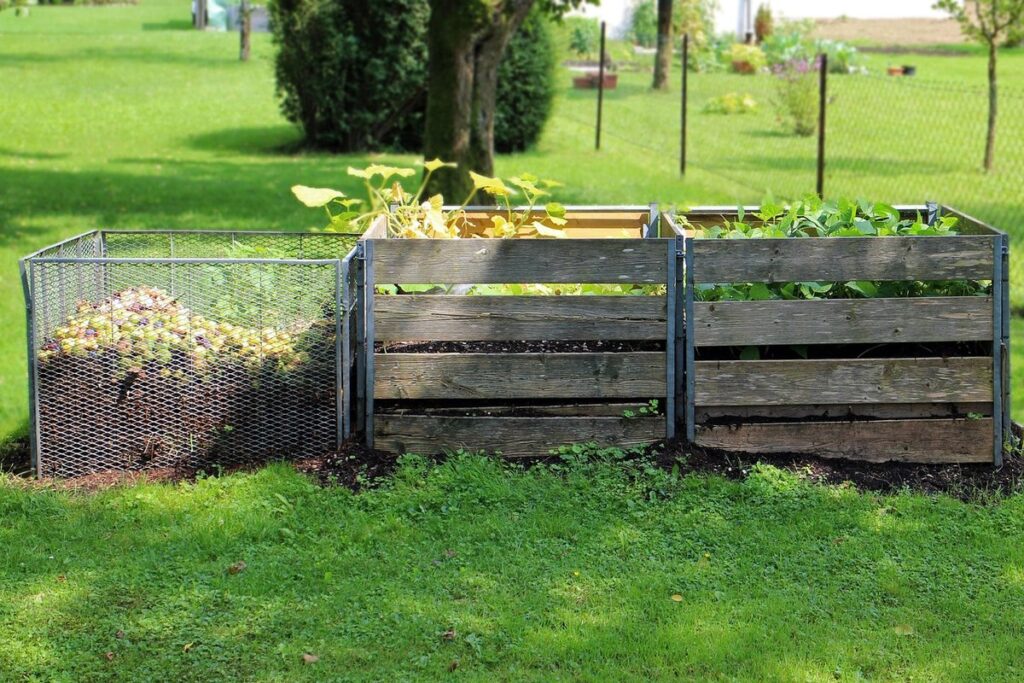
What is Compost Moss?
So, you’re curious about compost moss, but what exactly is it? Let’s dive into the world of composting and explore the ins and outs of this unique process.
Definition and Types of Moss
Moss is a non-vascular, small plant that thrives in damp environments with moderate temperatures. It’s a vital component of forest ecosystems and can be found growing on trees, rocks, and soil. Mosses are not trees or shrubs but rather belong to the bryophyte division of plants.
There are approximately 12,000 known species of moss, ranging from the tiny, hair-like Sphagnum moss to the massive, tree-dwelling Polypodiopsida. Some common types of moss include:
* Sphagnum moss: a highly acidic, water-retentive type used in horticulture and gardening
* Peat moss: a compressed form of sphagnum moss used as a soil amendment
* Forest floor moss: a mix of various species found on the forest floor
Moss is an excellent resource for composting due to its high nutrient content and moisture retention capabilities. When added to compost piles, moss helps to regulate temperature, maintain humidity, and supply essential micronutrients like nitrogen, phosphorus, and potassium. As a result, incorporating moss into your compost can significantly enhance the overall quality of your finished product.
History of Using Moss in Composting
Moss has been used for centuries as a valuable addition to compost piles. In traditional gardening practices, moss was often used as a natural fertilizer and soil amendment due to its high nutrient content and ability to retain moisture. For example, in Japan’s ancient tea gardens, moss was used to create acidic soil conditions necessary for growing the delicate green tea leaves.
Fast forward to modern times, and the use of moss in composting has become increasingly popular among gardeners and environmentalists alike. With the growing concern over waste management and climate change, many people are turning to nature-based solutions like composting moss as a way to reduce their carbon footprint. Composting moss is now used not only for its nutrient-rich properties but also for its ability to sequester carbon from the atmosphere.
Some modern applications of moss in composting include using it as a cover crop to improve soil health, or adding it directly to compost piles to increase microbial activity and speed up the decomposition process. By incorporating moss into your composting routine, you can create a nutrient-dense soil amendment that promotes healthy plant growth while also supporting biodiversity and ecosystem services.
Benefits of Composting Moss
Composting moss offers numerous benefits for your garden, from improving soil structure to increasing nutrient levels, making it a valuable addition to any compost pile. Let’s dive into these advantages in more detail.
Nutrient-Rich Compost
Compost made from moss is an exceptional nutrient-rich amendment for plants. When broken down, it reveals high levels of nitrogen (N), phosphorus (P), and potassium (K) – the essential NPK values that plants crave. In fact, composted moss often contains significantly higher concentrations of these macronutrients than traditional composts.
One key benefit of using composted moss is its ability to promote healthy root growth. This is largely due to its high phosphorus content, which encourages the development of strong, fibrous roots. Composted moss can also help to increase soil fertility, leading to more vibrant and resilient plants.
When adding composted moss to your garden or indoor plants, consider mixing it into the soil at a rate of 10-20% by volume. This will allow you to reap its full nutrient benefits without overloading your plants with excess nitrogen. To maximize the effects, combine it with other nutrient-dense materials like manure tea or worm castings for an unbeatable fertilizer blend.
Microbial Life and Soil Health
When you compost moss, you’re not just creating nutrient-rich soil amendment, but also cultivating a thriving ecosystem of microorganisms. These microbes play a vital role in decomposing organic matter and making nutrients available to plants.
Research has shown that composted moss can contain up to 10 times more beneficial bacteria than traditional compost. These beneficial microbes help to solubilize phosphorus, fix nitrogen, and suppress plant pathogens. By creating an environment conducive to microbial life, you’re essentially providing a mini-ecosystem for your soil.
To harness the full potential of composted moss, ensure that it’s made from fresh, organic materials and allowed to break down slowly over time. This allows beneficial microbes to colonize and multiply, producing a rich, earthy fragrance that signals their presence. By incorporating composted moss into your garden or indoor potting mix, you’re introducing these beneficial microbes directly into the soil, where they can begin working immediately to promote healthy plant growth and fertility.
Setting Up a Moss Composting System
Before you start collecting and processing your moss, it’s essential to set up a dedicated composting system where the magic happens. Here, we’ll walk through the simple steps to create a thriving moss composting environment.
Materials Needed for Moss Composting
To set up a moss composting system, you’ll need to gather the right materials. Start by collecting containers of various sizes, as you’ll want to have different vessels for each stage of the composting process. Plastic bins or wooden tubs with good drainage are ideal choices.
In addition to containers, you’ll also need some basic tools, such as a garden fork for aerating the moss and a small shovel for mixing in ingredients. A kitchen spoon is handy for adding moisture-rich materials like food scraps or tea bags.
For your composting mix, gather a variety of ‘green’ and ‘brown’ ingredients. Green materials include fresh moss clippings, leaves, grass cuttings, and manure. Brown materials, on the other hand, provide carbon-rich nutrients like shredded newspaper, cardboard, and straw. Aim for a 2:1 ratio of brown to green materials.
Some other items you may find useful are a moisture meter to monitor humidity levels and an acidic solution (like vinegar or lemon juice) to balance pH levels in your compost pile. Finally, have some gloves handy to protect yourself from thorns and prickly plant parts during the mixing process.
Choosing the Right Location for Your Moss Compost Bin
When setting up your moss composting system, one of the most critical considerations is choosing the right location for your bin. This may seem like a straightforward task, but it’s essential to get it right to ensure your composting process runs smoothly.
First and foremost, consider the amount of sunlight the area receives. Moss thrives in shaded or partially shaded areas, as excessive direct sunlight can cause it to dry out. Aim for a spot that receives indirect sunlight, such as an east- or north-facing wall. This will provide enough light for photosynthesis without causing dehydration.
Next, think about drainage. Your compost bin should be situated on a surface that allows water to flow freely beneath it. Avoid areas with poor drainage, as this can lead to moisture buildup and create anaerobic conditions that slow down the composting process. A slight incline or raised platform is ideal for directing excess water away from the bin.
Finally, choose a location that’s easily accessible. You’ll need to regularly add fresh moss, turn the pile, and monitor progress, so pick a spot near your garden bed or other workspace to save time and effort.
The Composting Process: Tips and Tricks
Now that you have a basic understanding of composting moss, let’s dive into some valuable tips to ensure your process runs smoothly and efficiently.
Adding Green Materials to Your Moss Compost
When it comes to adding green materials to your moss compost, you’ll want to focus on incorporating organic matter that will help speed up the decomposition process and create a nutrient-rich finished product. Start by considering kitchen scraps such as fruit and vegetable peels, eggshells, and coffee grounds.
In addition to kitchen scraps, grass clippings are another excellent option for adding green materials to your moss compost. Just be sure to chop them up into smaller pieces before adding them to the pile, as this will help them break down more efficiently. You can also include other types of organic matter like leaf mold, wood chips, or shredded newspaper.
One thing to keep in mind is that you’ll want to balance out your green materials with “brown” materials, which are high in carbon and low in nitrogen. Examples of brown materials include dried leaves, straw, or shredded coconut husks. Aim for a mix of 2/3 brown materials and 1/3 green materials to create a balanced compost pile.
Some examples of what you can add to your moss compost on a weekly basis include:
* Kitchen scraps (e.g., banana peels, carrot tops)
* Grass clippings
* Leaf mold
* Wood chips or shavings
* Shredded newspaper
Remember to shred or chop larger materials before adding them to the pile, and mix in a layer of brown materials every 2-3 inches. By incorporating these green materials into your moss compost, you’ll be well on your way to creating a nutrient-rich soil amendment for your plants.
Managing pH Levels in Your Moss Compost
Maintaining optimal pH levels is crucial for efficient nutrient cycling in moss compost. The ideal pH range for moss growth and decomposition is between 5.5 and 6.5. Monitoring pH levels regularly will help you identify potential issues before they become severe.
You can use a pH meter or testing kit to monitor your moss compost’s pH level. It’s essential to take readings at various depths, as pH can vary depending on the layers within the compost pile. Record your results to track any changes over time.
If your moss compost is too acidic (pH below 5.5), add materials like crushed eggshells or dolomitic limestone to raise the pH. For alkaline conditions (pH above 6.5), incorporate peat moss or sulfur-rich materials to lower it. Monitor and adjust as necessary, taking readings every week or two until you reach the optimal range.
Avoid over-correcting, as this can disrupt microbial balance in your compost pile. Instead, focus on making gradual adjustments to maintain a stable environment for efficient decomposition and nutrient cycling.
Common Challenges and Troubleshooting
As you dive into composting moss, you may encounter a few bumps along the way. This section addresses common issues that can arise and provides helpful troubleshooting tips to keep your process on track.
Pests and Diseases in Moss Composting
As you begin to compost moss, it’s essential to be aware of common pests and diseases that can affect your system. One of the primary concerns is fungus gnats, which thrive in moist environments. These tiny insects lay eggs in the compost, and their larvae feed on the microorganisms present, potentially leading to anaerobic conditions.
To prevent fungus gnat infestations, ensure good air circulation within your composting area by regularly turning the moss pile or adding aeration material like coconut coir. Regular monitoring of moisture levels is also crucial; overwatering can contribute to these pests’ proliferation.
Other pests that may affect your moss compost include spider mites and springtails, which feed on microorganisms and plant debris respectively. To manage infestations, introduce beneficial insects like nematodes or isopods, which prey on the pests without harming the microorganisms in your compost.
To address diseases such as fungal infections or bacterial imbalances, maintain optimal temperature ranges (around 55-60°F) and pH levels between 5.5 and 6.5 within your composting area. Regular monitoring of moisture, carbon-to-nitrogen ratios, and aeration can help prevent these issues from arising. By being proactive about maintaining a balanced environment, you’ll minimize the risk of pests and diseases affecting your moss compost.
Odor Control in Your Moss Compost Bin
When setting up your moss compost bin, it’s essential to consider odor control from the start. Moss breaks down quickly, releasing a strong scent as it decomposes. To minimize odors, focus on maintaining good aeration within the bin.
Proper aeration is key to preventing anaerobic conditions that lead to foul smells. To achieve this, make sure your bin has adequate airflow by adding holes or vents for air circulation. You can also use a mesh or screen top to allow fresh air in while keeping pests out. Regularly turning and mixing the contents will further ensure oxygen reaches all areas of the compost pile.
Moisture control is another crucial factor in odor management. Aim for a damp, not soggy, consistency by adding water as needed. Overly wet materials can lead to anaerobic conditions and unpleasant odors. Monitor your moss compost bin’s moisture levels regularly and adjust accordingly.
By balancing aeration and moisture, you’ll be well on your way to minimizing odors in your moss compost bin. Remember, it’s all about finding that delicate balance between decomposition and odor control.
Using Composted Moss in Your Garden
Now that you have a batch of composted moss, let’s dive into some creative ways to use it in your garden, from mulch to potting mix.
Amending Soil with Composted Moss
When it comes to giving your soil an extra boost, few methods are as effective as amending it with composted moss. This natural, nutrient-rich additive can work wonders for improving soil structure and fertility, making it easier for plants to absorb the nutrients they need to thrive.
To start, you’ll want to mix a small amount of composted moss into your existing soil, ideally about 10-20% of the total volume. You can also use it as a top dressing, adding a thin layer (about 1/4 inch) to the surface of the soil before planting. This allows the beneficial microbes in the composted moss to get to work immediately, breaking down any compacted soil and creating a more hospitable environment for roots to grow.
One key benefit of using composted moss is its ability to improve soil’s water-holding capacity, making it less prone to drought stress and nutrient deficiencies. This is especially important for plants that prefer well-draining soil but can still benefit from the added moisture retention.
Using Composted Moss as Mulch or Topdressing
Composted moss makes an excellent natural mulch or topdressing for your garden beds. One of its most significant benefits is weed suppression – a problem many gardeners face. Composted moss acts as a barrier, preventing weeds from germinating and growing. This reduces the need for herbicides and manual weeding, saving you time and effort.
To use composted moss as mulch or topdressing, spread it about 2-3 inches thick over your garden beds. You can also mix it with other organic materials like bark chips or straw to create a more textured mulch. As the composted moss breaks down, it retains moisture in the soil, reducing the need for frequent watering.
When choosing a location for your composted moss, consider areas prone to erosion or where water tends to collect. The composted moss will help stabilize the soil and prevent runoff. By using composted moss as mulch or topdressing, you’ll create a healthier, more sustainable garden ecosystem that requires minimal maintenance.
Frequently Asked Questions
Can I compost moss from any environment, or are there certain types of moss that work better for composting?
Yes, you can compost moss from various environments, but it’s best to use mosses that thrive in moist conditions and have a high water content. Sphagnum moss, peat moss, and other acid-loving moss species tend to break down quickly and efficiently in the compost pile.
How do I manage pests and diseases when composting moss?
To minimize pest and disease issues, maintain a balanced pH level (around 6.5-7) and ensure good air circulation within your compost bin. Add natural pest deterrents like diatomaceous earth or beneficial microorganisms to control populations. Regularly inspect your compost pile for signs of pests or diseases.
Can I use moss compost in containers or is it best suited for garden beds?
Moss compost can be used in both container gardens and in-ground applications. It’s particularly beneficial for container gardens, as it helps retain moisture and suppress weeds. However, make sure to mix the composted moss with other ingredients to create a well-balanced potting mix.
How long does it take for moss compost to break down completely?
The breakdown time of moss compost depends on factors like temperature, moisture, and aeration. Generally, you can expect the composting process to take anywhere from 3-6 months, depending on how quickly microorganisms can decompose the organic matter. Regularly turning your pile and maintaining optimal conditions will speed up the process.
Can I use moss compost in conjunction with other types of compost or as a standalone product?
Moss compost can be combined with other types of compost to create a nutrient-rich, well-balanced soil amendment. You can also use it as a standalone product by mixing it into your garden beds or using it as a mulch. This versatility makes moss compost an excellent addition to any gardening strategy.