
Composting can be a fantastic way to reduce waste and create nutrient-rich soil for your garden. But did you know that some common items can actually harm your garden’s health? It’s true! When you compost incorrectly, it can lead to unwanted pests, diseases, and even contaminate the soil with chemicals. Pet waste, cooking grease, bulbs, seeds, weeds, and chemicals are just a few examples of what not to compost.
If you’re new to composting or want to improve your current setup, this article is for you. We’ll explore the common mistakes people make when it comes to composting and provide guidance on how to avoid them. By learning what not to compost, you can create healthy, thriving soil that benefits your garden without causing harm.
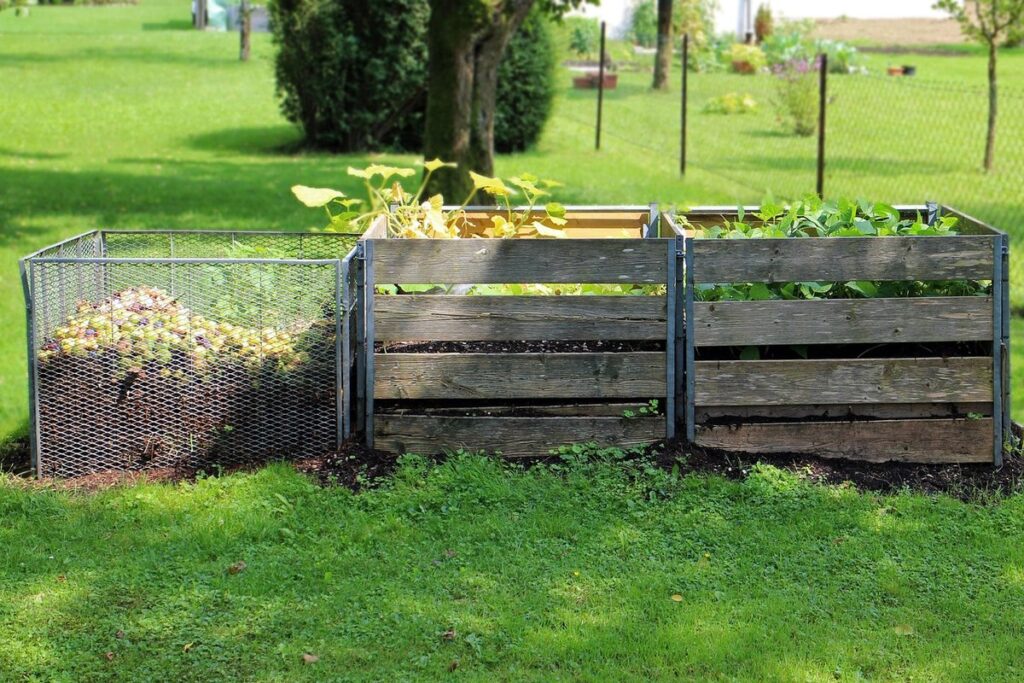
Understanding Composting Basics
To start composting, it’s essential you grasp the basics of what can and cannot be broken down into nutrient-rich soil. Let’s dive into the fundamental principles of composting to set a solid foundation for our discussion on common mistakes.
What Can and Cannot Be Composted in General
When it comes to composting, knowing what can and cannot be included is crucial. On the one hand, you have a wide range of organic materials that are perfect for turning into nutrient-rich soil amendment. These include food waste like fruit and vegetable peels, scraps from cooking, and even eggshells. You can also add leaves, grass clippings, and other yard trimmings to your compost pile.
These types of materials break down easily and provide essential nutrients for plants to grow. However, it’s equally important to know what not to include in your compost pile. Certain materials like pet waste, human feces, and weeds with seeds can contain pathogens or invasive species that can harm plants or even humans. Additionally, meat, dairy products, oils, and pet litter should also be avoided as they attract pests and create unpleasant odors.
When setting up your compost pile, remember to balance the “green” materials (high in nitrogen) with “brown” materials (high in carbon). This will help speed up the decomposition process.
Common Misconceptions About Compostable Materials
When it comes to composting, there are many misconceptions about what can be safely added to your pile. One common misconception is that meat, dairy products, and oils are all compostable. However, these items can actually harm your compost pile and create unpleasant odors.
Meat and dairy products are high in nitrogen and can attract pests like rodents and flies to your compost pile. When they break down, they can also release ammonia gas, which can burn the roots of nearby plants. Oils, on the other hand, don’t break down easily and can smother microorganisms that help decompose other materials. They can also make the soil hydrophobic, causing water to run off instead of being absorbed.
To avoid these problems, it’s best to steer clear of meat, dairy products, and oils in your compost pile. Instead, focus on adding “green” materials like food scraps from fruits and vegetables, coffee grounds, and tea bags. These items are rich in nitrogen and will help create a healthy balance in your compost pile.
Pet Waste and Composting: What You Need to Know
When it comes to turning food scraps into nutrient-rich compost, pet waste is a common but major no-go. In this next part, we’ll cover why and how to avoid adding your furry friend’s leftovers to your compost pile.
Why Pet Waste Should Be Avoided in Composting
Composting pet waste may seem like an eco-friendly idea, but it’s actually a recipe for disaster. When you add pet waste to your compost pile, you’re introducing a host of pathogens that can lead to serious health risks. Pet waste contains bacteria, viruses, and parasites like E. coli, Salmonella, and Toxoplasma gondii, which can survive the composting process.
If you don’t take proper precautions, these contaminants can spread throughout the compost pile, contaminating the soil where it’s applied. This can happen in several ways: through direct contact with contaminated compost, inhalation of spores, or even ingestion of contaminated produce grown in treated soil.
To avoid this catastrophe, it’s essential to separate pet waste from your compost pile entirely. If you’re a pet owner, consider designating a separate area for disposing of pet waste or using biodegradable poop bags that can be thrown away with regular trash. By taking these simple precautions, you can protect yourself and others from the risks associated with composting pet waste.
Safe Alternatives for Managing Pet Waste
When it comes to managing pet waste, it’s essential to handle it properly to avoid contamination and potential health risks. Composting is not always the best solution for pet waste, as it can harbor pathogens that can harm plants and humans alike. Instead, consider these safe alternatives:
Burying pet waste in a designated area is an effective way to dispose of it. Choose a spot away from water sources and plant beds, and bury it at least 12 inches deep to prevent any potential risks.
Another option is to use cat litter that’s specifically designed to handle pet feces safely. These litters are formulated to minimize odors and reduce the risk of bacterial contamination. When selecting a litter, look for products that contain natural ingredients and have antimicrobial properties.
Remember, proper disposal of pet waste is crucial for maintaining a clean and healthy environment. By following these simple tips, you can ensure your pet’s waste doesn’t end up in the compost pile or on the surface.
Cooking Grease and Oils: A Recipe for Disaster
When it comes to cooking grease and oils, they might be a staple in your kitchen, but they’re definitely not welcome in your compost bin. These pesky liquids can cause big problems when mixed with yard waste.
The Dangers of Composting Cooking Grease and Oils
Composting cooking grease and oils can lead to serious problems in your compost pile. These liquids don’t break down easily and instead attract pests like rodents, raccoons, and flies that are drawn to the fatty acids. Over time, this creates an anaerobic environment where beneficial microorganisms struggle to thrive.
When you mix oil with other organic materials, it forms a slick layer on top of your compost pile, preventing oxygen from penetrating. This can lead to an imbalance in carbon-to-nitrogen ratios and create conditions perfect for pathogens like E. coli to multiply.
Another issue is that when oils are heated, they can reach extremely high temperatures during the composting process, potentially setting off fires or causing damage to your equipment.
To avoid these problems, always dispose of cooking grease and oils separately from your food waste. You can pour them into a dedicated container or take them directly to a recycling center if available in your area. If you must compost oil-soaked materials, ensure they’re well-balanced with dry carbon-rich ingredients like straw or shredded newspaper to counteract their moisture content.
Remember that it’s always better to err on the side of caution when it comes to adding potentially problematic materials to your compost pile.
Healthier Alternatives for Handling Grease and Oil Waste
When it comes to cooking grease and oils, many of us might be tempted to pour them into our compost piles. However, this can lead to a range of problems, from clogging the drain system to attracting pests and creating unpleasant odors. Instead, there are healthier alternatives for handling grease and oil waste.
One simple solution is to pour used cooking grease and oils into a container with a tight-fitting lid. This will allow you to store them in your garage or shed until collection day, when you can take them to be recycled. Many local governments offer special collection programs for cooking oils, so be sure to check with your waste management provider to see if this is an option in your area.
Another option is to recycle your used cooking grease and oils through a program like the “Take Back” initiative, which collects used cooking oil from households and businesses to produce biodiesel. This not only reduces waste but also helps reduce our reliance on fossil fuels. By taking a few simple steps to properly dispose of our cooking grease and oils, we can keep our communities clean, our environment healthy, and our compost piles thriving.
Bulbs, Seeds, and Cut Flowers: What Happens When You Compost Them?
When it comes to composting, some common items might be safe, but others can cause problems or even create pests. Let’s explore what happens when you try to compost bulbs, seeds, and cut flowers.
The Risks Associated with Composting Bulbs and Seeds
Composting bulbs and seeds can be detrimental to your garden’s health, as it allows diseases to spread from one plant to another. When you compost bulbs, the spores of fungal diseases like tulip fire and daffodil pox can survive the process, only to infect new plants when they’re incorporated into the soil. This can lead to widespread disease outbreaks, devastating your garden’s crop.
Similarly, composting seeds from infected plants can also spread diseases. For instance, if you compost seeds from a plant that’s been affected by powdery mildew, those seeds may retain the fungus and infect new plants when they germinate. To avoid this, make sure to separate bulbs and seeds from your regular compost pile and dispose of them properly.
Additionally, composting bulbs can also attract pests like rodents, which can carry diseases and spread them to other plants in the garden. By taking simple precautions and avoiding the composting of bulbs and seeds, you can protect your garden’s health and prevent costly losses.
Safe Practices for Handling Bulbs, Seeds, and Cut Flowers
When it comes to handling bulbs, seeds, and cut flowers, many gardeners are unsure about what’s safe for composting. To avoid contamination and ensure the health of your soil, follow these guidelines: Properly dispose of dead or diseased plants, as they can harbor pests and diseases that can spread to other plants in your compost pile. When handling bulbs, seeds, and cut flowers, wear gloves to prevent transferring potential pathogens to your skin.
If you’ve harvested seeds from your garden, dry them thoroughly before storing them in an airtight container to maintain their viability. If some bulbs or cut flowers are still healthy and suitable for replanting or repotting, do so immediately after harvesting, making sure not to expose them to excess moisture that can lead to rot.
For seeds and cut flowers, it’s best to discard any that show signs of mold, mildew, or decay. For instance, if a bulb has begun to sprout in your garden bed, remove the entire plant to prevent it from further spreading its roots into nearby soil. This will help maintain the balance of your compost pile and ensure healthy growth for future plants.
Weeds and Composting: How Not to Spread the Problem
When composting, it’s essential to know what not to add, especially when it comes to weeds, as they can quickly spread and become a nuisance in your garden. We’ll explore how to prevent this problem.
The Risks of Spreading Weed Seeds Through Compost
Composting weeds might seem like an environmentally friendly way to dispose of unwanted plants, but it can actually have unintended consequences. One major concern is that composting weeds can lead to the spread of invasive species in your garden. These non-native plants can outcompete native species for resources and alter ecosystems.
When you add weed seeds to your compost pile, they may remain viable even after being broken down into a nutrient-rich soil amendment. If this compost is then used to fertilize your garden beds or lawns, the weed seeds can germinate and spread. This can result in an infestation of invasive plants that are difficult to eradicate.
To avoid spreading invasive species through composting weeds, it’s essential to take steps to kill the seeds before adding them to your pile. This can be done by drying out the weeds thoroughly or using a method like solarization to kill the seeds and prevent them from germinating in the future.
Strategies for Controlling Weeds Without Contributing to the Problem
When dealing with weeds, it’s essential to control them without contributing to their spread. Before adding weeds to your compost pile, ensure they’re dead and free of seeds. Boiling water or a 1:10 vinegar solution can help kill them. If that’s not feasible, consider using mulch or physical barriers to prevent weed growth.
For example, applying a thick layer of wood chips or cardboard around plants will suppress weeds without harming the soil. You can also use landscape fabric as a barrier, ensuring it’s at least 3-4 inches deep to prevent seedlings from growing through. Regularly inspect your mulch or barriers and replace them as needed.
It’s also crucial to remove weeds completely when harvesting compost. If you’re using mulch, turn it regularly to prevent weed seeds from germinating. Remember that even dead plants can harbor seeds, so it’s essential to handle them carefully when adding them to the compost pile. By taking these precautions, you’ll avoid spreading weed problems and maintain a healthy composting routine.
Chemicals and Pesticides: A Threat to Your Compost
When it comes to composting, many of us unknowingly contaminate our piles with chemicals and pesticides, which can be detrimental to the health of your soil. Here’s what you need to watch out for.
The Risks Associated with Composting Materials Treated with Chemicals or Pesticides
When you add chemicals or pesticides-treated materials to your compost pile, you’re not just risking contamination – you’re also potentially harming the environment. These toxic substances can leach into the soil and contaminate nearby water sources when applied as fertilizers.
The truth is that many common household items, such as old garden plants, weeds, and even kitchen scraps treated with chemicals or pesticides, can taint your compost pile. If you compost these materials, they may end up in the soil where microorganisms break them down into forms of pollutants that persist for years. This affects not just local ecosystems but also puts human health at risk.
To avoid this contamination:
* Always inspect new additions to your garden or yard before composting them.
* Read labels carefully and opt for organic gardening methods whenever possible.
* Remove any debris, weeds, or dead plants from treated areas to prevent spreading contaminants.
* Regularly test the quality of your soil to detect potential pollutants.
Your compost pile is a delicate ecosystem that relies on careful balance. Avoid tainting it with chemicals and pesticides – the long-term risks are simply not worth the short-term convenience.
Safe Practices for Managing Chemicals and Pesticides in the Garden
When managing chemicals and pesticides in your garden, it’s essential to adopt safe practices to protect both yourself and the environment. The primary goal is to minimize exposure to these substances while effectively controlling pests and diseases.
To achieve this balance, consider adopting integrated pest management (IPM) strategies that combine physical, cultural, biological, and chemical controls. For instance, hand-picking pests like aphids or slugs can be a more efficient and environmentally friendly method compared to using insecticides. Similarly, introducing beneficial insects such as ladybugs or lacewings can help control pest populations.
If you must use chemicals, opt for organic pesticides whenever possible. These are generally safer for humans and the environment, though always follow label instructions carefully. Always wear protective gear when handling any chemical, including long sleeves, gloves, and eye protection.
Remember that prevention is key – maintain a healthy garden ecosystem by providing optimal growing conditions, proper pruning, and adequate watering. By doing so, you can reduce the need for chemicals altogether.
Frequently Asked Questions
What if I accidentally added pet waste to my compost pile? Can it still be used?
Yes, but with caution. If you’ve added pet waste to your compost pile, stop using the compost immediately and start a new batch. The risk of disease transmission and weed seed germination is high. Remove any contaminated materials and add fresh, clean organic matter to create a new compost pile.
Can I still compost if some items are not 100% broken down?
Yes. While complete decomposition may take time, your compost can still be beneficial even if it’s not fully decomposed. However, it’s essential to ensure that any recognizable pieces of food waste or yard trimmings are reduced in size and evenly distributed throughout the pile.
How do I handle weeds with seeds already on them when adding to my compost?
Handle weeds with caution. Weeds can spread quickly through compost if their seeds are not properly contained. To prevent this, remove weed seeds by hand-picking them from the plants or soaking the weeds in a bucket of water to loosen the seeds.
Are there any safe ways to compost cooking grease and oils?
Yes. If you must compost cooking grease and oils, mix them with plenty of carbon-rich materials like leaves or shredded newspaper. This will help slow down the decomposition process and prevent the production of methane gas. However, it’s recommended to find an alternative method for disposing of these items.
Can I still use my compost if it has a strong odor?
Yes, but be cautious. A strong odor can indicate over-methanation or inadequate carbon-to-nitrogen ratios. Check your pile’s moisture and mix in more dry materials to balance the C:N ratio. If the smell persists, consider aerating the pile or starting anew.