
Are you tired of seeing your garden’s fallen leaves go to waste? Instead of letting them pile up, consider transforming them into nutrient-rich leaf mold compost that will improve soil structure and promote healthy plant growth. Composting leaf mold slow is a simple yet effective way to reduce waste, conserve resources, and create a more sustainable gardening practice. By following this step-by-step guide, you’ll learn how to turn your garden’s fallen leaves into a valuable commodity that will boost the fertility of your soil. We’ll take you through the process from start to finish, covering everything from collection and preparation to mixing and monitoring. With this knowledge, you’ll be well on your way to creating a thriving and self-sufficient gardening ecosystem.
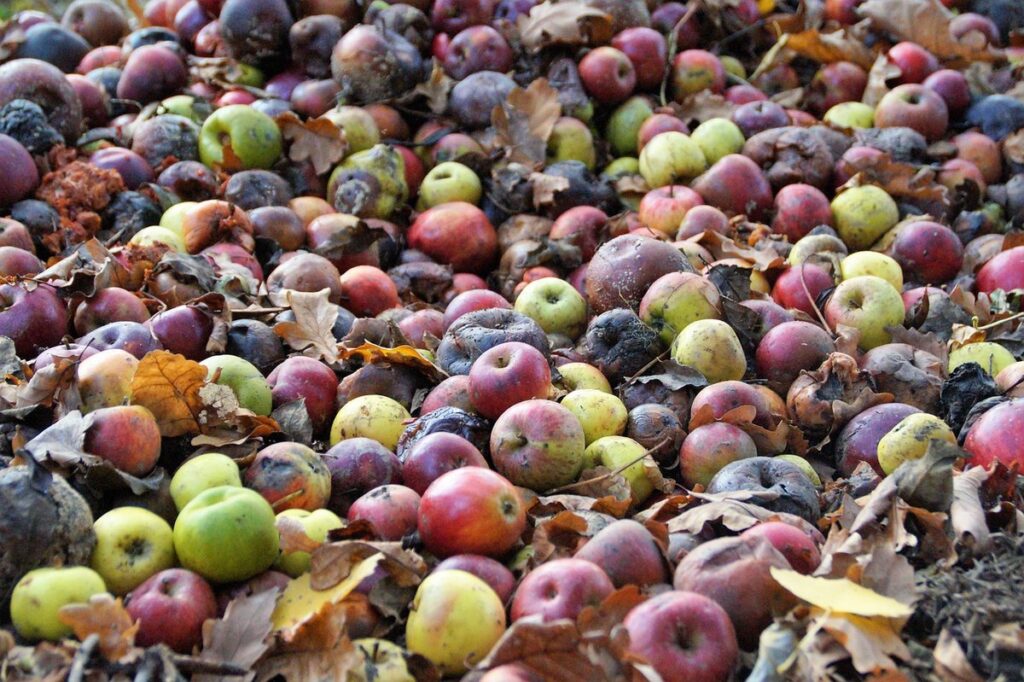
What is Leaf Mold and Why Compost It?
Let’s start by exploring what leaf mold is and why it’s such a valuable addition to your compost pile, breaking down into nutrient-rich gold.
Benefits of Composting Leaf Mold
Composting leaf mold offers numerous benefits that make it an essential practice for gardeners and environmental enthusiasts. One of the most significant advantages is its high nutrient content. Leaf mold is rich in nitrogen, phosphorus, and potassium, making it a valuable addition to compost piles. These nutrients are released slowly as the leaf mold breaks down, providing a steady supply of food for plants.
Composting leaf mold also improves soil structure by increasing its water-holding capacity, aeration, and overall fertility. This is particularly beneficial for gardeners who struggle with dry or waterlogged soils. By incorporating leaf mold into their composting routine, they can create a more balanced and resilient ecosystem.
Another significant benefit of composting leaf mold is reducing waste. As leaves accumulate on the ground, they contribute to yard litter and potentially cause problems like clogging drains and creating slippery walkways. Composting them eliminates these issues while generating a valuable resource for gardening. To maximize the benefits, it’s recommended to shred or chop leaves before adding them to your compost pile to speed up decomposition.
Common Uses for Leaf Mold in Gardening
Leaf mold is a versatile composting byproduct that can be used in various ways to promote healthy plant growth. One of its most common uses is as a mulch. Simply spread a 2-3 inch layer of leaf mold around plants, and it will help retain moisture, suppress weeds, and regulate soil temperature.
In addition to being a mulch, leaf mold can also be used as a soil amendment. Mix it into the top 6-8 inches of soil to improve its structure and fertility. Leaf mold is rich in nutrients like nitrogen, phosphorus, and potassium, making it an excellent way to nourish your plants without relying on synthetic fertilizers.
If you’re looking for a potting mix ingredient, leaf mold can be an excellent addition. It will help retain moisture, reduce the need for frequent watering, and provide essential nutrients as the plants grow. You can also use it as a component in seed starting mixes to give young seedlings a head start on their growth.
When using leaf mold in any of these ways, remember to mix it with other composting materials to create a balanced blend that supports healthy plant growth.
Preparing Leaf Material for Composting
To create high-quality leaf mold, you need to prepare your leaf material properly before composting. This means cleaning and breaking down leaves into smaller pieces.
Collecting and Sorting Leaves
When collecting leaves for composting leaf mold, it’s essential to gather them from various parts of your garden or yard. Avoid using leaves from areas treated with pesticides or other chemicals, as these can contaminate the final product. Instead, focus on leaves from healthy plants and trees.
To efficiently collect leaves, use a rake or a leaf blower to gather them into piles. You can also use a lawn mower with a mulching feature to chop leaves finely before collecting them. It’s crucial to sort collected leaves by type, as some types, like oak and maple, tend to be more prone to molding.
Remove any debris, twigs, or contaminants from the leaf piles, and store them in a designated area until you’re ready to add them to your composting bin. Aim for a mix of 2/3 “brown” materials (dried leaves) and 1/3 “green” materials (food scraps or grass clippings) to create a balanced carbon-to-nitrogen ratio in your compost pile. This will help the decomposition process proceed smoothly, resulting in high-quality leaf mold.
Shredding and Chopping Leaves
When it comes to composting leaf mold, shredding or chopping leaves before adding them to the pile is a crucial step. This process increases the surface area of the leaves, allowing for faster decomposition and a more efficient breakdown of their organic matter.
By shredding or chopping leaves, you’re essentially giving microorganisms like bacteria and fungi a head start on breaking down the leaves’ complex cell structures. This, in turn, speeds up the composting process, reducing the time it takes to create rich, nutrient-dense leaf mold.
To give you an idea of just how much of a difference shredding can make, consider this: shredded leaves will typically decompose 3-4 times faster than whole leaves. That’s a significant reduction in the amount of time and space needed for composting.
In practice, you can use a lawn mower or garden shear to chop leaves into manageable pieces. Alternatively, you can also use a leaf shredder or chipper if you have access to one. Whatever method you choose, remember that consistency is key: aim for pieces no larger than 1-2 inches in size to ensure optimal decomposition.
The Composting Process: Creating Leaf Mold
Creating leaf mold is a simple yet essential step in the composting process, allowing you to harness the natural nutrients found in fallen leaves. In this section, we’ll walk you through creating leaf mold at home.
Setting Up Your Compost Pile
Setting up your compost pile is an exciting milestone in creating leaf mold. This step requires careful planning to ensure that the pile breaks down efficiently and effectively. Start by collecting a mix of “green” materials, such as kitchen scraps or grass clippings, which are high in nitrogen. These should be layered on top of your shredded leaf material.
The carbon-to-nitrogen ratio is crucial when setting up your compost pile. Aim for a ratio of 25:1 to 30:1 (carbon:nitrogen). To achieve this balance, layer a small amount of green materials with a larger quantity of shredded leaves. For example, start with 2-3 inches of leaves, followed by 1-2 inches of kitchen scraps or grass clippings.
Remember, the key is to maintain a steady flow of carbon-rich material (like your shredded leaves) while introducing smaller amounts of nitrogen-rich green materials into the pile. This will create a balanced ecosystem that encourages decomposition and minimizes odors.
Monitoring Temperature and Moisture Levels
Monitoring temperature and moisture levels is crucial to ensure optimal decomposition of your leaf mold compost pile. A well-balanced temperature range typically falls between 130°F and 140°F (54°C-60°C), which indicates that the microbial activity is at its peak. However, if the temperature exceeds 160°F (71°C), it can lead to a decrease in beneficial microorganisms and potentially harm your plants.
To monitor temperature levels, you can use compost thermometers, which are inserted into the pile to provide an accurate reading. As for moisture, the ideal level is between 50-60% water content. If the pile feels dry or cracked on the surface, it’s likely too dry. Conversely, if it’s wet and sloppy, it’s too moist.
Regularly checking these levels will prevent overheating or drying out of your compost pile. Aim for a balance by adding more leaves or water as needed to maintain this optimal range. This may require frequent monitoring, ideally once every few days.
The Benefits of Leaf Mold Composting for Your Garden
Now that you’ve created your leaf mold compost, let’s talk about the incredible benefits it can bring to your garden. From improved soil structure to enhanced plant growth, leaf mold compost is a game-changer for any gardener.
Improving Soil Structure and Fertility
When you add leaf mold compost to your soil, it can work wonders for its structure and fertility. This is because leaf mold is rich in humus, which is a type of organic matter that’s broken down into a stable form. Humus acts like a sponge, holding water and nutrients close to plant roots where they’re needed most.
As a result, soil with added leaf mold compost will retain moisture better, reducing the need for frequent watering and minimizing the risk of waterlogged soil. This is especially important during periods of drought or extreme weather conditions. The humus in leaf mold also improves the overall structure of your soil by increasing its porosity and aeration.
In terms of fertility, leaf mold compost is an excellent source of essential nutrients like nitrogen, phosphorus, and potassium. These nutrients are slowly released as the microorganisms in the compost break them down, providing a steady supply of food for your plants throughout the growing season.
Supporting Healthy Microbial Activity
Beneficial microorganisms play a crucial role in breaking down organic matter and establishing a thriving garden ecosystem. As you create leaf mold compost, these microscopic heroes are hard at work behind the scenes. Their activity is what turns nutrient-poor leaves into a rich, humus-like soil amendment.
To support healthy microbial activity, it’s essential to provide the right environment for these beneficial bugs to thrive. This means maintaining optimal moisture levels – not too wet, not too dry. Aim for a consistent dampness that allows microorganisms to multiply freely.
You can also introduce ‘starter cultures’ like effective microorganisms (EM) or mycorrhizal fungi to jumpstart microbial activity in your compost pile. These microbes help break down organic matter more efficiently and establish beneficial relationships with plant roots, promoting healthy growth.
By supporting these tiny decomposers, you’re essentially building a robust ecosystem that will reward your garden with improved soil structure, increased fertility, and enhanced biodiversity – all hallmarks of a well-tended leaf mold compost.
Troubleshooting Common Composting Issues
We’ve all been there: a smelly compost pile, a lack of nutrient-rich soil, or pests getting into our leaf mold. Let’s tackle these common problems together and get back on track!
Dealing with Odors and Pests
As you begin to compost leaf mold, you may encounter some unwanted guests or unpleasant smells. Don’t worry, these issues are common and can be easily resolved with the right approach. One of the most frustrating problems is the emergence of odors, which can be a sign of too much nitrogen-rich material in your pile. To tackle this issue, make sure to balance your carbon-to-nitrogen ratio by adding more brown materials like dried leaves or shredded newspaper.
Another common problem is pest infestations. Rodents, slugs, and snails may be attracted to the moist environment and nutrient-rich food source provided by your leaf mold compost pile. To deter pests, maintain good airflow by turning the pile regularly and keeping it at a slightly acidic pH (around 5-6). You can also add natural pest deterrents like cayenne pepper or diatomaceous earth.
If you do encounter pests, act quickly to prevent them from taking over. Hand-picking is an effective method for small infestations, while using physical barriers or repellents may be necessary for more severe cases.
Overcoming Steaming Hot Compost Piles
When working with leaf mold composting, it’s not uncommon to encounter extremely hot temperatures within the pile. This can be due to a variety of factors, including the high carbon-nitrogen ratio of leaves and the anaerobic conditions that can develop when they’re compacted together.
One key sign of overheating is an unusual odor – sweet or vinegar-like scents are a red flag indicating your compost has reached temperatures above 130°F (54°C). At this point, microbial activity accelerates rapidly, breaking down organic matter at an alarming rate but also releasing heat in the process. To manage high temperatures and prevent overheating:
* Monitor your pile regularly to catch signs of excessive heat buildup.
* Incorporate more “green” materials – such as grass clippings or manure – into your compost mix to introduce nitrogen-rich components that can help cool it down.
* Regularly turn and aerate the pile to ensure oxygen penetrates deeper, slowing microbial activity and reducing temperature spikes.
Maintenance and Harvesting Leaf Mold Compost
Now that you’ve created your leaf mold compost pile, it’s time to focus on maintaining its quality and harvesting the finished product when it’s ready. This involves monitoring moisture levels and ensuring aeration within the compost pile.
Turning and Aerating Your Compost Pile
Regular turning and aeration are crucial steps in maintaining your leaf mold compost pile. By doing so, you ensure even decomposition and prevent matting, which can lead to anaerobic conditions and unpleasant odors.
Think of it like tossing a salad – when ingredients are mixed together, they break down more efficiently. The same applies to your compost pile. Regular turning breaks up clumps, introduces oxygen, and facilitates the breakdown process. To turn your pile, use a pitchfork or shovel to gently mix the materials, working from the bottom up.
Aerate your pile by adding coarse materials like twigs, branches, or shredded newspaper. These act as “breathing holes” that allow oxygen to penetrate and carbon dioxide to escape. Aim for about 10% of your material to be coarse, with the remaining 90% being leaf mold and other fine materials.
By incorporating these simple steps into your composting routine, you’ll create a healthy environment for decomposition to thrive. This ensures your finished product is rich in nutrients and perfect for use in gardens or as a natural mulch.
Harvesting Your Finished Compost
Recognizing when your leaf mold compost is fully matured can be a bit tricky, but there are some clear signs to look out for. Typically, it takes around 1-2 years for leaf mold compost to reach its optimal maturity level. One way to check if it’s ready is by looking at its texture – it should be dark brown or black, and have an earthy aroma. The pile should also be well-composted, meaning you can’t see any recognizable chunks of leaves.
Another indicator is the carbon-to-nitrogen ratio, which should be around 20:1 to 30:1 for leaf mold compost. If it’s too high in nitrogen, your compost might attract pests or create odors. To use your finished leaf mold compost, simply turn it over and mix it into your soil. You can also add a 2-3 inch layer of it to the top of your beds before planting new crops.
In terms of benefits, using leaf mold compost will improve your soil’s structure and fertility. It will retain moisture better, reducing the need for frequent watering, and provide nutrients that promote healthy plant growth.
Frequently Asked Questions
How long does it take for leaf mold to break down completely?
The breakdown time of leaf mold depends on various factors, including temperature, moisture levels, and the initial carbon-to-nitrogen ratio. Generally, it can take anywhere from 6 months to 2 years or more for leaf mold to fully decompose and become a rich compost.
Can I mix leaf mold with other types of compost materials?
Yes, mixing leaf mold with other compost materials can enhance its nutrient content and improve decomposition rates. However, be cautious not to add too many “bulky” materials like twigs and branches, as they may impede the process.
How do I prevent pests and odors in my leaf mold compost pile?
To minimize pest issues and unpleasant odors, ensure your compost pile has adequate aeration and moisture levels. Regularly turn and aerate the pile to promote healthy microbial activity and speed up decomposition.
Can I use leaf mold as a mulch during the winter months?
Yes, you can use leaf mold as a natural mulch during the winter. Its high carbon content will help retain soil moisture and suppress weed growth while also providing essential nutrients for plants come springtime.
How do I know when my leaf mold compost is ready to be harvested?
Leaf mold compost is typically ready when it has an earthy aroma, crumbly texture, and a uniform color. It should also have a nutrient-rich pH between 6.0 and 7.5. If you’re unsure, conduct a simple pH test or consult with a gardening expert for guidance.