
Composting kelp is an innovative way to reduce waste and create nutrient-rich soil for your garden. If you’re looking for sustainable gardening practices that don’t harm the environment, then this method is definitely worth considering. Kelp, a type of seaweed, is rich in nutrients like nitrogen, phosphorus, and potassium, making it an ideal addition to your compost pile. By learning how to compost kelp, you can significantly reduce food waste and create a nutrient-rich soil amendment that will make your plants thrive. In this article, we’ll explore the process of composting kelp, its benefits, and provide tips on how to incorporate it into your garden’s ecosystem. Whether you’re a seasoned gardener or just starting out, discover how easy and effective composting kelp can be for your sustainable gardening practices.
Understanding the Importance of Kelp Composting
Composting kelp is not just a good idea, it’s a crucial step towards reducing waste and creating a more sustainable future for our planet. In this section, we’ll explore why kelp composting matters and its significance in modern times.
What is Kelp and Why Should I Compost It?
Kelp is a type of brown seaweed that grows in large quantities along coastlines and in shallow waters. It’s an excellent addition to any compost pile due to its high nutrient content and ability to improve soil structure. When added to the compost, kelp releases potassium, magnesium, and other micronutrients, which promote healthy plant growth.
One of the main benefits of composting kelp is that it can help balance out the pH levels in your compost pile. Since kelp tends to be acidic, it counteracts the alkalinity often present in other compost materials like straw or wood chips. This balanced pH environment creates a perfect breeding ground for beneficial microbes to thrive.
To get the most out of kelp in your compost, simply chop it into smaller pieces and mix it with other green and brown materials. Aim for a ratio of 1:10 – 1 part kelp to 10 parts other compost material. As it breaks down, the kelp will help retain moisture and suppress odors, making the entire composting process more efficient and pleasant.
Environmental Impact of Not Composting Kelp
When kelp is disposed of in landfills or oceans without proper composting, it can have severe environmental consequences. One of the primary concerns is the production of methane, a potent greenhouse gas that contributes to climate change. As kelp decomposes in landfills, it releases methane into the atmosphere, exacerbating global warming.
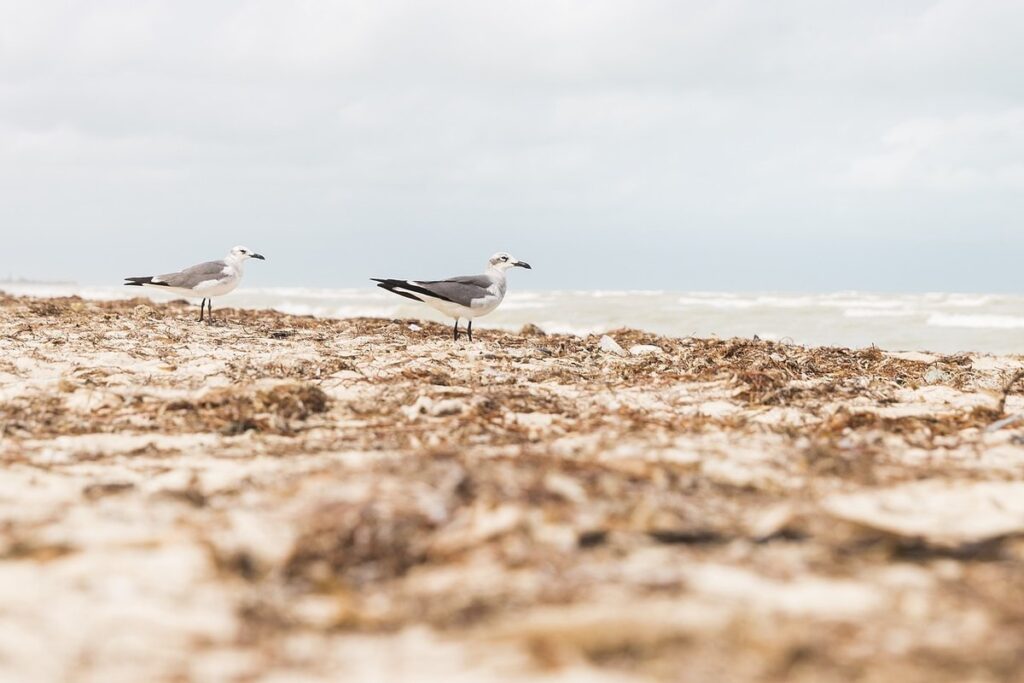
Moreover, disposing of kelp in oceans can lead to habitat destruction and harm marine ecosystems. When kelp accumulates on beaches or floats in waterways, it can suffocate aquatic life by blocking sunlight and reducing oxygen levels. This can have devastating effects on marine biodiversity, including coral reefs and fisheries.
To put this into perspective, a single ton of kelp produces approximately 1.6 tons of methane as it decomposes. To mitigate these environmental impacts, composting kelp is essential. By breaking down kelp through the composting process, we can convert its carbon-rich biomass into a nutrient-rich fertilizer that supports plant growth and reduces our reliance on synthetic fertilizers.
Setting Up a Kelp Composting System
To get started, it’s essential to set up your kelp composting system correctly, beginning with gathering necessary materials and choosing an ideal location for optimal decomposition.
Choosing the Right Location for Your Kelp Composter
When it comes to setting up a kelp composting system, selecting the right location is crucial for its success. As you’re about to discover, this decision-making process involves more than just finding a spot with some space – it’s also about considering factors such as sunlight, moisture, and accessibility.
First off, think about how much direct sunlight your compost pile will receive in a given day. Ideally, the area should get at least 4-6 hours of direct sunlight to help speed up the decomposition process. However, if you’re living in a hot and sunny climate, be mindful not to leave your kelp compost exposed for too long as this could lead to excessive drying out.
In terms of moisture, it’s essential to have some shade nearby to provide protection from intense rainfall or sudden heatwaves. A location with partial shade will give you more control over the moisture levels in your compost pile.
Accessibility is also crucial when choosing a location for your kelp composter. Ideally, select an area that’s close enough to your kitchen so you can easily transport food scraps and other materials without having to make multiple trips. At the same time, ensure it’s not too close to main living areas or neighboring homes to avoid any potential odors.
Think about your specific climate and needs when choosing a location for your kelp composter – in regions with high humidity, a more elevated site may be beneficial to reduce moisture accumulation.
Preparing Your Compost Bin for Kelp
Before adding kelp to your compost bin, it’s essential to prepare it for optimal decomposition. A well-maintained bin ensures that your kelp breaks down efficiently and produces a nutrient-rich compost.
Firstly, ensure good airflow by adding a layer of coarse material such as straw or wood chips at the bottom of the bin. This helps with aeration and prevents the buildup of anaerobic conditions. Next, add a mix of ‘green’ materials like food scraps, grass clippings, and manure to balance out the carbon-rich kelp.
Maintain a consistent moisture level by checking on your compost regularly and adding water as needed. Aim for a mix that’s similar to a damp sponge. Avoid overwatering, which can lead to an unpleasant odor and attract pests.
To achieve the ideal carbon-to-nitrogen ratio, add brown materials like dry leaves or shredded newspaper to balance out the green kelp. Aim for a mix of 2/3 ‘brown’ material to 1/3 ‘green’ material. This will help regulate the decomposition process and prevent any potential imbalances.
By following these tips, you’ll create an optimal environment for your kelp composting system to thrive in.
Collecting and Processing Kelp for Composting
Now that you’ve gathered your kelp, it’s time to break it down into usable compost material. We’ll walk through how to collect, chop, and prepare kelp for a nutrient-rich compost outcome.
Where to Source Kelp for Composting
When it comes to sourcing kelp for composting, you have several options to consider. One approach is to purchase kelp from local markets or online retailers that specialize in seaweed products. This can be a convenient option, especially if you’re short on time or don’t have access to coastal areas. However, be sure to choose a reputable supplier to ensure the quality and sustainability of the kelp.
For those who prefer a more hands-on approach, harvesting kelp from coastal areas can be a fun and rewarding experience. Look for areas with minimal human impact and avoid sensitive ecosystems. Be sure to follow local regulations and obtain any necessary permits before collecting kelp. When harvesting, use scissors or a sharp knife to cut the kelp at the base of the plant, leaving as much of the stem intact as possible.
When selecting kelp for composting, choose species that are rich in nutrients and have high carbon-to-nitrogen ratios. For example, kombu and wakame are excellent choices due to their high levels of nitrogen, phosphorus, and potassium.
Washing and Shredding Kelp Before Composting
When collecting kelp for composting, it’s essential to process it properly to ensure optimal decomposition and minimize odors. Washing and shredding the kelp are crucial steps in this process.
Washing the kelp helps remove dirt, salt, and other impurities that can inhibit microbial growth and create unpleasant odors during decomposition. Simply submerge the kelp in water, agitate gently, and let it soak for 30 minutes to an hour. Then, rinse thoroughly with clean water until the water runs clear.
Shredding the kelp breaks down its cell walls, allowing microorganisms to access nutrients more efficiently and promoting faster decomposition. Use a chipper or mower to shred the kelp into small pieces, about 1-2 inches in length. This will also help reduce the amount of space required for composting and improve air circulation within the pile.
By washing and shredding your kelp before composting, you’ll create an ideal environment for decomposition, reducing odors and promoting a rich, nutrient-dense finished product. Regularly processing your kelp in this manner will ensure successful kelp composting.
Composting Kelp: The Process and Benefits
Composting kelp can be a fantastic way to reduce waste, improve soil health, and even create nutrient-rich fertilizer for your garden. Let’s break down the process and benefits of composting this versatile seaweed.
Microbial Breakdown of Kelp in Compost
When microorganisms break down kelp’s complex carbohydrates, proteins, and cellulose in compost, it’s a fascinating process that transforms raw materials into nutrient-rich gold. This microbial breakdown is crucial to creating high-quality compost, as it converts the tough, fibrous components of kelp into easily absorbed nutrients for plants.
Here’s what happens: microorganisms like bacteria and fungi feed on kelp’s carbohydrates, releasing simple sugars that fuel their growth. As they multiply, they break down proteins into amino acids, which become available to plants. Meanwhile, cellulose, a complex carbohydrate in cell walls, is decomposed by enzymes produced by these microbes.
The result? A nutrient-rich compost teeming with beneficial microorganisms, humic acids, and other compounds that enhance soil fertility and plant health. To ensure optimal microbial activity, maintain a balanced carbon-to-nitrogen ratio (around 20:1 to 30:1), provide adequate moisture, and turn the pile regularly to introduce oxygen. By mimicking nature’s processes in your compost pile, you’ll create a nutrient-dense resource that will supercharge your garden’s productivity.
Nutrient-Rich Compost for Soil Fertility
Using kelp-compost as a natural fertilizer offers numerous benefits for soil fertility and plant health. When added to the soil, it improves the structure by increasing water retention capacity and aeration. This leads to healthier root growth and better nutrient uptake by plants. As a result, crops experience increased yields and are more resistant to diseases.
Kelp-compost also enhances biodiversity in the soil ecosystem. The rich nutrients and microorganisms present in kelp promote a balanced microbial community, which supports the activity of beneficial insects and other soil organisms. This balance is crucial for maintaining soil health and fertility over time.
To maximize these benefits, it’s essential to create a nutrient-rich compost using a combination of kelp and other organic materials. Aim to include 20-30% kelp in your compost mix to ensure optimal nutrient availability. By doing so, you’ll be providing your plants with the necessary nutrients for growth while maintaining a healthy soil ecosystem.
Overcoming Challenges in Kelp Composting
When working with kelp, you’ll inevitably encounter some challenges along the way – from uneven moisture to pesky pests that can ruin your compost. Let’s tackle these common hurdles together!
Managing Odors and Pests in Your Kelp Composter
When it comes to composting kelp, minimizing odors and pests is crucial for creating a healthy environment for beneficial microorganisms. To start, ensure your compost pile has the right balance of “green” materials (high in nitrogen) and “brown” materials (high in carbon). This balance will help regulate decomposition and reduce odors.
To further minimize odors, maintain adequate moisture levels in your compost pile – not too wet nor too dry. Regular turning of the pile can also help aerate it, reducing anaerobic conditions that contribute to unpleasant smells. Keep in mind that kelp is high in nitrogen, so be mindful of overloading with green materials.
Pests like rodents, insects, and even raccoons may be attracted to your compost pile. To deter them, bury fruit or vegetable scraps beneath a layer of brown materials, making it harder for pests to access them. Covering the pile at night can also help prevent unwanted visitors. Moreover, using physical barriers or repellents like essential oils (e.g., peppermint) can add extra protection.
By following these tips and maintaining regular monitoring of your compost pile’s conditions, you’ll create a thriving environment for beneficial microorganisms to break down kelp into nutrient-rich compost.
Maintaining Optimal Moisture Levels in Your Kelp Compost
Maintaining optimal moisture levels is crucial when composting kelp to ensure efficient decomposition and prevent anaerobic conditions. If the mixture becomes too dry, it can lead to slowed decomposition rates and potentially even kill off beneficial microorganisms. Conversely, if the mixture is too wet, it can create an ideal environment for pathogens to thrive.
A general rule of thumb is to maintain a moisture level similar to that of a damp sponge. Check the moisture levels by performing the “squeeze test”: squeeze a handful of compost material; if it sticks together, it’s likely too wet. If it crumbles easily, it’s too dry. Aim for a balance between these two extremes.
To achieve optimal moisture levels, add kelp scraps to your compost pile in small batches and mix well with other carbon-rich materials like leaves or straw. Monitor the pile regularly, adding water as needed to maintain the right consistency. A general guideline is to aim for 40-60% moisture content, depending on the temperature and humidity of your environment. By striking this balance, you’ll create an ideal environment for efficient decomposition and nutrient-rich compost production.
Conclusion: Embracing Sustainable Kelp Composting Practices
In conclusion, embracing sustainable kelp composting practices is not only beneficial for the environment but also a great way to reduce food waste in your household. By incorporating kelp into your compost pile, you’ll be creating a nutrient-rich soil amendment that will help your plants thrive. To make this process even more efficient, remember to balance out the carbon-to-nitrogen ratio of your compost by adding “green” materials like fruit and vegetable scraps. This will ensure a healthy decomposition process and prevent any unpleasant odors.
As you continue on your sustainable journey, don’t be afraid to get creative with your kelp composting methods. Experiment with different ratios of kelp to other materials and observe the results in your garden. With time and practice, you’ll develop a system that works perfectly for your needs, providing you with nutrient-dense soil and a reduced environmental footprint. By embracing sustainable kelp composting practices, you’ll be taking a significant step towards reducing waste and promoting eco-friendliness in your community.
Frequently Asked Questions
How Do I Know If My Kelp is Ready for Composting?
Kelp should be harvested when it’s at its peak nutrient content, usually during the spring or fall seasons. Check for a dark green color and firm texture to ensure it’s ready for composting. Yes, kelp can still be composted if it’s slightly wilted or browned, but make sure to shred it thoroughly before adding it to your pile.
Can I Use Fresh Kelp Directly in My Compost Pile?
It’s generally recommended to dry kelp first by spreading it out in a single layer or tying it into small bundles. This helps reduce moisture content and prevents mold growth during the composting process. Yes, you can use fresh kelp, but be aware that it may attract pests and create unpleasant odors.
How Long Does It Take for Kelp to Break Down in Compost?
The breakdown time of kelp in compost depends on factors like temperature, moisture, and oxygen levels. On average, kelp can take anywhere from 2-6 months to fully decompose. Monitor your compost pile’s progress by checking its color, texture, and earthy aroma.
Will Kelp Attract Pests or Create Odors in My Compost?
Kelp can attract pests like rodents or flies if not properly managed. To minimize odors and pest issues, ensure good airflow, maintain optimal moisture levels, and balance carbon-to-nitrogen ratios. Regularly turn your compost pile to prevent anaerobic conditions.
Can I Mix Kelp with Other Organic Materials for Composting?
Kelp can be combined with other organic materials like leaves, grass clippings, or food waste to create a nutrient-rich compost. Just remember to balance carbon-to-nitrogen ratios and maintain optimal moisture levels. Aim for a mix of 2/3 “brown” materials (like kelp) and 1/3 “green” materials (like food waste).