
If you’re like many urban gardeners or homeowners with limited outdoor space, finding ways to recycle organic waste can be a challenge. A compost bin for small spaces is not just a luxury, but a necessity to reduce your environmental footprint and create nutrient-rich soil for your plants.
However, conventional wisdom often suggests that composting requires a large yard or dedicated area, which isn’t always feasible. Fortunately, there are compact bin options and space-saving placement ideas that can help you turn kitchen scraps into fertilizer, even in the smallest of spaces.
In this article, we’ll explore natural odor control methods, compact bin designs, and clever placement strategies to help you compost effectively, no matter how limited your space may be.
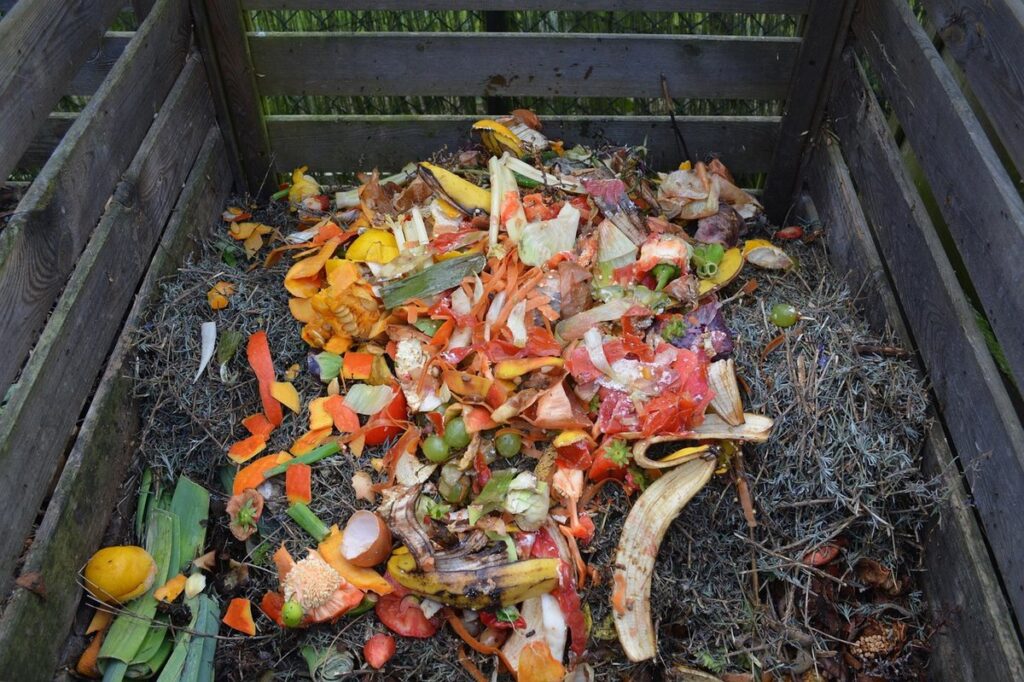
Understanding the Importance of Composting
Composting is a simple yet powerful way to reduce your waste and create nutrient-rich soil, but why should you prioritize it, especially in small spaces? Let’s explore its benefits.
Benefits of Composting in Small Spaces
Composting is an excellent solution for small space dwellers looking to reduce their environmental footprint and create nutrient-rich soil. By composting at home, you can significantly decrease the amount of waste sent to landfills, which account for a substantial portion of greenhouse gas emissions.
In addition to reducing waste, composting also helps conserve water by minimizing the need for synthetic fertilizers. These chemicals not only pollute waterways but also require large amounts of water to produce. By using compost as a natural fertilizer, you can reduce your water consumption and create healthier soil that’s better equipped to absorb rainfall.
Moreover, composting improves soil health by replenishing its nutrient content, structure, and biodiversity. This leads to more efficient water absorption, reduced erosion, and increased crop yields. To start composting in small spaces, consider investing in a compact bin or vermicomposting system, which can be placed on balconies, patios, or even indoors.
When selecting a compost bin for your small space, look for one with a capacity of around 1-5 cubic feet to ensure easy maneuverability.
Common Challenges Faced by Small Space Gardeners
Small space gardeners often face unique challenges when it comes to composting. One of the most significant obstacles is the lack of yard space. With minimal room for a traditional compost pile, many gardeners struggle to find alternatives that can still provide effective waste management.
Another challenge is budget constraints. Limited financial resources mean that small space gardeners may not have access to expensive equipment or specialized tools required for composting. This can make it difficult to start and maintain a composting system.
Finding suitable materials for composting can also be a hurdle. Small space gardeners often need to rely on pre-packaged compost bins, which can take up valuable space, or resort to indoor composting methods that require careful planning and management.
In addition to these challenges, small space gardeners may also face limited access to green waste, making it difficult to collect the necessary materials for composting.
Choosing the Right Compost Bin for Small Spaces
When it comes to composting in small spaces, selecting a suitable compost bin is crucial. We’ll walk you through the key considerations to help you make an informed decision.
Compact Compost Bin Options
If you’re struggling to find space for a traditional compost bin in your small garden or indoor area, don’t worry – there are plenty of compact options available that can still help you manage your waste effectively. One popular choice is the vertical compost bin, which makes use of your wall space by stacking the composting units vertically. These bins usually come in a series of interconnected containers that can be placed side by side or stacked on top of each other.
Another option is the wall-mounted unit, which is specifically designed to save floor and ground space while still providing ample room for composting. These units often have multiple compartments to help separate different types of waste and prevent odors from escaping. Indoor containers are another great choice for small spaces, offering a discreet way to compost food scraps and yard trimmings without taking up too much room.
When choosing a compact bin, consider the size of your space and the type of waste you’re looking to compost. Look for bins with removable filters or odor-absorbing materials to help minimize unpleasant smells and pests.
Key Features to Consider When Selecting a Compost Bin
When selecting a compost bin for small space gardeners, there are several key features to consider. First and foremost, capacity is crucial. A smaller space requires a compact compost bin that can hold the right amount of waste without taking up too much room. Look for bins with a capacity between 5-10 cubic feet to ensure you have enough space for daily additions.
Material durability is also essential. Compost bins are exposed to the elements, so choose one made from weather-resistant materials like recycled plastic or durable metal. These materials will withstand extreme temperatures and moisture levels, ensuring your bin lasts for years to come.
Ease of use is another vital consideration. Opt for a compost bin with easy-turning mechanisms and a secure lid to prevent pests and odors from escaping. Odor control is also critical in small spaces. Look for bins with built-in carbon filters or odor-absorbing materials that minimize unpleasant smells. By considering these features, you’ll find the perfect compost bin for your compact garden.
Setting Up Your Compost Bin in Small Spaces
Don’t let small spaces stop you from composting – we’ll show you how to set up a thriving compost bin even in the tightest of areas. You can compost anywhere, regardless of space constraints.
Space-Saving Placement Ideas
When it comes to setting up a compost bin in small spaces, finding the perfect spot can be a challenge. However, with a little creativity and planning, you can maximize efficiency while minimizing visual impact.
Consider placing your compost bin against a wall or fence to save floor space. This will also help keep pests and rodents out by limiting their access points. Another option is to install a freestanding compost bin in a corner of your yard or patio. These compact bins are designed specifically for small spaces and can be easily moved if needed.
If you’re short on outdoor space, consider using a vertical compost bin that can fit snugly against a wall or fence. Some models even come with built-in trellises for climbing plants, making them a great space-saving solution for urban gardens. When choosing a location, remember to keep your compost bin at least 10-15 feet away from any living areas and direct sunlight to prevent odors and pests.
Choose a spot with good air circulation to help speed up the composting process. Avoid placing your compost bin near water sources or in low-lying areas where excess moisture can collect.
Creating an Effective Composting System
Creating an effective composting system is crucial for small-space composters. To do this, you need to strike a balance between carbon-rich “brown” materials and nitrogen-rich “green” materials. Aim for a mix of 2/3 brown materials (dried leaves, shredded paper, or coconut coir) and 1/3 green materials (food scraps, grass clippings, or manure). This ratio will help control odors and promote decomposition.
Layer your compost bin by starting with a 4-6 inch layer of brown materials. Add a 2-3 inch layer of green materials on top, followed by another layer of brown materials. Repeat this process until you reach the top of the bin. Monitor moisture levels by keeping the pile slightly damp like a damp sponge. Avoid over-watering, which can lead to anaerobic conditions and unpleasant odors.
Regularly mixing your compost pile is also essential for maintaining balance and promoting decomposition. Aim for 3-4 turns per month, depending on the size of your bin and the moisture levels. This will help distribute heat evenly throughout the pile, ensuring that microorganisms are working efficiently to break down waste into nutrient-rich compost.
Managing Odors and Pests in Small Space Compost Bins
When managing odors and pests in your small space compost bin, it’s essential to strike a balance between keeping pests at bay and maintaining an efficient composting process. Effective strategies will be explored below to tackle these common challenges.
Natural Methods for Controlling Odors
When it comes to managing odors in small space compost bins, many of us turn to chemical-based odor controllers. However, these can be detrimental to the health of our ecosystem and ourselves. Fortunately, there are several non-toxic methods for controlling unpleasant odors that you can use in your small space compost bin.
One effective method is to add odor-absorbing materials such as activated charcoal or baking soda to your compost pile. These natural agents will help absorb any strong smells emanating from the compost, keeping your surrounding area fresh and odor-free. You can also use natural air fresheners like essential oils (specifically lavender or tea tree oil) added in moderation to a spray bottle filled with water.
Another approach is to ensure proper airflow within your compost bin by regularly turning the pile and adding more brown materials (dried leaves, shredded newspaper) which promote oxygen flow. This will not only minimize odors but also speed up the composting process itself.
Strategies for Preventing Pest Infestations
When it comes to composting in small spaces, preventing pest infestations is crucial. Pests can quickly overrun a compact compost bin and ruin the entire process. To avoid this, consider implementing physical barriers around your bin. This can be as simple as placing a fine mesh screen over the top or using hardware cloth to cover any openings.
Essential oils also come in handy when deterring pests from your compost bin. Certain oils like peppermint, lemongrass, and cinnamon are known to repel ants, flies, and rodents. You can mix these oils with water and spray them around the bin or directly on it. Just be sure to use a diluted solution (about 10-15% essential oil) so as not to harm microorganisms in your compost.
Maintaining cleanliness is also key in keeping pests away from your compost bin. Regularly emptying food scraps and adding fresh carbon-rich materials like leaves or straw helps balance the pH level and moisture content, making it less appealing for pests. By combining these strategies, you’ll be well on your way to creating a pest-free composting environment in even the smallest of spaces.
Composting with Limited Resources: A Guide for Small Space Gardeners
Don’t let a small space hold you back from composting – we’ve got tips and tricks to help you turn scraps into soil, even in the tightest of spots. Learn how to make it work for you!
DIY Compost Bin Ideas on a Budget
If you’re short on space and budget but still want to compost, don’t worry – we’ve got creative solutions for building a DIY compost bin using recycled materials. Before we dive into the ideas, remember that the key to effective composting is balancing “green” (nitrogen-rich) materials with “brown” (carbon-rich) ones.
Here are some budget-friendly options to get you started:
* Use an old pallet or wooden crate as your base and add wire mesh or chicken wire for ventilation.
* Repurpose a plastic storage bin, such as a large tub or container, and drill holes in the bottom for drainage.
* Upcycle an old wooden fence or trellis by attaching it to a frame made from reclaimed wood or PVC pipes.
* Get creative with household items like old buckets, containers, or even cardboard boxes – just make sure they’re clean and dry.
Remember, the materials you choose will depend on your space constraints and personal preferences. The most important thing is to create a bin that’s well-ventilated, accessible, and encourages regular composting habits.
Tips for Composting in Areas with Limited Access to Materials
When you’re gardening in a small space, it can be tough to scrounge up enough materials for composting. But don’t worry, we’ve got some creative solutions for you.
First, consider getting creative with your kitchen scraps. Instead of tossing vegetable peels and eggshells, save them in an airtight container on your counter or in the freezer until they’re ready to add to your compost pile. You can even ask friends or family members if they have any food waste they’d be willing to give you.
For yard trimmings, think outside the box. If you don’t have space for a lawn, consider growing low-maintenance plants like succulents or herbs that require minimal pruning. When you do need to prune, save those cuttings and add them to your compost pile. You can also collect leaves from nearby parks or ask a neighbor if they’d be willing to share some of their yard waste with you.
Another option is to start a “micro-garden” – a small area within your existing garden where you can grow food scraps like mushrooms, sprouts, or microgreens that are high in nutrients and low maintenance. This way, you’ll have a constant supply of fresh materials for composting without taking up too much space.
Maintaining Your Small Space Compost Bin
To keep your small space compost bin running smoothly, it’s essential to maintain a balance of green and brown materials, as well as manage moisture levels effectively.
Regular Maintenance Tasks
Regular maintenance tasks are essential for keeping your small space compost bin healthy and productive. Turning the compost pile is one of the most critical tasks, as it helps to aerate the mixture, preventing anaerobic conditions that can lead to unpleasant odors and slowed decomposition. To turn the pile, use a pitchfork or shovel to gently loosen the top layer, then rotate it 180 degrees to bring new material to the surface.
Monitoring moisture levels is also crucial, as compost needs to be kept consistently damp but not waterlogged. Check the pile daily by sticking your hand into the mixture up to the wrist – if it feels dry, add a little water; if it’s too wet, wait a day or two before adding more materials. Aim for a consistency similar to a damp sponge.
To keep the compost flowing smoothly, aim to add new materials at least once a week, balancing “green” foods like fruit and vegetable scraps with “brown” materials like dried leaves or shredded paper. A general rule of thumb is to maintain a 2:1 green-to-brown ratio. By following these simple tasks, you’ll be well on your way to creating rich, nutrient-dense compost for your small space garden.
Common Issues to Watch Out for in Small Space Composting Systems
One of the biggest challenges you’ll face with small space composting systems is maintaining a healthy decomposition rate. If not enough “green” materials like fruit and veggie scraps are added to balance out the carbon-rich “brown” materials, the process can slow down significantly. Aim for a mix of 2/3 brown materials (dried leaves, shredded paper, etc.) and 1/3 green materials (food waste, grass clippings, etc.).
Another issue you may encounter is pest infestations. Fruit flies, rodents, and even raccoons can be attracted to the nutrient-rich environment of your compost bin. To prevent this, ensure that your bin has a secure lid or consider using a bin with built-in pest control features like fine mesh screens.
Regular maintenance is key to preventing these issues. Check your bin regularly for any signs of slow decomposition or pests. If you notice a problem, adjust your mix of materials accordingly or take steps to deter the pests. For example, adding a 1-inch layer of finished compost on top can help deter pests from digging through the pile.
Frequently Asked Questions
Can I use a compost bin for small spaces indoors?
Yes, many compact compost bins are designed for indoor use, but ensure you choose one with good ventilation to prevent odors from building up. Place it near a window or use an exhaust fan to maintain air circulation.
How often should I turn my compost pile in a small space?
Regular turning is crucial for maintaining oxygen flow and preventing matting. Aim to turn your compost every 7-10 days, depending on the moisture levels and temperature of your bin.
Can I compost meat and dairy products in a small space bin?
No, it’s best to avoid adding meat and dairy products as they can attract pests and create unpleasant odors. Stick to kitchen scraps like fruit and vegetable peels, tea bags, and coffee grounds for efficient composting.
What are some natural methods for controlling odors in my compact compost bin?
Try adding a 1:10 ratio of brown materials (dried leaves or shredded newspaper) to green materials (kitchen scraps). You can also sprinkle baking soda or activated charcoal to absorb any lingering smells. Keep your bin well-ventilated and regularly turn the pile.
Can I use a worm composter in a small space with limited sunlight?
Yes, worm composters are ideal for indoor use and require minimal maintenance. They’re self-contained systems that can thrive in low-light conditions, making them perfect for small spaces with limited natural light.