
Effective composting is all about balance, but have you ever wondered how to achieve that perfect harmony between your “greens” and “browns”? For those new to composting, the terms can be confusing – think of greens as high-nitrogen foods like fruit and veggie scraps, and browns as carbon-rich materials like dried leaves or shredded newspaper. Getting this balance right is crucial for creating a nutrient-rich soil amendment that’ll make your plants thrive. In this comprehensive guide, we’ll delve into the world of composting greens vs browns, exploring real-life examples, discussing the benefits of each, and sharing expert tips on how to strike the ideal balance in your home or garden. By the end of this article, you’ll be well on your way to creating a thriving compost pile that will take your gardening game to the next level.
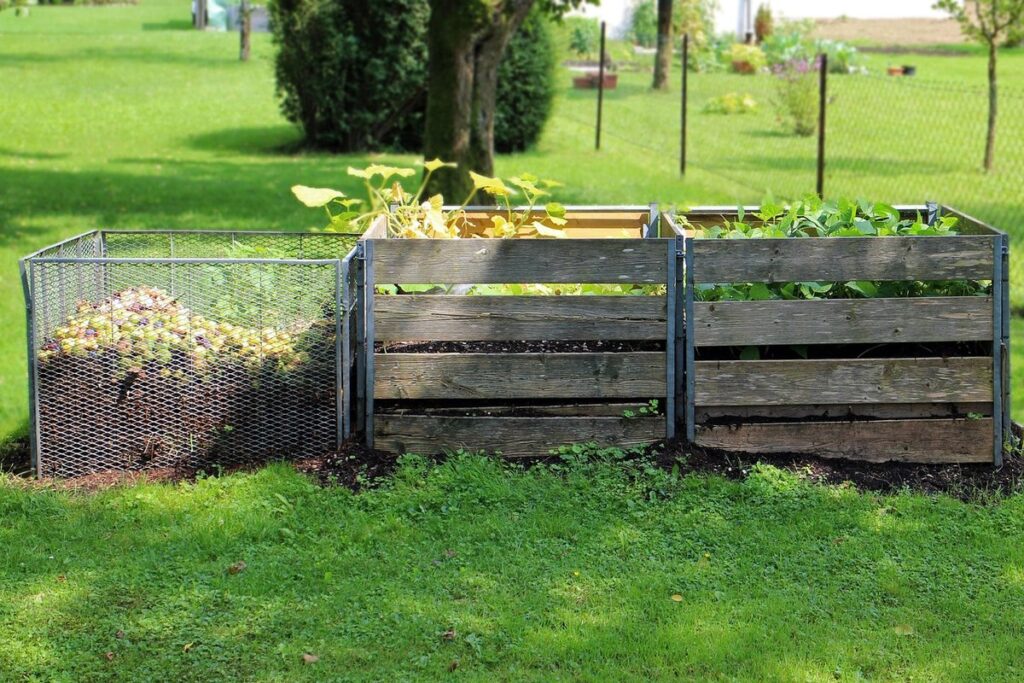
Understanding the Basics of Composting
Let’s start by diving into the fundamental principles of composting, including what materials to include and how to maintain the perfect balance between green and brown elements. This foundation is crucial for successful composting.
What is Composting?
Composting is the process of breaking down organic materials into a nutrient-rich soil amendment that can be used to improve plant growth and reduce waste. At its core, composting is about turning what would otherwise be trash into something valuable. This simple yet powerful practice has far-reaching benefits for our environment.
By composting, we can significantly reduce the amount of waste sent to landfills, where it contributes to greenhouse gas emissions and climate change. In fact, food waste alone accounts for around 20% of municipal solid waste in the United States. Composting helps divert this waste from landfills, reducing the production of methane – a potent greenhouse gas.
Composting also plays a crucial role in conserving water. By improving soil structure and increasing its ability to retain moisture, compost can help reduce the need for irrigation systems. This not only saves water but also reduces energy consumption associated with pumping and treating wastewater. As you begin to learn about the composting process and start incorporating it into your daily routine, remember that every bit counts – whether it’s collecting food scraps or yard trimmings, taking steps towards reducing waste and conserving water has a lasting impact on our planet.
Types of Organic Matter Used for Composting
Composting is made possible by combining two essential types of organic matter: greens and browns. While they may seem like opposing forces, working together in harmony allows for the creation of nutrient-rich compost that enriches soil.
Greens are rich in nitrogen, a key component necessary for decomposition to occur. Examples of high-nitrogen materials include fruit and vegetable scraps, grass clippings, and fresh leaves. These can be added to your compost pile in abundance as they break down quickly and provide an initial boost to the process.
On the other hand, browns are high in carbon and serve a crucial role in balancing out the nitrogen levels present in greens. This carbon-rich material is necessary for oxygenation and helps regulate moisture levels within the pile. Brown materials include shredded newspaper, cardboard, and dried leaves – all of which are readily available at home.
When combining these two types of organic matter, it’s essential to strike a balance between them. Aim for a mix that contains 2/3 carbon-rich browns and 1/3 nitrogen-rich greens.
The Benefits of Composting Greens
Composting greens, rich in nutrients and high in carbon-to-nitrogen ratios, offer a unique set of benefits that can elevate your compost pile. Let’s dive into the advantages of incorporating these green materials into your composting routine.
Rich in Nitrogen, High in Nutrients
Greens are the nutrient-rich component of composting that’s often overlooked. These high-nitrogen foods provide essential nutrients to plants, promoting healthy growth and development. Think of greens as the “food” for your garden – they’re what give it the necessary building blocks to thrive.
When added to your compost pile, greens break down quickly, releasing their stored nitrogen, phosphorus, and potassium into the soil. This nutrient-rich combination is perfect for plants that require a lot of energy to grow, such as leafy greens like lettuce and kale. In fact, research shows that adding high-nitrogen materials like grass clippings or fresh manure can increase crop yields by up to 20% (Source: University of California Cooperative Extension).
To get the most out of your composting greens, aim for a mix of 2/3 “browns” (dried leaves, straw) and 1/3 “greens” (fresh kitchen scraps, grass clippings). This balance will ensure that your finished compost is teeming with life-giving nutrients. Don’t be afraid to add a variety of greens – from veggie peels and cores to coffee grounds and tea bags – to create a rich, fertile soil amendment for your garden.
Examples of Green Materials
When it comes to composting greens, the possibilities are endless. One of the most common green materials used for composting is food scraps, which make up a significant portion of household waste. However, not all food scraps are created equal – vegetable and fruit peels, cores, and rinds are perfect for composting, while meat, dairy, and oily foods can attract pests and create odors.
Another popular green material is grass clippings, which are rich in nitrogen and can help speed up the decomposition process. Just be sure to chop them up into smaller pieces before adding them to your compost pile, as large clumps can take longer to break down. Manure from herbivores like horses, cows, and rabbits is also a great addition to your compost, providing essential nutrients for healthy plant growth.
When incorporating these green materials into your compost, remember to maintain the right balance with browns – about 2/3 greens to 1/3 browns. This will help create an optimal environment for decomposition and prevent anaerobic conditions from developing.
The Benefits of Composting Browns
When it comes to composting, browns provide a crucial balance to green materials by adding bulk and carbon-rich nutrients to your pile. Let’s dive into their benefits.
Carbon-Rich, High in Structure
Browns are not only rich in carbon but also play a crucial role in adding structure to compost piles. When you balance browns with greens, the carbon-rich materials help hold everything together, creating a stable and aerated environment for microorganisms to thrive. This is especially important because it reduces odors, which can be a major issue when composing large quantities of greens.
The addition of browns to your compost pile will also cause it to shrink in size as they break down, allowing you to mix in new materials more easily. You can achieve this balance by adding brown materials like dried leaves, shredded newspaper, or cardboard boxes to your compost heap for every 2-3 parts green materials.
A good example of how browns add structure is seen in a typical compost pile where one layer might be composed of wet grass clippings (green) and the next layer above it could consist of brown materials like dried leaves. This mix helps keep everything stable, reducing sogginess and odors while allowing for better airflow.
When mixing in browns, aim to create layers of 2-4 inches thick, depending on your desired compost outcome. The goal is to maintain a balance between the carbon-rich materials (browns) and nitrogen-rich greens, which helps create an efficient decomposition process.
Examples of Brown Materials
When it comes to composting browns, there are numerous materials you can use to create a nutrient-rich mix for your garden. One of the most common brown materials is dried leaves. These leaves are rich in carbon and low in nitrogen, making them an excellent addition to your compost pile.
Another option is straw, which is high in carbon and contains no weed seeds or plant diseases that could harm your plants. You can use wheat straw, oat straw, or even alfalfa hay as a substitute for traditional brown materials like peat moss.
Shredded newspaper is another popular choice for composting browns. It’s easy to shred and adds structure to the pile without taking up too much space. However, be sure to use plain paper, avoiding ink-stained pages that could contaminate your compost.
When using these materials, aim for a mix of 2/3 brown materials to 1/3 green materials, such as food scraps or grass clippings. This ratio ensures that your pile breaks down efficiently and doesn’t become too soggy or dry.
Balancing Greens and Browns: The Key to Successful Composting
Now that you’ve got your greens and browns sorted, let’s talk about balancing them for a thriving compost pile – it’s a delicate dance! With the right ratio, you’ll be creating nutrient-rich soil in no time.
Understanding the 2/3 Rule
Maintaining a balance between greens and browns is crucial for creating a thriving compost pile. The general rule of thumb is to aim for 2/3 carbon-rich materials (browns) and 1/3 nitrogen-rich materials (greens). This might seem like a simple ratio, but it’s essential to understand why this balance is necessary.
When you add too many greens, the compost pile can become too wet and soggy, creating an ideal environment for pests and odors. On the other hand, if you overload your pile with browns, it may not break down quickly enough, leading to a stale, dry mix. By following the 2/3 rule, you’ll create an optimal balance that allows microorganisms to feast on the available carbon and nitrogen sources.
To achieve this balance in practice, start by layering brown materials like leaves or shredded newspaper at the bottom of your pile. Then add a layer of green materials like kitchen scraps or grass clippings. Repeat this process, ending with a layer of browns on top. As you add more materials, aim to maintain this 2/3 to 1/3 ratio to create a compost pile that’s both efficient and effective.
Adding Too Many Greens or Browns
When adding too many greens or browns to your compost pile, you may think it’s a good idea to get as much material mixed together as possible. However, this approach can actually have some negative consequences.
For example, if you add too many greens, the pile will start to become anaerobic (oxygen-starved), which leads to poor odor control. The excess moisture from the greens will trap the oxygen and create a perfect environment for ammonia production. This is especially true during warm weather when microorganisms multiply rapidly, releasing strong-smelling gases into the air.
Similarly, adding too many browns can also cause problems. With an overabundance of carbon-rich materials like leaves or shredded newspaper, the pile may become too dry and lack sufficient nutrients. As a result, the finished compost may be depleted in essential nutrients, rendering it less valuable as a fertilizer for your garden.
To avoid these issues, aim to maintain a balanced ratio of 2/3 “browns” to 1/3 “greens”. This will help ensure your compost pile remains well-oxygenated and nutrient-rich.
Common Challenges When Composting Greens vs Browns
When it comes to composting, balancing greens and browns can be tricky. Let’s dive into some of the common challenges that arise when mixing these two essential components.
Odors and Pests
When composting greens and browns together, it’s not uncommon to encounter issues like odors and pests. These problems can be caused by an imbalance of “green” materials, such as kitchen scraps or grass clippings, which are high in nitrogen but low in carbon.
On one hand, too many green materials can lead to anaerobic conditions, causing a foul smell. This is because microorganisms break down the organic matter without sufficient oxygen, producing compounds like ammonia and hydrogen sulfide. To prevent this, it’s essential to balance your compost pile with “brown” materials, such as dried leaves or shredded newspaper, which are high in carbon but low in nitrogen.
On the other hand, a lack of green materials can attract pests like rodents, flies, and ants. These unwanted visitors are attracted to the nutrient-rich waste and can cause damage to your compost pile. To avoid this issue, aim for a mix that’s around 2/3 brown materials and 1/3 green materials.
By maintaining a balanced mix and ensuring adequate aeration, you can minimize odors and pests in your compost pile. Regularly turning the pile will also help distribute heat and oxygen, promoting healthy decomposition and reducing the risk of problems like odor and pest infestation.
Solutions for Overcoming these Challenges
When dealing with composting greens vs browns, it’s not uncommon to encounter challenges that can hinder the decomposition process. To overcome these obstacles, regular turning of the compost pile is essential. This simple yet effective technique allows oxygen to penetrate deeper into the pile, facilitating breakdown and reducing odors. Aim to turn your compost every 7-10 days, using a pitchfork or shovel to gently mix the materials.
Monitoring moisture levels is also crucial in maintaining a healthy compost pile. Ideally, you want to maintain a damp-squidgy consistency, similar to that of a damp sponge. If the pile becomes too dry, it may slow down decomposition, while excessive moisture can lead to anaerobic conditions and unpleasant odors. Check your pile’s moisture level by inserting your hand into the center; if it feels dry or wet, adjust accordingly.
By incorporating regular turning and monitoring moisture levels into your composting routine, you’ll be well on your way to creating a thriving, odor-free compost pile that yields nutrient-rich soil for your garden.
Tips for Creating the Perfect Compost Mix
Now that you’ve got a good balance of greens and browns, let’s dive into some practical tips to craft the perfect compost mix for your garden.
Layering Greens and Browns
When layering greens and browns in your compost pile, it’s essential to alternate between the two materials to promote efficient decomposition and minimize odors. Start by adding a 4-6 inch layer of brown materials such as dried leaves, shredded newspaper, or cardboard. These carbon-rich ingredients provide structure and allow for airflow within the pile.
Next, add a 2-3 inch layer of green materials like food scraps, grass clippings, or manure. Green materials are high in nitrogen and will help speed up decomposition. However, be mindful not to overdo it – too many greens can lead to anaerobic conditions and unpleasant odors.
To maintain a healthy balance, alternate between browns and greens every 2-3 layers. For example: brown layer, green layer, brown layer, green layer, and so on. This pattern allows microorganisms to break down the organic matter efficiently while preventing excess moisture buildup that can lead to odors. By following this simple layering technique, you’ll be well on your way to creating a thriving compost pile that produces rich, nutrient-dense soil for your garden.
Monitoring Moisture and Carbon-to-Nitrogen Ratios
Monitoring moisture levels and carbon-to-nitrogen ratios is crucial for creating an ideal compost mix. If either of these factors is out of balance, it can lead to unpleasant odors, pest issues, and a lower quality finished product.
To monitor moisture levels, aim for a mix that’s like a damp sponge – not waterlogged or dry as dust. This is typically achieved when the pile feels slightly springy in the center when compressed with your hand. Aim to maintain this level by regularly mixing and turning the pile to ensure even decomposition.
When it comes to carbon-to-nitrogen ratios, a general rule of thumb is to aim for 2/3 “browns” (dry materials like leaves or twigs) and 1/3 “greens” (wet materials like food scraps or grass clippings). This balance allows the browns to provide oxygen while the greens contribute nitrogen. If your mix has too many greens, it can become smelly and attract pests. Conversely, too many browns will slow decomposition.
Conclusion: Effective Composting Through Balance and Patience
Now that you’ve learned how to balance your compost pile, let’s tie everything together by exploring the key takeaways and tips for successful composting.
Recap of Key Points
In wrapping up our comprehensive guide to composting greens and browns, let’s take a moment to recap the key points that will help you achieve success with your composting endeavors. The most critical takeaway is the importance of balance between these two essential components.
To create an ideal mix, remember that “browns” provide structure, carbon, and microorganisms, while “greens” offer nitrogen, moisture, and a food source for microbes. Aim to maintain a 2/3 brown to 1/3 green ratio to prevent over-nitrification or anaerobic conditions.
As we’ve discussed, different types of browns and greens have varying levels of carbon-to-nitrogen ratios. For example, shredded newspaper is an excellent brown additive with a high C:N ratio, while fresh grass clippings are rich in nitrogen but require more frequent monitoring to prevent over-steaming. By selecting the right mix for your needs and regularly inspecting your compost pile, you’ll be able to create nutrient-rich humus that will elevate your garden’s fertility.
Incorporating these principles into your composting routine will yield a balanced and thriving ecosystem, providing essential nutrients for your plants while minimizing waste.
Encouraging Readers to Continue Learning and Improving
As you continue on your composting journey, remember that mastering this skill takes time and practice. Don’t be discouraged if your first batches don’t turn out as expected – every mistake is an opportunity to learn and refine your technique. To get the most out of your compost pile, keep experimenting with different combinations of greens and browns, observing how they affect the decomposition process.
Consider joining online forums or local gardening groups to connect with experienced composters who can share their insights and tips. You might also find it helpful to take a workshop or class on advanced composting techniques – hands-on instruction can be incredibly valuable in solidifying your understanding of the subject.
The key is to stay curious and keep exploring. What works for one person’s compost pile may not work for yours, so don’t be afraid to try new approaches and adapt methods to suit your specific needs. With patience and persistence, you’ll develop a deep understanding of how to create nutrient-rich compost that truly makes a difference in your garden.
Frequently Asked Questions
How often should I turn or aerate my compost pile to maintain optimal balance?
Turning your compost pile every week or two can help speed up the decomposition process, but it’s essential to balance aeration with maintaining moisture levels. Aim for 2-3 turns per month, especially during hot summer months when microorganisms thrive.
What happens if I add too many greens and my compost starts to smell?
Yes. If you’ve added an excessive amount of high-nitrogen materials like fruit scraps or grass clippings, your compost may start to smell due to anaerobic conditions. To correct this, add more brown materials like dried leaves or shredded newspaper to balance out the nitrogen levels and improve airflow.
Can I use weeds as green materials in my compost pile?
No. Weeds can harbor seeds that may sprout in your finished compost, potentially creating problems for future gardens. Instead, consider using weed-free alternatives like grass clippings, vegetable scraps, or tea bags to add nutrients without introducing unwanted plant life.
How do I monitor carbon-to-nitrogen ratios in my compost pile?
You can estimate the carbon-to-nitrogen ratio by observing your materials’ texture and color. Browns (carbon-rich) tend to be dry and brown, while greens (nitrogen-rich) are typically moist and green. Aim for a mix with 2/3 browns and 1/3 greens for optimal decomposition.
Can I compost meat, dairy, or oily foods in my pile?
No. Meat, dairy, and oily foods can attract pests, create unpleasant odors, and even contaminate your finished compost. Instead, consider adding them to a bokashi bin or worm composter specifically designed to handle high-nitrogen materials.