
As a homeowner, you’re likely no stranger to mowing your lawn regularly. But have you ever stopped to think about what happens to all those grass clippings after they’ve been cut? Instead of sending them to the landfill, why not turn them into a valuable resource for your garden? Composting grass clippings is a simple and effective way to reduce waste, conserve water, and improve soil health – all while saving money on fertilizers. In this article, we’ll explore the benefits of composting grass clippings using layering techniques, and provide you with a step-by-step guide on how to do it yourself. By learning how to effectively compost your lawn clippings, you can create nutrient-rich soil that will make your garden thrive, reducing your reliance on synthetic fertilizers and saving you time and resources in the long run.
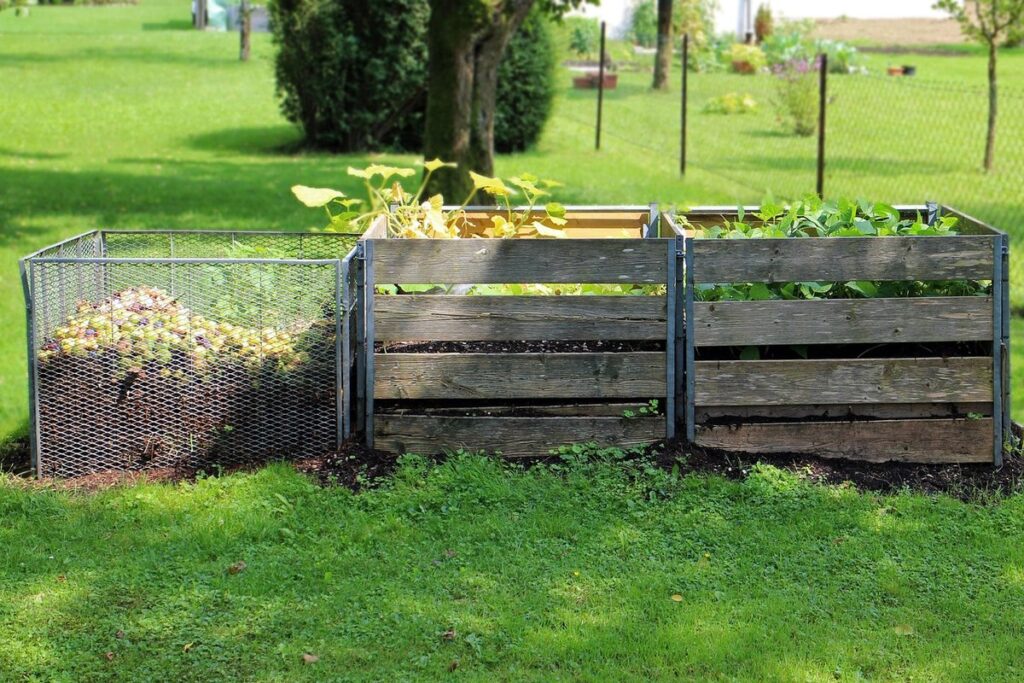
The Benefits and Importance of Composting Grass Clippings
Composting grass clippings is a simple yet effective way to reduce waste, create nutrient-rich soil, and support sustainable gardening practices that benefit both your yard and the environment. Let’s explore its numerous benefits in more detail.
Reduces Waste and Saves Resources
Composting grass clippings is not only an excellent way to reduce waste sent to landfills but also a means to conserve valuable natural resources like water and fertilizers. When you compost grass clippings, you’re diverting them from the landfill, where they would decompose slowly, releasing methane gas in the process. By contrast, composting allows for rapid decomposition, reducing greenhouse gas emissions and minimizing the environmental impact of your lawn maintenance.
Moreover, composting helps conserve water by reducing the need for chemical fertilizers, which can leach into soil and contaminate groundwater. When you use composted grass clippings as fertilizer, you’re replenishing nutrients in the soil without adding to the nutrient cycle’s strain on natural resources. Additionally, composting reduces the demand on synthetic fertilizers, thereby conserving energy and reducing the environmental toll associated with their production.
By incorporating layering into your composting routine, you can effectively manage grass clippings while minimizing waste and conserving valuable resources.
Improves Soil Health and Structure
Composted grass clippings are incredibly beneficial for soil health, structure, and fertility. When incorporated into the soil, they add essential nutrients, improve water retention, and support a diverse microbial community. This leads to improved soil aggregation, which is crucial for healthy root growth and plant development.
By composting grass clippings through layering, you’re creating a nutrient-rich amendment that’s tailored to your specific climate and region. As you add layers of “green” materials like fresh grass clippings, you’re introducing beneficial microorganisms that break down the organic matter into a humus-rich soil conditioner.
As the compost matures, it develops a crumbly texture and a dark, earthy aroma. This is an indication that the nutrient-dense material is now available to your plants. To incorporate this rich resource into your garden, simply mix 2-4 inches of the finished compost into the top 6-8 inches of soil before planting.
Understanding the Composting Process for Grass Clippings
To create rich, nutrient-dense compost from grass clippings, it’s essential to grasp the basic principles of layering and decomposition that occur in this process. Let’s break down these key components together.
What Can Be Added to the Compost Pile
When adding materials to your compost pile with grass clippings, it’s essential to maintain a balance of “green” and “brown” elements. Green materials are high in nitrogen, while brown materials are rich in carbon. Combining both types ensures that the decomposition process unfolds efficiently.
Leaves, for instance, can be added in abundance as they contribute significantly to the brown component. These organic matter are dry and high in carbon content, helping speed up the composting process. Vegetable scraps also work well with grass clippings. Rich in nitrogen, these scraps quickly break down into nutrient-rich humus.
Other items you can safely add include tea bags, coffee grounds, and fruit peels. Tea bags, surprisingly, can be a valuable addition as they contain high levels of nitrogen. Coffee grounds are another excellent choice, offering an abundance of carbon and phosphorus.
When incorporating these materials, remember to follow the 2/3 brown and 1/3 green rule. This helps prevent anaerobic conditions from arising, which can lead to unpleasant odors and slow decomposition.
Creating a Balanced Compost Mix
Achieving an optimal balance of green and brown materials is crucial for creating a balanced compost mix. When it comes to layering grass clippings, it’s essential to incorporate both nitrogen-rich (green) and carbon-rich (brown) materials to foster a healthy microbial environment.
Think of your compost pile as a recipe: you need the “greens” to provide the necessary protein for microbial growth, but you also need the “browns” to supply the carbohydrates that will fuel this growth. Aim to balance your layers with approximately 2/3 carbon-rich materials (dried leaves, straw, shredded newspaper) and 1/3 nitrogen-rich materials (grass clippings, fruit and veggie scraps).
As a general rule of thumb, use about 5-7% of grass clippings in each layer. This allows the microbes to break down the nutrients efficiently while avoiding an overabundance of green materials that can lead to anaerobic conditions. By maintaining this balance, you’ll create a balanced compost mix that’s rich in nutrients and free from odors or pests. Remember, it’s all about finding the right harmony between green and brown layers – your compost pile will thank you!
Preparing Grass Clippings for Composting
To get started, you’ll need to properly prepare your grass clippings by removing any debris and aerating them slightly to ensure even decomposition. This process sets the stage for effective layering.
Drying or Raking Clippings for Better Aerobic Conditions
Drying or raking clippings before adding them to the compost pile is crucial for creating optimal aerobic conditions. When grass clippings are wet and dense, they can suffocate the beneficial microorganisms that break down organic matter. As a result, anaerobic bacteria will take over, producing unpleasant odors and potentially creating methane gas.
To prevent this from happening, it’s essential to remove excess moisture by either air-drying or raking the clippings. Simply spreading out the clippings in a single layer on a tarp or wire mesh allows them to dry quickly. You can also use a rake to gently fluff and aerate the material, allowing for better airflow.
By drying or raking your grass clippings, you’ll create an environment that’s conducive to aerobic decomposition. This will not only reduce odors but also increase the efficiency of your composting process. For instance, if you’re layering your clippings according to our previous guidelines, be sure to incorporate a mix of dry and moist materials to promote healthy microbial activity.
A general rule of thumb is to aim for a moisture level between 40-60% in your compost pile. To achieve this balance, consider incorporating dry materials like shredded newspaper or straw into your layers. This will help maintain an optimal environment for aerobic decomposition, ensuring that your grass clippings are broken down efficiently and effectively.
Removing Debris and Stones from Clippings
Removing debris and stones from grass clippings is an essential step before adding them to your compost pile. These contaminants can introduce unwanted elements into your compost, affecting its quality and fertility. Rocks and twigs, for instance, won’t break down during the composting process, making them inert in the finished product. On the other hand, they can also damage your compost bin or aerator.
To remove debris from grass clippings efficiently, start by raking through the clippings to loosen any visible rocks and twigs. You can then sift through the material using a garden sieve or a piece of hardware cloth with 1/2-inch openings. This will catch smaller stones and weed fragments that might have been missed during the initial raking process. Consider setting aside any debris you collect for use as mulch, paths, or other landscaping projects.
Regularly cleaning your grass clippings is an integral part of maintaining a healthy composting system.
Layering Compost Piles for Efficient Decomposition
To create a well-balanced compost pile, you’ll want to alternate between ‘green’ grass clippings and ‘brown’ materials like dried leaves or shredded newspaper. This layering process encourages efficient decomposition.
Building a Base Layer with Brown Materials
When building a compost pile, it’s essential to start with a solid base layer that will provide a good foundation for the rest of the materials. This is especially true when working with grass clippings, which can be quite moist and prone to pests. A base layer made from brown materials like leaves or shredded newspaper helps to absorb excess moisture, suppress weed growth, and create an environment conducive to decomposition.
To create this base layer, start by collecting a 4-6 inch deep layer of dried leaves or shredded newspaper. You can also use other dry, carbon-rich materials like straw or coconut coir. Spread the material evenly across the bottom of your compost pile, making sure to cover the entire surface area. This layer should be at least as wide and long as the pile itself.
The key is to create a balanced ratio between “green” (nitrogen-rich) grass clippings and “brown” (carbon-rich) materials like leaves or newspaper. By starting with a solid base of brown materials, you’ll set your compost pile up for success from the very beginning.
Adding Green Materials and Grass Clippings in Layers
To maximize decomposition efficiency, it’s crucial to alternate between green (nitrogen-rich) and brown (carbon-rich) layers in your compost pile. When adding grass clippings, remember that they are high in nitrogen. To balance this out, follow the principle of layering.
Begin by adding a 4-6 inch layer of brown materials like dried leaves or shredded newspaper at the bottom of your compost pile. This initial layer provides carbon-rich nutrients for microbial growth. Next, add a 2-3 inch layer of grass clippings on top of the brown material. Avoid overloading with too many grass clippings, as this can lead to anaerobic conditions and unpleasant odors.
Continue alternating between green (grass clippings) and brown layers, ending with a final layer of brown materials to help retain heat and prevent matting. For example, if your pile is 4 feet high, you might have three layers of grass clippings and two layers of brown materials in between.
Maintaining the Compost Pile for Optimal Results
To ensure your compost pile continues to thrive, it’s essential to regularly maintain its moisture levels and check for signs of pests or anaerobic conditions. This section will walk you through those crucial steps.
Ensuring Adequate Moisture Levels
Maintaining a suitable moisture level within the compost pile is crucial for the decomposition process. Grass clippings are rich in water content, but they can quickly become dry and brittle if not managed properly. To avoid this, ensure that you’re layering grass clippings in a way that balances their natural moisture with other dry materials.
A good rule of thumb is to alternate between 2-3 layers of wet grass clippings and 1-2 layers of dry material like leaves or shredded newspaper. This not only helps regulate moisture levels but also creates an ideal environment for microorganisms to thrive.
Keep the pile moist, like a damp sponge, by sprinkling water as needed. Aim for a moisture level of about 50-60% – neither too wet nor too dry. Overwatering can lead to anaerobic conditions and unpleasant odors, while under-watering will slow down decomposition. Regularly inspect your pile and adjust the moisture levels accordingly.
Monitoring temperature is also essential in ensuring adequate moisture levels. A well-balanced compost pile should maintain a consistent temperature of around 130-140°F (54-60°C). If it’s too hot or cold, this may indicate imbalances in the moisture levels or other factors affecting decomposition.
Turning the Compost to Speed Up Decomposition
Turning the compost regularly is essential to speed up decomposition and improve the quality of finished compost. This process, also known as aeration, helps to increase oxygen flow within the pile, which in turn stimulates microbial activity. Microorganisms break down organic matter much faster when they have sufficient oxygen, resulting in a more efficient composting process.
When you turn your compost, you’re allowing air to penetrate deep into the pile, promoting a healthy balance of aerobic and anaerobic bacteria. Aerobic microbes thrive in well-oxygenated environments, while anaerobic microbes prefer low-oxygen conditions. By turning the compost regularly, you create an environment that favors aerobic decomposition, producing carbon dioxide as a byproduct.
To turn your compost effectively, aim to do it every 7-10 days during active decomposition. Use a pitchfork or shovel to gently mix the materials without compacting them. This will help maintain optimal moisture levels and prevent matting, ensuring your compost breaks down quickly and efficiently. With regular turning, you’ll be rewarded with high-quality compost rich in nutrients and beneficial microorganisms.
Harvesting and Using Finished Compost
Now that your compost is finished, it’s time to put it to good use! In this next step, we’ll show you how to harvest and utilize your nutrient-rich finished compost.
Signs That Your Compost Is Ready for Use
When you’ve been diligently layering and maintaining your grass clippings compost pile, it’s time to check if it’s ready for use. But how do you know when the compost is fully decomposed and ready to be used? Look out for these physical signs:
The finished compost should have an earthy aroma, similar to soil. If it still smells like rotting grass or has a strong odor, it needs more time. Check the texture by digging in with your hands – if it’s crumbly and easily sticks together when moistened, it’s ready. Avoid any lumps or clumps that indicate uneven decomposition.
To ensure even decomposition, turn the compost pile regularly as it layers. This helps to aerate the pile, speed up decomposition, and prevent matting of materials. Also, be on the lookout for pests like rodents or insects that can infest the compost and delay its readiness. If you notice any unusual activity, take steps to address the issue before using the compost.
If you’re still unsure about the readiness of your compost, try the “squeeze test”: if the compost sticks together when you squeeze it but crumbles apart easily, it’s ready for use.
Ways to Utilize Composted Grass Clippings in Gardening and Landscaping
One of the most rewarding aspects of composting grass clippings is seeing them transformed into a nutrient-rich resource that can be used to enrich and sustain your garden. Once you have finished composting your grass clippings, there are numerous ways to utilize this valuable material.
As mulch, composted grass clippings help retain moisture in the soil, suppress weeds, and regulate soil temperature – creating an ideal environment for healthy plant growth. Simply spread a 2-3 inch layer of finished compost around plants, trees, or garden beds to reap these benefits.
In addition to using it as mulch, you can also incorporate composted grass clippings directly into potting mixes or as a soil amendment. This adds essential nutrients and improves the structure of your potting mix, allowing roots to grow freely and promoting healthy plant development. For example, mixing 20-30% composted grass clippings with existing potting mix can significantly enhance its fertility and drainage properties.
When incorporating compost into your garden’s soil, be sure to blend it evenly to prevent any settling or separation – this will ensure the optimal distribution of nutrients throughout the growing area.
Common Challenges and Solutions for Successful Composting
As you set up your compost pile, you may encounter issues that can slow down the decomposition process. Let’s tackle these common challenges together to ensure successful composting.
Controlling Odors and Pests in the Compost Pile
When composting grass clippings using the layering method, you may encounter common challenges such as odors and pests that can be frustrating and affect the quality of your final product. Odors are often caused by the decomposition process releasing volatile organic compounds (VOCs) into the air. To mitigate this issue, make sure to balance “green” materials like grass clippings with adequate amounts of “brown” materials such as dried leaves or shredded newspaper.
These brown materials absorb excess moisture and odorous gases, creating a more aerobic environment that encourages beneficial microorganisms to break down organic matter efficiently. Aim for a carbon-to-nitrogen ratio of 20:1 to 30:1 to ensure sufficient oxygen levels in your compost pile.
Pests like rodents, raccoons, or flies can also infest your compost pile if not properly managed. To deter these pests, bury fruit and vegetable scraps under a layer of brown materials before adding grass clippings on top. You can also sprinkle a thin layer of diatomaceous earth around the perimeter of the compost pile to repel insects.
Another effective way to control odors is by maintaining adequate moisture levels in your compost pile. Excessive moisture leads to anaerobic conditions, which result in unpleasant odors and attract pests. Regularly turn your compost pile using a pitchfork or shovel to ensure that oxygen reaches all areas of the pile, facilitating efficient decomposition.
To minimize pest infestations, consider siting your compost pile in an area with good air circulation and away from direct sunlight. By implementing these strategies, you can effectively manage odors and pests while creating nutrient-rich compost for your garden using the layering method.
Frequently Asked Questions
Can I compost grass clippings with other yard waste, like leaves or branches?
You can definitely add other types of yard waste to your compost pile, but it’s essential to balance the materials correctly. Aim for a mix of 2/3 “brown” materials (dried leaves, twigs) and 1/3 “green” materials (grass clippings, kitchen scraps). This will help maintain optimal moisture levels and ensure efficient decomposition.
How often should I turn my compost pile to speed up decomposition?
Turn your compost pile every 7-10 days to aerate it, promoting healthy microbial activity. If you notice the compost becoming too dry or compacted, you can turn it more frequently. However, be gentle to avoid damaging the delicate ecosystem within.
What are some common mistakes that can slow down my composting process?
Common pitfalls include over-mixing, which can lead to anaerobic conditions; adding too many “green” materials, causing excess moisture and odors; and not maintaining adequate carbon-to-nitrogen ratios. Monitor your pile’s progress and adjust as needed to avoid these issues.
Can I use composted grass clippings on acid-loving plants like azaleas or blueberries?
Composted grass clippings can add valuable nutrients to the soil, but they may not provide the necessary acidity for these specific plants. To ensure optimal results, balance your compost with ingredients that will lower its pH level, such as peat moss or sulfur. Always test your finished compost before applying it.
How do I prevent pests like rodents and ants from infesting my compost pile?
Keep your compost pile tidy by regularly turning the materials and removing any visible debris. Consider using physical barriers or repellents to deter pests, but be cautious not to harm beneficial insects that aid in decomposition.