
Composting is an essential practice for any gardener looking to reduce their environmental footprint, create nutrient-rich soil, and grow healthier plants. One effective way to do this is by composting garden waste in trenches. Not only does it eliminate excess waste, but it also generates a natural fertilizer that can improve soil health and structure. However, many of us are unaware of the benefits and best practices involved in trench composting.
In this article, we’ll explore how to successfully compost garden waste in trenches, covering the benefits, tips for optimal results, and common mistakes to avoid. By implementing these strategies, you can reduce your reliance on synthetic fertilizers, minimize waste disposal costs, and create a more sustainable gardening practice that rewards you with healthier soil and plants. Let’s dive into the world of trench composting and discover how it can transform your garden!
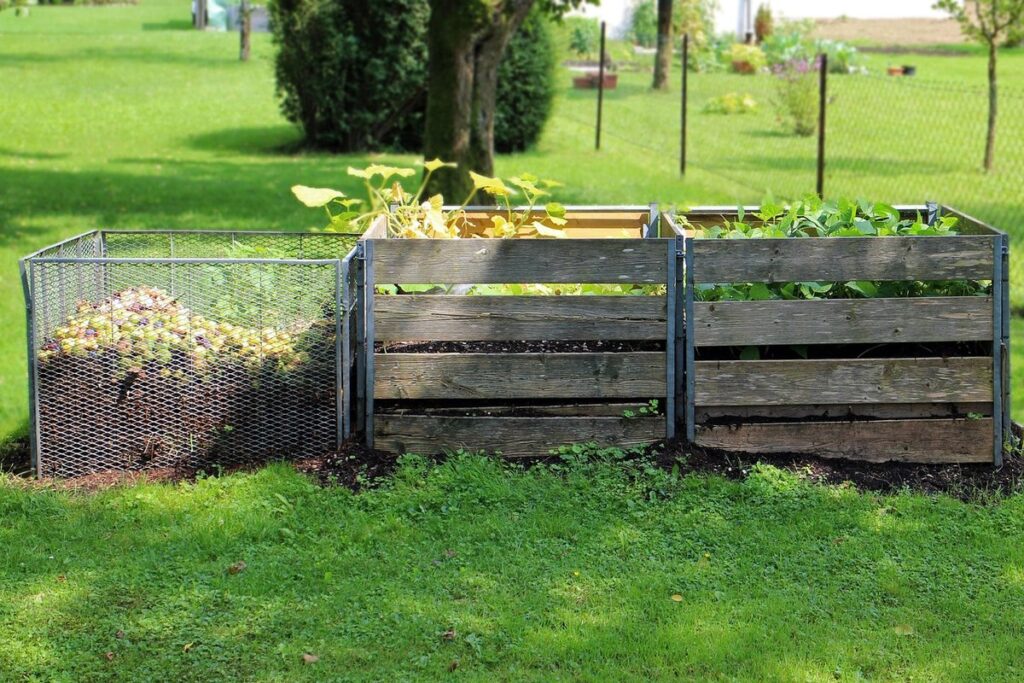
Benefits of Composting Garden Waste in Trenches
Composting garden waste in trenches offers numerous benefits, including improved soil structure and increased water retention. Let’s explore these advantages up close.
Reducing Waste and Carbon Footprint
Composting garden waste in trenches not only enriches the soil but also has a profound impact on the environment. One of the most significant benefits is the reduction of waste sent to landfills. When you compost garden waste, you’re diverting organic materials that would otherwise contribute to the growing problem of landfill waste. According to the Environmental Protection Agency (EPA), food waste alone accounts for about 21% of municipal solid waste in the United States.
By composting your garden waste, you’re also saving valuable space in landfills and minimizing the production of methane, a potent greenhouse gas that’s released as organic materials break down in anaerobic conditions. In fact, reducing landfill waste by just 10% can decrease greenhouse gas emissions by up to 2%. Furthermore, composting helps to sequester carbon in the soil, which can have a long-term positive impact on the climate.
As you establish your trench composting system, consider implementing strategies to maximize its environmental benefits. For example, aim to compost at least 50% of your garden waste to make a significant dent in your landfill contribution. You can also incorporate other organic materials like kitchen scraps and shredded leaves to further reduce your waste output.
Improving Soil Health with Nutrient-Rich Compost
When you’re composting garden waste in trenches, incorporating nutrient-rich compost into your soil is essential for optimal plant growth. By adding compost to your soil, you can significantly improve its structure and fertility, creating a healthy environment for plants to thrive.
Compost acts as a natural amendment that enhances the soil’s water-holding capacity, making it more resilient to droughts and better equipped to retain nutrients. The high concentration of organic matter in compost also supports beneficial microbial activity, which is crucial for breaking down complex compounds into essential plant nutrients. This process not only increases fertility but also promotes efficient nutrient uptake by plants.
To reap the benefits of compost, mix 2-3 inches of it into the top 6-8 inches of soil before planting. Alternatively, you can side-dress with a thin layer of compost around the base of your plants to provide an immediate boost of nutrients. A 5% increase in compost content has been shown to increase crop yields by up to 20%. This investment in nutrient-rich compost will pay off as it continues to improve soil health over time, reducing the need for synthetic fertilizers and other chemicals.
Preparing Your Trench for Composting
Before you start adding your garden waste, take some time to prepare your trench by excavating it and laying a base layer of organic matter. This will help ensure a smooth composting process.
Selecting the Right Location for Your Composting Trench
When selecting the right location for your composting trench, there are several key factors to consider. First and foremost, think about sunlight exposure. A spot that receives direct sunlight can help speed up the decomposition process, but be mindful of intense sun rays that might dry out the pile. Aim for partial shade or a location with morning sun and afternoon shade.
Drainage is another critical consideration. You want the area to slope slightly, allowing excess water to flow away from the trench. This will prevent anaerobic conditions, which can lead to unpleasant odors and hinder decomposition. Make sure the site isn’t prone to waterlogging or flooding, as this can be detrimental to your composting process.
Accessibility is also essential, as you’ll need to regularly turn and maintain your compost pile. Choose a location that’s easily accessible from a garden bed or nearby path. Avoid areas with poor foot traffic or those surrounded by dense vegetation, which may make it difficult to manage the trench.
Preparing the Site: Clearing and Digging
Before you start composting garden waste in trenches, it’s essential to prepare the site properly. Clearing debris and leveling the ground will ensure a smooth and efficient composting process.
First, inspect the area where you plan to dig the trench. Remove any large rocks, twigs, or other obstructions that could interfere with your work or cause damage to your equipment. You can use a rake or a broom to collect loose debris and set it aside for later disposal.
Next, level the ground as much as possible to create an even surface. This will make it easier to dig the trench and ensure that the composting process happens uniformly. If you have a significant slope, consider building a retaining wall to prevent soil erosion.
Now it’s time to dig the trench. Use a shovel or a backhoe to excavate a trench about 3-4 feet deep and 1-2 feet wide. Make sure the bottom of the trench is level and even, as this will be where you’ll place your composting materials. As you dig, consider installing a drainage system to prevent water accumulation in the trench, which can lead to unpleasant odors and slow down the composting process.
Collecting and Processing Garden Waste
Now that you’ve set up your trench, it’s time to think about how to collect and process the garden waste, ensuring a healthy supply of nutrient-rich compost. This section will guide you through those crucial steps.
What Can Be Composted?
When it comes to composting garden waste in trenches, it’s essential to know what materials can be included in the process. The good news is that many common garden waste items can be composted, reducing waste and creating a nutrient-rich soil amendment for your garden.
Leaves, for example, are an excellent addition to your trench compost pile. They’re high in carbon and will help balance out the nitrogen levels from other materials like food scraps and grass clippings. Branches and twigs can also be added, but it’s best to chop them into smaller pieces first to increase their surface area.
Flowers, weeds, and vegetable scraps are all fair game for composting as well. In fact, these types of materials are rich in nitrogen, making them an excellent complement to the carbon-rich leaves and branches. Even household trimmings like hair clippings and shredded paper can be included, provided they’re not contaminated with chemicals or other pollutants.
When adding any new materials to your trench compost pile, make sure to maintain a balance between “green” (nitrogen-rich) and “brown” (carbon-rich) materials. Aim for a mix of 2/3 brown materials and 1/3 green materials for optimal composting results.
Shredding and Chopping Materials for Optimal Decomposition
When collecting and processing garden waste for trench composting, it’s essential to break down large items into smaller pieces. This process is known as shredding and chopping, and it plays a crucial role in optimal decomposition.
By increasing the surface area of materials, you allow microorganisms like bacteria and fungi to easily access nutrients and break them down efficiently. For example, imagine trying to compost a thick branch intact – it would take years for decomposition to occur, if ever. In contrast, chopping that same branch into smaller pieces exposes more surface area, allowing microorganisms to work their magic in just weeks or months.
To shred and chop your garden waste effectively, consider the following tips:
• Use a lawn mower or chipper-shredder to break down leaves, branches, and other large items.
• Cut weeds with disease-resistant plants like comfrey or borage to prevent spreading diseases.
• Chop kitchen scraps, such as fruit and vegetable peels, into smaller pieces before adding them to your trench compost.
By following these tips, you’ll create an ideal environment for decomposition, ensuring that your garden waste is transformed into nutrient-rich compost in no time.
Managing Compost Pile Moisture and Temperature
Achieving a balance between moisture and temperature is crucial for effective decomposition, so let’s dive into how to manage your compost pile’s humidity levels.
Monitoring Temperature: When Is It Too Hot?
Monitoring temperature is crucial when composting garden waste in trenches. High temperatures can accelerate decomposition, but excessive heat can also be detrimental to the process. The ideal temperature range for composting is between 130°F and 140°F (54°C to 60°C). Temperatures above 160°F (71°C) can lead to a phenomenon known as “carbonization,” where the compost piles burn and lose their nutrient-rich properties.
If your compost pile reaches temperatures of over 170°F (77°C), it’s essential to take corrective action. Reduce the carbon-to-nitrogen ratio by adding more green materials, such as food scraps or grass clippings, to balance out the heat. You can also turn the pile to increase oxygen flow and speed up cooling. In severe cases of excessive heat, consider moving the compost pile to a shaded area or providing additional water to lower temperatures.
Keep in mind that different types of organic materials have varying optimal temperature ranges. For example, food scraps tend to break down faster at higher temperatures than leafy greens or branches. Regular monitoring will help you identify any potential issues and make adjustments as needed to maintain a healthy composting process.
Maintaining Adequate Moisture Levels in Your Compost
Maintaining adequate moisture levels is crucial for efficient composting. You’ll want to aim for a mix that’s neither too wet nor too dry. The optimal range is between 40-60% moisture content, which will allow microorganisms to thrive without creating anaerobic conditions.
Signs of over-drying include a dry, crumbling texture and a strong earthy smell. Conversely, under-drying can be identified by the presence of mold or an overpowering odor. To maintain a healthy balance, add water when your compost pile feels too dry, but avoid overwatering, which can lead to anaerobic conditions.
Regularly inspect your trench compost for signs of moisture imbalance. If it’s looking parched, give it 1-2 gallons of water per day. Conversely, if the surface appears damp or squelching, hold off on watering until the top layer feels dry to the touch.
Turning and Aeration Techniques for Efficient Decomposition
To speed up decomposition, it’s essential to regularly turn and aerate your compost pile, ensuring oxygen reaches all organic matter. This simple yet crucial process will get you better results in a shorter time.
Frequency and Techniques for Turning the Compost Pile
When it comes to turning and aerating the compost pile, regular maintenance is crucial for efficient decomposition. The frequency of turning depends on several factors, including the size of the trench, the amount of organic waste added, and the climate.
As a general rule of thumb, turn your compost pile every 7-10 days during the initial stages, which typically lasts for the first 4-6 weeks. This frequency allows for adequate oxygen flow and moisture levels to facilitate decomposition. However, as the pile matures, you can gradually reduce the turning interval to once or twice a month.
When it comes to turning techniques, there are two primary methods: manual and mechanical. Manual turning involves using shovels or pitchforks to gently mix the compost pile, while mechanical turning uses specialized equipment like rotating trommel screens or augers. Both methods have their advantages; manual turning is more accessible for smaller trenches, whereas mechanical turning is better suited for larger operations.
Enhancing Oxygen Flow with Aeration Tools or Manual Methods
To speed up decomposition and prevent anaerobic conditions from developing in your compost trench, it’s essential to enhance oxygen flow. This can be achieved through the use of aeration tools or manual methods.
One popular method is using a garden fork to gently turn over the compost pile. This introduces oxygen-rich air into the mix while also redistributing the materials evenly. However, be careful not to compact the pile during the turning process. It’s recommended to turn your compost every 7-10 days to ensure optimal decomposition.
Another technique involves using an aerating tool specifically designed for composting. These tools typically feature a series of spikes or tines that help break up clumps and improve air circulation within the pile. Some gardeners also swear by using a pitchfork to manually turn their compost, though be cautious not to damage any nearby plants.
A well-oxygenated compost pile will not only speed up decomposition but also minimize odors and prevent pests from taking hold. Regular turning and aeration ensure that your compost remains healthy and free of anaerobic conditions.
Harvesting and Using Your Finished Compost
Now that your compost is finished, it’s time to reap the rewards! Learn how to harvest and use your nutrient-rich compost in ways that will supercharge your garden.
Identifying When Your Compost Is Ready for Use
Now that your compost is maturing in the trench, it’s essential to identify when it’s ready for use. This can be determined by observing its appearance, texture, and smell.
Finished compost typically has a rich, earthy aroma due to the breakdown of organic matter. It should have an earthy or loamy scent, but avoid anything pungent or sour-smelling, as this could indicate inadequate carbon-to-nitrogen ratios or contamination from weed seeds or pests.
The texture of finished compost is often crumbly and can range in color from dark brown to light tan. Look for a uniform consistency throughout the pile, with no visible signs of dryness or moisture. When you gently squeeze a handful of compost, it should stick together but not form a solid ball.
Regularly turn your compost and monitor its progress by checking these criteria every few weeks until you’re satisfied that it’s ready to be used in your garden. Keep in mind that different types of materials can influence the final product’s appearance and texture; however, these signs are generally reliable indicators that your compost is mature and suitable for use.
Incorporating Compost into Your Garden: Tips and Precautions
When incorporating compost into your garden, it’s essential to follow some best practices and guidelines to ensure safe and effective use. Start by applying a 2-3 inch layer of finished compost over the soil surface. This will not only provide nutrients but also help retain moisture.
As you spread the compost, avoid mixing it too deeply as this can lead to over-aeration and nutrient loss. Instead, maintain a shallow depth, allowing the microorganisms in the compost to work their way into the surrounding soil gradually. For optimal results, apply 1-2 inches of compost per week during the growing season.
When choosing where to place the compost, select areas with poor soil quality or where plants are struggling due to nutrient deficiencies. You can also use it as a mulch around trees and shrubs or mix it into potting mixes for indoor gardens.
Frequently Asked Questions
What are some common mistakes to avoid when trench composting?
When implementing a trench composting system, it’s essential to avoid common pitfalls that can hinder the process. These include overcrowding the trench with too much material, failing to maintain adequate moisture levels, and neglecting to turn or aerate the pile regularly. Regular monitoring of temperature and moisture will help prevent these issues.
How often should I add new materials to the compost trench?
New materials can be added to the compost trench as frequently as needed, but it’s essential to balance this with regular turning and aeration to ensure optimal decomposition. Aim for a consistent flow of materials, adding them in 2-3 inch layers, allowing each layer to break down before adding more.
Can I use weeds with seeds in the compost trench?
Yes, weeds with seeds can be added to the compost trench, but it’s crucial to understand that these will eventually sprout and potentially spread. To minimize this risk, ensure you chop or shred the weeds thoroughly and bury them deep within the trench. This will help control their growth and prevent seed dispersal.
How do I maintain moisture levels in my compost pile during hot summer months?
Maintaining adequate moisture levels in your compost pile is crucial, especially during hot summer months. To achieve this, ensure you keep a consistent water supply nearby and spray or sprinkle water over the pile as needed to maintain a damp, but not soggy, consistency.
What should I do if my compost trench becomes too smelly?
If your compost trench becomes too smelly, it may indicate an imbalance in carbon-to-nitrogen ratios. To rectify this, adjust the proportion of green (nitrogen-rich) to brown (carbon-rich) materials and add more brown materials to balance out the mix. Regular aeration and turning will also help mitigate odors.