
Are you tired of throwing away your kitchen scraps without knowing their true value? Composting eggshells is a simple yet effective way to reduce food waste, minimize environmental impact, and create nutrient-rich soil for your garden. Did you know that eggshells are an excellent source of calcium, phosphorus, and other essential nutrients that can significantly improve soil health?
In this article, we’ll explore the benefits of composting eggshells and provide a step-by-step guide on how to do it correctly. We’ll cover topics such as why kitchen waste should not be sent to landfills, how to balance your compost pile for optimal results, and some creative ways to reuse your finished compost. By learning how to compost eggshells, you’ll not only reduce your household waste but also create a nutrient-rich soil amendment that will take your garden to the next level.
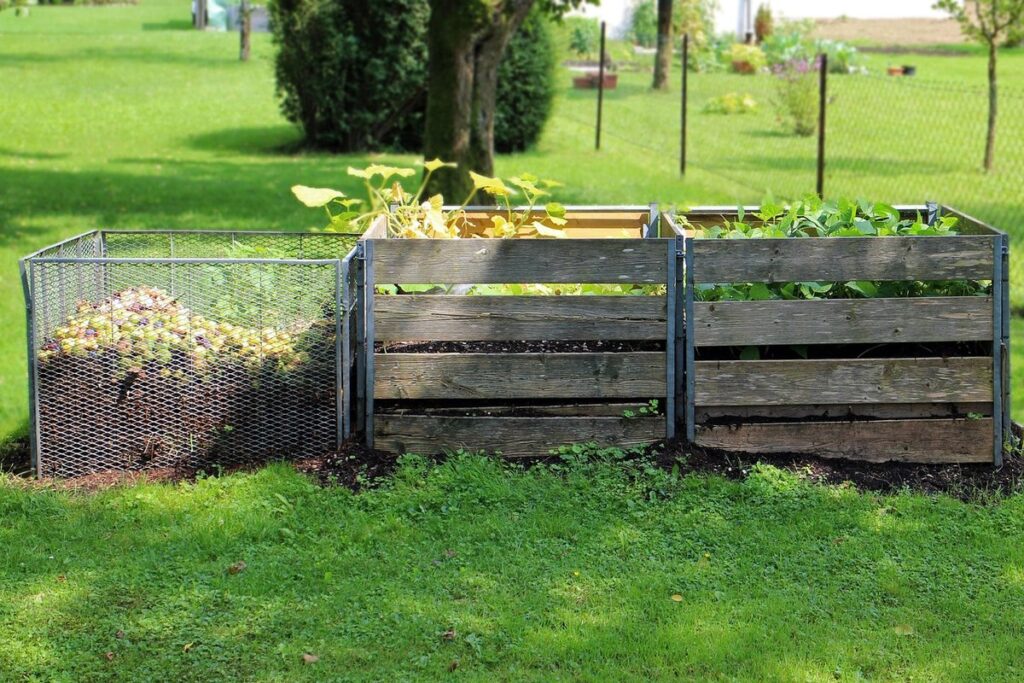
Benefits and Importance of Composting Eggshells
Composting eggshells may seem like a small gesture, but it offers numerous benefits for your garden’s health and overall ecosystem. Let’s dive into the importance of incorporating crushed eggshells into your compost pile.
Nutrient-Rich Soil Amendment
Composting eggshells is an excellent way to create nutrient-rich soil amendments for your garden. One of the primary benefits of adding eggshells to your compost pile is their high calcium content. Calcium is essential for plant growth, promoting healthy cell walls and contributing to overall plant vigor.
When mixed into the soil, calcium from eggshells can also improve its structure. It helps break down clay particles, making it easier for water to penetrate and air to circulate through the soil. This, in turn, reduces soil compaction and promotes root growth.
To incorporate eggshells into your compost pile effectively, aim to add a ratio of 1:10 shells to “green” materials like kitchen scraps or grass clippings. As the mixture breaks down, the calcium will be released, making it available for plants to absorb.
Consider adding crushed eggshells directly to planting holes when transplanting seedlings. This provides an immediate boost of calcium, which can help establish a strong root system and promote healthy growth.
Reducing Food Waste and Environmental Impact
Composting eggshells is not only beneficial for creating nutrient-rich soil, but it also plays a significant role in reducing food waste and minimizing its environmental impact. According to the United States Environmental Protection Agency (EPA), food waste accounts for about 30-40% of the municipal solid waste stream in this country.
By incorporating eggshell composting into your routine, you’re utilizing what would otherwise be discarded as kitchen waste. Eggshells are rich in calcium carbonate, which can help to neutralize soil pH and provide essential nutrients for plants. When added to your compost pile, they also attract worms, improve aeration, and aid in decomposition.
One simple way to make the most of eggshell composting is to crush them before adding them to your compost. This increases their surface area, allowing them to break down more efficiently and reducing the risk of any sharp fragments causing problems in the soil. To minimize environmental impact, aim to collect a large quantity of eggshells at once – perhaps from an Easter celebration or a week’s worth of omelet production – and then add them to your compost pile as one unit. This approach not only reduces waste but also promotes efficient decomposition.
How to Collect and Prepare Eggshells for Composting
Now that you’ve collected your eggshells, it’s time to prepare them for composting. This step is crucial in breaking down the shells into nutrient-rich goodness for your garden.
Cleaning and De-Greasing Eggshells
Before adding eggshells to your compost pile, it’s essential to clean and de-grease them. You might be wondering why this step is crucial – but think about it: you don’t want any remaining yolk or egg white residue attracting pests or creating unpleasant odors in your compost.
To remove excess residue from eggshells, mix equal parts of water and white vinegar in a bowl. Add the eggshells to the solution, making sure they’re fully submerged. Let them soak for about 10-15 minutes – this will help loosen any stuck-on bits. After soaking, gently scrub the shells with a soft-bristled brush or your fingers to remove any remaining residue.
Alternatively, you can use soap and water as an effective substitute. Mix a tablespoon of mild dish soap with one cup of warm water, then submerge the eggshells in the solution for about 10-15 minutes. Rinse them thoroughly afterward to avoid leaving any soapy residues behind.
By taking this extra step, you’ll ensure your compost remains healthy and pest-free.
Crushing and Shredding Eggshells
Crushing or shredding eggshells is an essential step in preparing them for composting. When you crush or shred eggshells, they break down faster in the compost pile due to their increased surface area. This allows microorganisms to easily access and digest the calcium-rich shells, accelerating the decomposition process.
By reducing the size of eggshells, you also make it easier to mix them with other materials in your compost pile. Large eggshell fragments can be difficult to blend with soil or other organic matter, which may lead to uneven distribution and slow down the composting process.
To crush or shred eggshells effectively, use a mortar and pestle, coffee grinder, or blender. Be cautious when using a blender as it can generate a lot of heat, potentially killing beneficial microorganisms. A food processor or mill is another option for crushing eggshells. Crush them into small pieces, around 1/4 inch in size, to ensure they break down efficiently.
Remember, crushed or shredded eggshells will also help deter pests and attract beneficial insects to your compost pile.
Composting Methods: How to Add Eggshells to Your Pile
Adding eggshells to your compost pile can be a bit tricky, so let’s dive into how to incorporate them successfully and make the most of their nutritional benefits.
Hot Composting Method
When using the hot composting method, you’ll want to create a balanced mix of green and brown materials. This balance is crucial for optimal breakdown and efficient decomposition. Green materials, such as food scraps, grass clippings, and fresh eggshells (added later), provide nitrogen-rich nutrients that help fuel the process. Brown materials, like dried leaves, straw, or shredded newspaper, offer carbon-rich components that aid in stabilization.
To create your hot composting pile, start by layering 4-6 inches of brown material at the bottom. Add a 2-3 inch layer of green material on top, followed by another 2-3 inches of brown material. This alternating pattern will help maintain the necessary carbon-to-nitrogen ratio.
When to add eggshells? Typically, it’s best to incorporate them into your hot composting pile when you’ve achieved a good balance of green and brown materials. Aim for a mix that contains at least 25% green materials and 75% brown materials. Add a handful or two of crushed eggshells during this phase, usually around the middle layer of your pile. This allows them to break down alongside other organic matter, releasing their calcium-rich goodness into the compost.
Cold Composting Method
Cold composting is a straightforward and low-maintenance method for adding eggshells to your compost pile. It’s ideal for gardeners with limited space or time to monitor their compost regularly. To start, create a 3-4 inch layer of brown materials like dried leaves, straw, or shredded newspaper at the bottom of your bin or pile.
Next, add a smaller layer (about an inch) of green materials such as kitchen scraps, grass clippings, or manure. Now it’s time to incorporate eggshells – simply sprinkle them throughout the pile, aiming for 1-2 cups per week. This balance of brown and green matter allows for slow decomposition without creating odors or attracting pests.
As you continue adding layers, remember to keep a mix of “green” and “brown” materials balanced within your pile. Brown materials provide carbon, while green materials offer nitrogen – the perfect combination for breaking down eggshells efficiently. By following this simple layering process, you can successfully compost eggshells using the cold composting method without compromising the health of your garden.
Troubleshooting Common Issues with Composting Eggshells
Don’t worry if you’re running into problems while composting eggshells – we’ve got solutions to common issues that’ll get your pile back on track. Let’s tackle those pesky problems together!
Handling Odors and Pest Infestations
When composting eggshells, it’s not uncommon for unpleasant odors to arise due to their high calcium content and potential for attracting pests. To mitigate these issues, balance the pH levels of your compost by incorporating carbon-rich materials such as coconut coir or peat moss. These materials will absorb excess moisture and help neutralize acidic compounds released by eggshells.
In addition to using carbon-rich materials, maintaining adequate aeration in your compost pile is crucial. Ensure that you regularly turn the pile, allowing oxygen to penetrate and facilitating decomposition. This simple step can significantly reduce odor production and prevent pest infestations.
Regularly monitoring your compost’s moisture levels is also essential. If it becomes too wet, odors will intensify, while dry conditions can lead to pests seeking refuge in the pile. A general rule of thumb is to maintain a mix that resembles damp soil, not soggy or dry.
To minimize pest infestations specifically targeting eggshells, keep an eye out for signs like small holes or shredded material and address any issues promptly. Regularly inspect your compost pile and separate unwanted materials before they spread to the rest of the pile.
Managing High Calcium Levels in Soil
When you’re composting eggshells, it’s not uncommon to end up with high calcium levels in your soil. This can be particularly problematic if you’re adding a large quantity of crushed eggshells to your compost pile or using them as a mulch. High calcium levels can lead to an overly alkaline soil pH, which can be detrimental to certain plant species.
To mitigate the effects of excessive calcium, start by monitoring your soil pH regularly. If it’s consistently registering above 7.0, consider implementing measures to balance out the calcium levels. One solution is to incorporate more acidic materials into your compost pile, such as peat moss or pine needles. You can also try introducing more nitrogen-rich ingredients like coffee grounds or manure to counteract the alkalinity.
It’s essential to maintain a balanced ratio of ‘NPK’ (nitrogen, phosphorus, and potassium) in your soil to support optimal plant growth. If you’re adding large amounts of crushed eggshells to your compost pile, make sure to balance this with other materials that contribute to these essential nutrients. By being mindful of the calcium levels in your soil and taking steps to correct any imbalances, you can ensure a healthy environment for your plants to thrive.
Tips and Variations: Using Eggshells in Compost Tea or as a Natural Pest Repellent
You can also repurpose eggshells in other creative ways, like infusing them into compost tea or using them as a natural pest repellent for your garden. Let’s explore these ideas further.
Making Eggshell-Infused Compost Tea
Making eggshell-infused compost tea is a game-changer for gardeners who want to give their plants an extra boost of nutrients. This liquid fertilizer is made by steeping crushed eggshells in water, which releases calcium and other minerals that are essential for plant growth.
To make eggshell-infused compost tea, start by crushing 1-2 cups of clean, dry eggshells into a fine powder using a mortar and pestle or a coffee grinder. Transfer the powdered eggshells to a bucket or container with a lid, and add 5-10 gallons of water. Stir well to ensure the eggshells are fully submerged.
Allow the mixture to steep for 24-48 hours, shaking the bucket occasionally to prevent settling. The resulting liquid will be rich in calcium, magnesium, and other micronutrients that promote healthy plant growth and soil structure. You can use this tea as a foliar spray or add it to your compost pile to create a nutrient-rich amendment.
This method of composting eggshells is not only eco-friendly but also cost-effective. By reusing waste materials from your kitchen, you’ll reduce the amount of waste sent to landfills and create a valuable resource for your garden.
Using Crushed Eggshells as a Natural Pest Repellent
Crushed eggshells can be a highly effective natural pest repellent for gardens plagued by slugs, snails, and nematodes. These pests are notorious for causing significant damage to plants, but there’s good news: you can use crushed eggshells as a deterrent without harming the environment.
To get started, collect used eggshells and crush them into fine particles using a mortar and pestle or a food processor. Sprinkle this mixture around the base of your plants, particularly in areas where pests are most active. The sharp edges of the crushed shells will deter slugs and snails from crossing over into your garden.
You can also use crushed eggshells to repel nematodes, microscopic worms that feed on plant roots. Mix 1-2 tablespoons of crushed eggshells with water to create a paste, then apply it directly to the affected area. This will help prevent further infestation and promote healthy root growth.
Remember, crushed eggshells are most effective when used in combination with other natural pest control methods, such as introducing beneficial insects or using physical barriers.
FAQs: Frequently Asked Questions About Composting Eggshells
You’ve got questions about composting eggshells, and we’ve got answers! Below, we’ll address some of the most common queries people have when it comes to incorporating eggshell scraps into their compost piles.
Common Myths and Misconceptions
Composting eggshells is often surrounded by misconceptions and myths. Let’s set the record straight: eggshells are a valuable addition to your compost pile, and they won’t attract rodents or create a slippery surface in garden beds.
One common myth is that adding eggshells to your compost will attract unwanted critters like mice or rats. However, this simply isn’t true. When you mix crushed eggshells into your compost, the calcium content helps break down organic matter and creates an environment inhospitable to pests. In fact, many gardeners use eggshell mulch as a natural deterrent for slugs and snails.
Another misconception is that eggshells will make garden beds slippery when they’re added to the soil. While it’s true that crushed eggshells can make pathways slippery if you walk on them wet, this issue can be easily mitigated by mixing in larger amounts of carbon-rich materials like shredded leaves or coconut coir. With proper balance and blending, your compost pile will be pest-free and safe for garden use.
Best Practices for Compost Pile Maintenance
Regular maintenance is crucial for a thriving compost pile. Turning your compost regularly helps to speed up the decomposition process and prevents the growth of pests and odors. Aim to turn your compost every 7-10 days, using a shovel or pitchfork to gently mix the contents.
When it comes to adding new materials, balance is key. Add equal amounts of “green” (nitrogen-rich) materials like food scraps and eggshells, with “brown” (carbon-rich) materials like dried leaves and shredded newspaper. Aim for a mix that’s roughly 2/3 brown materials and 1/3 green materials.
Keep an eye on moisture levels – your compost should be kept damp, but not soggy. If you notice it getting too dry, add some water; if it’s too wet, let it sit for a day or two to allow excess liquid to evaporate. Regularly monitoring these factors will help create a healthy and balanced compost pile that’s perfect for using in your garden. By following these simple guidelines, you’ll be well on your way to creating nutrient-rich compost from your eggshells and other household scraps.
Frequently Asked Questions
Can I add eggshells to an existing compost pile, or do I need to start a new one?
Yes, you can definitely add eggshells to an existing compost pile, but make sure to mix them well with the other materials. Eggshells can help balance out excess moisture and create a stable carbon-to-nitrogen ratio.
How long does it take for crushed eggshells to break down in a compost pile?
Crushed eggshells typically break down within 1-3 months, depending on factors like temperature, moisture, and the overall carbon-to-nitrogen balance of your compost pile. Be patient and monitor your pile’s progress.
Can I use eggshells if I have a lot of pet birds or other animals in my household?
If you live with pets that produce high amounts of waste, it’s best to avoid using their droppings directly in your compost pile. However, you can still crush and add eggshells as long as they’re clean and free from contaminants.
Will adding too many eggshells create an imbalance in my soil pH?
No, crushed eggshells are generally neutral (pH 7) and won’t significantly affect your soil’s pH level. In fact, the high calcium content can even help buffer against acidity if present in small amounts. Just be mindful of excessive quantities.
Can I use a dehydrator or oven to dry out my eggshells for composting?
Yes, you can definitely use a dehydrator or low-temperature oven (150°F – 200°F) to dry and kill any bacteria on your eggshells before adding them to the compost pile. This helps minimize odors and speeds up the decomposition process.