
Composting is one of those gardening hacks that sounds too good to be true. You toss some food scraps, yard waste, and maybe even some old coffee grounds into a pile, and voilà – you’ve got nutrient-rich soil for your garden! But in reality, composting can be tricky to master. That’s why we’re breaking down the dos and don’ts of composting, covering everything from debunking common misconceptions to troubleshooting those pesky problems that arise when things go wrong. Our comprehensive guide will walk you through the benefits of composting – from reducing waste and conserving water to improving soil structure – as well as how to choose the right bin for your needs. Whether you’re a seasoned gardener or just starting out, this article is packed with tips and tricks to help you get your composting game on track.
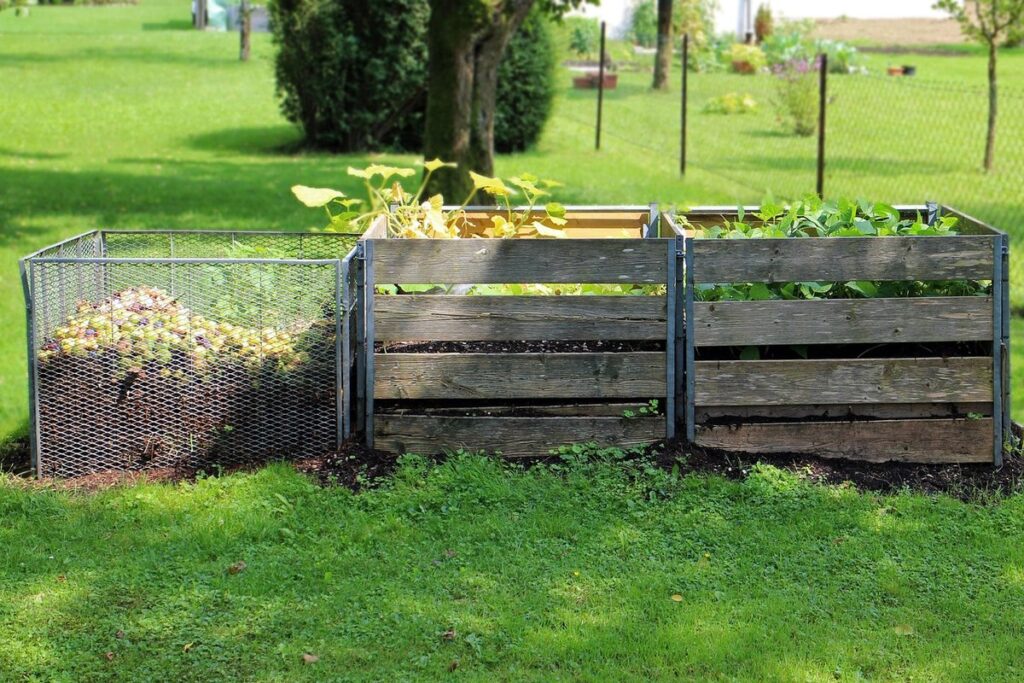
What is Composting?
Composting is a natural process that breaks down organic materials into a nutrient-rich soil amendment, but what exactly does it entail and how can you do it right. Let’s dive in!
Benefits of Composting
Composting is an essential practice that offers numerous benefits for our planet and gardens. One of the most significant advantages of composting is its ability to reduce waste sent to landfills. By turning food scraps, yard trimmings, and other organic materials into a nutrient-rich soil amendment, we can minimize the amount of waste ending up in landfills. According to the US Environmental Protection Agency (EPA), if every household in the United States composted, it would be equivalent to taking 12 million cars off the road.
Composting also plays a crucial role in conserving water. By improving soil structure and increasing its water-holding capacity, compost helps plants absorb water more efficiently, reducing the need for frequent watering. In fact, a study by the University of California found that using compost can reduce irrigation needs by up to 30%. Furthermore, compost enhances soil health by introducing beneficial microorganisms, which aid in breaking down organic matter and making nutrients available to plants.
To reap these benefits, make sure to incorporate composting into your gardening routine. Start by setting up a designated compost bin or pile, adding a mix of green (food scraps) and brown (yard trimmings) materials, and maintaining regular turning and monitoring of the compost process. With time and practice, you’ll be amazed at the positive impact composting can have on both your garden’s health and the environment.
Common Misconceptions about Composting
Many people are deterred from composting due to misconceptions about its process and benefits. One common myth is that composting requires a lot of space and equipment. However, this isn’t necessarily true. You can start composting even with limited space by using techniques like vermicomposting (composting with worms) or bokashi composting (a type of indoor composting).
Another misconception is that composting creates unpleasant odors or attracts pests. While it’s true that compost piles can sometimes have an odor, this can be minimized by maintaining a balance of “green” (nitrogen-rich) and “brown” (carbon-rich) materials, ensuring adequate airflow, and regularly turning the pile.
Some people also assume that composting is too complicated to manage on their own. However, there are many easy-to-use compost bins and systems available that make it simple to create nutrient-rich soil for your garden. With a little practice and patience, you can overcome these common misconceptions and start reaping the benefits of composting for yourself.
Choosing the Right Compost Bin
When it comes to setting up your composting system, choosing the right bin is crucial for effective decomposition and minimizing pests and odors. Selecting a suitable bin will help you get started on the right foot.
Types of Compost Bins
When it comes to choosing a compost bin, you have several options to consider. The type of compost bin you select will depend on your available space, the size of your composting project, and personal preferences.
Outdoor compost bins are ideal for larger households or those who want to create a significant amount of compost. They typically range from 7 to 14 cubic feet in capacity and can be made of plastic, metal, or wood. Some popular outdoor bin designs include tumblers, which allow easy turning of the compost pile, and wheelbarrow-style bins, which are easy to move around.
Indoor compost bins, on the other hand, are perfect for small kitchens, apartments, or urban dwellers who want to compost but lack outdoor space. These compact bins usually range from 1 to 3 cubic feet in capacity and come with features like odor control, ventilation systems, and decorative designs.
Worm composting bins, also known as vermicomposting, are designed specifically for indoor use and involve raising red wiggler worms on a diet of food scraps. These bins are ideal for small-scale composting and can be used in offices or homes with limited space.
Factors to Consider When Selecting a Compost Bin
When it comes to selecting a compost bin, there are several factors to consider. The size of the bin is one crucial aspect to think about. A larger bin may be more convenient for households with multiple family members or those who generate a lot of organic waste, but it may also take up more space in your backyard.
Material is another important consideration. Compost bins can be made from various materials such as plastic, metal, wood, and recycled materials. Plastic bins are often lightweight and easy to move around, while wooden bins offer a natural aesthetic appeal. Recycled material bins, on the other hand, are an eco-friendly option that aligns with the principles of composting.
Cost is also a significant factor to consider. Compost bins can range from inexpensive wire mesh containers to high-end electronic composters. While it’s tempting to go for the cheapest option, keep in mind that a more affordable bin may not provide the same level of performance and durability as a higher-priced one.
Finally, ease of use is an essential aspect to think about. Look for bins with features such as easy-access doors, adjustable airflow systems, and built-in carbon-to-nitrogen ratio monitors. These features can make the composting process much more efficient and convenient.
Setting Up Your Composting System
Before you start composting, it’s essential to set up a system that works for you and your space. Here’s how to create a functional and effective composting setup at home.
Preparing the Right Environment for Composting
Creating an ideal environment for composting is crucial to ensure that microorganisms thrive and efficiently break down organic matter. Aeration is essential; it allows oxygen to enter the pile while also removing carbon dioxide, heat, and moisture. To achieve adequate aeration, turn your compost regularly, ideally every 7-10 days. This can be done using a pitchfork or shovel.
Maintaining optimal moisture levels is equally important. The ideal moisture level for composting is when it feels like a damp sponge. Excessive dryness slows down the process, while too much water leads to anaerobic conditions and unpleasant odors. Check the moisture levels by squeezing a handful of compost; if it crumbles easily, it’s ready.
A balanced carbon-to-nitrogen (C:N) ratio is also vital for efficient decomposition. Aim for a mix of 2/3 “brown” materials (high in carbon) and 1/3 “green” materials (rich in nitrogen). Brown materials include dried leaves, straw, or shredded newspaper, while green materials include food scraps, grass clippings, or manure. Monitor the C:N ratio by observing the pile’s temperature; if it gets too hot (above 160°F), it may be due to an imbalance.
By controlling aeration, moisture levels, and the C:N ratio, you’ll create an environment that supports efficient composting. This balance is key to producing high-quality compost that’s rich in nutrients for your garden.
Adding Brown and Green Materials
When it comes to creating a balanced compost pile, understanding the role of brown and green materials is crucial. Brown materials, such as dried leaves or straw, provide carbon-rich ingredients that help speed up the decomposition process. These materials are high in carbon and low in nitrogen, making them ideal for balancing out the “green” materials.
On the other hand, green materials like food scraps, grass clippings, and fresh leaves are rich in nitrogen and contain a lot of moisture. They tend to break down quickly but can be prone to attracting pests if not managed correctly. A mix of 2/3 brown materials and 1/3 green materials will create an optimal carbon-to-nitrogen ratio.
For example, you can add dry leaves or straw as the base layer in your compost bin, followed by layers of grass clippings, food scraps, and more brown materials on top. By alternating between these two types of materials, you’ll be able to control odor, speed up decomposition, and produce high-quality compost that’s perfect for your garden.
To ensure a balanced mix, aim to add the following amounts of each material:
* 2/3 carbon-rich brown materials (e.g., dried leaves, straw)
* 1/3 nitrogen-rich green materials (e.g., food scraps, grass clippings)
Remember to maintain a mix of both types to create an optimal compost pile that’s conducive to decomposition and nutrient production.
Do’s of Composting
Let’s dive into the do’s of composting, where we’ll share essential tips and best practices to help you create rich, nutrient-dense soil for your garden. You’ll learn what really works!
How to Add Food Scraps to Your Compost
When adding food scraps to your compost pile, it’s essential to do so safely and effectively. Start by separating “green” materials like fruit and vegetable peels, tea bags, and coffee grounds from “brown” materials such as eggshells, bread, and shredded newspaper.
To add cooking oils to your compost, mix them with an equal amount of brown materials or bury them in the pile. This will prevent any potential fires that can occur when oil comes into contact with high temperatures. On the other hand, you can simply crush eggshells and add them directly to the compost, providing a calcium boost for your plants.
When adding bread and grains, tear them into small pieces before mixing them into the compost pile. This will allow for faster decomposition and prevent any mold or fungus growth. Remember to balance your green and brown materials regularly, aiming for a mix of 2/3 “brown” materials and 1/3 “green” materials.
This balance will ensure that your compost piles stays healthy, reducing odors and preventing pests from being attracted to the area.
Managing Odors and Pests
When managing odors and pests in compost piles, it’s essential to strike a balance between creating an environment that supports beneficial microorganisms and minimizing issues that can arise. A common problem associated with composting is the buildup of unpleasant odors, which can attract pests like rodents, flies, and ants.
To control odors, ensure your compost pile has adequate aeration by turning it regularly or using a pitchfork to gently aerate. This helps speed up decomposition and reduces the likelihood of anaerobic conditions that produce strong smells. Adding a mix of “green” materials (e.g., food scraps, grass clippings) with “brown” materials (e.g., dried leaves, shredded newspaper) can also help balance out moisture levels and pH.
Regularly monitoring your compost pile’s temperature is another key step in managing odors. Temperatures above 160°F (71°C) typically indicate that the pile has reached a killing zone for pathogens and weed seeds, minimizing odor-causing issues.
Don’ts of Composting
When it comes to composting, it’s just as important to know what not to do as it is to know what to do. Let’s dive into some common mistakes to avoid in your compost pile.
What Not to Add to Your Compost
When it comes to composting, it’s essential to know what not to add to ensure you’re creating nutrient-rich soil for your garden. Unfortunately, many common items can actually harm the composting process or even contaminate your finished product.
Don’t add meat, dairy products, and oils to your compost pile. These items are high in nitrogen but low in carbon, which can attract pests and create unpleasant odors. Fatty foods like bones, scraps from cooking, and pet waste should all be avoided. Even if they seem biodegradable at first glance, these materials will only break down into ammonia or other toxic compounds that can damage plants.
Weeds with seeds are another no-go for your compost pile. These weeds can sprout in the finished compost and spread quickly throughout your garden. You can still add weeds without seeds to your compost, but make sure they’re completely wilted and dry to prevent any remaining roots from growing.
When in doubt, err on the side of caution and keep these items out of your compost pile. Instead, focus on adding “green” materials like fruit and vegetable scraps, grass clippings, and manure to balance out your carbon-rich “brown” materials. By following this simple rule, you’ll be well on your way to creating a healthy and thriving compost ecosystem.
Common Mistakes in Composting
When it comes to composting, even the smallest mistakes can lead to a failed or slow composting process. One of the most common errors is overloading the compost bin with too many “green” materials, such as food scraps and grass clippings. This creates an environment that’s too wet and acidic, making it difficult for microorganisms to break down the organic matter.
Another mistake is adding meat, dairy, or oily foods to the compost pile. These items can attract pests, create unpleasant odors, and even harbor pathogens that can contaminate your finished compost. It’s also essential to avoid mixing “green” and “brown” materials incorrectly. For instance, placing a layer of fresh grass clippings on top of dry leaves can create anaerobic conditions, leading to a foul odor.
To prevent these mistakes, remember to balance your green and brown materials, maintain adequate moisture levels, and steer clear of problematic items like meat, dairy, and oils. By avoiding these common pitfalls, you’ll be well on your way to creating rich, nutrient-dense compost for your garden or indoor plants.
Troubleshooting Composting Issues
We’ve all been there – your compost pile seems stuck, or you’re unsure why it’s not breaking down as quickly as you’d like. Let’s troubleshoot common composting issues together!
Identifying Problems in the Composting Process
Identifying problems in the composting process can be a daunting task, but with the right approach, you’ll be able to diagnose and fix common issues. One of the most noticeable problems is mold growth, which can lead to unpleasant odors and ruin the entire pile. To identify mold, look for slimy or soggy patches on the surface or within the compost. If you notice any mold, simply turn the pile to aerate it, add more carbon-rich materials like dry leaves or straw, and ensure good moisture levels.
Another common issue is pest infestation, which can be caused by adding too much nitrogen-rich food scraps or having poor aeration in the pile. Check for signs of pests like rodents, birds, or insects, and remove any contaminated materials immediately. To prevent future infestations, balance your carbon-to-nitrogen ratio, maintain adequate moisture levels, and turn the pile regularly.
A lack of decomposition is another problem that can occur when the composting process isn’t balanced. This might be due to too much water, not enough aeration, or an imbalance in materials. To address this issue, ensure you’re adding the right mix of green (nitrogen-rich) and brown (carbon-rich) materials, maintain good moisture levels, and turn the pile regularly.
Solutions for Common Composting Challenges
When it comes to composting, we all face challenges that can hinder our progress. But don’t worry, with a few simple solutions, you can overcome these common issues and get back on track.
For example, if you’re struggling with pests like rodents or ants, try using physical barriers such as hardware cloth or fine mesh around your compost pile. This will prevent them from getting into the compost and causing damage. You can also use deterrents like cayenne pepper or hot peppers to repel pests without harming the environment.
Another common challenge is dealing with odors. If you’re experiencing unpleasant smells, make sure to add a mix of “green” and “brown” materials to your pile, including carbon-rich items like leaves or straw. This will help balance out the nitrogen levels and reduce odor-causing bacteria. You can also try aerating your compost regularly by turning it over or using a pitchfork to introduce oxygen.
By implementing these simple solutions, you’ll be well on your way to overcoming common composting challenges and achieving success with your recycling project.
Maintenance and Harvesting Your Compost
Now that you’ve created a thriving compost, it’s time to harvest its rich rewards. We’ll show you how to keep your pile healthy and productive throughout the seasons.
Regular Maintenance Tasks
To maintain a healthy compost pile, regular maintenance tasks are crucial. Turning is one of these essential activities that can be done weekly or biweekly to ensure oxygen circulation and speed up the decomposition process. Simply use a pitchfork or shovel to gently mix the contents, being careful not to compact the pile.
Monitoring moisture levels is another vital task. Compost needs to be kept moist, like a damp sponge, but not waterlogged, as this can lead to anaerobic conditions that produce unpleasant odors and slow down decomposition. Check the compost pile daily by sticking your hand into it up to the wrist or using a long-handled fork to probe for moisture levels.
Temperature control is also essential in maintaining a balanced compost pile. Thermophilic bacteria generate heat as they break down organic matter, often causing temperatures to rise above 130°F (54°C). This heat can be reduced by turning the pile or adding bulking agents like straw or wood chips. However, if the temperature drops below 90°F (32°C), decomposition slows down significantly.
Regular maintenance tasks like these ensure a thriving compost ecosystem and help you avoid common mistakes that can lead to failure.
Using Your Finished Compost
Now that you’ve completed the composting process and have a batch of rich, dark humus, it’s time to put it to use. One of the most rewarding aspects of composting is seeing the finished product transform your garden or yard.
Finished compost can be used as a natural fertilizer for your plants, adding essential nutrients and improving soil structure. Simply mix 2-3 inches of compost into the top layer of soil around your plants, or use it as a mulch to retain moisture and suppress weeds. You can also create a compost tea by steeping a bucket of finished compost in water, which makes an excellent liquid fertilizer.
For landscaping projects, finished compost can be used to improve soil conditions, reduce erosion, and even create new topsoil for areas with poor soil quality. For example, you can mix compost into sandy soils to improve drainage or into clay soils to improve aeration. You can also use it as a natural weed suppressant by spreading a 2-inch layer over your garden beds.
Remember, the key is to use finished compost in moderation and according to your plant’s needs. Over-fertilizing with compost can be just as detrimental as under-fertilizing, so start small and observe how your plants respond.
Frequently Asked Questions
What if I notice mold or mildew in my compost pile? How can I prevent it?
Mold and mildew can be a problem in composting, but they’re easily preventable with proper maintenance. To avoid mold and mildew, ensure your compost pile has adequate airflow, balance the green (nitrogen-rich) and brown (carbon-rich) materials, and maintain moisture levels between 50-60%. If you do notice mold or mildew, simply turn the pile to aerate it and add more brown materials to balance out the mix.
Can I compost meat, dairy, or oily foods? What are the consequences?
No, it’s not recommended to compost meat, dairy, or oily foods as they can attract pests and create unpleasant odors. These types of materials also break down slowly, potentially slowing down the entire composting process. If you do accidentally add these items, remove them immediately to prevent contamination.
How long does it take for compost to be ready for use? Can I speed up the process?
Composting time varies depending on factors like temperature, moisture, and material balance. Generally, a well-maintained compost pile can break down in 2-6 months. To speed up the process, ensure your pile is hot (140°F+), turn it regularly, and maintain optimal moisture levels.
What if I have limited space for my compost bin? Are there compact or vertical options available?
Yes, there are compact and vertical compost bin options perfect for small spaces! Consider a worm composter, bokashi bin, or even a DIY hanging system. These solutions can help you create nutrient-rich soil in even the smallest of areas.
How do I balance my compost pile’s carbon-to-nitrogen ratio? What’s a good starting point?
A general rule of thumb is to aim for a 2/3 brown material (carbon-rich) to 1/3 green material (nitrogen-rich) ratio. Start by adding a base layer of browns, then add green materials on top. Monitor the pile’s temperature and moisture levels to ensure balance.