
Composting diseased plants might seem like a no-go, but the truth is, it’s actually a valuable practice that can benefit your garden in more ways than one. Not only does it reduce waste by diverting organic matter away from landfills, but it also creates nutrient-rich soil amendments that promote healthy gardening practices. However, composting diseased plants requires some caution to avoid spreading diseases and contamination. In this article, we’ll explore the safe and effective way to compost diseased plants, including tips on how to identify disease-prone materials, what precautions to take when processing them, and how to create a nutrient-rich compost that will give your garden the boost it needs. By following these steps, you can turn what might seem like waste into valuable compost.
Understanding the Risks and Benefits
Now that you’ve learned how to compost diseased plants safely, let’s discuss the potential risks and benefits of incorporating them into your garden. This section will break down what to expect.
Why Compost Diseased Plants?
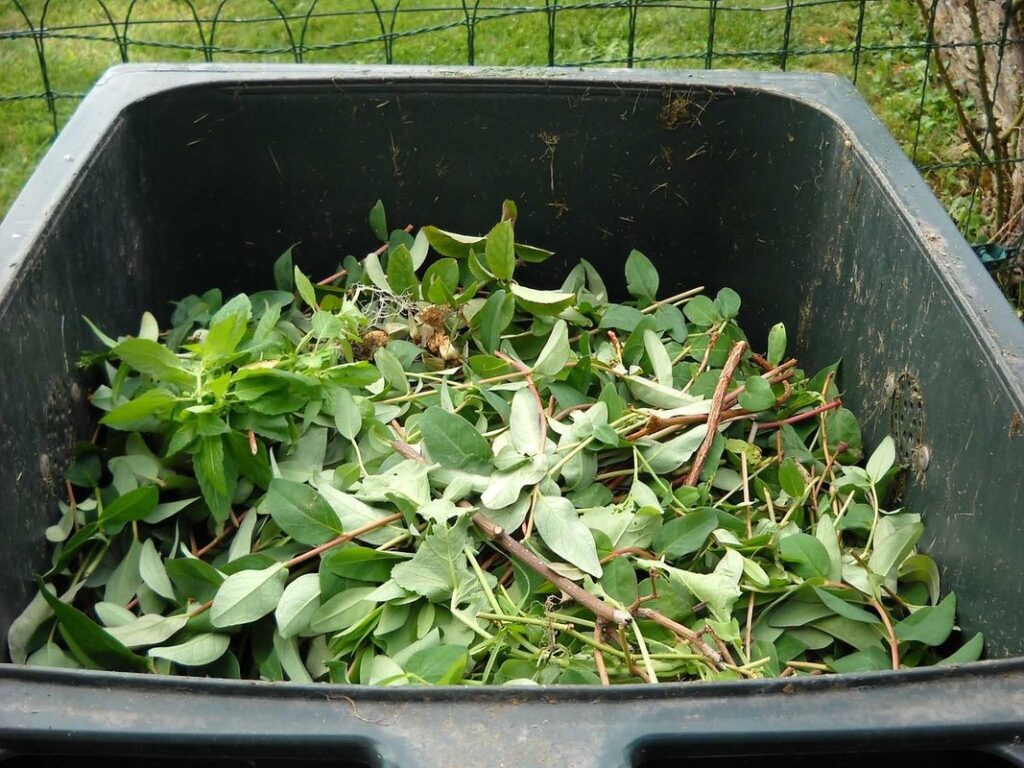
Composting diseased plants might seem counterintuitive at first, but it’s actually a smart decision for several reasons. For one, it allows you to reduce waste and divert organic matter from landfills. Instead of sending diseased plants to the dump, where they’ll likely end up in a non-degradable landfill, you can turn them into nutrient-rich compost.
This process not only helps minimize waste but also creates a valuable resource for your garden or indoor plants. By breaking down diseased plants through composting, you’re able to extract their remaining nutrients and energy, which can then be reused in the soil.
It’s essential to note that this method is not meant to cure diseases; rather, it’s about responsibly managing and recycling organic matter. Some microorganisms might survive on diseased plant material, but these will likely die off during the composting process.
Identifying Diseased vs. Healthy Plants
When it comes to composting diseased plants, one of the most critical steps is identifying whether a plant is indeed diseased or just showing signs of stress. This distinction is crucial because composting healthy plants can actually make them more susceptible to disease when they’re reintroduced into the soil.
To differentiate between diseased and healthy plants, look for common signs and symptoms of diseases such as yellowing leaves, black spots, powdery mildew, or an unusual growth pattern. Check for physical damage like cracks, cuts, or tears in the stems or leaves, which can be entry points for pathogens. You should also inspect for pests like aphids, whiteflies, or spider mites.
Some plants may show similar symptoms due to environmental stressors like overwatering, underwatering, or exposure to extreme temperatures. For example, a plant that’s been exposed to frost may develop yellow leaves, but this doesn’t mean it’s diseased. To be sure, observe the plant’s overall health and note any unusual changes in its growth patterns.
In your garden, you can also create a “health history” for each plant by keeping track of their watering schedules, fertilization, pruning practices, and pest management strategies. This information will help you determine whether a plant is struggling due to disease or other factors.
Preparing Diseased Plants for Composting
Before you can compost diseased plants, you need to take steps to prevent the spread of disease and ensure the plants are safe for your compost pile. This involves disinfecting and processing the plants properly.
Removing Insects and Pests
When it comes to composting diseased plants, removing insects and pests is an essential step to ensure the health of your compost pile. Integrated Pest Management (IPM) is a holistic approach that considers the entire ecosystem when managing pests. Before adding diseased plants to your compost, inspect them carefully for signs of insect infestation or pest activity.
Look for eggs, larvae, or actual insects on the plant’s leaves, stems, or roots. Check for tunnels, holes, or other damage caused by pests like caterpillars, aphids, or whiteflies. If you find any signs of pests, it’s essential to remove them before composting.
To remove insects and pests from diseased plants, use a combination of physical removal and sanitation methods. For example, gently brush off loose insects with your hands or a soft-bristled brush. Then, submerge the plant in water to help dislodge any remaining insects. Alternatively, you can soak the plant in a 10% bleach solution for 30 minutes to kill pests.
It’s also crucial to note that some pests, like nematodes, may not be visible to the naked eye. To avoid contaminating your compost pile, use a soil probe or a magnifying glass to inspect the soil and roots for signs of nematode infestation.
Removing Weeds and Contaminants
When preparing diseased plants for composting, it’s crucial to remove weeds and contaminants that may be present. Weeds can spread diseases to other plants, while contaminants like twine or stakes can create problems during the composting process.
Start by inspecting the plants carefully, looking for any visible signs of weed growth, such as small, inconspicuous seedlings or fibrous roots. Use a gentle touch to separate these weeds from the diseased plant, making sure not to damage either the plant or the surrounding soil.
For more stubborn contaminants like twine or stakes, use scissors or pruning shears to carefully cut them away from the plant. Don’t leave any remnants behind, as they can create problems during composting or even attract pests.
Before adding the diseased plants to your compost pile, double-check that you’ve removed all visible weeds and contaminants. This will ensure a clean and safe composting process, minimizing the risk of disease transmission and contamination in your finished compost.
Composting Methods for Diseased Plants
When it comes to composting diseased plants, choosing the right method is crucial to avoid contamination and ensure a healthy finished product. Here we’ll explore popular methods for composting diseased plants safely and effectively.
Hot Composting vs. Cold Composting
When it comes to composting diseased plants, two popular methods are hot composting and cold composting. Understanding the benefits and drawbacks of each approach can help you decide which method is best for your specific needs.
Hot composting involves creating a mix of green materials (high in nitrogen) like fresh grass clippings or manure, with brown materials (high in carbon) like dried leaves or straw. This mixture is then turned regularly to speed up the decomposition process, typically taking 1-2 weeks. Hot composting can be beneficial for diseased plants as it rapidly reduces pathogens and weed seeds, but it requires regular maintenance and a balanced mix of materials.
Cold composting, on the other hand, involves piling organic materials without turning them. This method is slower, taking months or even years to break down. However, cold composting can still be effective for diseased plants as it allows the pathogens to die off naturally over time. One key advantage of cold composting is that it requires minimal maintenance and can be done in small spaces.
Ultimately, the choice between hot and cold composting comes down to your available time, space, and resources. If you’re looking for a quick solution or have a large quantity of diseased plants to process, hot composting may be the better option. But if you prefer a low-maintenance approach that still produces rich compost, cold composting is worth considering.
Bokashi Composting Method
Bokashi composting is an innovative method for breaking down diseased plants, offering a convenient and efficient way to turn problematic materials into nutrient-rich fertilizer. This approach has gained popularity worldwide due to its ease of use and numerous benefits.
The primary advantage of bokashi composting lies in its ability to handle high-nitrogen materials like diseased plants, which can be challenging for traditional composting methods. Bokashi involves adding microorganisms to the plant material, accelerating the decomposition process while minimizing unpleasant odors and pests. This method is particularly useful for households with limited space or those who want to avoid dealing with smelly compost piles.
To get started with bokashi composting, you’ll need a bokashi bin, which is usually compact and odor-free. Simply add your diseased plants along with other kitchen scraps and microorganisms to the bin. Leave it to ferment for 1-2 weeks, then drain the liquid and bury the solid material in your garden. This process not only breaks down diseased plants but also produces a nutrient-rich compost that promotes healthy plant growth.
The bokashi method is simple enough for anyone to try at home, making it an excellent alternative for those new to composting or struggling with traditional methods.
Ensuring Safe Handling and Disposal Practices
When handling diseased plants, proper precautions must be taken to prevent accidental contamination of yourself, others, and the compost pile. This includes safe collection, disposal, and sanitizing practices.
Personal Protective Equipment (PPE)
When handling diseased plants, it’s crucial to prioritize your safety and the safety of those around you. Wearing Personal Protective Equipment (PPE) is an essential step in preventing exposure to pathogens and allergens that can cause harm.
The type of PPE needed will depend on the specific disease or condition present on the plant. For example, if the plant has fungal spores, a face mask with a HEPA filter can help prevent inhalation. Gloves are also vital for preventing skin contact with potential pathogens, and it’s essential to choose gloves that are impermeable to liquid.
To ensure proper usage, wash your hands thoroughly before putting on PPE, and change the equipment frequently if it becomes contaminated. It’s also important to dispose of used PPE responsibly, following local regulations for biohazardous materials.
Remember, while PPE can significantly reduce the risk of exposure, it’s not a guarantee against infection. Therefore, always handle diseased plants with caution and consider alternatives like composting in a contained environment or seeking professional assistance if you’re unsure about how to proceed safely.
Safe Composting Site Selection
When selecting a safe location for composting diseased plants, it’s essential to consider factors that will minimize potential health risks and odors. Start by choosing an area with good airflow, which can help reduce unpleasant smells. Ideally, this spot should be at least 10 feet away from living spaces, water sources, and air intakes.
In addition to accessibility, consider the location’s proximity to pets and children. Ensure that the site is secure to prevent unwanted visitors from getting close to the compost pile. When choosing a location for diseased plants specifically, it’s crucial to select an area where the risk of disease transmission is minimized. A well-ventilated spot with easy access can help you manage your compost pile effectively.
It’s also important to note that some areas may require special permits or considerations due to local regulations or environmental concerns. Be sure to check with your local government before selecting a location for your diseased plant composting site.
Benefits of Composting Diseased Plants
Composting diseased plants can actually have its advantages, and we’re diving into what benefits you can expect from doing so. Let’s explore these positives together.
Nutrient-Rich Soil Amendments
When you compost diseased plants, you’re not only reducing waste but also creating a nutrient-rich soil amendment that can improve the health and fertility of your garden. One of the key benefits of using composted diseased plants is improved soil structure. As these plants break down, they add organic matter to the soil, which helps to increase its water-holding capacity and drainage.
This, in turn, improves the overall fertility of the soil by providing essential nutrients for plant growth. For example, diseased plants high in nitrogen will release this nutrient as they decompose, while those high in phosphorus or potassium will provide these essential micronutrients to your garden’s ecosystem. By using composted diseased plants, you can cut down on chemical fertilizers and still maintain healthy soil.
In practical terms, consider incorporating 20-30% of composted diseased plants into your regular compost pile to get the most out of it. This will help create a nutrient-rich amendment that you can use in place of synthetic fertilizers.
Reduced Waste and Environmental Impact
When you compost diseased plants, you’re not only giving new life to their nutrients but also contributing to a more sustainable gardening practice. By doing so, you’re significantly reducing waste and minimizing the environmental impact of disposing of these plants.
Here’s what happens when diseased plants are sent to landfills: they break down slowly, releasing greenhouse gases like methane and carbon dioxide as they decompose. These potent pollutants contribute to climate change, harming both the environment and human health.
In contrast, composting diseased plants rapidly breaks down their organic matter into a nutrient-rich soil amendment. This not only reduces waste but also minimizes the environmental damage caused by traditional disposal methods.
To maximize the benefits of composting diseased plants, ensure you’re following proper guidelines for pathogen reduction, such as high-temperature processing or solarization. By adopting these practices and incorporating composted materials into your garden, you’ll be creating a more sustainable and environmentally conscious gardening routine.
Incorporating disease-free compost into your soil can also enhance its water-holding capacity, structure, and fertility, leading to healthier plant growth and reduced need for synthetic fertilizers.
Conclusion and Final Considerations
Now that you’ve successfully composted your diseased plants, let’s review the key takeaways from our comprehensive guide to ensure you’re fully confident in your new skills.
Recap of Key Takeaways
As you’ve made it through this comprehensive guide on composting diseased plants, let’s take a moment to recap the key takeaways. By now, you should be equipped with the knowledge and confidence to tackle diseased plant material in your own compost pile.
Firstly, remember that diseased plants can still contribute valuable nutrients to your soil, but it’s essential to follow proper procedures to prevent the spread of disease. This involves segregating diseased materials, using hot composting methods, or adding natural amendments to suppress pathogens.
You’ve learned how to identify common diseases affecting plants, such as fungal infections and bacterial blights, and how to handle them safely. Additionally, you’re now aware of the importance of maintaining a balanced carbon-to-nitrogen ratio in your compost pile, ensuring optimal conditions for decomposition.
By applying these key takeaways, you’ll not only reduce waste but also create nutrient-rich soil for your garden. Remember, composting diseased plants is an opportunity to get creative and resourceful with your gardening practice. With the right approach, you can turn what might otherwise be considered “waste” into a valuable asset for your garden’s health and productivity.
Additional Resources and Next Steps
If you’re interested in learning more about composting diseased plants and incorporating this practice into your sustainable gardening routine, there are several resources available to explore. For a deeper understanding of the process, consider consulting books like “The Composting Handbook” or online forums focused on permaculture and organic gardening.
In addition to these resources, you can also look into local workshops or classes that teach composting techniques. Many community gardens, nurseries, and extension offices offer hands-on training sessions where you can learn from experienced gardeners and experts in the field. These events provide a great opportunity to network with like-minded individuals and gain valuable insights.
Before starting your own compost pile, make sure to check local regulations regarding waste management and any specific guidelines for composting diseased plants. Some cities may have different rules or requirements for handling diseased plant material, so it’s essential to familiarize yourself with these regulations.
Frequently Asked Questions
What if I’m not sure whether a diseased plant is actually diseased or just stressed from environmental factors?
Before composting, it’s essential to identify the plant material accurately. Inspect the plants for visible signs of disease, such as fungal growth, pests, or discoloration. If you’re still unsure, consult with a gardening expert or conduct further research on the specific plant and potential issues.
Can I compost diseased plants if they’ve been sprayed with pesticides or other chemicals?
It’s not recommended to compost plants that have been treated with pesticides or other chemicals, as these substances can contaminate the soil. If you suspect your diseased plants have been treated, consider consulting a professional for guidance on safe disposal.
How long does it take for composted diseased plant material to break down and become nutrient-rich?
The breakdown process depends on factors like temperature, moisture, carbon-to-nitrogen ratio, and pest presence. Generally, hot composting methods can accelerate this process to 1-3 months, while cold composting may take 6-12 months.
What’s the ideal carbon-to-nitrogen ratio for composting diseased plant material?
Aim for a mix of 2/3 “brown” materials (dried leaves, straw) and 1/3 “green” materials (fresh grass clippings, food scraps). This balance will help maintain optimal decomposition conditions. Monitor moisture levels and adjust the ratio as needed to prevent over-drying or anaerobic conditions.
Can I compost diseased plants in a small indoor space, such as an apartment balcony?
Composting diseased plants indoors requires careful planning to avoid odors, pests, and contamination risks. Choose a compact, odor-free method like bokashi composting or worm composting. Ensure proper ventilation and follow local regulations regarding composting on balconies or indoor spaces.