
If you’re an avid gardener or farmer, you know that chicken manure is a valuable resource for creating nutrient-rich soil amendments. However, composting chicken manure requires some finesse to ensure it’s safe and effective for your garden. One of the most common questions we get asked is: how long does it take to compost chicken manure? The answer can vary depending on several factors, including moisture levels, carbon-to-nitrogen ratios, and temperature. In this comprehensive guide, we’ll walk you through the entire process of composting chicken manure, from preparation to completion. By following our expert tips and guidelines, you’ll learn how to create a nutrient-rich soil amendment that will take your garden to the next level. We’ll also explore the benefits and potential risks of composting chicken manure, so you can make informed decisions for your gardening needs.
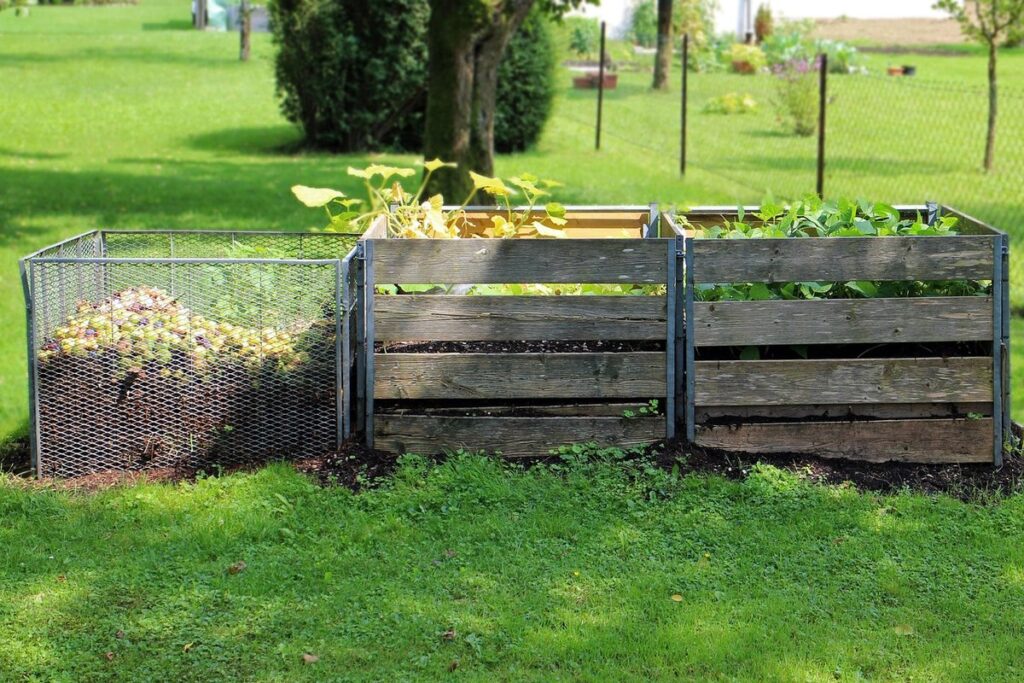
Understanding the Importance of Chicken Manure Composting
When it comes to composting chicken manure, understanding its importance is crucial for creating a nutrient-rich fertilizer that benefits your garden. Let’s dive into why this process matters.
Benefits of Composting Chicken Manure
Composting chicken manure offers numerous benefits that make it an essential practice for sustainable farming and gardening. One of the primary advantages is that composted chicken manure is a nutrient-rich soil amendment. When mixed into the soil, it provides essential macronutrients like nitrogen, phosphorus, and potassium, as well as micronutrients like iron, zinc, and copper. This enrichment leads to healthier plant growth, increased crop yields, and improved overall soil fertility.
Composting chicken manure also reduces waste by diverting it from landfills and utilizing it as a valuable resource. According to the Environmental Protection Agency (EPA), food waste accounts for approximately 21% of municipal solid waste in the United States. By composting chicken manure, you can significantly reduce your farm or garden’s environmental footprint.
In addition to its practical benefits, composting chicken manure promotes environmental sustainability by reducing greenhouse gas emissions associated with traditional fertilizers. When applied to the soil, composted chicken manure releases nutrients slowly, minimizing the need for synthetic fertilizers and their associated environmental impacts. By adopting this practice, you can contribute to a more sustainable food system while improving your farm or garden’s productivity.
Types of Chicken Manure Suitable for Composting
When it comes to composting chicken manure, not all types are created equal. Different breeds and production methods can significantly impact the quality and suitability of the manure for composting.
Layer manure, collected from hens that produce eggs regularly, is often rich in nutrients but may contain higher levels of ammonia due to its high protein content. While it’s still suitable for composting, layer manure might require additional carbon-rich materials like straw or sawdust to balance out the nitrogen levels.
Broiler manure, on the other hand, comes from chickens raised specifically for meat production and tends to be lower in nutrients but higher in pathogen levels due to their faster growth rate. However, some organic broiler producers may use more natural and sustainable practices, resulting in a better quality manure for composting.
Organic chicken manure is often the best choice for composting, as it’s collected from birds raised without antibiotics or synthetic fertilizers. This type of manure tends to be higher in beneficial microorganisms and lower in pathogens, making it an ideal candidate for composting. When selecting chicken manure for your compost pile, consider the breed, production methods, and potential contaminants to ensure you’re working with a high-quality nutrient-rich material.
Factors Affecting Composting Time
When composting chicken manure, several factors influence how long it takes to break down. Let’s explore these variables together!
Temperature and Moisture Levels
Temperature and moisture levels play a crucial role in determining the efficiency of the composting process. When it comes to composting chicken manure, maintaining an optimal temperature range is essential for decomposition.
The ideal temperature range for composting chicken manure is between 130°F (54°C) and 140°F (60°C). This range allows microorganisms to thrive, breaking down organic matter efficiently. However, if the temperature exceeds 150°F (65°C), it can lead to a decrease in microbial activity and potentially create odors.
Maintaining optimal moisture levels is equally important. A mix of 50-60% moisture content is ideal for efficient decomposition. Too little moisture can slow down the process, while excessive moisture can lead to anaerobic conditions, resulting in unpleasant odors and a longer composting time. Regular monitoring and adjusting temperature and moisture levels can help ensure a healthy composting environment.
In practice, this means checking your compost pile’s temperature daily by inserting a compost thermometer. Adjusting the pile’s structure or adding more materials as needed will also help maintain optimal moisture levels.
Oxygen and Carbon-to-Nitrogen Ratio
Oxygen plays a vital role in the composting process, particularly when dealing with high-nitrogen materials like chicken manure. Without sufficient oxygen, decomposition slows down and anaerobic conditions can lead to the production of unpleasant odors and potentially toxic substances. To ensure adequate oxygen supply, maintain aeration by turning the pile regularly or using a compost turner.
A well-balanced carbon-to-nitrogen (C:N) ratio is also crucial for efficient decomposition. A typical C:N ratio for successful composting ranges from 25:1 to 30:1. Chicken manure, being high in nitrogen, can throw off this balance if not supplemented with sufficient carbon-rich materials like straw or wood shavings.
To achieve a balanced mix, aim to add 2-3 parts of “brown” (carbon-rich) materials for every one part of chicken manure. For example, if you have a 10-pound pile of chicken manure, add 20-30 pounds of carbon-rich materials to maintain the ideal C:N ratio. This balance promotes healthy microbial activity and accelerates decomposition, ultimately shortening the composting time.
Composting Methods and Their Impact on Time
Let’s dive into various composting methods that can help you turn chicken manure into nutrient-rich soil, exploring how each approach affects overall time spent.
Windrow Composting
Windrow composting is a popular method for breaking down large quantities of organic materials, including chicken manure. This technique involves creating long rows or “windrows” of decomposing material, typically 3-5 feet wide and several hundred feet long. One major advantage of windrow composting is its high volume capacity – it’s ideal for large-scale operations or those with significant amounts of waste.
However, windrow composting also has some potential drawbacks to consider. Odor issues can arise due to the sheer volume of materials being decomposed in a single area. This can be mitigated by incorporating odor-reducing agents or turning the windrows regularly to aerate them. Another consideration is the need for regular monitoring and maintenance, including moisture control and temperature management.
In terms of composting chicken manure specifically, windrow composting can be an effective option provided it’s done correctly. It’s essential to balance the carbon-to-nitrogen ratio by incorporating materials high in carbon (such as straw or shredded newspaper) along with the chicken manure. Regular monitoring and maintenance will also help ensure that the composting process progresses smoothly and efficiently.
In-Vessel Composting
In-vessel composting is a controlled environment method that’s perfect for breaking down chicken manure efficiently. This approach involves placing the waste material inside a sealed container or vessel, where it undergoes decomposition under optimal conditions.
The benefits of in-vessel composting are numerous. For one, it provides a consistent and predictable outcome, as the temperature and moisture levels can be carefully monitored and controlled. This is particularly useful when dealing with chicken manure, which can be highly variable in terms of its nutrient content and water-holding capacity. Furthermore, in-vessel composting reduces odors and pests associated with traditional outdoor composting methods.
However, there are some considerations to keep in mind when using in-vessel composting for chicken manure. For instance, the vessel must be designed to handle high temperatures and moisture levels, which can be achieved through materials like stainless steel or concrete. Regular monitoring of temperature, pH, and oxygen levels is also essential to ensure optimal decomposition conditions.
Monitoring Progress and Ensuring Safety
As you begin composting chicken manure, it’s crucial to regularly monitor its progress and take steps to ensure your safety while working with potentially hazardous materials. This section will walk you through essential checks and precautions.
Checking Temperature and pH Levels
Monitoring temperature and pH levels during the composting process is crucial to ensure that it’s progressing as it should. A temperature of 130-140°F (54-60°C) is often reached within the first few days, but this can vary depending on factors like aeration, moisture, and pile size.
It’s essential to check temperature regularly using an infrared thermometer or by inserting a compost thermometer into the pile. If the temperature drops below 100°F (38°C), it may indicate that the pile is too wet or not receiving enough oxygen.
pH levels can also impact the composting process. Aim for a pH between 6.5 and 7.5, as this range supports microbial activity. If the pH is too low (acidic), it can slow down decomposition, while a high pH (alkaline) can kill off beneficial microbes. You can purchase a pH test kit to monitor levels and adjust as needed by adding lime to raise or sulfur to lower the pH.
Regular checks will help you identify any issues before they become major problems, ensuring that your composting process is safe and effective.
Preventing Pathogens and Weeds
Preventing pathogens and weeds from contaminating your compost pile is crucial to ensure safe and healthy finished compost. One of the biggest risks associated with chicken manure is the presence of Salmonella and E. coli bacteria, which can survive for months even after treatment. To minimize this risk, it’s essential to implement proper management strategies.
When layering materials in your compost pile, start with a 4-6 inch layer of “brown” materials like straw or shredded newspaper to create an anaerobic environment that inhibits pathogen growth. Next, add a 2-3 inch layer of chicken manure, followed by another 4-6 inch layer of brown materials. Repeat this process until your pile reaches the desired height.
To prevent weed seeds from germinating in your compost pile, make sure to include a high carbon-to-nitrogen ratio and maintain adequate moisture levels. Regular turning of the pile will also help to kill any weed seeds that may be present. By following these guidelines, you can minimize the risk of pathogen growth and ensure a safe and healthy finished compost product.
Composting Timeframes: Expectations and Challenges
When it comes to composting chicken manure, understanding the different timeframes is crucial for successful decomposition. Let’s explore how to navigate these varying expectations and challenges together.
Average Composting Times for Chicken Manure
Composting chicken manure can take anywhere from several weeks to a few months, depending on various factors. On average, you can expect it to break down within 2-4 weeks if done correctly. However, this timeframe may be influenced by the type of manure and its nutritional content.
For example, broiler litter tends to compost faster than layer house manure due to its higher concentration of nitrogen and water content. Additionally, the carbon-to-nitrogen ratio in your pile plays a significant role in speeding up or slowing down the process. Aim for a balance between 20-30% nitrogen and 60-80% carbon-rich materials.
Other factors that impact composting times include moisture levels, temperature, and oxygen flow. Maintaining adequate moisture (about 50-60%) helps microorganisms thrive, while higher temperatures can speed up the breakdown of organic matter. Aeration also ensures that oxygen reaches all areas of the pile, facilitating microbial activity.
When composting chicken manure, it’s essential to balance these factors for optimal decomposition. This typically requires regular turning and monitoring of your pile’s temperature and moisture levels.
Common Challenges and Solutions
When composting chicken manure, you may encounter some common challenges that can affect the overall process and outcome. One of the most significant issues is slow decomposition, which can be frustrating for both beginners and experienced composters alike. This can be caused by factors such as inadequate moisture, low carbon-to-nitrogen ratio, or insufficient aeration.
Another challenge you might face is unpleasant odors emanating from your compost pile. This can be due to the high nitrogen content in chicken manure, which can lead to anaerobic conditions and strong smells.
To overcome these challenges, it’s essential to maintain optimal composting conditions. Ensure that your pile has a mix of “green” (nitrogen-rich) materials like chicken manure, grass clippings, or food scraps, along with “brown” (carbon-rich) materials such as straw, shredded newspaper, or wood chips.
Regular turning of the pile can also help to aerate it and speed up decomposition. You should aim to turn your compost every 7-10 days during the initial stages and then gradually reduce frequency as the process progresses. Additionally, monitoring pH levels and maintaining a balance between moisture and dryness will help prevent odors from becoming overpowering.
Best Practices for Maintaining a Healthy Compost Pile
To get the best results from your chicken manure compost, it’s essential to maintain a healthy pile by following some simple guidelines. We’ll cover those key practices next.
Regular Turning and Aeration
Regular turning and aeration are crucial practices to maintain optimal conditions within the compost pile. When it comes to composting chicken manure, this process becomes even more important due to its high nitrogen content, which can lead to anaerobic conditions if not managed properly.
To turn your compost pile effectively, start by using a shovel or pitchfork to gently mix the materials at the bottom of the pile and work your way up. This helps speed up decomposition by introducing oxygen into the pile and preventing the buildup of heat. Aim to turn your pile every 7-10 days, especially during the initial stages when it’s most active.
Aeration is just as vital as turning. You can achieve this by poking holes in the bottom of the compost bin or using a tool like a compost aerator to loosen and break up compacted materials within the pile. This will allow air to circulate freely and prevent the formation of anaerobic pockets, which can lead to unpleasant odors and slow down decomposition.
Remember, maintaining an ideal carbon-to-nitrogen ratio is also essential for healthy composting. By regularly turning and aerating your chicken manure compost pile, you’ll create a balanced environment that promotes efficient decomposition and produces high-quality compost in the end.
Record Keeping and Quality Control
As you continue to maintain and manage your compost pile, it’s essential to keep track of its progress and quality. Record keeping is a crucial aspect of ensuring consistent and high-quality compost production. This involves monitoring temperature, moisture levels, carbon-to-nitrogen ratio, and the presence of pests or diseases.
To effectively monitor your compost pile, consider implementing a logbook or spreadsheet to record these key metrics on a regular basis. This will enable you to identify any potential issues early on and make adjustments as needed. For example, if you notice that the temperature is consistently above 160°F (71°C), it may indicate that the pile is breaking down too quickly.
In addition to monitoring your compost pile’s progress, quality control measures should also be in place to ensure the final product meets your standards. This includes regular turning and aerating of the pile to prevent anaerobic conditions, as well as removing any unwanted debris or contaminants. By maintaining accurate records and implementing these quality control measures, you can produce high-quality compost that is safe for use in gardening and landscaping applications.
Frequently Asked Questions
What are some common mistakes to avoid when composting chicken manure for the first time?
Don’t skip initial carbon-to-nitrogen ratio balancing, as this can lead to unpleasant odors and slow decomposition. Also, be mindful of over-mixing, which can kill off beneficial microorganisms.
How often should I turn my windrow or in-vessel compost pile to ensure efficient decomposition?
Regular turning (every 7-10 days) is crucial for maintaining oxygen flow and preventing anaerobic conditions that promote pathogens and weed seeds. Monitor temperature and moisture levels to adjust turning frequency accordingly.
What’s the ideal pH range for chicken manure composting, and how can I maintain it?
Target a pH between 6.0 and 7.5 for optimal microbial activity. To maintain this balance, add lime or sulfur as needed based on regular pH checks.
Can I compost chicken manure with other types of waste, like vegetable scraps or coffee grounds?
Yes! Composting chicken manure in combination with “green” materials (like veggie scraps) and “brown” materials (like leaves or straw) is a great way to balance carbon-to-nitrogen ratios and promote efficient decomposition.
How can I ensure my composted chicken manure is free of pathogens before using it in my garden?
Maintain high temperatures (above 131°F/55°C) for several days to kill off pathogens. Monitor pH levels, moisture content, and aeration during the process. Regularly check finished compost for any signs of contamination or spoilage.