
If you’re a gardener who’s passionate about reducing food waste and creating nutrient-rich soil for your plants, you’re in luck. Composting brassicas like kale, broccoli, and collard greens is an excellent way to do just that. These cool-season crops are packed with nutrients, but they can be challenging to compost. But don’t worry, we’ve got you covered. In this article, we’ll delve into the world of composting brassicas and share expert tips on how to choose the right varieties, methods, and troubleshoot common issues. By the end of it, you’ll know exactly how to turn your kitchen scraps into a rich fertilizer that will improve soil health and boost crop yields. So, let’s get started on this journey to create a more sustainable garden!
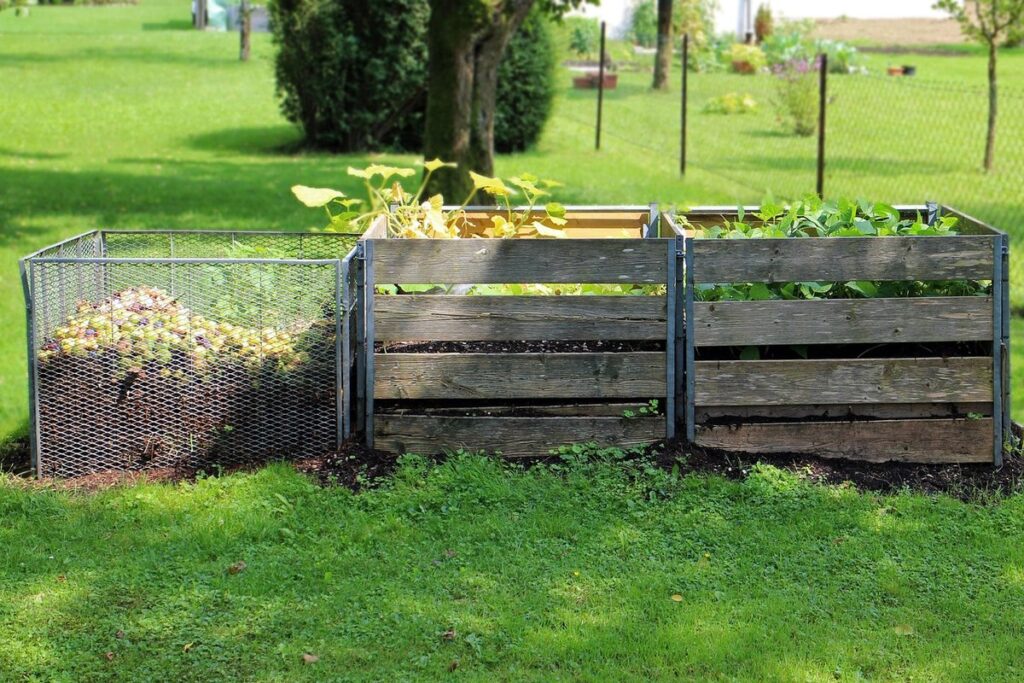
Benefits of Composting Brassicas
Composting brassicas not only reduces waste, but it also provides a nutrient-rich soil amendment that will give your future crops a boost. Let’s explore the benefits in more detail.
Improving Soil Health
Composting brassicas is a powerful way to improve soil structure, fertility, and overall health. When you add composted brassicas to your garden, you’re not just getting rid of kitchen scraps – you’re creating a nutrient-rich fertilizer that will make your plants thrive.
Brassicas like broccoli, cauliflower, and kale are particularly high in nitrogen, phosphorus, and potassium, making them an excellent addition to your compost pile. As these nutrients break down, they become available to your plants, promoting healthy growth and development.
To improve soil health with composted brassicas, start by adding a 2-3 inch layer of finished compost to the top of the soil before planting. You can also mix in some composted brassicas into the soil as you’re preparing it for new crops. This will help to increase the soil’s water-holding capacity, reduce erosion, and support beneficial microbial activity.
Regularly adding composted brassicas to your garden will also help to build up the soil’s organic matter content over time, leading to improved fertility and structure. As a general rule of thumb, aim to add 1-2 inches of compost per year to maintain optimal soil health.
Reducing Food Waste
Brassicas are one of the most wasted vegetables in many households. Their leaves and stalks often end up in the trash, contributing to a significant amount of food waste. According to the United States Department of Agriculture (USDA), a staggering 40% of all food produced globally is lost or wasted. Composting these materials can help divert this waste from landfills and create a valuable resource for your garden.
To start composting your brassica leaves and stalks, begin by collecting them in a designated area. You can use a dedicated compost bin or even a corner of your yard as a makeshift pile. Add the collected materials to the pile along with other carbon-rich materials like straw or shredded newspaper. Ensure that the ratio of green (nitrogen-rich) materials like food waste to brown (carbon-rich) materials is around 2:1.
As you add more brassica leaves and stalks, mix them in well with the rest of the compost. You can also bury any strong-smelling items under a layer of other compost materials. Over time, the mixture will break down into a nutrient-rich fertilizer perfect for your garden beds.
Choosing the Right Brassica Varieties
When it comes to composting brassicas, selecting the right varieties is crucial for success. We’ll cover the key factors to consider when choosing from broccoli, cauliflower, kale, and more.
Selecting Compost-Friendly Crops
When it comes to composting brassicas, not all varieties are created equal. Some types of these nutrient-dense vegetables excel at breaking down quickly and easily into rich compost, while others may be more challenging to process.
Kale, collard greens, and broccoli are some of the best types of brassicas to compost due to their high water content and rapid decomposition rates. These characteristics make them ideal for adding bulk and nutrients to your compost pile. For example, a single pound of kale can retain up to 95% of its original weight even after composting, making it an excellent addition to any compost mix.
Other factors to consider when selecting brassica varieties for composting include their growth habits and nutrient levels. Look for plants with broad leaves or dense foliage, as these tend to break down faster than those with narrower leaves or more compact growth patterns. Additionally, choose varieties with high nitrogen content, such as certain types of kale or collard greens, to maximize the nutritional value of your compost.
When selecting brassicas for composting, also consider their space requirements and potential for pest issues. Some types of brassicas are more prone to pests or diseases that can negatively impact their decomposition rates.
Understanding Brassica Growth Stages
Composting brassicas at different growth stages can significantly impact their quality and effectiveness as a fertilizer. It’s essential to understand when to harvest these plants for composting.
When it comes to composting brassicas, timing is crucial. Harvesting them too early or too late can affect the nutrient content of the final product. Broccoli, cauliflower, and kale are ready to be harvested when the buds are tight and compact. For cabbage and Brussels sprouts, wait until the heads are firm and the leaves are a deep green color.
Harvesting brassicas at the right stage also depends on their intended use in the compost pile. If you’re aiming for a balanced fertilizer, harvest them when they’re about 90% mature. This ensures that the nutrient content is optimal without leaving behind any unwanted seed production or vegetative growth.
When adding brassicas to your compost pile, remember to balance their high nitrogen levels with carbon-rich materials like leaves and straw. This will help maintain an ideal C:N ratio, promoting healthy decomposition and minimizing odors.
Composting Methods for Brassicas
When it comes to composting brassicas, you’ll want to consider methods that balance their strong flavors with nutrient-rich soil. We’ll explore some effective techniques for incorporating these veggies into your compost pile.
Cold Composting
Cold composting is an excellent method for breaking down brassicas on a small scale. This approach involves piling up organic materials, including vegetable scraps and yard waste, in a heap and allowing them to decompose naturally over time. Unlike hot composting methods that require regular turning, cold composting relies on the decomposition process unfolding at its own pace.
This technique is ideal for those who don’t have access to mechanical turning equipment or prefer a more hands-off approach. Simply gather your organic materials – including brassica trimmings, leaves, and stalks – and create a large pile. Ensure the heap is layered with a mix of “green” (nitrogen-rich) and “brown” (carbon-rich) materials to facilitate decomposition.
As you build the pile, consider adding other compostable materials like shredded newspaper or cardboard to help absorb excess moisture and speed up the process. Keep in mind that cold composting can take anywhere from 6-24 months to complete, depending on factors such as temperature and material quality. With patience and minimal maintenance, this method can yield rich, nutrient-dense compost perfect for your brassica plants.
Hot Composting
Hot composting is an efficient and controlled process that yields high-quality compost faster than other methods. To get started with hot composting, you’ll need to combine “green” materials rich in nitrogen, such as brassicas like broccoli or kale, with “brown” materials rich in carbon, like leaves or straw. This ratio should be approximately 2/3 brown materials and 1/3 green materials.
When selecting green materials, focus on adding a mix of fresh vegetables and fruits to introduce excess nutrients into the compost pile. Brassicas are an excellent choice due to their high nitrogen content. On the other hand, include dry and brittle brown materials like dried leaves or straw to balance out the mixture.
To implement hot composting successfully, ensure your piles maintain optimal moisture levels by spraying with water regularly. Monitor the temperature of your compost pile; it should reach 130-140°F (54-60°C) within a few days, indicating that the decomposition process is underway. Regular turning and mixing will also help facilitate this process and produce finished compost within weeks rather than months.
Tips for Successful Brassica Composting
To make the most of your brassica scraps, we’ve got some essential tips to ensure successful composting and minimize potential pitfalls. From avoiding bitterness to creating a balanced carbon-to-nitrogen ratio, you’re covered.
Balancing Carbon-to-Nitrogen Ratios
When it comes to composting brassicas, achieving the right balance between carbon-rich and nitrogen-rich materials is crucial for successful decomposition. The carbon-to-nitrogen (C:N) ratio plays a vital role in this process. A general rule of thumb is to aim for a C:N ratio of 20:1 to 30:1, but it’s essential to monitor your specific compost pile.
To calculate the C:N ratio, add up the nitrogen content from all materials and divide by the carbon content. For example, if you’re adding 10 pounds of brassica scraps (which have a high nitrogen content) and 20 pounds of shredded newspaper (which is rich in carbon), you’d divide the total nitrogen weight by the total carbon weight.
In practice, this means layering green materials like brassicas with brown materials like straw or shredded newspaper. Aim for a mix that’s around 2/3 brown materials to 1/3 green materials. For instance, if you have a 10-foot compost pile, fill 6-8 feet with brown materials and the remaining 2-4 feet with green materials.
Monitoring the C:N ratio is crucial as it affects decomposition rates, odors, and pathogens in your compost pile. By keeping an eye on this balance, you can adjust the mix of materials to achieve optimal decomposition conditions for your brassica scraps.
Managing Moisture Levels
Maintaining proper moisture levels is crucial for effective decomposition and compost quality. When it comes to composting brassicas like broccoli, cauliflower, and kale, the key is finding a balance between keeping them moist and preventing anaerobic conditions.
Aim to maintain a moisture level of 50-60% by adding water regularly. You can check the moisture levels by inserting your finger into the compost pile – if it feels dry, it’s time for some water. However, be cautious not to overdo it, as excessive moisture can lead to anaerobic conditions and unpleasant odors.
To ensure adequate moisture, you can also add materials high in moisture content like kitchen scraps or grass clippings. Shredding your brassica additions before adding them to the compost pile will also help increase their surface area, promoting better decomposition.
Keep in mind that different types of brassicas have varying water requirements. For example, broccoli tends to be more prone to drying out than cauliflower. Monitor your compost pile’s moisture levels regularly and adjust as needed to achieve optimal results.
Troubleshooting Common Composting Issues
As you navigate the world of composting brassicas, it’s inevitable that you’ll encounter some bumps along the way. This section tackles common problems and offers practical solutions to get your composting process back on track.
Pests, Diseases, or Foul Odors
When composting brassicas like broccoli, cauliflower, and kale, you may encounter issues with pests, diseases, or unpleasant odors. Despite proper management, these problems can still arise due to various factors.
Pests like aphids, whiteflies, and cabbage moths can infest your compost pile, feeding on the Brassica plants’ nutrients and reproducing quickly. To manage pest populations, ensure you balance carbon-to-nitrogen ratios in your compost by adding brown materials like dried leaves or straw. You can also use physical barriers to keep pests out or introduce beneficial insects like ladybugs or lacewings that prey on these pests.
Diseases such as club root and downy mildew can affect Brassica plants, spreading quickly through contaminated water or soil. Monitor your compost pile for signs of disease, like yellowing leaves or fungal growth, and remove any infected materials immediately. To prevent disease spread, maintain good hygiene when handling compost and avoid over-watering.
Unpleasant odors can also arise from an imbalanced carbon-to-nitrogen ratio or inadequate aeration in the compost pile. Regularly turning your compost will help introduce oxygen and speed up decomposition, reducing odor-causing anaerobic conditions.
Inconsistent Final Product Quality
When it comes to composting brassicas like broccoli, cauliflower, and kale, ensuring the final product is of high quality and safe for use can be a challenge. One common issue that arises is inconsistent final product quality due to factors such as incomplete decomposition, weed seeds, or contaminants.
Incomplete decomposition occurs when the composting process isn’t carried out correctly, resulting in a mixture that’s still too dry or too wet. This can lead to an unpleasant odor and a lower overall quality of the compost. To avoid this, ensure your compost pile has the right balance of “green” materials (such as food scraps) and “brown” materials (like leaves or twigs). Aim for a mix of 2/3 brown materials and 1/3 green materials.
Weed seeds can also be a problem if not properly managed. These seeds can sprout in your compost, potentially carrying unwanted weeds into the soil where you plan to use it. To minimize this risk, make sure to regularly turn and aerate your compost pile, which will help to kill any weed seeds present.
Conclusion: Maximizing Your Brassica Composting Efforts
Now that you’ve learned how to compost brassicas, let’s review what we’ve covered and discuss ways to maximize your efforts and get the most out of your homegrown scraps.
Recap of Key Takeaways
As we conclude our comprehensive guide to composting brassicas, let’s recap the key takeaways that will help you maximize your composting efforts. By incorporating these best practices into your gardening routine, you’ll not only reduce waste but also create a nutrient-rich soil amendment for your plants.
We’ve discussed the importance of understanding the unique needs of brassica crops, such as broccoli and cauliflower, which require specific temperature and carbon-to-nitrogen ratios for optimal decomposition. By balancing ‘green’ and ‘brown’ materials in your compost pile, you’ll ensure that these Brassicas receive the perfect blend of nutrients.
Key to successful composting is monitoring pH levels and maintaining a consistent moisture level to prevent anaerobic conditions. Aim for a mix that’s 2/3 ‘brown’ materials (dried leaves, straw) and 1/3 ‘green’ materials (food scraps, grass clippings). Regular turning of the pile will also help aerate it and speed up decomposition.
Lastly, don’t forget to consider the long-term benefits of composting Brassicas. By repurposing these often-discarded vegetables, you’ll reduce waste and create a sustainable gardening practice that yields dividends for years to come.
Expanding Your Knowledge
As you continue on your brassica composting journey, remember that there’s always room for growth and improvement. Expanding your knowledge is key to maximizing your efforts and achieving optimal results. Consider attending workshops, online courses, or webinars specifically focused on composting and sustainable gardening practices. These resources can provide valuable insights from experienced professionals and fellow enthusiasts.
You can also explore different techniques and strategies that work well with brassicas, such as bokashi composting, vermicomposting, or hot composting. Each method has its unique benefits and challenges, so it’s essential to research and understand the specific requirements before implementing them in your setup. For instance, if you’re new to bokashi composting, start by learning about the ideal carbon-to-nitrogen ratio and how to balance it for optimal fermentation.
By continuously learning and adapting, you’ll be able to refine your approach and overcome potential challenges that may arise. Take note of what works and what doesn’t in your own setup, and use this knowledge to inform future decisions. As your skills and confidence grow, so will the quality and diversity of your compost – ultimately enriching your garden with a nutrient-rich amendment.
Frequently Asked Questions
What are the ideal temperatures for hot composting brassicas?
Hot composting requires maintaining temperatures between 131°F (55°C) and 140°F (60°C) to kill pathogens and weed seeds. However, brassicas like broccoli and kale can be sensitive to high temperatures, which may cause them to lose their nutrients. To balance this, you can add them to the pile in moderation and monitor the temperature closely.
Can I compost brassicas with other vegetables, or should they be done separately?
Composting brassicas alone can help prevent any potential competition for resources between different vegetable types. However, if you’re short on space, you can mix them with carbon-rich materials like leaves or straw to balance out the nitrogen content. Just be sure to monitor the pile’s temperature and moisture levels closely.
How long does it take for composted brassicas to break down completely?
The breakdown time of composted brassicas depends on factors such as oxygen levels, moisture, and carbon-to-nitrogen ratios. Generally, you can expect a mature compost pile to break down within 3-6 months. However, this timeframe may vary depending on your specific composting method and the initial quality of your materials.
Are there any specific brassica varieties that are better suited for composting than others?
Some brassica varieties, like kale and collard greens, are higher in nitrogen and have a shorter growth cycle, making them ideal for composting. Others, like broccoli and cauliflower, may require more time to mature but still offer high nutrient value. Experiment with different varieties to see which ones work best for your garden.
Can I use composted brassicas as a mulch or do they need to be fully broken down first?
Composted brassicas can be used as a mulch immediately after they’ve broken down, providing an instant boost of nutrients and moisture retention. However, if you prefer a finer texture, it’s best to let them break down completely into a more uniform compost material before applying it as a mulch or fertilizer.