
Composting is an art that can unlock the full potential of your garden, but did you know you can even compost food waste like banana peels into a tea? This might sound unusual, but trust us, it’s a game-changer for sustainable gardening. Not only does banana peel tea boost soil fertility, making your plants grow stronger and healthier, but it also provides natural pest control that will save you from using harsh chemicals in the future.
In this article, we’ll dive into the world of composting banana peels into tea, exploring its benefits and sharing a simple recipe to get you started. You’ll learn how to make banana peel tea at home, use it in your garden, and reap the rewards of increased soil fertility and reduced pest problems. Whether you’re a seasoned gardener or just starting out, this eco-friendly practice is worth considering – let’s explore why!
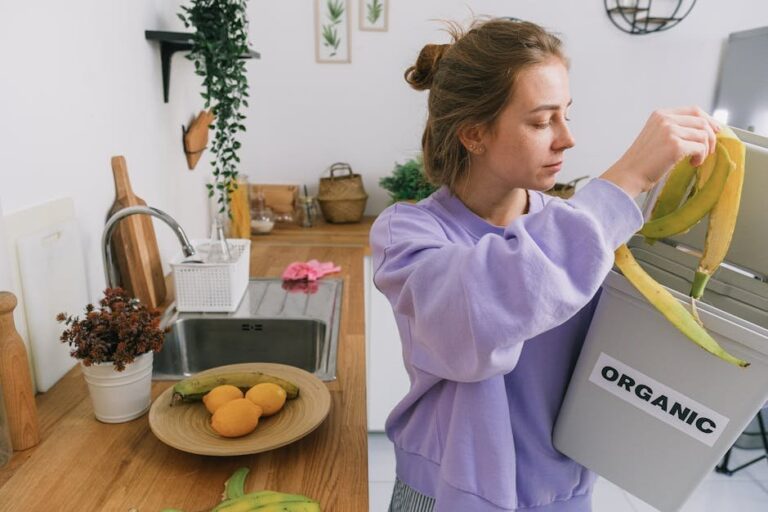
What is Banana Peel Tea?
Banana peel tea is a liquid extract made from steeping dried banana peels in hot water, offering a unique way to repurpose food waste. We’ll explore what this tea entails and its potential uses.
Definition and History
Banana peel tea is a liquid compost made from steeping banana peels in water. This practice has its roots in traditional gardening methods, where fruit and vegetable scraps were often used to create nutrient-rich fertilizers for plants. The concept of using banana peels as a fertilizer dates back to ancient civilizations in Asia and Africa.
In recent years, however, the idea of composting banana peels into tea has gained popularity worldwide due to its potential benefits for sustainable gardening practices. As environmental awareness grows, gardeners are looking for eco-friendly ways to feed their plants while minimizing waste. Composting banana peels into tea provides a convenient solution to this problem.
To make banana peel tea, simply collect your used banana peels and let them steep in water for 24-48 hours. The resulting liquid can be poured directly onto your plants as a fertilizer or added to compost piles to enhance the decomposition process. This simple technique is gaining traction among gardeners who value sustainability and want to reduce their environmental footprint.
How Does It Compare to Regular Compost?
Using banana peel tea as a nutrient-rich fertilizer offers several advantages over traditional composting methods. For one, it’s incredibly easy to prepare – simply steep the peels in hot water, let them cool, and you’re left with a concentrated liquid that can be used to feed your plants. This convenience makes it an attractive option for gardeners who want to reduce their environmental impact without sacrificing valuable time.
Compared to traditional composting, banana peel tea is also more efficient at providing essential nutrients to your plants. By steeping the peels in water, you’re able to extract a higher concentration of beneficial compounds than would be possible through regular composting methods. This makes it an excellent choice for gardeners who want to give their plants a boost without adding excess bulk to their soil.
In terms of nutrient content, banana peel tea is particularly high in potassium – a vital element for plant growth and development. By using this liquid fertilizer, you can help your plants develop strong root systems and increase their resistance to disease.
Benefits for Your Garden
Composting banana peels tea can bring a multitude of benefits to your garden, from improved soil health to increased plant resilience. Let’s dive into these advantages in more detail.
Boosts Soil Fertility
Composting banana peel tea is an excellent way to give back to your garden. When used as a fertilizer, it can significantly improve soil structure. The high concentration of potassium and phosphorus in banana peels helps break down clay soils, making them easier to work with and increasing water retention. On the other hand, it can also help loosen compacted soils, allowing for better drainage and aeration.
Banana peel tea also fosters beneficial microbial activity in your garden. The presence of various microorganisms like bacteria and fungi in composted banana peels helps create a balanced ecosystem that promotes healthy plant growth. By introducing these microbes into the soil, you’re essentially providing your plants with a natural defense system against diseases and pests.
The nutrients present in banana peel tea are essential for plant growth, particularly during the flowering and fruiting stages. The presence of micronutrients like copper, zinc, and manganese supports photosynthesis, cell division, and overall development. By using composted banana peel tea as a fertilizer, you can expect to see improved yields and healthier plants that are better equipped to withstand environmental stressors.
Attracts Beneficial Microorganisms
Attracting beneficial microorganisms to your garden is a crucial aspect of maintaining a healthy and thriving ecosystem. These tiny creatures play a significant role in breaking down organic matter, recycling nutrients, and controlling pests and diseases. Earthworms, fungi, and bacteria are just a few examples of the beneficial microbes that can make your garden a haven for biodiversity.
Composting banana peel tea is an excellent way to attract these beneficial microorganisms to your garden. By steeping dried banana peels in water, you create a nutrient-rich liquid solution that acts as a natural fertilizer and soil conditioner. When applied to your plants or soil, it provides essential micronutrients, such as potassium, magnesium, and sulfur, which promote healthy growth and development.
To make the most of banana peel tea’s microbe-attracting properties, try the following: add a small amount to your compost pile to create a “microbe-rich” layer; use it as a foliar spray to nourish your plants’ leaves and roots; or mix it with water to create a soil drench. By incorporating banana peel tea into your gardening routine, you’ll not only be reducing waste but also creating a haven for beneficial microorganisms that will keep your garden thriving all season long.
Natural Pest Control
Composting banana peels into tea is not only beneficial for adding nutrients to your soil, but it also offers natural pest control methods that can help maintain a balanced ecosystem in your garden. The antimicrobial properties present in the tea are effective against various pests and diseases that often plague gardens.
For instance, if you’re experiencing issues with fungal diseases such as root rot or powdery mildew, sprinkling banana peel tea around affected areas can help control their spread. This is because the tea contains substances like potassium and magnesium, which have been shown to inhibit fungal growth.
In addition to controlling pests and diseases, promoting a balanced ecosystem in your garden through composting banana peels tea encourages beneficial microorganisms to thrive. These beneficial microbes work synergistically with the antimicrobial properties of the tea to maintain an optimal soil environment that’s less susceptible to pest invasions.
To incorporate natural pest control methods into your gardening routine using composted banana peel tea, try spraying it directly onto affected areas or mixing it with water as a foliar spray for plants. This can be done 1-2 times a week to help prevent pests and diseases from taking hold in your garden.
How to Make Banana Peel Tea
Now that you’ve learned about the benefits of banana peel tea, let’s get started on how to make it by infusing the peels into a soothing and healthy brew.
Gathering Materials
To make banana peel tea, you’ll first need to gather the necessary materials. This involves collecting banana peels from your kitchen and storing them properly to ensure maximum nutrient retention.
When collecting banana peels, it’s essential to handle them gently to avoid bruising or tearing the skin. This can lead to a loss of nutrients during the drying process. Simply peel the bananas over a container or bag to collect the peels, making sure not to press on the skins too hard.
Proper storage is also crucial for retaining nutrients. Store the banana peels in an airtight container, such as a glass jar with a lid, or a plastic bag sealed tightly. This will prevent moisture and pests from affecting the quality of the peels. You can store them at room temperature or refrigerate them to slow down the fermentation process.
When you have enough peels, it’s time to proceed with drying and making the tea.
Brewing Methods
When it comes to brewing banana peel tea, you have two primary methods: steeping in water and making liquid compost tea. Steeping is the most straightforward approach, where you simply place a few dried banana peels in a cup of boiling water and let it infuse for 5-7 minutes. This method is great for when you’re in a hurry or prefer a stronger flavor.
However, if you’re looking to create a nutrient-rich liquid compost tea, you’ll want to try the second method. To do this, place the dried banana peels in a mesh bag and submerge them in 1 gallon of water. Allow it to steep for 24 hours, then strain the liquid before using it as a fertilizer. The benefits of liquid compost tea include increased microbial activity, improved soil structure, and enhanced plant growth.
Keep in mind that both methods can be combined to create a more potent brew. For example, you can steep the banana peels in water first, then use the resulting liquid as part of your compost tea mixture. Experiment with different ratios and brewing times to find what works best for you and your plants.
Common Mistakes to Avoid
When brewing banana peel tea, it’s essential to avoid common mistakes that can affect its quality and safety. One of the most critical errors is over-steeping, which can make the tea taste bitter and unpleasantly strong. To avoid this, steep the peels for 5-7 minutes, depending on your desired strength.
Another mistake is inadequate straining, leading to a murky or gritty texture in the final product. To prevent this, use a fine-mesh sieve or cheesecloth to strain the liquid multiple times until it’s clear and smooth.
Contamination is also a significant concern when making banana peel tea. This can occur if you don’t properly clean your equipment or store the peels in an environment prone to pests or mold. To minimize contamination, wash all utensils and equipment thoroughly after use, and store the peels in an airtight container in the refrigerator.
Remember, with a little attention to detail, you can enjoy a delicious and healthy cup of banana peel tea while reaping its surprising benefits for your garden’s compost pile.
Safety Precautions and Preparing the Tea
Before brewing a pot of banana peel tea, it’s essential that you take a few crucial steps to ensure your safety and a successful brewing process. Please read on for these important guidelines.
Ensuring Proper Sterilization
When handling banana peels and brewing tea, it’s crucial to prioritize sterilization to prevent contamination risks. Contaminated equipment can lead to spoiled tea, unpleasant odors, and even health issues. To ensure proper sterilization, start by thoroughly washing your hands before beginning the process.
Next, sanitize any utensils or equipment used for handling banana peels and brewing tea. A solution of 1 part bleach to 10 parts water is effective in eliminating bacteria, viruses, and fungi. Soak utensils and equipment in this solution for at least 30 minutes before rinsing thoroughly with clean water. You can also use a dishwasher on the sanitize cycle if available.
Additionally, maintain a clean workspace by wiping down surfaces with a disinfectant spray or solution after each use. This will help prevent cross-contamination and keep your tea-making environment hygienic. Remember to regularly replace utensils and equipment to ensure optimal hygiene and avoid any potential contamination risks.
Handling Allergies and Sensitivities
When brewing compost tea from banana peels, it’s essential to be aware of common allergens and sensitivities associated with this process. One potential concern is latex allergy. Banana peels contain a similar protein to latex, known as chitinase. While the risk is relatively low, individuals with a latex allergy may react to the tea.
To minimize exposure, take precautions when handling banana peels and brewing the compost tea. Wash your hands thoroughly after handling the peels, and avoid touching your face or eyes during this process. When brewing the tea, use gloves to protect your skin from any potential allergens.
If you’re planning to consume the compost tea, be mindful of any sensitivity to high levels of potassium or magnesium. Banana peels are rich in these minerals, which can cause stomach upset in some individuals. Start with a small dose and monitor your body’s response before increasing the amount. By taking these precautions, you can safely enjoy the potential health benefits of compost tea made from banana peels.
Tips for Maximizing Benefits
To get the most out of composting banana peels into tea, consider these simple yet effective tips that’ll enhance your brewing experience and benefits. Let’s explore how to maximize your results.
Frequency of Use
When it comes to incorporating banana peel tea into your gardening routine, timing is everything. To maximize its benefits, you’ll want to consider both initial applications and ongoing maintenance schedules.
Start by using banana peel tea as a foliar spray or soil drench during the seedling stage of new plants. This will give them an extra boost of nutrients and help establish a healthy root system. For established plants, use it as needed, typically after repotting or when dealing with pest infestations.
As for ongoing maintenance, consider using banana peel tea on a weekly basis to promote continued growth and health. You can also incorporate it into your regular fertilization routine. A general rule of thumb is to use 1-2 teaspoons of dried banana peels per gallon of water. Mix well and spray or drench as needed.
Keep in mind that the frequency of application will vary depending on the specific needs of your garden. Pay attention to how plants respond, and adjust accordingly. With regular use, you should start to notice improvements in soil structure, nutrient uptake, and overall plant health.
Complementary Practices
Complementing Your Banan Peel Tea Practice with Other Sustainable Gardening Methods
If you’re already enjoying the benefits of composting banana peels into tea, why not take it a step further by incorporating other sustainable gardening practices? For instance, you can implement composting on a larger scale by setting up an outdoor compost bin or worm farm. This will enable you to recycle a significant amount of kitchen waste and yard trimmings, reducing your environmental footprint even more.
Another approach is permaculture design, which involves creating a self-sustaining ecosystem that mimics nature’s patterns. By applying permaculture principles to your garden, you can minimize the need for external inputs like fertilizers and pesticides while promoting biodiversity and soil health. Consider implementing companion planting, where certain crops are paired to enhance growth, flavor, or pest resistance.
For example, plant marigolds with tomatoes to deter nematodes or basil with lettuces to repel pests. By combining banana peel tea with these complementary practices, you’ll not only reduce waste but also cultivate a thriving and resilient garden that requires minimal external support.
Frequently Asked Questions
Can I use banana peel tea on all types of plants, or are there any exceptions?
Yes, banana peel tea can be used as a fertilizer for most plants, but it’s essential to consider the specific needs and requirements of your garden. For example, acid-loving plants like azaleas and blueberries will benefit from banana peel tea, while alkaline-loving plants like succulents may not.
How do I store leftover banana peel tea to ensure it remains effective?
You can store banana peel tea in an airtight container in the refrigerator for up to 2 weeks. Before using, make sure to stir well and check its pH level to ensure it’s within the suitable range for your plants. You can also freeze it for longer-term storage.
Can I use banana peel tea as a substitute for chemical pesticides or fertilizers?
Yes, banana peel tea is an excellent natural alternative for controlling pests and improving soil fertility. It’s free from harsh chemicals, making it safer for humans, animals, and the environment. However, it may take some time to see noticeable results, so patience is key.
How often should I use banana peel tea in my garden, and what are the ideal application rates?
The frequency of using banana peel tea depends on your specific gardening needs. As a general rule, start with small amounts (about 1-2 cups per gallon) and gradually increase as needed. Apply it once or twice a week during the growing season for optimal results.
Can I compost other fruit peels besides banana peels into tea?
Yes, you can experiment with different types of fruit peels to create unique teas. For example, orange and lemon peels have antimicrobial properties that can enhance soil health. However, be cautious when mixing peels from citrus fruits, as they may alter the pH level of your compost. Start with small batches and monitor your garden’s response before scaling up.