
As the crisp autumn air sets in, your garden is likely surrounded by a crunchy carpet of fallen leaves. But rather than simply raking them up and sending them to the compost bin, why not use this seasonal bounty to create something truly special? Composting autumn leaves is an easy and effective way to transform your garden’s soil health, reduce waste, and boost biodiversity all at once. By learning how to compost these fallen leaves, you can unlock a wealth of benefits for your plants, from improved drainage and aeration to enhanced nutrient cycling and increased microbial activity. In this article, we’ll dive into the simple steps and best practices for composting autumn leaves, so you can make the most of nature’s free fertilizer and create a thriving garden that’s teeming with life.
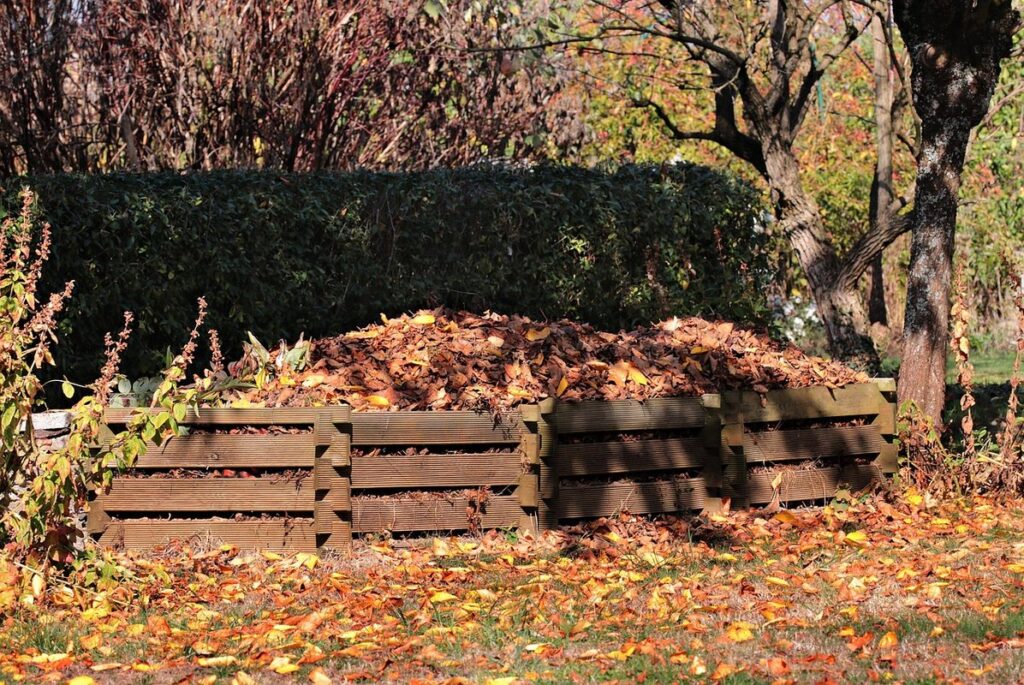
Benefits and Importance of Composting Autumn Leaves
Composting autumn leaves is not just a great way to reduce waste, but it also offers numerous benefits for your garden’s health and soil quality. Let’s explore these advantages in more detail below.
Why Compost Autumn Leaves?
Composting autumn leaves is an environmentally conscious decision that offers numerous benefits. When you choose to compost, you’re reducing the amount of waste sent to landfills. Autumn leaves make up a significant portion of yard waste, and by composting them, you’re diverting this waste from overflowing landfills. This helps conserve landfill space and reduces greenhouse gas emissions.
Composting autumn leaves also conserves water. When you add these leaves to your compost pile, they release nutrients that improve soil structure and increase its ability to retain moisture. This means you’ll need to water your plants less frequently, saving you time and money on your water bill.
In addition to reducing waste and conserving resources, composting autumn leaves improves soil health. As the leaves break down, they add valuable nutrients like nitrogen, phosphorus, and potassium to the soil. These nutrients promote healthy microbial activity, which in turn enhances plant growth and resistance to disease.
How Composting Autumn Leaves Helps with Seasonal Cleaning
As autumn leaves begin to fall, many of us struggle with the aftermath. But did you know that composting these leaves can be a game-changer for seasonal cleaning? Not only does it reduce leaf litter, but it also helps maintain your garden’s appearance and prevents pest infestations.
Composting autumn leaves is an effective way to manage leaf litter. Instead of raking them up and disposing of them, you can add them to your compost pile. This reduces the amount of waste sent to landfills and creates a nutrient-rich soil amendment for your garden. To make the most of this process, be sure to shred or chop your leaves before adding them to the pile.
Regularly composting autumn leaves also helps maintain your garden’s appearance. Leaves that are left on the ground can create an unsightly layer, but by incorporating them into the compost, you’ll avoid this issue altogether. Additionally, composted leaves can help retain moisture in the soil and regulate soil temperature, keeping your plants happy and healthy.
By composting autumn leaves, you’re also taking a proactive approach to pest control. Leaves are a haven for pests like rodents, slugs, and snails. By breaking them down through composting, you’ll eliminate this attractant, reducing the risk of infestation in your garden.
The Impact on Soil Health and Ecosystem Balance
When autumn leaves are composted and added to soil, they bring about numerous benefits that can significantly enhance soil health. One of the most notable advantages is improved soil structure. Composted leaves help to increase the humus content in the soil, which in turn improves its water-holding capacity and aeration. This leads to better root growth and overall plant development.
As autumn leaves break down into nutrient-rich compost, they also contribute to increased fertility. The high levels of carbon present in leaves act as a natural fertilizer, providing essential nutrients for microorganisms that help decompose the organic matter. These microbes, in turn, release beneficial compounds like humic acid and fulvic acid that promote plant growth.
Composting autumn leaves also has a positive impact on ecosystem balance by promoting biodiversity. The diverse array of leaf types and sizes provides a habitat for various microorganisms, insects, and small animals. This rich tapestry of life supports the development of a balanced soil food web, which is essential for maintaining healthy ecosystems.
Collecting and Preparing Autumn Leaves for Composting
Collecting autumn leaves is just the first step in turning them into nutrient-rich compost for your garden. Here, we’ll show you how to gather and prepare these fallen treasures for the compost pile.
Gathering Materials and Equipment Needed
Before you start collecting and preparing autumn leaves for composting, it’s essential to gather the necessary materials and equipment. This will make the process more efficient and effective. Start by gathering a sturdy leaf rake with long handles, perfect for reaching into dense piles of leaves without straining your back.
You’ll also need a tarpaulin or large drop cloth to collect and transport leaves from one area to another. A garden trowel or small shovel will come in handy for scooping up smaller piles of leaves and adding them to the compost bin. Additionally, consider using twine or rope to secure tarps in place and prevent them from blowing away in windy conditions.
Other useful items include a wheelbarrow or bucket to transport leaves to your composting area, as well as gloves to protect your hands from thorns and other debris. Make sure your equipment is in good condition before starting the collection process. This will save you time and energy in the long run.
Tips for Efficient Leaf Collection and Storage
Collecting and storing autumn leaves efficiently is crucial for successful composting. To handle heavy loads, consider investing in a leaf rake with a sturdy handle and wide head to make gathering easier. You can also use a lawn mower with a collection bag or a vacuum-style leaf collector to quickly gather fallen leaves.
To minimize contamination, collect leaves from areas that haven’t been treated with pesticides or herbicides. Avoid mixing diseased or moldy leaves with healthy ones as this can spread the issue and compromise your compost’s quality. Store collected leaves in a dry area out of direct sunlight, as excessive moisture can lead to mold and rot.
Maintain leaf freshness by regularly turning the pile to aerate it, ensuring oxygen reaches all layers. This helps prevent anaerobic conditions that foster pathogens and unpleasant odors. Monitor temperature, aiming for 130°F to 140°F (54°C to 60°C) for optimal decomposition. By following these tips, you’ll be well on your way to creating nutrient-rich compost from autumn leaves.
Preparing Leaves for Composting: Grinding or Chipping
When it comes to preparing autumn leaves for composting, grinding or chipping them into manageable pieces is an essential step. This process not only breaks down the leaves’ cell walls but also exposes their nutrients to microorganisms, speeding up the decomposition process.
There are two primary methods of grinding or chipping autumn leaves: using a chipper or a lawn mower with a mulching attachment. A chipper is typically more efficient and effective, producing uniform pieces that will break down quickly in your compost pile. On the other hand, using a lawn mower with a mulching attachment can be a cost-effective alternative, but it may leave behind larger chunks that take longer to decompose.
Grinding or chipping leaves also has several benefits for your garden soil. For one, it increases the surface area of the leaves, allowing microorganisms to access more nutrients and speeding up decomposition. Additionally, grinding or chipping reduces the risk of matting and anaerobic conditions in your compost pile.
Composting Process and Techniques
Now that we’ve covered the benefits of composting autumn leaves, let’s dive into the process and techniques to get you started on creating nutrient-rich soil for your garden. We’ll break down each step of the process.
Choosing the Right Composting Method
When it comes to composting autumn leaves, you have several methods to choose from. The right method for you will depend on your space constraints, the type of materials you’re working with, and your desired level of effort.
Hot composting is a popular method that involves creating a controlled environment where microorganisms break down the leaves quickly. This method requires regular turning and monitoring of temperature, typically between 130°F to 140°F (54°C to 60°C). It’s ideal for those who want fast results and are willing to put in the work.
Cold composting, on the other hand, is a low-maintenance approach that involves layering materials and letting nature take its course. This method can take several months or even years, but it produces rich compost without much effort.
If you’re interested in a unique method, consider vermicomposting – using worms to break down your leaves. This approach requires a worm bin with adequate ventilation and moisture control. It’s perfect for those who want nutrient-rich compost without the need for frequent turning or monitoring of temperature.
Consider your lifestyle and preferences when choosing a method. You can also experiment with combining different methods to achieve the best results for your autumn leaf composting needs.
Balancing Carbon-Rich Autumn Leaves with Green Materials
When composting autumn leaves, it’s essential to strike a balance between carbon-rich materials and green materials. Autumn leaves are predominantly made up of carbon, which is great for providing structure and texture to your compost. However, excessive amounts can lead to a lack of nitrogen, causing the pile to become too dry and slowing down the decomposition process.
To avoid this issue, you should supplement your autumn leaves with green materials like grass clippings, kitchen scraps, or fruit and vegetable peels. These materials are high in nitrogen and will help balance out the carbon-rich leaves. Aim for a mix of 2/3 carbon-rich materials (autumn leaves) to 1/3 green materials. For example, if you have a large pile of autumn leaves, add about one-third the amount of grass clippings or kitchen scraps on top.
This balanced mix will ensure your compost is rich in nutrients and microorganisms, making it perfect for fertilizing your garden come springtime. By following this simple ratio, you’ll be able to create a thriving compost ecosystem that breaks down materials efficiently and effectively.
Monitoring Compost Quality and Turning the Pile
Monitoring compost quality is crucial to ensure that it breaks down efficiently and effectively. To do this, check on your pile regularly by gently digging into the center with a shovel or stick. Look for a mix of texture – ideally, you should see a balance between dry leaves, moist soil, and earthy humus. If the pile feels too wet, add more carbon-rich materials like shredded newspaper or bark chips; if it’s too dry, sprinkle some water over it.
Smell is another indicator of compost quality. A healthy pile will have an earthy, slightly sweet aroma. If your pile smells strongly of ammonia or has a sour odor, this can be a sign that the nitrogen-to-carbon ratio is off balance. To rectify this, you may need to add more carbon-rich materials or aerate the pile.
Temperature-wise, compost piles can get quite hot – ideally, they should reach temperatures between 130°F and 140°F (54°C to 60°C). If your pile has reached these temperatures, let it cool down before turning. To speed up the breakdown process, turn your pile every 7-10 days using a shovel or compost aerator. This will help oxygen flow in and allow carbon and nitrogen-rich materials to mix together more evenly.
Challenges and Solutions in Composting Autumn Leaves
One of the biggest challenges you’ll face when composting autumn leaves is balancing their high carbon content with the rest of your compost pile’s ingredients. We’ll explore solutions to help you overcome this obstacle in the next few paragraphs.
Common Problems Encountered During Composting
When composting autumn leaves, several common problems can arise if not managed properly. One of the most significant issues is mold growth. This can be caused by excessive moisture, inadequate aeration, or an imbalance in the carbon-to-nitrogen ratio. To prevent mold growth, ensure that your compost pile has good airflow by mixing it regularly and adding materials like straw or shredded newspaper to improve aeration.
Another challenge is pest infestations. Autumn leaves are particularly susceptible to pests like rodents, snakes, and insects, which can be attracted to the moisture-rich environment of the compost pile. To minimize this risk, keep your compost pile away from buildings and secure any entry points with hardware cloth or fine mesh.
Inadequate aeration is another common problem when composting autumn leaves. Without sufficient oxygen, decomposition slows down, leading to unpleasant odors and attracting pests. Regularly turning the compost pile will help introduce oxygen and speed up the decomposition process.
Troubleshooting Tips and Best Practices
When issues arise with composting autumn leaves, it’s essential to have a plan for troubleshooting common problems. One major concern is pest control. To prevent pests like rodents and raccoons from raiding your compost pile, ensure that the area surrounding the bin is free of debris and secure. You can also add a layer of chicken wire or hardware cloth around the bin to deter these unwanted visitors.
Maintaining optimal moisture levels in your compost pile is another critical aspect of successful leaf composting. If the leaves are too dry, they may not break down properly, while excessive moisture can lead to unpleasant odors and pest infestations. Aim for a mix that’s damp but not soggy – like a damp sponge.
Regularly monitoring your compost pile’s moisture levels and making adjustments as needed will help you avoid these issues. You can also use the “3-bin system” where one bin is actively being used, another is in the process of breaking down leaves, and the third is finished compost. This approach allows for more efficient management of leaf materials and helps maintain optimal moisture levels.
By implementing a few simple strategies and staying on top of pest control and moisture management, you can ensure that your autumn leaves are successfully composted and transformed into nutrient-rich soil amendment for your garden.
Tips for Year-Round Leaf Management and Composting
Now that you’ve got a stockpile of autumn leaves, let’s dive into some valuable tips for managing them year-round and turning them into nutrient-rich compost. Effective leaf management is key to maintaining your garden’s health.
Seasonal Strategies for Managing Autumn Leaves
As autumn leaves begin to fall, it’s essential to consider seasonal strategies for managing them effectively. During this time, focus on collecting and storing leaves to maintain their nutrient-rich quality. Aim to collect at least 2-3 inches of leaf litter to create a robust compost pile.
In winter months, store the collected leaves in an airy, dry area to prevent moisture buildup. This will help prevent mold growth and keep the leaves from becoming soggy. You can also consider storing them in burlap bags or wire mesh containers with holes for ventilation.
As spring approaches, incorporate your stored autumn leaves into your compost pile. Use a mix of ‘green’ materials like food scraps and grass clippings to balance out the carbon-rich leaves. This will create an optimal environment for microorganisms to break down the organic matter efficiently. Aim to turn your compost pile every 7-10 days to maintain oxygen flow and speed up decomposition.
By following these seasonal strategies, you’ll be able to make the most of spring growth while creating nutrient-dense compost for your garden.
Integrating Composting into Your Garden Routine
Incorporating composting into your garden routine is essential for maintaining long-term soil health and ecosystem balance. By making composting a year-round practice, you’ll be able to harness the full potential of autumn leaves and other organic materials. To do this effectively, start by dividing your yard into sections based on plant type and age.
For example, create separate piles for leaves from mature trees, shrubs, and perennials. This will allow you to tailor your composting approach to each section’s unique needs. Regularly add a mix of “green” materials like kitchen scraps, grass clippings, and fresh manure to balance out the carbon-rich brown materials like autumn leaves.
As you integrate composting into your routine, remember that it’s not just about disposing of waste but creating a nutrient-rich soil amendment. By regularly turning your compost piles and monitoring their moisture levels, you’ll be able to create a finished product in as little as six months.
Conclusion: The Value of Composting Autumn Leaves
Now that you’ve learned how to collect, process, and manage your autumn leaves for composting, let’s discuss why it all matters in this final section.
Recap of Key Benefits and Takeaways
By now, you’ve seen firsthand the benefits of composting autumn leaves. Let’s recap some of the key advantages we’ve covered throughout this comprehensive guide.
Composting autumn leaves is an environmentally friendly way to reduce waste and create a nutrient-rich soil amendment for your garden. By doing so, you’ll decrease the amount of organic matter sent to landfills, which reduces greenhouse gas emissions and helps mitigate climate change.
In terms of economic value, composting autumn leaves saves you money on fertilizers and other soil conditioners. A single batch of compost can replace up to 20 bags of peat moss or potting mix, making it a cost-effective solution for gardeners.
Practically speaking, composting autumn leaves also improves soil structure, increases water retention, and supports healthy microbial activity. By incorporating compost into your gardening routine, you’ll enjoy healthier plants, reduced pests and diseases, and a more sustainable growing environment. Remember to follow the steps outlined in this guide to get started with composting your autumn leaves today!
Encouragement to Adopt Composting as a Sustainable Practice
As you’ve made it through this comprehensive guide on composting autumn leaves, we hope you’re feeling empowered to give this sustainable practice a try. Composting is more than just reducing waste; it’s an opportunity to create nutrient-rich soil for your garden and play a part in reducing the environmental impact of food and yard waste. By adopting composting as a regular habit, you’ll not only be doing yourself and your garden good, but also contributing to a broader movement towards sustainability.
As you begin this journey, remember that every small step counts. Start by setting aside a designated area for your compost pile, and gather materials like autumn leaves, vegetable scraps, and other organic waste. Be mindful of the balance between ‘green’ (nitrogen-rich) and ‘brown’ (carbon-rich) materials to ensure optimal decomposition.
Don’t be discouraged if things get a little messy at first – with practice, you’ll become more efficient at turning your compost into a valuable resource for your garden.
Frequently Asked Questions
Can I compost autumn leaves from trees that have been sprayed with pesticides?
Yes, it’s still possible to compost autumn leaves from trees treated with pesticides, but it’s essential to follow proper guidelines to minimize potential contamination risks. Consider adding a higher proportion of “green” materials (like fresh grass clippings or manure) to balance out the toxic substances. Regularly monitoring your compost pile’s temperature and turning it regularly can also help break down any pesticide residues.
How do I know if my compost pile is too dry or too wet?
A well-balanced compost pile should have a moisture content of about 40-60%. If your pile seems too dry, add water to maintain the optimal moisture level. Conversely, if it’s excessively damp, turn the pile to aerate and allow excess water to evaporate. A simple test is to squeeze a handful of compost – if it forms a tight ball, it may be too wet; if it crumbles easily, it might be too dry.
Can I add autumn leaves that have been rained on to my compost?
Autumn leaves collected after rain can still be added to your compost pile. The water won’t harm the composting process and will actually help to break down the leaves more efficiently. Just ensure you balance the carbon-rich leaves with sufficient “green” materials to maintain a healthy C:N ratio.
How often should I turn my autumn leaf compost pile?
Regular turning of your compost pile is crucial for maintaining oxygen flow, which helps speed up decomposition. Aim to turn your pile every 7-10 days during the initial weeks, and then gradually reduce frequency as it matures. This will also help prevent matting and ensure even carbon-to-nitrogen ratios.
Can I use my autumn leaf compost in containers or only for garden beds?
Composted autumn leaves can be used in both container gardens and raised beds, provided you follow some guidelines. Make sure to mix the finished compost with other potting soils to create a balanced blend suitable for containers. Also, add a 2-3 inch layer of mature compost at the bottom of your container before adding plants, as this will help improve drainage and aeration.