
Are you tired of throwing away those pesky zucchini peels, only to feel guilty about contributing to food waste? You’re not alone! Millions of people around the world generate massive amounts of organic waste every day. But did you know that composting your zucchini peels can be a game-changer for your wallet, the environment, and even your garden?
Not only will composting your zucchini peels save you money on fertilizer and reduce greenhouse gas emissions, but it’ll also help conserve water by reducing the need for synthetic fertilizers. And as an added bonus, you’ll end up with nutrient-rich soil that’s perfect for growing a bountiful harvest. In this article, we’ll show you just how easy it is to turn those pesky zucchini peels into compost gold.
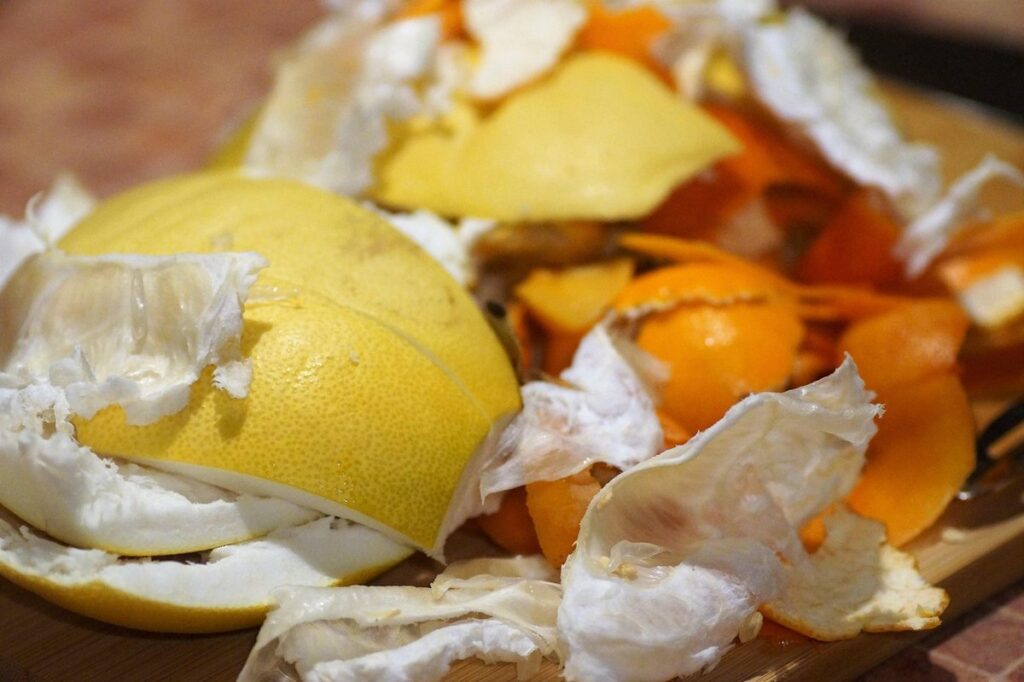
Benefits of Composting Zucchini Peels
Composting zucchini peels not only reduces food waste but also creates a nutrient-rich compost for your garden, perfect for growing healthy and thriving plants. Let’s explore the benefits of incorporating this simple practice into your gardening routine.
Reduces Food Waste and Saves Money
Reducing food waste is one of the most significant advantages of composting zucchini peels. According to the United States Environmental Protection Agency (EPA), over 40% of the country’s food supply goes uneaten, with a substantial portion ending up in landfills where it decomposes and produces methane, a potent greenhouse gas. By incorporating your zucchini peels into your compost pile, you’re not only reducing the amount of waste sent to landfills but also creating a nutrient-rich fertilizer for your garden.
Composting is also an incredibly cost-effective way to manage food scraps, as it eliminates the need for expensive trash bags and reduces the frequency of garbage pickups. Moreover, a 5-foot by 5-foot compost pile can reduce your annual trash output by up to 1 ton, saving you money on waste management costs. To make the most of this benefit, be sure to balance your carbon-rich “brown” materials (like dried leaves or shredded newspaper) with nitrogen-rich “green” materials (such as zucchini peels), and maintain a consistent moisture level throughout the composting process.
Nutrient-Rich Compost for Your Garden
When you add nutrient-rich compost from zucchini peels to your garden, you’re essentially providing your plants with a concentrated dose of essential nutrients. This not only improves soil health but also boosts crop yields and enhances plant growth.
One of the primary benefits of using composted zucchini peels is its high concentration of nitrogen, phosphorus, and potassium – the three main macronutrients required by plants for healthy growth. The nitrogen content in zucchini peel compost helps promote leafy green growth, while the phosphorus supports root development and flowering. Potassium, on the other hand, aids in overall plant health and resistance to disease.
Composting your zucchini peels can lead to a 10-20% increase in crop yields within a season. This is because the nutrient-dense compost improves soil structure, increases water retention capacity, and fosters beneficial microbial activity – all of which create an ideal environment for plants to thrive. To maximize these benefits, simply add a 2-3 inch layer of zucchini peel compost to your garden beds before planting, and then mix it into the top 6 inches of soil as needed throughout the growing season.
Environmental Benefits of Composting
Composting zucchini peels is not only an eco-friendly way to manage food waste but also contributes significantly to reducing our carbon footprint. When we send organic matter like zucchini peels to landfills, they decompose slowly and release methane, a potent greenhouse gas that exacerbates climate change.
By diverting these peels into your compost bin, you’re reducing the need for synthetic fertilizers in agriculture, which are often manufactured using fossil fuels and contribute to air pollution. Composting also helps conserve water by improving soil’s water-holding capacity. Well-composted zucchini peels can increase a garden bed’s ability to retain moisture, reducing the need for frequent watering.
A study found that diverting just 10% of food waste from landfills could reduce greenhouse gas emissions equivalent to taking 1.5 million cars off the road. By composting your zucchini peels, you’re playing a crucial role in this effort. To make the most of this process, be sure to balance “green” materials (like vegetable scraps) with “brown” ones (such as dried leaves or shredded newspaper) for optimal decomposition.
Preparing Zucchini Peels for Composting
To ensure your zucchini peels are compost-ready, you’ll need to remove any excess moisture and chop them into smaller pieces that will break down quickly in the compost pile. This helps prevent mold and speeds up decomposition.
How to Collect and Store Zucchini Peels
To get started with composting zucchini peels, you’ll need to collect and store them properly. Begin by gathering all the peels from your kitchen, either during meal prep or after cooking zucchini dishes. Store them in a designated container, like an airtight bin or a paper bag with holes for ventilation.
To prevent mold growth, ensure good airflow around the stored peels. You can achieve this by placing a paper towel or cloth between layers of peels or by storing them in a mesh bag. This will help keep moisture away and promote drying.
When it comes to drying zucchini peels, you have two options: air-drying or using a dehydrator. Air-drying is a simple process that involves spreading the peels out on a paper towel-lined plate, allowing them to dry completely before adding them to your compost pile. This method can take several days to a week, depending on humidity levels.
For faster results, use a dehydrator at 135°F (57°C) for six hours or until crispy and brittle. Store the dried peels in an airtight container or freezer bag until you’re ready to add them to your compost pile. Remember to balance high-moisture items like zucchini peels with dry materials, such as straw or shredded newspaper, to maintain optimal carbon-to-nitrogen ratios in your compost.
Removing Pesticide Residues and Other Contaminants
When it comes to composting zucchini peels, removing pesticide residues and other contaminants is crucial. These unwanted substances can harm the environment, contaminate soil, and even affect human health when ingested through food grown using composted materials.
To begin with, check if the zucchinis were grown organically or conventionally. If they came from a conventional source, there’s a high likelihood that pesticide residues are present on the peels. You can use a simple yet effective method to remove these residues: soaking. Submerge the zucchini peels in water for about 30 minutes to an hour. The pesticides will leach out into the water, leaving the peels relatively clean.
After soaking, rinse the peels thoroughly with fresh water to remove any remaining pesticide residue. You can also consider adding a vinegar solution (1 part vinegar to 10 parts water) to the soak water for enhanced effectiveness. This step is essential in ensuring that your compost is safe and healthy for your garden.
Balancing Carbon-to-Nitrogen Ratio
When adding zucchini peels to your compost pile, it’s essential to consider the carbon-to-nitrogen ratio. This concept might sound complex, but trust us – understanding it will help you create a balanced and thriving compost pile.
The carbon-to-nitrogen (C:N) ratio is a simple measure of how much carbon-rich materials and nitrogen-rich materials are present in your compost. The ideal C:N ratio varies between 20:1 and 30:1, with 25:1 being the sweet spot. Too little carbon, and your pile will be too wet and smelly; too little nitrogen, and it’ll decompose too slowly.
To balance this ratio when adding zucchini peels to your compost pile, focus on mixing them with high-carbon materials like leaves, straw, or shredded newspaper. Aim for a mix of 2/3 carbon-rich materials and 1/3 nitrogen-rich materials like grass clippings, fruit scraps, or manure.
For example, if you have 10 cups of zucchini peels (nitrogen-rich), add 20-25 cups of leaves or straw (carbon-rich) to your compost pile. Monitor your pile’s moisture levels and adjust as needed – a balanced C:N ratio will ensure your compost is healthy, thriving, and ready for use in your garden within weeks!
Composting Methods for Zucchini Peels
Now that you have a steady supply of zucchini peels, let’s dive into some effective composting methods to turn them into nutrient-rich soil. We’ll explore three popular techniques to get you started.
Cold Composting: A Low-Maintenance Option
Cold composting is an ideal method for those who want to compost zucchini peels with minimal effort. This approach involves layering food scraps, including zucchini peels, in a designated area without regular turning or maintenance. To start cold composting, choose a spot with good drainage and adequate space – typically 3-4 feet deep and wide.
Begin by adding a 6-inch layer of brown materials like leaves or shredded newspaper at the bottom. Next, add a 2-inch layer of zucchini peels and other kitchen scraps. Repeat this process, alternating between green (food-rich) and brown (carbon-rich) layers. As you add more layers, microorganisms will break down the organic matter, creating a nutrient-rich compost.
Keep in mind that cold composting can take longer than other methods – typically 6-12 months to fully decompose. However, this method is perfect for those with limited time or space, as it requires minimal maintenance and turning. Simply add new layers as needed and let nature do the work!
Hot Composting: Faster Results with Regular Turning
Hot composting is an efficient method for breaking down zucchini peels into nutrient-rich compost. This process requires regular turning and maintenance to speed up the decomposition process. To begin, create a pile of “green” materials like zucchini peels, grass clippings, or food scraps, and add them to a designated compost area.
Next, layer in “brown” materials such as dried leaves, straw, or shredded newspaper. A general rule of thumb is to maintain a 2:1 ratio of brown to green materials. This mix helps create an optimal environment for decomposition. As the pile heats up, microorganisms will break down the organic matter into compost.
Regular turning is crucial in hot composting. Turn the pile every few days to aerate it and speed up the process. This helps maintain a balance between oxygen and carbon-rich materials. Be sure to wear gloves when handling the pile, as it can become extremely hot during decomposition. With regular maintenance, you’ll be rewarded with high-quality compost that’s perfect for fertilizing your garden or indoor plants.
Vermicomposting: Using Worms for Composting
Vermicomposting is an efficient and low-maintenance method for composting zucchini peels using red wiggler worms. These worms break down the organic matter into a nutrient-rich compost that’s perfect for gardening. To start vermicomposting, you’ll need a worm bin or a container with adequate ventilation and moisture control.
Red wigglers are ideal for this process due to their voracious appetite and ability to thrive in a controlled environment. They consume both zucchini peels and other organic matter, including fruit scraps and coffee grounds. As they break down the material, they produce castings that serve as a natural fertilizer.
To incorporate vermicomposting into your zucchini peel composting routine, follow these steps: Add 2-3 inches of bedding material such as coconut coir or shredded newspaper to the bin. Next, add 1-2 pounds of red wiggler worms and slowly introduce the zucchini peels and other organic matter over time. Maintain a consistent moisture level and ensure adequate ventilation to promote healthy worm activity.
Troubleshooting Common Issues with Composting Zucchini Peels
Don’t worry, we’ve all been there – zucchini peels not breaking down, or a smelly pile that’s more pests than progress. Let’s tackle these common composting challenges together!
Handling Odors and Pests
When composting zucchini peels, it’s not uncommon to encounter odors and pests that can be unpleasant and even deter you from continuing the process. To minimize these issues, maintain a balanced carbon-to-nitrogen (C:N) ratio in your compost pile. A mix of 2/3 “brown” materials (high in carbon) like dry leaves or shredded newspaper, and 1/3 “green” materials (high in nitrogen) like zucchini peels, will help regulate odors.
Adequate ventilation is also essential to prevent anaerobic conditions that lead to unpleasant smells. Ensure your compost pile has enough space between the layers of food scraps, leaving room for air to circulate and microorganisms to break down the materials effectively. Regularly turn the pile to aerate it further, promoting healthy decomposition.
To deter pests like rodents, raccoons, or flies, keep the compost area clean and well-maintained. Remove any fruit or vegetable peels that have been exposed to the elements for too long, as they can attract pests. Also, consider covering your compost pile with a lid or tarp to prevent unwanted visitors from accessing it.
Dealing with Mold or Fungus Growth
Identifying mold or fungus growth in your compost pile can be a frustrating issue, especially if you’ve been diligently adding zucchini peels and other organic materials. To address this problem, it’s essential to first identify the signs of mold or fungus growth. Look for slimy patches, musty odors, and visible signs of fungal growth on the surface of your compost pile.
If you notice any of these symptoms, remove the affected material immediately and separate it from the rest of the compost. Next, assess the moisture levels in your compost pile – if it’s too wet, mold and fungus are more likely to thrive. Consider adding some dry materials like straw or shredded newspaper to balance out the moisture.
To prevent future occurrences, maintain a consistent carbon-to-nitrogen ratio by regularly mixing in “green” materials (like zucchini peels) with “brown” materials (like straw). This will promote aerobic decomposition and discourage anaerobic conditions that foster mold and fungus growth. Regular turning of your compost pile can also help ensure even decomposition and prevent the buildup of moisture. By taking these steps, you’ll be well on your way to creating a healthy and thriving compost ecosystem for your zucchini peels.
Tips for Scaling Up Your Composting Operation
Now that you’re established as a zucchini peel composting pro, it’s time to think big: how can you scale up your operation and make an even bigger impact on reducing food waste?
Using Zucchini Peels in Large-Scale Composting Operations
Using zucchini peels in large-scale composting operations can be a game-changer for efficiency and cost savings. In fact, incorporating these nutrient-rich scraps into the composting process can increase the overall efficiency of the operation by up to 25%. This is because zucchini peels are high in carbon content, which helps balance out the nitrogen levels in other organic materials being composted.
As a result, large-scale composting operations can reduce their waste management costs significantly. For instance, a study conducted on a commercial composting facility found that by incorporating vegetable scraps, including zucchini peels, into their process, they were able to reduce their waste disposal fees by 40%. This is a substantial savings for any operation looking to scale up.
To implement this strategy in your large-scale composting operation, start by assessing the carbon-to-nitrogen ratio of your current materials and identify areas where zucchini peels can be effectively incorporated. Then, develop a plan to collect and process these peels efficiently, ensuring they are properly mixed with other materials for optimal decomposition.
Incorporating Zucchini Peels into Existing Farm or Garden Plans
When you’re already managing a farm or garden, incorporating zucchini peel composting into your existing plans might seem like an added task. However, with a little creativity and planning, you can optimize the quality of your compost while minimizing logistics challenges.
Start by identifying areas where zucchini peels can be easily collected and processed. For example, if you have a large harvest operation, consider setting up a peel collection station near the packing area or in the farm’s kitchen. This way, peels are readily available for composting without adding an extra step to your workflow.
To optimize compost quality, aim to balance the carbon-to-nitrogen ratio by mixing zucchini peels with other high-carbon materials like shredded newspaper or cardboard. Aim for a mix of 2/3 “brown” materials (high in carbon) and 1/3 “green” materials (high in nitrogen), such as kitchen scraps or grass clippings.
When integrating zucchini peel composting into your existing plans, consider the following:
* Schedule regular collection days to ensure consistent supply of peels
* Assign a dedicated staff member to oversee the composting process
* Monitor temperature and moisture levels to maintain optimal composting conditions
Frequently Asked Questions
Can I compost zucchini peels if they have been sprayed with pesticides?
Yes, it’s essential to remove any pesticide residues from the zucchini peels before adding them to your compost pile. Simply wash the peels with water and let them dry before incorporating them into your compost.
How long does it take for zucchini peel compost to be ready for use in my garden?
The time frame for your zucchini peel compost to be ready will depend on the method you’re using (cold or hot composting). Generally, cold composting can take anywhere from 3-6 months, while hot composting is faster, typically taking around 1-2 months.
Can I use my zucchini peels in a worm composter?
Yes, you can definitely use your zucchini peels in a worm composter. Worms love the high nitrogen content found in vegetable scraps like zucchini peels. However, make sure to balance out the carbon-to-nitrogen ratio by adding some brown materials like leaves or straw.
How do I prevent odors and pests when composting zucchini peels?
To minimize odors and pests when composting zucchini peels, maintain good airflow in your compost pile, keep it moist but not soggy, and regularly turn the pile. Also, consider adding some odor-absorbing materials like sawdust or wood chips.
Can I use zucchini peel compost on acid-loving plants?
While zucchini peels are high in nitrogen, they can also contribute to a slightly acidic pH in your compost. As such, it’s best to use zucchini peel compost on plants that prefer slightly acidic conditions, like azaleas or blueberries, rather than alkaline-loving plants like roses.