
As you carve into that perfect fall pumpkin, you might be wondering what to do with the leftover gourd. While it may seem like a small issue, discarding your pumpkin can contribute to waste and unnecessary environmental impact. But there’s good news: by composting your fall pumpkin, you can not only reduce waste but also create nutrient-rich soil for your garden. This is where things get really interesting – by turning your pumpkin into compost, you’ll be minimizing your ecological footprint while enriching the soil that helps your plants thrive. In this article, we’ll show you how to easily compost your fall pumpkin and why it’s an essential step in reducing waste and promoting sustainability in your garden.
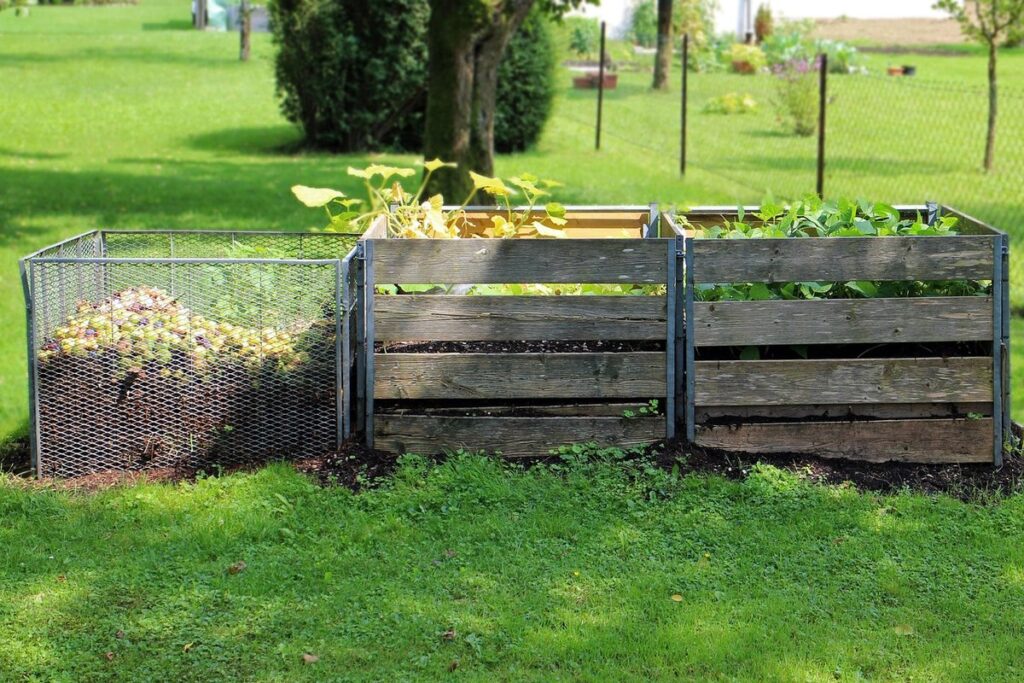
Benefits of Composting Pumpkins
Composting pumpkins not only reduces waste, but it also creates a nutrient-rich soil amendment for your garden that’s bursting with beneficial microorganisms. Let’s dive into the advantages of composting this fall favorite.
Why Compost Your Pumpkin?
Composting your pumpkin is an incredibly beneficial practice for both the environment and your garden. By composting your fall pumpkin, you’ll be reducing waste sent to landfills and creating a nutrient-rich soil amendment that will help your plants thrive.
When you throw away your pumpkin, it’s likely ending up in a landfill where it will decompose slowly and release methane, a potent greenhouse gas. Composting it, on the other hand, allows the natural process of decomposition to happen quickly and efficiently, producing a valuable resource for your garden. This is especially important since pumpkins are high in nutrients like nitrogen, phosphorus, and potassium.
To make the most of composting your pumpkin, be sure to chop it into smaller pieces before adding it to your pile. This will help it break down more quickly and evenly mix with other compost materials. You can also add a handful of soil or finished compost to help speed up the decomposition process. By taking just a few simple steps, you’ll not only reduce waste but also create a rich, fertile soil that will give your plants the nutrients they need to grow strong and healthy.
Environmental Impact of Disposing of Pumpkins
When you think about it, tossing away that majestic fall pumpkin after Halloween might seem harmless. But the truth is, it contributes to a significant environmental issue: waste management. In the United States alone, over 1 billion pumpkins are discarded every year. This staggering number ends up in landfills, where they decompose and produce methane – a potent greenhouse gas responsible for climate change.
The impact of pumpkin disposal goes beyond just carbon emissions. As organic waste, pumpkins take up valuable space in landfills that could be used for recycling or composting other materials. Furthermore, the decomposition process releases pollutants like nitrous oxide and ammonia into the atmosphere. These byproducts can harm both human health and the environment.
The good news is that composting your pumpkin is a simple solution to this problem. By turning your gourd into nutrient-rich fertilizer, you’re not only reducing waste but also creating a valuable resource for your garden.
Creative Ways to Use Up Leftover Pumpkin
Don’t let your leftover pumpkin go to waste! Get creative with these ideas and you’ll find it hard to discard them. You can use the leftovers in various ways, making it easier to compost your fall pumpkin.
One of the simplest ways is to turn it into a delicious soup or puree. Simply blend cooked, mashed pumpkin with some onions, garlic, and spices for a tasty and nutritious meal. You can also add it to baked goods like pies, bread, and muffins. Pumpkin is a great source of moisture and nutrients in baked goods.
If you’re not feeling adventurous, you can use the leftover pumpkin as a decoration. Hollow out the center and fill it with candles, flowers, or even small ornaments for a unique centerpiece. You can also use it as a planter for small plants or herbs, adding a touch of autumn charm to your home.
If you have too much pumpkin to use up immediately, consider donating it to a local animal shelter or soup kitchen. Many organizations are happy to accept fresh produce and use it to feed those in need.
Preparing Your Pumpkin for Composting
Before adding your pumpkin to the compost pile, make sure you properly clean and chop it into smaller pieces, removing any seeds and stringy pulp. This step is crucial for breaking down the organic matter quickly and evenly.
Choosing the Right Pumpkins for Composting
When selecting pumpkins for composting, it’s essential to choose varieties that are high in nutrients and low in contaminants. Look for pumpkins that are free of mold, rot, and pests. Some popular options for composting include Sugar Pie, Baby Boo, and Gourdsmen. These smaller, sweeter varieties tend to be less prone to disease and pests.
On the other hand, larger, more ornamental pumpkins like Great Pumpkin or Atlantic Giant may not be the best choice. These varieties often have thicker skins that can harbor diseases and pests, making them a poor addition to your compost pile. Additionally, some pumpkin varieties are bred for their size, rather than nutritional value, which means they won’t add much to your compost.
When selecting pumpkins, inspect them carefully before adding them to the compost pile. Look for any signs of mold or rot, and avoid using pumpkins that have been sprayed with pesticides or other chemicals. By choosing the right pumpkin varieties, you can create a nutrient-rich compost that will help your garden thrive come springtime.
Cleaning and Preparing the Pumpkin
Now it’s time to get your pumpkin ready for composting. Start by gently washing the pumpkin with mild soap and warm water to remove any dirt or debris that may be clinging to its surface. This will help prevent any unwanted pests or diseases from transferring to your compost pile.
Next, remove the seeds and stems from the pumpkin using a spoon or your fingers. You can either add these to the compost pile as well, or set them aside for another use – like roasting the seeds as a healthy snack! Be sure to scrape out as much of the stringy pulp and fibers as possible, as these will break down quickly in your compost.
Also, inspect the pumpkin for any signs of mold or rot. If it’s past its prime, it may be better to discard it altogether rather than risking contamination of your compost pile. Once cleaned and prepared, you can chop the pumpkin into smaller pieces to make it easier to mix with other compost materials. This will help speed up the decomposition process and ensure a nutrient-rich end product for your garden.
Removing Any Decorations or Coatings
Before adding your pumpkin to the compost pile, it’s essential to remove any decorations that may hinder the composting process. Ribbons, artificial flowers, and other embellishments can’t be composted as they’re made from non-biodegradable materials.
Start by carefully removing any ribbons or ties around the stem of your pumpkin. Gently untie them, taking care not to damage the surrounding skin. If the ribbon is stuck due to dried adhesive, you may need to soak it in water for a few minutes before attempting to remove it.
Similarly, if your pumpkin has been spray-painted, you’ll need to scrape off the paint using a gentle scrubber or sandpaper. Be sure to avoid scratching the underlying surface of the pumpkin, as this can lead to uneven decomposition and potential contamination of the compost pile.
By removing any non-biodegradable decorations, you’re allowing your pumpkin to break down naturally and efficiently in the compost pile. This will ensure that your fall decoration becomes a valuable nutrient-rich resource for your garden come springtime.
Composting Methods: Aerobic vs. Anaerobic
When it comes to composting your fall pumpkin, choosing the right method is crucial for breaking down those tough vines and seeds effectively.
Composting methods can be broadly categorized into aerobic and anaerobic approaches.
Aerobic Composting Method
The aerobic composting method is a popular and effective way to turn your fall pumpkin into nutrient-rich compost. This process involves oxygen being present throughout the decomposition of organic materials, which helps to speed up the process while minimizing odors and pests. To set up an aerobic compost pile, start by layering “green” materials like kitchen scraps, grass clippings, or manure, which are high in nitrogen and moisture. These should be mixed with a 2:1 ratio of “brown” materials such as dried leaves, straw, or shredded newspaper, which provide carbon and help to absorb excess moisture.
In the context of composting your fall pumpkin, you can add it to the pile along with other yard trimmings like dead flowers or branches. Regularly mixing the pile will introduce oxygen and speed up decomposition. Aim for a mix that’s 1/3 “green” materials and 2/3 “brown” materials. Keep in mind that the aerobic method requires more maintenance than anaerobic composting, but it produces higher-quality compost with fewer contaminants. By following these guidelines and adding your fall pumpkin to an aerobic compost pile, you’ll be creating a nutrient-rich resource for your garden without any fuss or mess.
Anaerobic Composting Method
Anaerobic composting is a method that occurs without oxygen, where microorganisms break down organic matter in the absence of air. This process can happen naturally in environments like landfills, but you can also replicate it at home using specialized containers or bins.
Benefits of anaerobic composting include faster decomposition rates and lower odors compared to aerobic methods. For fall pumpkin composting, this can be a plus as it reduces the risk of attracting pests and unpleasant smells in your yard. However, anaerobic conditions can also lead to methane production, a potent greenhouse gas that contributes to climate change.
To set up an anaerobic composting system for your fall pumpkin, you’ll need a sealed bin or container with a carbon-rich material like straw or shredded newspaper at the bottom. Add layers of your fall pumpkin scraps and other organic materials, ensuring the pile remains compacted and without air pockets. Monitor temperature and moisture levels to maintain optimal anaerobic conditions. Keep in mind that regular maintenance and monitoring are crucial to avoid any potential drawbacks associated with this method.
Tips for Maintaining a Healthy Compost Pile
To keep your compost pile healthy and thriving, it’s essential to maintain a balanced mix of “green” and “brown” materials. Green materials, such as fruit and vegetable scraps, grass clippings, and manure, are rich in nitrogen and will help speed up the decomposition process. Brown materials, on the other hand, are high in carbon and will provide structure and bulk to your pile.
To get started, aim for a mix of 2/3 brown materials and 1/3 green materials. Add a layer of brown materials such as dried leaves or shredded newspaper to your compost bin before adding any green materials. This will help absorb excess moisture and create aeration channels for microorganisms to thrive.
As you add more materials, make sure to maintain this balance by alternating between green and brown layers. For example, after adding a layer of green material like pumpkin scraps, top it with a layer of dried leaves or straw. By keeping your compost pile balanced, you’ll encourage healthy microbial activity and create nutrient-rich soil for your garden.
Regular turning of the compost pile will also help to maintain oxygen flow and prevent odors from building up. Aim to turn your pile every 7-10 days during the active decomposition phase.
Turning Your Pumpkin into Nutrient-Rich Compost
Now that you’ve broken down your pumpkin, it’s time to transform its scraps into a nutrient-rich compost that’ll give your garden new life. Let’s turn those scraps into gold!
Monitoring Temperature and Moisture Levels
Monitoring temperature and moisture levels is crucial to ensure optimal conditions for decomposition. As you’re composting your fall pumpkin, you’ll want to create an environment that’s neither too hot nor too cold, and not too dry or too wet.
To monitor the temperature of your compost pile, insert a compost thermometer into the center of the pile. The ideal temperature range is between 130°F and 140°F (54°C – 60°C). If it gets too hot, turn the pile to aerate it, as high temperatures can kill off beneficial microorganisms.
As for moisture levels, aim for a mix that’s similar to a damp sponge. If your compost pile feels dry to the touch, add water in small increments until you achieve the right consistency. On the other hand, if it’s too wet and soggy, turn the pile to aerate it and allow excess water to evaporate.
Regularly checking temperature and moisture levels will ensure that your pumpkin is breaking down efficiently and safely.
Knowing When Your Compost is Ready
As you near the end of the composting process, it’s essential to know when your pumpkin-turned-compost is ready for use. This can be a bit tricky, but don’t worry – we’ve got you covered.
First, let’s talk about texture. A finished compost should have an earthy, crumbly consistency that breaks down easily in your hands. If it’s still lumpy or chunky, give it some more time. On the other hand, if it’s too fine and powdery, it may be over-composted.
Another way to gauge readiness is by checking the color. Finished compost should have a rich, dark brown or even black hue. This indicates that the carbon-to-nitrogen ratio has been balanced, and the materials have broken down completely. Keep in mind that some types of pumpkin might retain their original color, but this shouldn’t affect their nutrient-rich value.
To be sure, it’s always a good idea to perform the “squeeze test.” Take a handful of compost and squeeze it firmly. If water drips out, it’s ready for use. If not, give it another week or two before checking again.
Using Your Finished Compost
Now that you’ve spent time and effort turning your pumpkin into nutrient-rich compost, it’s time to put it to good use. The possibilities are endless, but here are a few ideas to get you started.
Add it to garden beds: Mix the finished compost into your soil to give your plants an extra boost of nutrients. You can also use it as a top dressing for individual plants, simply sprinkle it around the base and water in. This is especially beneficial for seedlings that need a bit of TLC.
Use it on houseplants: Compost is like a superfood for indoor plants. It’s packed with essential micronutrients that promote healthy growth, strong roots, and vibrant foliage. Simply sprinkle a small amount around the base of your plant, water in, and watch as it transforms before your eyes.
Consider making compost tea: By steeping your finished compost in water, you can create a liquid fertilizer that’s rich in beneficial microbes. This is perfect for treating pests or diseases, or simply giving your plants an extra dose of nutrients.
Troubleshooting Common Issues with Pumpkin Composting
If you’re running into problems with your pumpkin compost, don’t worry – we’ve got you covered. This section will walk you through solutions to common issues that may arise during the process.
Pests or Foul Odors
As you embark on composting your fall pumpkin, it’s not uncommon to encounter some unwanted issues. One of the most frustrating problems that can arise is pests or foul odors. These issues can be a sign that your compost pile needs attention.
Pests like fruit flies, ants, and rodents are attracted to the nutrients in your pumpkin, which can lead to contamination of your compost. To deter these pests, ensure your compost pile has adequate carbon-to-nitrogen ratio, is regularly turned, and has enough moisture. Regularly checking for signs of pests and addressing them promptly will prevent infestations.
Unpleasant odors often result from inadequate aeration or too much nitrogen in the compost pile. Regular turning of the pile, adding bulking agents like straw or shredded newspaper, and ensuring adequate carbon sources can mitigate these issues. Additionally, maintaining a consistent moisture level and monitoring temperature can also help to minimize unpleasant odors.
Adding Too Much “Green” Material
When you add too much “green” material to your pumpkin compost pile, it can create an imbalance that leads to anaerobic conditions and unpleasant odors. This is because green materials are high in nitrogen, which, when over-added, can consume oxygen and create an environment where microorganisms thrive but don’t produce beneficial byproducts.
To correct this issue, you’ll need to reduce the amount of green material added to your pile or introduce more carbon-rich “brown” materials to offset the excess. Start by assessing what’s causing the imbalance – is it too many banana peels or shredded leaves? Once you identify the culprit, you can make adjustments.
A general rule of thumb is to aim for a 2/3 brown material and 1/3 green material ratio in your compost pile. To achieve this balance, try adding more shredded newspaper, straw, or coconut coir to absorb excess moisture and provide carbon. You can also incorporate more woody prunings, eggshells, or coffee grounds to boost the carbon content.
By making these adjustments, you’ll be able to maintain a healthy balance of microorganisms in your compost pile and prevent anaerobic conditions from developing. Regular monitoring and maintenance will help ensure your pumpkin compost turns out nutrient-rich and free of unpleasant odors.
Frequently Asked Questions
What’s the ideal ratio of “green” materials to pumpkins for successful composting?
The ideal ratio is 2/3 “brown” materials (dried leaves, straw) to 1/3 “green” materials (food scraps, grass clippings). This balance ensures a healthy carbon-to-nitrogen ratio and prevents anaerobic conditions.
Can I use pumpkin rinds from store-bought pumpkins for composting?
Yes, but make sure they’re free of any added preservatives or coatings. Wash them clean and chop them into smaller pieces to aid in decomposition.
How long will it take for my compost pile to break down the pumpkin?
The composting process typically takes 2-3 months, depending on factors like temperature, moisture, and carbon-to-nitrogen ratio. Monitor your pile regularly and turn it occasionally to speed up the process.
Can I add other fall decorations, like corn stalks or gourds, to my compost pile with pumpkins?
Yes, but in moderation. These materials can add valuable nutrients and structure to your compost, but too much of any one material can throw off the balance. Aim for a mix of 20-30% “brown” materials, including fall decorations.
What happens if I notice pests or foul odors in my compost pile?
No worries! Pests like fruit flies or rodents are attracted to the nutrients in your compost. Regularly turning and aerating your pile should help alleviate these issues. If you’re concerned about odor, add more “brown” materials to absorb excess moisture and carbon dioxide.