
Feeding your compost worms is an art that requires attention to their specific nutritional needs. These tiny creatures are responsible for breaking down kitchen scraps and yard waste into nutrient-rich soil, making them a crucial part of any backyard composting system. However, providing the right food sources can be challenging, especially if you’re new to worm composting. In this ultimate guide, we’ll delve into the world of compost worms’ nutrition, exploring suitable food sources, supplements, and tips for enhancing compost quality. We’ll cover everything from fruit and vegetable scraps to tea bags and eggshells, helping you understand what your worms need to thrive and how to optimize their diet for maximum effectiveness. By the end of this article, you’ll be equipped with the knowledge to feed your compost worms like a pro!
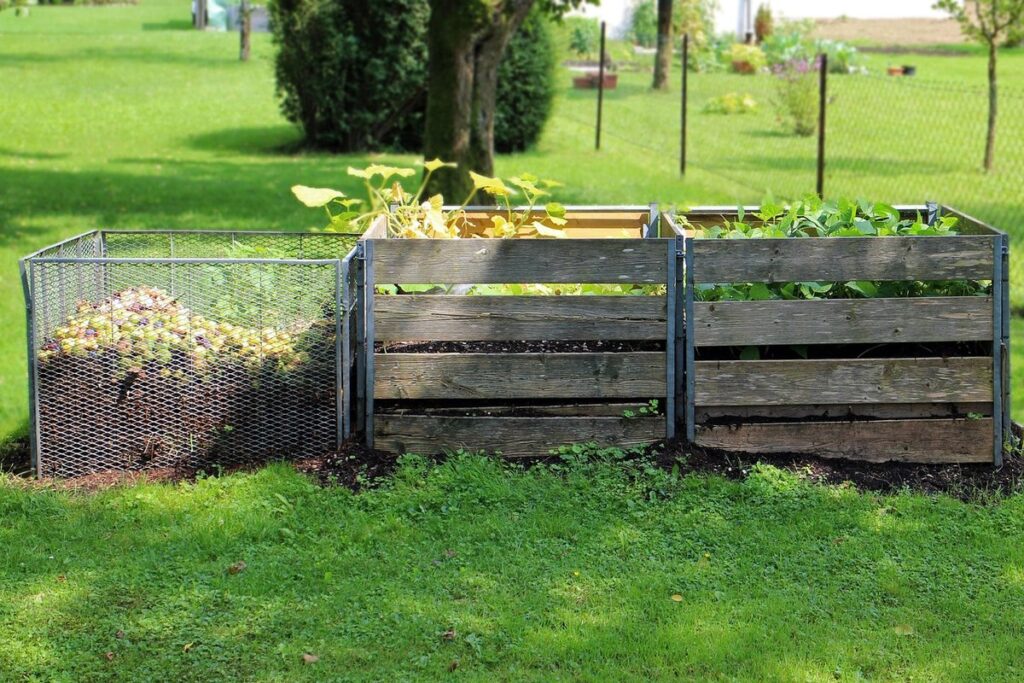
Understanding Compost Worm Nutrition
To ensure your red wigglers stay healthy and thrive, it’s essential to understand their nutritional needs and how to provide them with a balanced diet. This involves knowing what they eat, in what quantities, and how often.
What Do Compost Worms Eat?
When it comes to feeding your compost worms, it’s essential to understand their dietary preferences. Compost worms, also known as red wigglers, are detritivores, which means they feed on decaying organic matter. Their diet consists of a wide range of food sources, including fruit and vegetable scraps, tea bags, coffee grounds, and manure.
In fact, research has shown that compost worms can consume up to half their body weight in waste per day. This is why it’s crucial to provide them with a balanced diet that includes a mix of high-carbohydrate, high-protein, and high-fiber foods. For example, you can feed them carrot tops, apple cores, and banana peels for a nutrient-rich meal.
A balanced diet will ensure optimal health and reproduction in your compost worms. To achieve this, aim to provide a mix of 20-30% high-carbohydrate foods (such as fruit and vegetable scraps), 10-20% high-protein foods (like manure or blood meal), and 50-60% high-fiber foods (including tea bags and coffee grounds). By following these guidelines, you’ll be providing your compost worms with the nutrients they need to thrive.
Nutrient Requirements for Compost Worms
When it comes to feeding your compost worms, it’s essential to provide them with a balanced diet rich in nutrients. Compost worms require a mix of protein, carbohydrates, and fiber to maintain their health and promote efficient decomposition.
Protein is crucial for worm growth and development, making up about 10-15% of their body weight. Foods high in protein like fresh vegetable scraps, fruit peels, and eggshells are excellent additions to your compost pile. However, be cautious not to overfeed with protein-rich foods, as this can lead to an imbalance.
Carbohydrates provide energy for the worms, while fiber helps maintain their digestive system. Include a variety of carbohydrates such as brown sugar, whole wheat bread, or oats in moderation. Aim to provide about 70-80% of their diet in carbohydrates.
To create a balanced mix, consider using a combination of protein-rich foods (10-15%), carbohydrate sources (60-70%), and fiber-rich materials like shredded newspaper or cardboard (10-20%). This will ensure your compost worms receive the nutrients they need to thrive.
Choosing the Right Food for Your Compost Worms
When it comes to feeding your compost worms, not all foods are created equal. In this section, we’ll explore the best options and ingredients to include in their diet for optimal health and productivity.
Types of Food Suitable for Compost Worms
Compost worms are voracious eaters and can thrive on a wide variety of organic materials. When it comes to feeding them, you’ll want to focus on food sources that are high in nutrients and low in contaminants. Start by incorporating vegetable scraps into their diet, such as leaves from lettuce, spinach, and kale. These leafy greens are rich in nitrogen, which is essential for the worms’ growth.
Fruit peels, like apple and banana, are also excellent additions to your compost worm’s meal plan. You can chop them up and mix them with other foods to create a balanced diet. Avoid citrus fruits like oranges and lemons, as their acidity can harm the worms. Bread and grains like oats and wheat are also suitable, but be sure to mix them well with other foods to prevent mold growth.
Some other organic materials that your compost worms will love include coffee grounds, tea bags, and eggshells. These items add valuable micronutrients to their diet without creating an imbalance of nitrogen or carbon levels. Just be mindful not to overfeed them on rich foods like meat scraps or oily foods, as these can cause digestive problems in the long run.
Avoiding Toxic Foods for Compost Worms
When it comes to feeding your compost worms, there are some common foods that you should avoid altogether. These foods can be toxic to your red wigglers and harm their overall health. One such food is citrus fruits like oranges, lemons, and limes. The acidity in these fruits can disrupt the pH balance of the compost pile and cause stress to the worms.
Onions and garlic are another no-go when it comes to compost worm food. These members of the Allium family contain sulfur compounds that can inhibit the growth of beneficial microorganisms in the compost, ultimately affecting the worms’ well-being. To avoid any adverse effects, refrain from adding onions or garlic peels to your compost pile.
Additionally, foods high in salt and spices should also be avoided. These can cause dehydration and stress to the worms, making them more susceptible to disease and parasites. By keeping these toxic foods out of your compost pile, you’ll create a healthy environment for your red wigglers to thrive.
Setting Up a Compost Worm Food Source
To set up a thriving food source for your compost worms, you’ll need to create a diverse and balanced diet that meets their nutritional needs. This includes selecting the right types of fruit and vegetable scraps.
Creating a Compost Pile for Your Worms
When setting up a compost pile for your worms, it’s essential to consider a few key factors to ensure they thrive. First and foremost, size matters: the bin or pile should be large enough to hold at least 1-2 pounds of food waste per worm per day. This might sound like a lot, but trust us – it’s better to err on the side of caution.
Choose a location with good airflow and sunlight, as this will help regulate the temperature within the compost pile. Avoid areas near standing water or where water tends to collect, as this can lead to anaerobic conditions that are detrimental to your worms’ health.
For materials, use a combination of “brown” (dried leaves, straw) and “green” (food waste, grass clippings) ingredients to create a balanced compost pile. Avoid using too much of one or the other, as this can disrupt the carbon-to-nitrogen ratio and lead to unpleasant odors or pests.
Consider adding a lid or tarp to your compost bin to maintain moisture and reduce evaporation – this will also make it easier for you to monitor temperature fluctuations. Finally, ensure good drainage by adding some perlite or vermiculite to the bottom of the pile. With these simple considerations in mind, you’ll be well on your way to creating a thriving worm composting environment.
Managing Moisture Levels in the Compost
Maintaining optimal moisture levels in the compost is crucial for healthy worm digestion. Worms need a consistent level of moisture to break down organic matter efficiently. Aim to keep the compost pile between 60-80% moisture content, similar to a damp sponge.
If the compost becomes too dry, worms will burrow deeper into the pile, reducing their effectiveness in breaking down food waste. To avoid this, regularly add water to the compost pile, but be cautious not to overdo it – excess moisture can lead to anaerobic conditions and unpleasant odors.
Monitor the compost’s moisture levels by inserting your hand into the pile; if it feels dry, it’s time to add more water. Conversely, if it feels soggy or waterlogged, wait a day before re-checking. Aim for a balance that allows worms to move freely within the pile. A healthy compost worm food source should have a consistent moisture level, ensuring your worms stay happy and productive throughout the composting process.
Regularly turning the compost pile also helps maintain optimal moisture levels by redistributing water and air throughout the pile.
Adding Supplements to Enhance Compost Quality
Adding supplements can take your compost to the next level, but what works best for your red wiggler worms and how do you incorporate them safely into their diet?
Benefits of Using Compost Worm Additives
When it comes to feeding your red wiggler worms and enhancing compost quality, you might be wondering if there’s more to providing them with a nutrient-rich diet than just adding food scraps. That’s where compost worm additives come in – supplements that can take your composting game to the next level.
Using supplements like fish emulsion or molasses can provide a concentrated dose of nutrients, such as nitrogen, phosphorus, and potassium, which are essential for healthy microbial growth and decomposition. Fish emulsion, for example, is rich in nitrogen and phosphorus, making it an excellent additive for promoting worm activity and breaking down organic matter quickly.
Molasses, on the other hand, is a sweet liquid byproduct of sugar production that’s high in potassium and micronutrients like calcium and magnesium. Adding molasses to your compost pile can help stimulate microbial growth, improve soil structure, and even attract beneficial microorganisms.
By incorporating these supplements into your worm composting routine, you can create a more balanced and efficient decomposition process, ultimately resulting in better-quality compost that’s rich in nutrients and beneficial microorganisms.
Choosing the Right Supplement for Your Compost Worms
When selecting supplements for your compost worms, it’s essential to consider their nutrient content and pH levels. Compost worms thrive on a diet rich in nitrogen, phosphorus, and potassium, but excessive amounts can harm them. Look for additives that provide a balanced nutrient profile and won’t disrupt the worm’s ecosystem.
Some popular supplements include fruit and vegetable scraps, coffee grounds, tea bags, and fish emulsion. However, be cautious with citrus peels as they can raise the pH levels in your compost pile. Aim for an optimal pH range of 6.5-7.5 to ensure your worms’ comfort and digestive health.
To create a diverse diet, consider adding different supplements at various intervals. For example, you might add fruit scraps one week and coffee grounds the next. Monitor your worm’s activity and adjust your supplement plan accordingly. A general rule of thumb is to maintain a 2:1 ratio of “brown” materials (dried leaves, shredded newspaper) to “green” materials (fruit, vegetable scraps). By balancing nutrient content and pH levels, you’ll create an ideal environment for your compost worms to thrive.
Monitoring and Maintaining Optimal Compost Conditions
To ensure your composting system runs smoothly, it’s crucial to monitor temperature, moisture levels, and carbon-to-nitrogen ratios daily. Regular checks will help prevent problems and keep your worms happy.
Measuring pH Levels in the Compost
When it comes to creating an ideal environment for your compost worms, maintaining optimal pH levels is crucial. Compost worms thrive in a slightly acidic to neutral range, between 6.5 and 7.5 pH. To monitor pH levels in your compost, you can use a pH meter or pH test kit specifically designed for compost. These tools will provide an accurate reading of the current pH level.
A pH level that’s too high (alkaline) or too low (acidic) can be detrimental to your worms’ health and even lead to death. If you notice a significant drop in worm population, it may indicate an imbalance in pH levels. To adjust pH levels, add small amounts of peat moss, coconut coir, or compost tea to the pile. These materials help buffer the pH and maintain a stable environment for your worms. Keep in mind that excessive additions can cause more harm than good, so monitor closely and make adjustments gradually.
Regular monitoring is essential to maintaining optimal conditions for your compost worms. Aim to check pH levels at least once a week, or when you notice significant changes in the pile’s odor or texture. By taking proactive steps to regulate pH levels, you’ll create a healthy environment that promotes optimal worm growth and nutrient-rich compost production.
Observing Worm Activity and Health
As you monitor the health and well-being of your red wiggler worms, it’s essential to observe their behavior and look for signs of stress or disease. Worms are generally active at night, so try to check on them during this time when they’re most active. A healthy worm population should have a mix of movement and rest, with some worms burrowing into the compost pile and others emerging to feed.
If you notice any unusual behavior, such as excessive lethargy or avoidance of food, it could be a sign that something is amiss. Check for signs of disease like discolored skin, swollen segments, or an abnormal number of dead worms. Worms can also exhibit stress behaviors when their environment is not optimal, such as changes in temperature, moisture levels, or carbon-to-nitrogen ratios.
To maintain healthy worm populations, regularly inspect your compost pile and adjust conditions as needed. Monitor the pH level to ensure it falls within the 6.5-7.5 range, which is ideal for red wigglers. Provide a consistent food supply and avoid overfeeding, which can lead to digestive issues and stress on the worms.
Troubleshooting Common Issues with Compost Worm Food
Don’t worry if things aren’t turning out as planned – we’ve got you covered! This section will walk you through troubleshooting common issues with your worm food, from mold to pests.
Identifying Potential Causes of Compost Worm Problems
When it comes to composting with worms, identifying potential causes of problems is crucial for maintaining a healthy and thriving worm bin. One common issue that can arise is pests infesting the worm food. These unwanted visitors can come in the form of fruit flies, ants, or even rodents. To prevent pest infestations, make sure to store your worm food in airtight containers and keep the bin covered. Regularly cleaning and sanitizing the bin can also help discourage pests from making themselves at home.
Mold is another potential problem that can occur when feeding your compost worms. This can be caused by excess moisture, poor ventilation, or too much nitrogen-rich material. To prevent mold from taking over, ensure that you maintain a consistent moisture level in the bin and provide adequate airflow. If you notice mold starting to form, remove it immediately and add more carbon-rich materials like shredded newspaper or coconut coir.
Another issue that can arise is unpleasant odors emanating from the worm bin. This can be caused by too much nitrogen-rich material, poor aeration, or inadequate carbon-to-nitrogen ratio. To minimize odors, focus on maintaining a balanced mix of “green” (nitrogen-rich) and “brown” (carbon-rich) materials. Regularly monitoring the bin’s moisture level and odor intensity will also help you catch any potential issues before they become major problems.
Solutions to Addressing Compost Worm Challenges
When dealing with compost worm challenges, it’s essential to approach problems systematically. Start by adjusting your food sources – are you overfeeding or underfeeding your worms? Overfeeding can lead to anaerobic conditions and unpleasant odors, while underfeeding may result in slow decomposition rates. Ensure a balanced diet by maintaining a 2:1 ratio of “brown” (dried leaves, shredded newspaper) to “green” (veggie scraps, fruit peels) materials.
Next, improve ventilation within your worm bin. A well-ventilated system promotes healthy airflow, preventing the buildup of toxic gases and maintaining optimal moisture levels. Add aeration holes or increase the bin’s size to ensure air circulation. Introducing beneficial microorganisms can also aid in resolving issues – consider adding a splash of molasses (rich in beneficial microbes) to your worm tea recipe.
Regular monitoring and maintenance will help you identify areas for improvement, enabling timely interventions to address potential problems before they escalate into full-blown crises.
Frequently Asked Questions
How often should I add new food sources to the compost worm bin?
It’s essential to maintain a consistent food supply for your worms, but avoid overfeeding. Add new food sources every 2-3 days, making sure they’re evenly distributed and not compacting the bedding material.
What happens if my compost worms eat too much of one particular food source?
Overconsumption of specific foods can lead to nutrient imbalances or even toxicity in your worm population. To avoid this, introduce a diverse range of food sources and maintain a balanced diet. Monitor your worms’ activity and adjust their diet accordingly.
Can I use household plants as a food source for my compost worms?
While it’s possible to incorporate some household plant materials into the worm bin, be cautious not to overdo it. Some plants can harbor pests or diseases that might harm the worms. Instead, focus on using fresh fruit and vegetable scraps, tea bags, coffee grounds, and other suitable food sources.
How do I handle a sudden surge in compost worm population growth?
If your worm population grows rapidly, you may need to expand their living space or separate them into smaller batches. Regularly monitor the bin’s moisture levels, temperature, and pH to ensure optimal conditions for your worms’ continued health and productivity.
Can I use commercial fertilizers as a supplement to enhance compost quality?
No, using commercial fertilizers can be detrimental to the worm population and may even contaminate the finished compost. Instead, opt for natural additives like fish emulsion or kelp meal that promote healthy microbial growth without harming your worms.