
As any gardener knows, there are many ways to enrich your soil and boost plant growth. Two popular options come up frequently: compost and manure. While both can be effective, they have distinct differences in terms of their benefits, nutrient content, and safety considerations. Compost, a rich mixture of decomposed organic matter, provides a slow release of nutrients and improves soil structure. Manure, on the other hand, is a direct source of fertilizer derived from animal waste. Understanding the differences between these two can help you choose the best option for your garden’s needs. In this article, we’ll delve into the world of compost vs manure, exploring their benefits, nutrient content, safety concerns, and providing guidance on how to select the optimal choice for optimal results in your garden.
Understanding the Basics
Let’s dive into the fundamental concepts of compost and manure, exploring what they are, how they’re made, and why gardeners use them. This sets a solid foundation for our comparison.
Defining Compost and Manure
When it comes to creating nutrient-rich soil for your garden or farm, two popular options often come up: compost and manure. To make informed decisions about which one to use, let’s start by defining these terms.
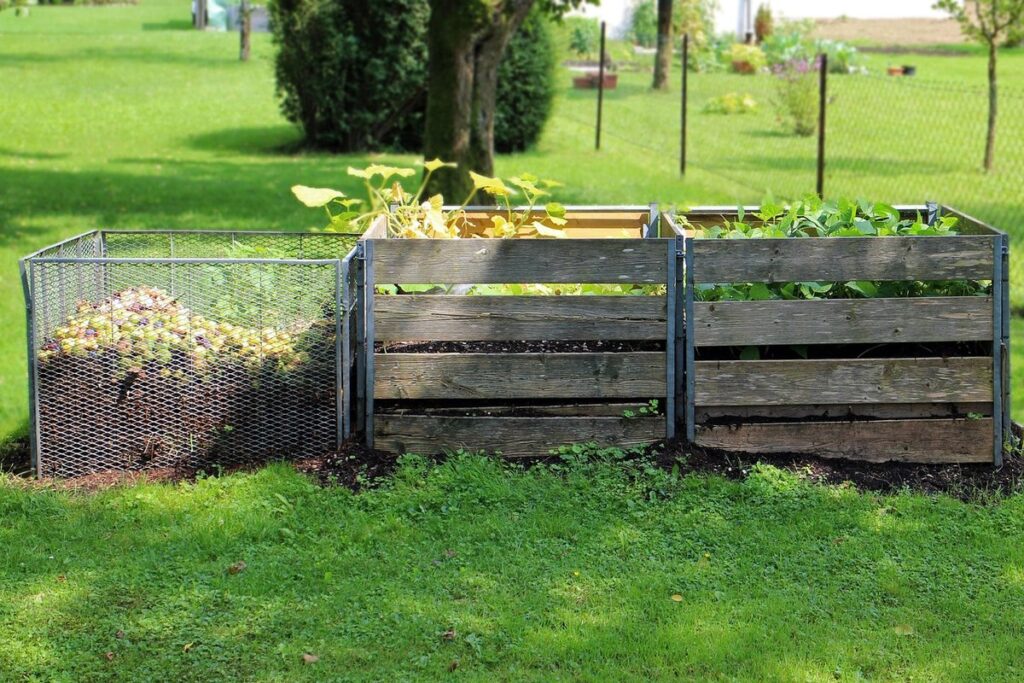
Compost is a natural, organic material made from decomposed plant and animal waste. It’s created through the process of aerobic decomposition, where microorganisms break down the waste into a stable, humus-like substance. Compost can be made from kitchen scraps, yard trimmings, or even coffee grounds. The resulting compost is teeming with beneficial microbes that help soil absorb nutrients and retain moisture.
Manure, on the other hand, refers to animal waste, typically from livestock like cows, horses, or chickens. Manure is a concentrated source of nitrogen, phosphorus, and potassium – essential nutrients for plant growth. While manure can be a valuable fertilizer, it requires careful handling to avoid contamination and ensure safe use.
Understanding the composition and uses of compost and manure sets the stage for exploring their differences and similarities in the subsequent sections. By grasping these fundamental definitions, you’ll be better equipped to choose the best option for your gardening or farming needs.
Types of Organic Waste Used in Composting
When it comes to composting, not all organic waste is created equal. The type of material used can significantly impact the quality and effectiveness of the finished compost. Let’s explore some common types of organic waste used in composting.
Food scraps are a staple in many home composting setups. They provide essential nutrients like nitrogen and carbon, which help support microbial growth. However, it’s essential to balance food scraps with other materials like yard trimmings or brown materials to avoid creating an imbalanced compost pile. A general rule of thumb is to aim for a mix of 2/3 “brown” materials (like leaves or straw) and 1/3 “green” materials (like food scraps).
Yard trimmings, such as grass clippings and leaves, are another crucial component in the composting process. They bring carbon-rich materials into the pile, which helps maintain oxygen levels and support microbial activity. Animal waste, on the other hand, is a more complex topic. While some types of animal waste can be safely added to compost piles, others may pose health risks or create odors.
When incorporating animal waste into your compost, it’s vital to choose materials from healthy, disease-free animals. Examples include rabbit manure and chicken droppings, which are both high in nitrogen and carbon. However, avoid using cat litter, dog feces, or manure from sick animals, as they may contain pathogens that can contaminate the finished compost.
It’s also worth noting that certain types of waste should be avoided altogether. These include coal ash, plastics, and oils, which can harm microorganisms and create toxins in the compost pile.
Benefits of Compost vs Manure
When it comes down to choosing between compost and manure, one crucial aspect is understanding their respective benefits for your garden. Let’s explore which one offers more advantages.
Environmental Benefits of Compost
Using compost as an alternative to manure has numerous environmental benefits that make it an attractive option for gardeners and farmers. One of the most significant advantages is its ability to reduce greenhouse gas emissions. Composting involves breaking down organic matter, which releases carbon dioxide and methane. However, when these gases are sequestered within the soil through composting, they become part of the soil’s organic structure, reducing their contribution to climate change.
Compost also plays a crucial role in improving soil structure by increasing its water-holding capacity, aeration, and overall fertility. This is achieved through the decomposition process, which creates humus – a rich, nutrient-rich substance that enhances soil health. As a result, plants grown using compost are less susceptible to droughts and diseases.
Compost also supports biodiversity by providing a habitat for beneficial microorganisms. These microbes help break down organic matter, making essential nutrients available to plants. By creating a balanced ecosystem, compost promotes a diverse range of plant and animal life, which is vital for maintaining healthy soils.
Soil Health and Fertility with Manure
Manure is an excellent addition to your garden, contributing significantly to improved soil health and fertility. One of the primary benefits of manure is its ability to retain nutrients within the soil. Manure is rich in nitrogen, phosphorus, potassium (NPK), and other essential micronutrients that are vital for plant growth.
When added to the soil, manure promotes microbial activity, creating a thriving ecosystem that supports beneficial microorganisms. These microbes play a crucial role in decomposing organic matter, releasing nutrients as they break down, and improving soil structure. This leads to better water retention and reduced soil erosion.
In the long term, manure application can have profound benefits for plant growth. For instance, incorporating manure into your soil can improve its ability to retain moisture, reduce the need for frequent watering, and enhance overall fertility. To maximize these benefits, it’s essential to balance manure application with proper carbon-to-nitrogen ratios, as excessive nitrogen in manure can lead to environmental concerns like water pollution.
To get started with using manure effectively, consider mixing aged manure into your soil at a rate of about 1-2 pounds per square foot. Additionally, ensure that you’re choosing from reputable sources, such as organic farms or well-maintained livestock operations, to avoid introducing pathogens or contaminants into your garden.
Comparison of Nutrient Content
When it comes to choosing between compost and manure, understanding their nutrient profiles is crucial. Let’s dive into a comparison of their respective contents.
Macronutrients in Compost vs Manure
When it comes to macronutrient content, compost and manure have their own unique characteristics. Compost typically contains a balanced mix of nitrogen (N), phosphorus (P), and potassium (K) – the NPK trio essential for plant growth. The ideal ratio for compost is around 2-3% N, 1-2% P, and 2-4% K.
Manure, on the other hand, has a higher concentration of nitrogen than phosphorus or potassium. Cow manure, for instance, can have up to 5% nitrogen content. However, the P and K levels tend to be lower, often below 1%. This is because manure primarily serves as a nitrogen-rich fertilizer.
A key difference between compost and manure lies in their C:N ratio – carbon-to-nitrogen balance. Compost has an optimal C:N ratio of around 25:1, making it easier for microorganisms to break down nutrients. Manure tends to have a higher N content but often lacks the necessary carbon sources for efficient decomposition.
To incorporate these organic amendments effectively into your garden, consider combining compost with manure to achieve a balanced nutrient profile. This can help mitigate potential deficiencies and promote healthy plant growth. Regular testing of soil pH and nutrient levels will also enable you to make informed decisions about which amendment to use in specific situations.
Micronutrients in Compost vs Manure
When it comes to micronutrients, both compost and manure offer unique profiles that support plant growth. Micronutrients like calcium, magnesium, sulfur, and boron are essential for various physiological processes such as photosynthesis, cell wall development, and nutrient uptake.
Calcium is crucial for root growth and development, while magnesium plays a key role in chlorophyll production and photosynthesis. Sulfur is vital for plant defense mechanisms against pathogens and pests, whereas boron is important for cell wall integrity and hormone regulation. Compost tends to have higher levels of micronutrients compared to manure due to its diverse organic matter content.
For instance, compost made from leafy greens might contain more magnesium than a mix of animal manure. This is because the high concentration of chlorophyll in leaves contributes to increased magnesium levels in the final product. Conversely, manure often has higher sulfur and phosphorus levels than compost due to its rich organic matter composition.
To maximize micronutrient content, it’s essential to maintain optimal carbon-to-nitrogen ratios and adequate moisture levels during both composting and manuring processes. This ensures that nutrients are properly decomposed and available for plant uptake.
Safety and Handling Considerations
When working with compost and manure, safety should be your top priority. This section will guide you through essential safety precautions to take when handling these organic materials.
Managing Pathogens in Compost vs Manure
When it comes to managing pathogens in compost and manure, safety is paramount. Pathogens can be present on the surface of both materials, posing a risk to humans, animals, and plants if not handled properly.
Compost poses a higher risk for pathogen transmission compared to manure due to its lower pH level, which allows pathogens like Salmonella, E. coli, and Listeria to survive longer. Manure, on the other hand, tends to have a higher pH level that is less conducive to pathogen survival.
To minimize the risks associated with pathogens in compost, it’s essential to follow proper handling procedures. This includes turning the pile regularly to raise its temperature, which can kill off 99% of pathogens within a week or two. Compost piles should also be kept at least 3 feet away from water sources and buildings to prevent contamination.
When working with manure, wear protective gloves and eyewear to avoid exposure to potential pathogens. Regularly cleaning tools and equipment used for handling manure is also crucial to maintaining hygiene standards.
Storage and Application Guidelines for Compost and Manure
When storing compost and manure, it’s essential to prioritize minimizing environmental impact while ensuring safe use. For compost, store it in a dry, well-ventilated area, away from direct sunlight and extreme temperatures. Aeration is crucial; ensure adequate airflow by mixing the pile regularly or using a compost turner.
For manure, choose a clean, dedicated storage area with proper ventilation to prevent moisture buildup and ammonia release. Regularly inspect the stored manure for signs of spoilage or contamination, taking prompt action if necessary.
When applying either compost or manure, follow these guidelines: spread evenly and uniformly across the targeted area, considering factors such as crop type, soil pH, and nutrient requirements. Avoid over-application, which can lead to environmental issues like water pollution.
Consider using a ratio-based approach when blending compost with other fertilizers; a general rule of thumb is to use 2-3% compost by volume. Monitor application rates and adjust according to specific site conditions to avoid potential environmental harm or resource waste. Proper storage and application practices will help minimize risks associated with these valuable resources, ensuring their safe and effective use.
Choosing Between Compost and Manure
When deciding on a natural fertilizer for your garden, it’s essential to weigh the pros and cons of using compost versus manure. Let’s break down the key factors to consider in this decision.
Factors Influencing the Decision Between Compost and Manure
When deciding between compost and manure, several factors come into play that can sway your choice. Budget is one of the primary considerations – composting typically requires an initial investment in a bin or container, as well as ongoing costs for materials like carbon-rich browns. On the other hand, purchasing manure from a supplier or creating it through animal agriculture may be more expensive in the long run.
Climate also plays a significant role in this decision. In regions with intense sunlight and high temperatures, composting can be accelerated, but in areas with cooler temperatures, slower decomposition rates might necessitate additional resources or equipment. Additionally, specific crop requirements should not be overlooked – some plants thrive with the added nutrients found in manure, while others prefer the balanced nutrient profile of compost.
To make an informed decision, weigh these factors carefully and consider your available resources, including time and labor. Ask yourself: What are my budget constraints? What is the climate like where I’ll be applying these amendments? And what specific needs do my crops have in terms of nutrients?
Integration Strategies for Using Both Compost and Manure
Combining compost and manure offers numerous benefits for gardeners looking to create a balanced soil ecosystem. One approach is to apply both materials sequentially, starting with a base layer of compost that provides an initial boost to soil biota. This can be followed by a top dressing of manure, which brings a concentrated dose of nutrients and beneficial microbes.
Another strategy is to blend the two materials together for a single application. When using this method, it’s essential to balance the nutrient-rich properties of manure with the carbon-to-nitrogen ratio found in compost. A general rule of thumb is to mix 10-20% manure into 80-90% compost by volume.
By integrating both compost and manure, gardeners can reap enhanced soil health, increased crop yields, and improved overall plant resilience. For example, a study on agricultural fields found that using a combination of compost and manure resulted in a 25% increase in maize yield compared to those treated with either material alone. With careful planning and application, this dual approach can become an integral part of a sustainable gardening routine.
Frequently Asked Questions
Can I use both compost and manure together for maximum benefits?
Yes, many gardeners choose to use a combination of compost and manure to take advantage of their complementary nutrient profiles. Compost can help improve soil structure and provide a slow release of nutrients, while manure can supply a more immediate boost of fertilizer. When using both, make sure to follow proper application guidelines to avoid over-fertilizing.
How do I store and manage compost versus manure in different climates?
Storage and management practices vary depending on the climate you’re in. For hot and humid environments, it’s crucial to ensure that compost and manure are properly aerated to prevent moisture buildup. In colder climates, focus on keeping them dry to maintain their effectiveness.
Can I use compost or manure with plants that have specific nutrient requirements?
Yes, both compost and manure can be tailored to meet the needs of specific plants. For example, if you’re growing acid-loving plants like azaleas or blueberries, you may want to use a compost rich in peat moss or acidic fertilizers derived from manure.
How do I monitor soil health when using compost versus manure?
Monitoring soil pH and nutrient levels is crucial when using either compost or manure. Regularly test your soil to ensure it’s within optimal ranges for your plants, and adjust your fertilizer application accordingly.
Are there any specific safety precautions I should take when handling compost versus manure?
Yes, both compost and manure can pose safety risks if not handled properly. Wear protective gloves and eyewear when working with either material, and avoid inhaling dust or particles. If you’re concerned about pathogens, consider pasteurizing your compost or using a pathogen-killing product for manure.