
If you’re eager to unlock your yard’s full potential, there’s one simple yet powerful secret to consider: composting. By harnessing the natural energy in food scraps and yard waste, you can create a nutrient-rich soil amendment that’ll transform your garden into a lush oasis. However, getting it right requires more than just throwing some waste into a bin – you need the perfect setup, maintenance routine, and techniques for optimal results.
In this article, we’ll delve into expert compost tumbler tips on choosing, setting up, and maintaining the ideal system for your yard. You’ll discover how to maximize your space, simplify the process, and enjoy bountiful harvests with our comprehensive guide. Whether you’re a seasoned green thumb or just starting out, these actionable tips will help you achieve success in creating rich, composted soil that’ll boost plant growth and reduce waste. Let’s get started on this journey to a more sustainable, thriving garden!
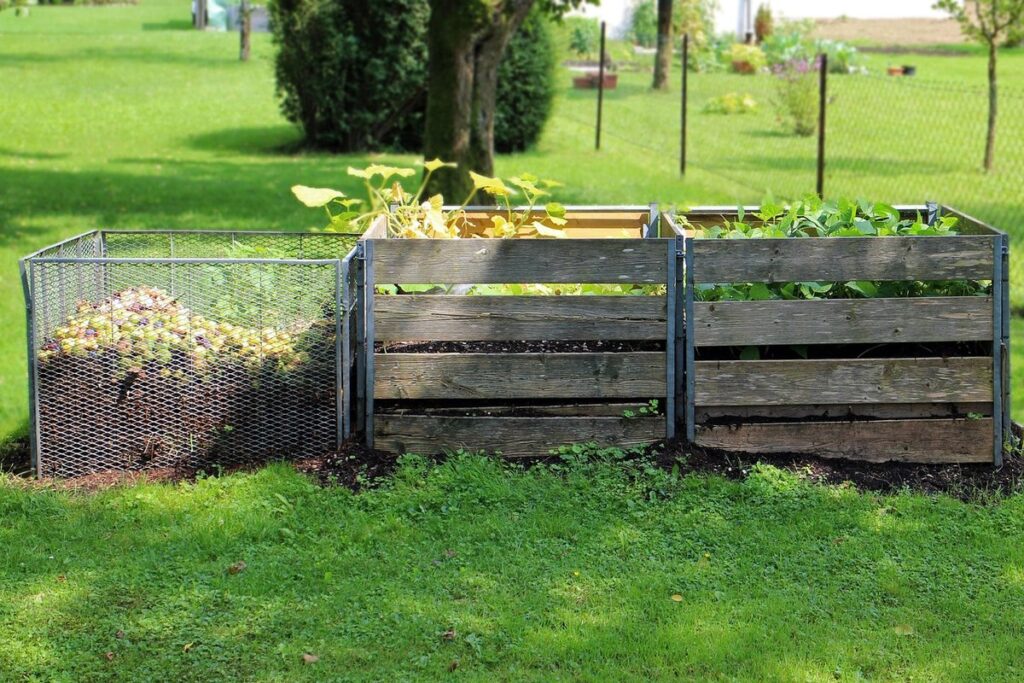
Choosing the Right Compost Tumbler
When it comes to composting, selecting the right tumbler can make all the difference. Let’s dive into the key factors to consider when choosing a compost tumbler for your yard.
Understanding Your Needs and Budget
Before you start shopping for a compost tumbler, it’s essential to understand your needs and budget. This will help you narrow down your options and make an informed decision that suits your yard’s unique requirements.
Consider the size of your space and the amount of waste you generate. If you have limited room or produce minimal waste, a smaller tumbler might be perfect. On the other hand, larger families or those with extensive gardening needs may require a bigger capacity. Think about the types of materials you want to compost – fruit and vegetable scraps, leaves, grass clippings? Different tumblers handle various materials better than others.
Think about your budget too. Compost tumblers can range from under $50 to over $200, depending on features like size, material, and features like aeration systems or built-in turners. Set a realistic budget, and balance it with your needs. Don’t sacrifice quality for the cheapest option; invest in one that will last and perform well.
When weighing options, also consider durability, ease of use, and maintenance requirements. A cheaper tumbler might save you upfront costs but may require more effort to clean or repair over time.
Types of Compost Tumblers: A Brief Overview
When it comes to choosing the right compost tumbler for your yard, understanding the different types available is crucial. There are three main categories: rotating, non-rotating, and worm-based models.
Rotating tumblers are some of the most popular options, as they make turning the compost easy and efficient. These tumblers usually have a wheel or handle that allows you to turn the drum with minimal effort. This feature helps to aerate the compost, speeding up the decomposition process. However, rotating tumblers can be more expensive than non-rotating models.
Non-rotating tumblers, on the other hand, require manual turning of the drum, which can be a bit more labor-intensive. However, they are often more affordable and take up less space. Worm-based composters, also known as vermicomposting systems, use worms to break down food waste into nutrient-rich compost. These systems are ideal for small spaces and produce high-quality compost quickly.
It’s essential to consider your specific needs and yard size when choosing a compost tumbler type. Think about the space you have available, your budget, and the level of maintenance you’re willing to commit to. By understanding these factors, you can select the best type of compost tumbler for your yard and start maximizing its potential.
Setting Up Your Compost Tumbler
To get started, you’ll need to prepare your yard and compost tumbler for optimal use, ensuring a smooth and efficient composting process from day one. Let’s walk through the essential setup steps together.
Preparing the Area for Optimal Performance
When selecting a location for your compost tumbler, it’s essential to consider three key factors: sunlight, wind direction, and accessibility. Placing the unit in direct sunlight will help speed up the decomposition process, as heat and light promote microbial activity.
However, be mindful of extreme temperatures that can damage the unit or its components. Aim for a location receiving partial shade during peak sun hours. Additionally, position the tumbler to avoid strong winds, which can make it difficult to turn the drum and create an uneven compost pile.
In terms of accessibility, choose a spot close to your kitchen door or gardening area to encourage frequent maintenance and monitoring. This will also make it easier to transfer finished compost to your garden beds. Clear the surrounding area of any debris and level the ground to ensure stable placement of the tumbler. By considering these factors, you’ll be well on your way to creating an optimal environment for efficient composting.
Adding Materials: The Composting Process Explained
Now that you’ve set up your compost tumbler, it’s time to start adding materials. This is where the magic happens – turning waste into a nutrient-rich soil amendment for your garden. The key to effective decomposition lies in balancing green and brown materials.
Green materials are high in nitrogen and carbon dioxide levels, making them ideal for speeding up decomposition. Think of food waste, grass clippings, and fresh vegetable scraps as prime examples. Aim to add about 2/3 green materials to your compost tumbler. Brown materials, on the other hand, are rich in carbon but low in nitrogen. Leaves, shredded newspaper, and twigs fall into this category.
To balance these inputs, start by adding a 4-6 inch layer of brown materials at the bottom of your tumbler. Then, add green materials to about halfway up the drum. Finish with another layer of brown materials on top. This will create a microclimate that encourages beneficial microbes to break down organic matter efficiently. Regularly mixing your compost pile also ensures these microorganisms have access to oxygen and nutrients. By following this simple formula, you’ll be well on your way to creating nutrient-rich compost for your garden.
Maintaining Your Compost Tumbler
To keep your compost tumbler running smoothly, it’s essential to regularly clean and maintain the unit to prevent pests and unpleasant odors from forming. This includes tasks like draining excess liquid and replacing worn-out parts.
Monitoring Temperature and Moisture Levels
Monitoring temperature and moisture levels is crucial to achieving optimal decomposition within your compost tumbler. A well-maintained compost tumbler can turn kitchen scraps and yard waste into a nutrient-rich fertilizer for your garden, but neglecting these vital parameters can lead to unpleasant odors, pests, or even the loss of nutrients.
To monitor temperature, start by checking the compost pile’s internal temperature regularly. Aim for temperatures between 130°F (54°C) and 140°F (60°C), which is ideal for decomposition. If it gets too hot, around 150°F (65°C) to 160°F (71°C), you may need to add more brown materials like dry leaves or straw to cool it down. On the other hand, if it’s too cold, below 100°F (38°C), microorganisms may not be active enough for decomposition.
As for moisture levels, maintain a balance between being damp and soggy. Aim for a consistency similar to that of a damp sponge. Excessive dryness can slow down decomposition, while too much water can lead to anaerobic conditions, resulting in unpleasant odors or pests. Use the “squeeze test”: if the compost holds its shape when squeezed but crumbles easily, it’s ready.
Turning the Tumbler: A Step-by-Step Guide
Turning the compost tumbler is a crucial step in maintaining its efficiency. Regular turning ensures that the materials inside break down evenly and at an optimal rate. As a general rule of thumb, turn your compost tumbler every 7-10 days during the active composting phase.
To do this effectively, start by opening the latch or unlocking the mechanism that allows you to access the inner compartments. Remove any large chunks or debris that may be obstructing the rotation process. Once cleared, rotate each compartment a quarter turn to ensure even mixing of the contents. This will help distribute heat and oxygen uniformly throughout the tumbler.
It’s also essential to keep an eye on moisture levels during this process. If the materials are too dry, add some water to maintain the optimal moisture level – around 50-60%. Conversely, if it’s too wet, let it sit for a day or two before turning again. This balance is crucial in promoting healthy microbial activity and preventing odors.
Remember, turning your compost tumbler regularly will not only speed up the decomposition process but also prevent pests and unpleasant smells from developing. By following this simple routine, you’ll be well on your way to producing nutrient-rich compost that will boost your yard’s fertility.
Troubleshooting Common Issues
Sometimes, things don’t go as planned with your compost tumbler, and we’ve all been there. This is where our troubleshooting guide comes in to save the day.
Dealing with Odors and Pests
When dealing with odors and pests in your compost tumbler, it’s essential to address these issues promptly to prevent them from spreading to other areas of your yard. Unpleasant odors can be caused by too much green material (food scraps, grass clippings), inadequate aeration, or high temperatures within the tumbler. To resolve this issue, try adding more brown materials like dried leaves, shredded newspaper, or cardboard to balance out the mix.
Regularly turning your compost pile and ensuring adequate airflow can also help reduce odors. If you notice pest infestations, such as fruit flies or rodents, check for any food sources that might be attracting them. Remove any excess moisture by adding more brown materials or allowing the tumbler to aerate for a few days.
In severe cases, consider using natural deterrents like diatomaceous earth or citrus peels to repel pests. By taking proactive measures and regularly monitoring your compost tumbler, you can minimize the risk of odors and pest infestations, ensuring a healthy and thriving composting process.
Overcoming Compost Tumbler Breakdowns
Compost tumbler breakdowns can be frustrating and disrupt your composting process. To minimize downtime, it’s essential to identify potential causes of mechanical failure. Common issues include jammed gears, worn-out axles, or broken latches. Inspect your tumbler regularly for signs of wear and tear.
If you notice any damage, don’t panic – many breakdowns are fixable with basic DIY skills. Start by cleaning the affected area to ensure proper functioning. For example, if your tumbler’s gears are jammed, try soaking them in warm water or using a lubricant to loosen stuck parts. If repair isn’t possible, it may be time to replace your compost tumbler.
When shopping for a new one, consider factors like durability, size, and ease of use. Look for tumblers made from high-quality materials that can withstand various weather conditions. Consider investing in a spare part or two to ensure minimal downtime in case of future breakdowns. Regular maintenance is key to extending your compost tumbler’s lifespan.
Maximizing Output: Tips for Efficient Composting
Now that you’ve set up your compost tumbler, let’s focus on getting the most out of it by maximizing output and minimizing waste with these efficient tips.
Balancing Green and Brown Materials
Achieving an optimal balance of green and brown materials is crucial for successful composting. Green materials are rich in nitrogen, while brown materials are high in carbon. When mixed together, they create a balanced ecosystem that supports the decomposition process.
Aim to maintain a ratio of 2/3 “brown” materials to 1/3 “green” materials. Brown materials can include dried leaves, shredded newspaper, or cardboard, which provide the necessary carbon for microbes to feed on. Green materials, such as kitchen scraps, grass clippings, and manure, contribute nitrogen.
For example, if you’re adding a bucket of soiled hay (green material) to your compost tumbler, balance it out with an equivalent amount of shredded newspaper or dried leaves (brown material). Conversely, if you add too many brown materials, the pile may become too dry, and decomposition will slow down.
Monitor your compost’s moisture levels and carbon-to-nitrogen ratio regularly to ensure optimal conditions. A well-balanced mix allows microorganisms to thrive, breaking down organic matter efficiently.
Adding Beneficial Microorganisms
Beneficial microorganisms play a crucial role in breaking down organic matter and creating nutrient-rich compost. These tiny helpers can be found in various sources, including finished compost, worm castings, and certain types of soil conditioners.
To introduce beneficial microbes into your tumbler, start by adding a 1-2 inch layer of finished compost at the bottom of the drum. This initial inoculation will set the stage for efficient decomposition. You can also incorporate a cup or two of worm castings to amplify microbial activity. These nutrient-dense “tea” bags are rich in beneficial microbes that will help break down complex organic matter.
Another approach is to add small amounts of active compost tea, which is essentially a liquid solution made by steeping finished compost in water. This will infuse your tumbler with an abundance of beneficial microorganisms, accelerating the decomposition process. To make compost tea, simply steep 1-2 cups of compost in 5 gallons of water for 24 hours, then strain and add it to your tumbler.
Composting Beyond the Tumbler: Extending Your Yard’s Potential
You’ve mastered the art of composting in your tumbler, but what’s next? Learn how to take your composting game to the next level and unlock new possibilities for your yard.
Vermeer and Worm-Based Systems
Vermeer systems, also known as worm-based composting, offer an innovative approach to turning waste into nutrient-rich soil amendments. These compact and odorless units utilize red wiggler worms to break down organic matter into a rich humus. One of the primary benefits of vermeer systems is their ability to process large amounts of food scraps and yard trimmings quickly, making them ideal for households with limited outdoor space.
To set up a successful vermeer system, it’s essential to provide the right conditions for the worms to thrive. This includes maintaining optimal moisture levels (around 80% humidity), keeping temperatures between 55°F to 77°F, and ensuring adequate ventilation. It’s also crucial to introduce “brown” materials like shredded paper or coconut coir to balance out the “green” waste, such as food scraps.
Some popular alternatives to vermeer systems include bokashi composting, which uses microorganisms to ferment organic matter, and hot-tub-style composting, where a large tub is used to speed up decomposition. While these methods have their own set of benefits, vermeer systems remain a favorite among eco-conscious gardeners due to their efficiency and low maintenance requirements.
Creating a Composting Network
Creating a composting network with your neighbors is an excellent way to maximize your yard’s potential. By sharing resources and expertise, you can create a more efficient waste management system that benefits everyone involved. Start by hosting a neighborhood meeting or gathering to discuss the idea of creating a community-driven composting network.
Encourage attendees to share their experiences and knowledge on composting, including what works well and what doesn’t. This will help identify areas where your group can improve and provide valuable insights for others. Discuss how you can pool your resources to achieve common goals, such as purchasing bulk quantities of composting materials or sharing equipment like shredders.
To get started, identify a lead person to coordinate the network’s activities and keep everyone informed. Create a shared calendar to schedule regular meetings and events, like workshops or potluck dinners where members can share their experiences and tips. By working together, you’ll be able to tackle waste management challenges more effectively, create nutrient-rich compost for your gardens, and build stronger relationships with your neighbors.
Conclusion: Putting Your Compost Tumbler to Work
Now that you’ve invested time and effort into setting up your compost tumbler, it’s time to put it to work. Remember to maintain a balance between green and brown materials, ensuring a mix of nitrogen-rich food scraps and carbon-rich dry leaves. This balance will help create an efficient decomposition process. Aim to turn the compost pile every 7-10 days, or whenever you notice it becoming too compact.
By following these guidelines, your compost tumbler will begin producing nutrient-rich soil in no time. Don’t be discouraged if it takes a few weeks for the composting process to kick in – patience is key when working with nature. With regular maintenance and attention, your new compost tumbler will become an essential tool in maximizing your yard’s potential.
Frequently Asked Questions
Can I use a compost tumbler indoors, or are they meant for outdoor use?
While it’s technically possible to use a compost tumbler indoors, it’s not the most practical or odor-friendly solution. Compost tumblers work best when exposed to fresh air and sunlight, which helps speed up the decomposition process. If you’re concerned about odors or space constraints, consider placing your tumbler in a well-ventilated area of your yard.
What if I don’t have enough space for a dedicated composting area?
If you have limited outdoor space, consider investing in a compact compost tumbler that can be placed near a wall or corner. These designs often come with built-in features like trellises or storage compartments to maximize efficiency and minimize footprint. Alternatively, explore indoor options like worm composting or bokashi bins.
How do I know when my compost is ready for use?
Monitoring temperature and moisture levels are crucial indicators of your compost’s readiness. Aim for a balance between 130°F – 140°F (54°C – 60°C) and moderate moisture, similar to a damp sponge. When these conditions are met, your compost should be dark, crumbly, and have an earthy aroma – it’s now ready to enrich your garden soil!
Can I use my compost tumbler year-round, or do I need to take a break during winter?
Compost tumblers can continue functioning throughout the winter months, but you may need to adjust your maintenance routine. Keep in mind that cold temperatures slow down decomposition rates, and moisture levels might increase due to snowmelt. Regularly inspect your tumbler, add brown materials to balance out excess moisture, and consider covering it with a frost blanket or lid for added protection.
How can I minimize odors and pests when using a compost tumbler?
Effective odor control involves balancing green and brown materials, ensuring adequate aeration, and regularly turning the tumbler. Add brown materials like dry leaves or shredded newspaper to absorb excess moisture and reduce ammonia production. Also, introduce beneficial microorganisms through compost tea or finished compost to help regulate microbial populations and minimize pest infestations.